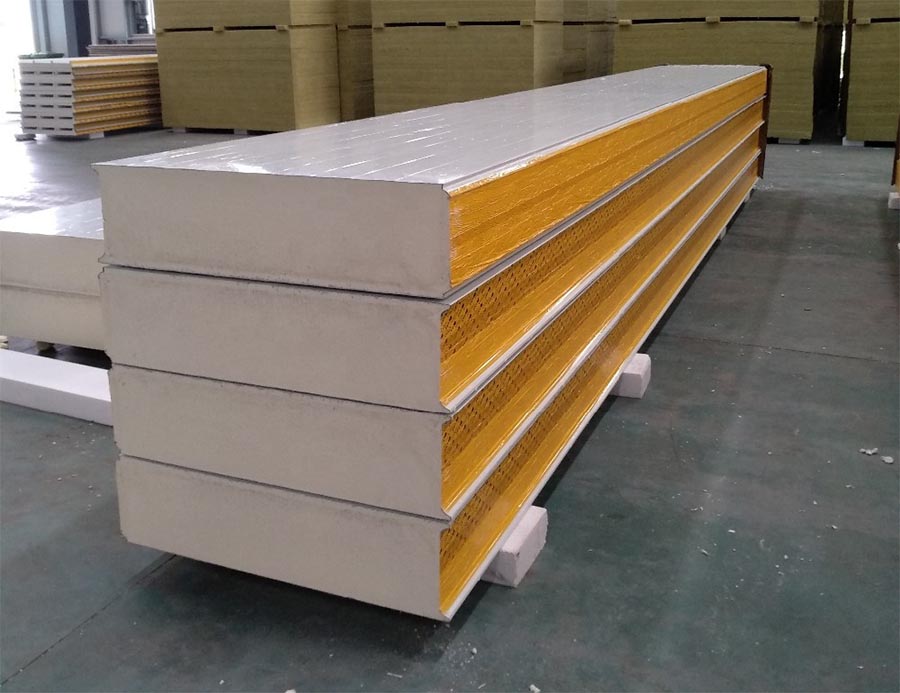
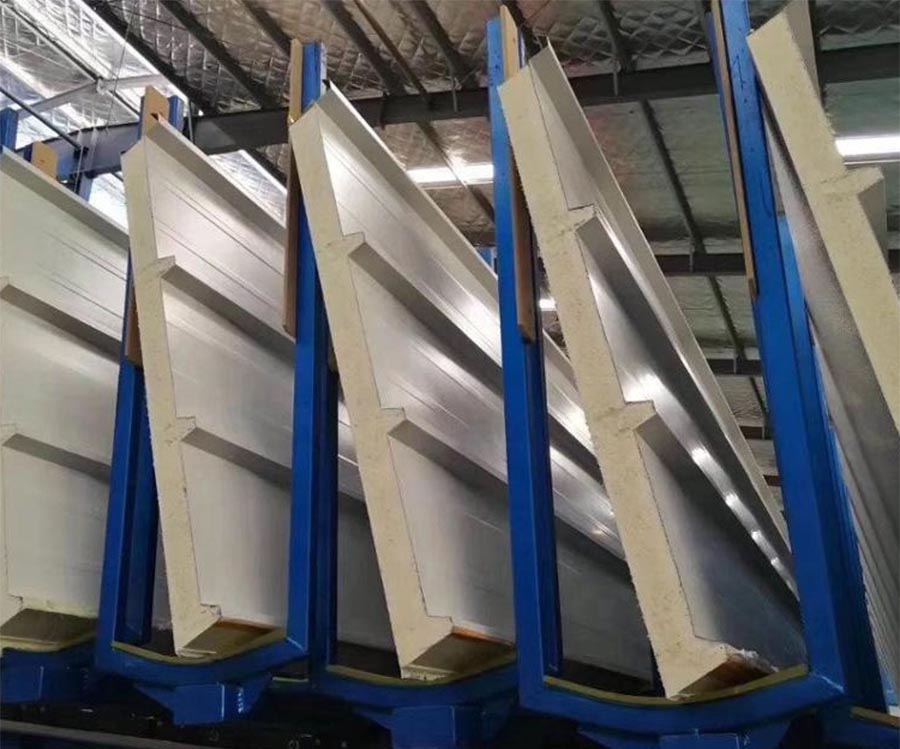
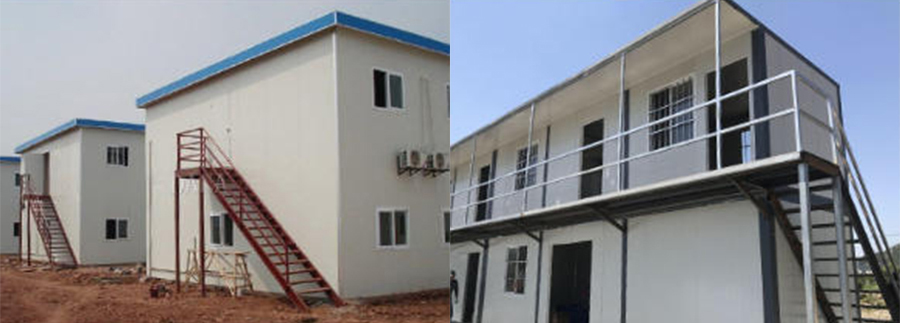
Steel structure warehouses, with their robust frameworks and spacious layouts, have become a mainstream choice for modern industrial storage and efficient logistics operations. However, the inherent sound conductivity of metal materials poses significant noise challenges for such buildings. The constant roar of internal equipment, frequent movement of forklifts, and collisions during cargo loading and unloading not only disturb the surrounding environment but also directly impact operational efficiency and personnel comfort within the warehouse. To address this common issue, an increasing number of projects are turning to rock wool board—a solution that balances technical effectiveness and cost efficiency. Thanks to its unique structure and properties, it is becoming an ideal choice for achieving high-performance sound insulation in steel structure warehouses.
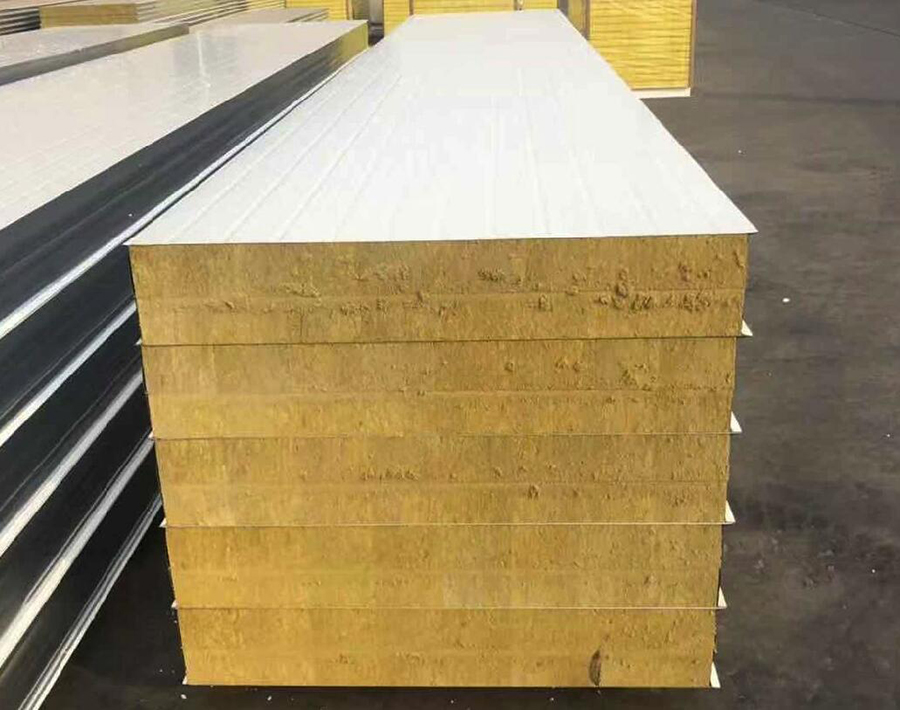
How Does Rock Wool Panels Insulate Sound?
Rock wool board is manufactured by melting natural rocks such as basalt at high temperatures and drawing them into fibrous strands, resulting in a dense, porous internal structure. When sound waves enter, they repeatedly reflect within these microscopic pores and frictionally interact with the rock wool fibers, gradually converting sound energy into heat energy. This dual mechanism of sound absorption and structural blocking effectively suppresses noise transmission, making it particularly suitable for addressing rigid vibration-induced sound transmission commonly found in steel structure warehouses.
Advantages of Using Rock Wool Board for Sound Insulation in Steel Structure Warehouses
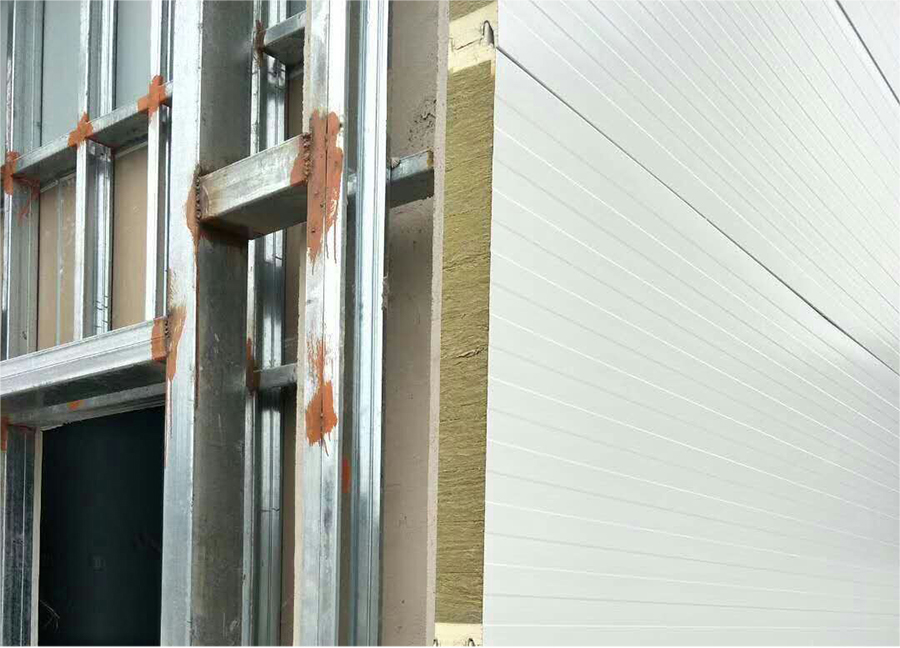 ☆Excellent Sound Insulation Performance
A single layer of 50mm-thick rock wool sandwich board can reduce noise by 15–25 decibels,comparable to the transition from a noisy roadside to a quiet office environment.
With a double-layer board design incorporating an air cavity, sound insulation can reach 30–40 decibels, fully complying with national standards for factory noise control.
☆Highest Fire Resistance Rating: Class A
As a mineral-based material, rock wool is inherently non-combustible. Even when exposed to temperatures exceeding 1000°C, it melts rather than burns. In the event of equipment-related fires within a warehouse, it does not contribute to flame spread and meets the most stringent international fire safety standards.
☆Durable and Adaptable
Moisture Resistance: Specially waterproofed rock wool boards exhibit extremely low water absorption, making them suitable for long-term use in humid southern regions or cold storage facilities.
Aging Resistance: The stable inorganic fiber structure prevents mold growth and pest infestation, ensuring a service life of over 20 years.
Lightweight Yet Robust: With moderate density, it does not significantly increase the structural load on warehouses while offering impact resistance, making it suitable for environments with frequent forklift operations.
☆Eco-Friendly and Health-Safe
Free from harmful substances such as formaldehyde and asbestos, it complies with international environmental certifications.
The production process has low carbon emissions, and the material is recyclable after use, aligning with global green building trends.
Applications of Rock Wool Board for Sound Insulation in Steel Structure Warehouses
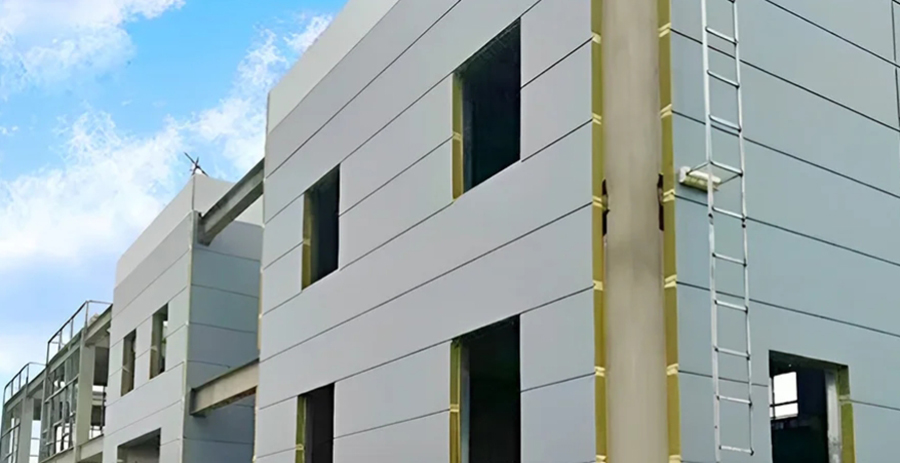 ☆Industrial Manufacturing Warehouses
In workshop warehouses with high-noise equipment such as machining and pressing operations, installing rock wool boards on walls and ceilings significantly absorbs mechanical noise, protects workers' hearing, and improves the working environment.
☆Logistics Transit Warehouses
Internal noise from forklifts, cargo handling, and packaging machinery often causes community disturbances due to proximity to residential areas. Constructing sound-insulating walls with rock wool boards effectively blocks noise transmission and reduces complaints.
☆Temporary Construction Warehouses
For temporary site warehouses near residential or noise-sensitive areas, rock wool sandwich panels can be quickly assembled as enclosures to effectively suppress construction noise diffusion, meeting short-term noise reduction needs.
☆Cold Chain Storage Facilities
Rock wool boards maintain stable sound insulation performance in low-temperature environments without compromising existing thermal insulation systems. They are suitable for cold storage scenarios, integrating both sound and thermal insulation functions.
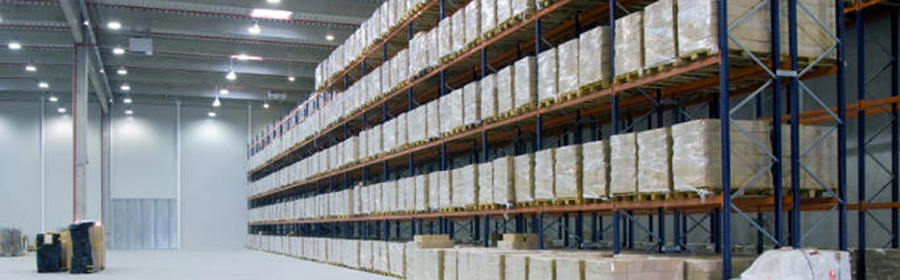
Installation Considerations for Rock Wool Boards in Steel Structure Warehouses
To ensure sound insulation effectiveness and long-term reliability, the following installation points should be observed:
☆Thickness Selection Based on Noise Environment
It is recommended to choose rock wool board thickness according to actual noise intensity:
High-noise areas (e.g., equipment zones, processing areas): 100mm-thick boards are recommended.
General storage or office areas: 50mm thickness is typically sufficient.
☆Installation Methods to Prevent "Sound Bridges"
Use specialized metal framing systems or structural adhesives for fixation.
All board joints, edges, and penetrations must be completely sealed with elastic sealants.
Avoid rigid connections that directly transmit vibrations to ensure continuous sound insulation.
☆Surface Finishing for Functionality and Aesthetics
Exterior surfaces should be covered with weather-resistant cladding such as color steel sheets to enhance durability.
Interior surfaces can be combined with decorative materials like gypsum or metal panels to form a complete wall system.
During installation, ensure the integrity of the rock wool layer to avoid compression or damage that could compromise sound insulation performance.
☆Additional Recommendations
Before installation, inspect the flatness and anti-corrosion treatment of the steel structure substrate.
In humid environments, opt for hydrophobic rock wool boards and implement moisture protection measures before and after installation.
For complex structural details, prepare specialized construction drawings to ensure precision.
Through scientific material selection and meticulous installation, rock wool board sound insulation systems not only effectively control noise but also work synergistically with steel structure warehouses to achieve long-lasting and reliable performance.
For steel structure warehouses, rock wool board transcends its role as a mere "sound insulation material." It represents an integrated solution combining safety, durability, and environmental sustainability. Whether mitigating internal equipment noise, blocking external disturbances, or meeting stringent fire safety and green building standards, rock wool board offers a cost-effective and future-ready choice for modern industrial storage spaces.
From converting sound energy into heat to serving as a fire safety barrier, and from maintaining performance in humid conditions to supporting full-lifecycle environmental responsibility, rock wool board responds to practical needs with technological innovation. As steel structure warehouses evolve toward greater efficiency, user-friendliness, and sustainability, selecting an appropriate rock wool board system is not merely a response to noise challenges but a forward-looking investment in spatial safety, operational efficiency, and environmental stewardship.
If you have any questions,please contact the Yumisteel team for tailored solutions!Thank you!