In the production process of mining, ceramics, chemical and new energy industries, iron impurities in raw materials often affect product quality, damage equipment, and even cause production interruptions. How to efficiently and conveniently remove iron contaminants from slurry? The Slurry Iron Removal Trolley is a professional equipment designed to solve this problem. It combines strong magnetic iron removal technology and mobile operation advantages to provide efficient solutions for various slurry treatment scenarios.


Core advantages of slurry iron removal trolley

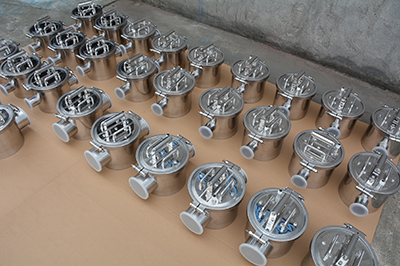
✅ Efficient iron removal - electromagnetic slurry iron remover and permanent magnetic slurry iron remover adopt high-strength permanent magnetic or electromagnetic iron removal technology, which can quickly absorb impurities such as iron filings and rust in the slurry.

✅ Flexible mobility - the movable slurry iron removal trolley is equipped with universal wheels or track design, which can be easily moved to different production links to meet the needs of multiple stations.

✅ Easy operation - one-button control, easy cleaning, reduced manual intervention, and improved production efficiency.

✅ Corrosion-resistant design - stainless steel or special coating is used, suitable for harsh environments such as humidity, acid and alkali.

✅ Low maintenance cost - low operating cost The slurry iron removal trolley has a simple structure, strong durability, and is economical and efficient for long-term use.
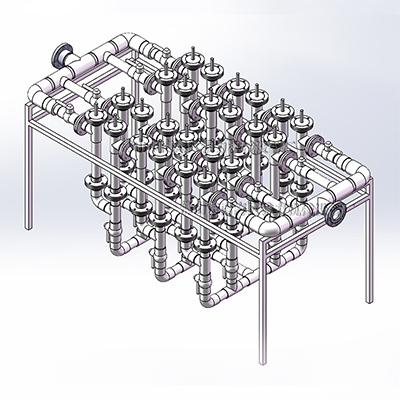
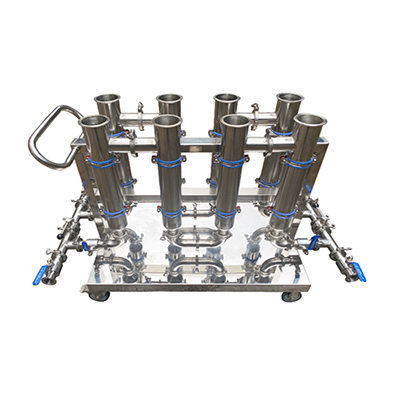
 

Slurry iron removal trolleySlurry iron removal trolley


Typical application environment of slurry iron removal trolley

1. Mining and mineral processing industry

During the process of ore crushing, grinding and flotation, iron filings produced by crusher wear or iron impurities in the original ore are often mixed into the slurry. These impurities not only affect the efficiency of mineral processing, but may also damage equipment such as pumps and pipelines.

📌 Solution: The slurry iron removal trolley can be installed at key positions such as the ball mill outlet and in front of the flotation tank to absorb iron impurities in real time, protect subsequent equipment and improve the purity of the concentrate.

2. Ceramics and building materials industry

Iron impurities in ceramic slurry and glaze will cause black spots and color differences in the product, seriously affecting the quality of the finished product. Traditional filtering methods are inefficient and difficult to completely remove fine iron particles.

📌 Solution: The iron removal trolley can be integrated next to the mixing tank and the conveying pipeline to dynamically absorb iron pollutants to ensure the purity of the slurry and improve the whiteness and finished product rate of the ceramic.

3. Chemical and environmental protection industry

In the production process of chemical slurry (such as titanium dioxide, calcium carbonate, etc.), iron pollution will affect the efficiency of chemical reactions and product performance. In addition, iron-containing sludge in sewage treatment also needs to be effectively separated.

📌 Solution: The slurry iron removal trolley in the chemical industry can be used at the feed end of the reactor or in the wastewater treatment link to reduce iron ion interference and optimize the production process.

4. Food and pharmaceutical industry

Some food additives and pharmaceutical raw materials have strict requirements on iron content in slurry, and exceeding the standard will affect product safety and stability.

📌 Solution: The iron removal trolley made of food-grade stainless steel meets hygiene standards and ensures that the raw materials are free of iron pollution.

5. New energy industry

The application of iron removal trolleys for lithium battery positive electrode slurry in the battery industry is mainly concentrated in the production process of lithium-ion batteries, especially in the slurry preparation and coating links

📌 Solution: After the preparation of the positive and negative electrode slurries, the slurry needs to be iron-removed to remove possible iron impurities. Before the slurry is transported to the coating machine, the battery slurry iron removal trolley is used to perform the final purification of the slurry. This step can effectively prevent iron impurities from contaminating the pole pieces during the coating process.


Why choose a slurry iron removal trolley?

🔹 Improve product quality - reduce defects caused by iron impurities and increase product qualification rate.

🔹 Protect production equipment - avoid iron filings from wearing key components such as pumps and valves, and extend equipment life.

🔹 Reduce labor costs - automatic iron removal, reduce the frequency of manual cleaning, and improve production efficiency.

🔹 Adapt to complex environments - dustproof, waterproof, and corrosion-resistant design, suitable for high humidity and high pH scenes.
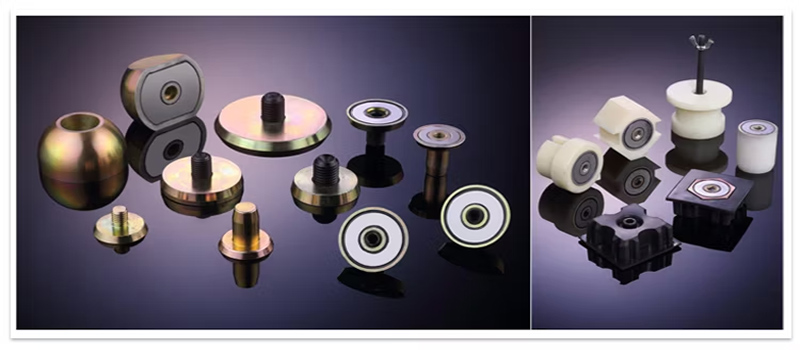
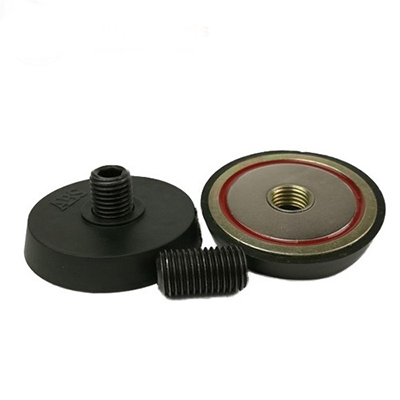


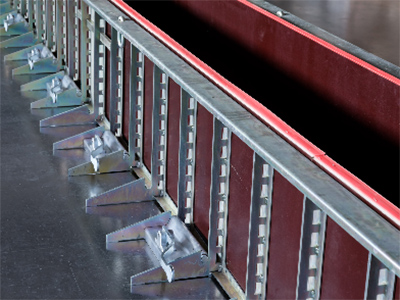
An embedded anchor plate magnet is a fixing device that embeds a high-strength permanent magnet into a metal or composite anchor plate. It uses magnetic force to achieve rapid adsorption and fixation, while ensuring long-term stability through the anchor plate, and is suitable for scenarios that require frequent disassembly or adjustment.

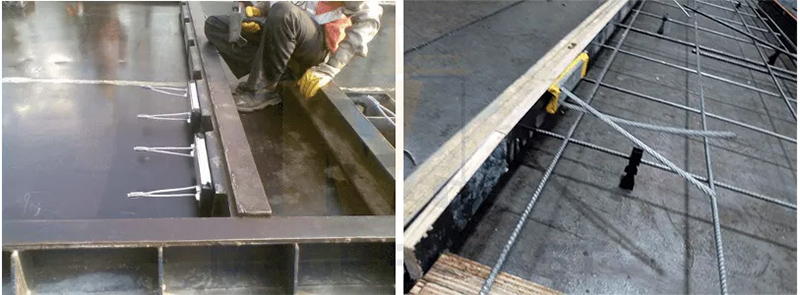
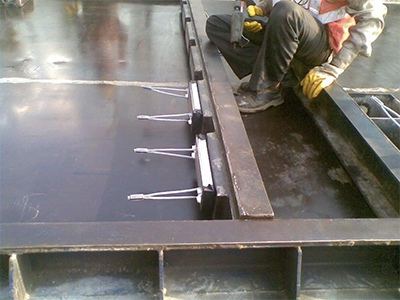
During the production of precast concrete components, some steel anchor plates need to be fixed in precast concrete walls. This magnetic product is specially developed and produced for fixing anchor plates.

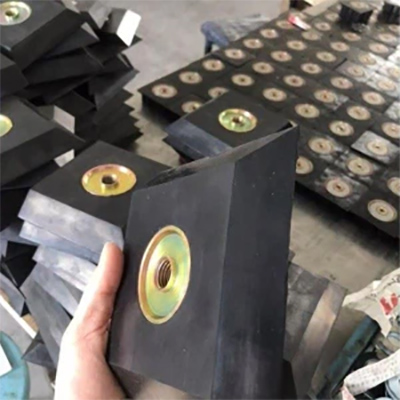
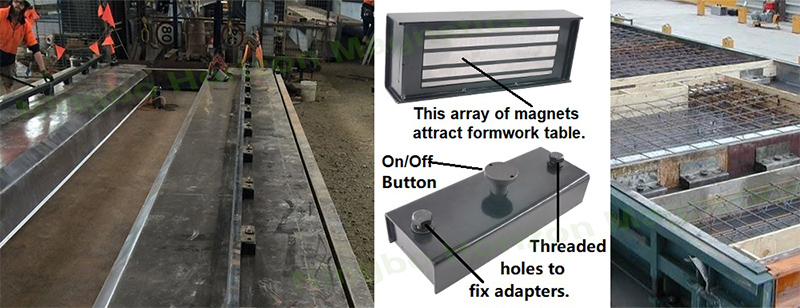
This embedded magnet for precast concrete plate anchoring consists of rubber, iron and magnets. The product is magnetized on both sides, one side is fixed to the designated position of the workbench, and the other side is fixed with an anchor plate. The high holding force of the magnet ensures that the iron plate will not slip and slide during the production of the component. The crushed stone component can be customized to any size to fit most sizes of anchor plates. This makes the production of components more precise and reduces the defective rate.


embedded anchor plate magnet


Core Features

✅ Super strong magnetic force - using high-performance neodymium magnets (NdFeB) to provide strong adsorption force to ensure a firm fixation.

✅ Durable structure - the anchor plate is made of stainless steel or galvanized steel, which is corrosion-resistant and wear-resistant and suitable for various harsh environments.

✅ Flexible installation - can be embedded, welded or bolted to adapt to different application scenarios.

✅ Quick disassembly - magnetic design, easy to adjust and maintain, improve work efficiency.

✅ Widely applicable - suitable for machinery manufacturing, construction, automation equipment, logistics warehousing and other fields.


Installation and use of magnets for precast concrete anchor plates

Positioning anchor plates: Place anchor plates at designated locations on precast concrete walls, usually at the edge of the wall or at locations where connections are required.

Placing magnets: Place embedded anchor plate magnets on the precast concrete platform below the anchor plate so that the magnetic surface of the magnet is in close contact with the anchor plate.

Securing anchor plates: Press the switch button of the magnet (if it is a switchable magnet) to activate the magnetism of the magnet so that the anchor plate is firmly fixed to the platform.

Checking the fixing effect: Gently pull the anchor plate to ensure that it is firmly fixed by the magnet and will not shift during the concrete pouring process


Application scenarios of embedded anchor plate magnets

1. Industrial machinery and automation

In automated production lines, equipment parts need to be frequently replaced or adjusted. Embedded anchor plate magnets can quickly fix sensors, fixtures or protective covers, reduce downtime and improve production efficiency.

2. Building and steel structure

In construction, temporary fixing of steel beams, formwork or scaffolding is a challenge. Traditional welding or bolting is time-consuming and labor-intensive, while precast concrete embedded anchor plate magnets can be quickly installed and removed, greatly improving construction efficiency.

3. Logistics and warehousing

In warehousing systems, shelves, conveyor belts or sorting equipment need to be flexibly adjusted. Embedded magnet anchor plates can easily fix and move equipment to adapt to different logistics needs.

4. Automobile manufacturing and maintenance

During automobile assembly or maintenance, some parts need to be temporarily fixed. Magnetic anchor plates provide a non-damaging, reusable solution that avoids scratches or deformation caused by traditional clamps.


embedded anchor plate magnetsembedded anchor plate magnets


Why choose embedded anchor plate magnets?

🔹 Save time - no complicated installation is required, magnetic suction is ready to use, improving work efficiency.

🔹 Reduce costs - reduce the use of welding, drilling or special clamps, and reduce maintenance costs.

🔹 Enhance flexibility - suitable for dynamic adjustment needs and adapt to changing working environments.

🔹 Safe and reliable - high-strength magnets and stable anchoring structure ensure long-term use without loosening.

How to choose door lock for you hotel?

The lobby, reception and guest rooms all set the tone for your guest experience. Surprisingly, so does the lock on the door. Does it add to the aesthetic of the hotel interior design, or does it stick out on the door? Does it work every time? Is it secure? Having to retrace steps back to the front desk to replace a nonworking keycard is guaranteed to affect your guest’s stay experience.

More and more hotel owners are offering their guests a better experience by replacing their old magnetic card locks with new RFID key card locks.

Using contactless RFID keycards allows guests to unlock the door and enter their rooms without inserting keycards into the lock. You can even keep your keycard in your pocket or wallet, and unlock your door when you are in the range of the reader on the door.

From a guest’s perspective, the main advantage of RFID systems is ease of use. In environments such as theme parks or resorts, guests are provided a RFID key, which not only serves to grant secured access to a room but also to gain entrance to theme parks and other restricted areas of the resort. In addition, the devices can serve as an electronic wallet providing guests with the ability to purchase food and other items throughout the property.

RFid card extensive function

In addition to the system, hotel door lock according to its shape is divided into integral and split, the integral shape more luxurious, and split hotel door lock more smart and simple, and because it is a two-piece modular design, in the replacement of different card reader is also more convenient. In the choice, according to the hotel style to choose the appropriate door lock.

luxurious hotel locks Split hotel locks

Since 1998,locstar provides a series of RFID key card locks around the world. Click www.locstar.com to provide more help for your choice of door locks.


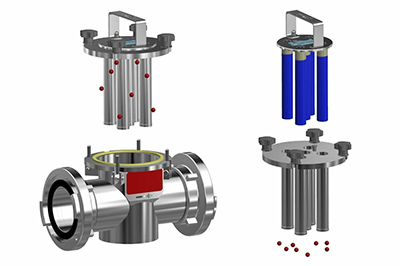
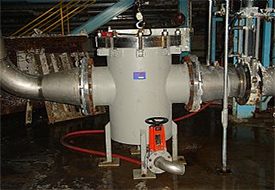
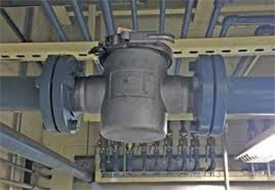
In the liquid handling industry, Magnetic Liquid Trap is a device used to remove ferromagnetic impurities from liquids and is widely used in the fields of chemical, food, and medicine. As an important component of the device, flanges play a vital role in the connection, sealing, and stable operation of the equipment.


Magnetic Liquid TrapMagnetic Liquid Trap


Function of Magnetic Liquid Trap Flange

The flange in Magnetic Liquid Trap is mainly used to connect the inlet and outlet pipes of the equipment, and ensure that the equipment can efficiently filter ferromagnetic impurities in the liquid during operation. Its specific functions include:

1. Connection function: connect the Magnetic Liquid Trap to the pipeline or other equipment to ensure smooth passage of liquid.

2. Sealing function: prevent liquid leakage and ensure that the equipment operates in a closed environment.

3. Support function: provide stable support for the equipment and reduce vibration and noise during operation.

4. Easy maintenance: The flange connection method is easy to disassemble and install, and convenient for cleaning and maintenance of the equipment.


Material selection for magnetic liquid trap flanges

The material of magnetic liquid trap flanges should be selected according to the properties of the liquid, the working environment and the hygiene requirements. Common materials include:

1. Stainless steel - corrosion-resistant, high-temperature-resistant, and good hygiene performance. Applicable scenarios: food, medicine, chemical industry and other industries with high requirements for hygiene and corrosion resistance.

2. Carbon steel - high strength and low cost. Applicable scenarios: ordinary industrial environments, such as filtration of non-corrosive liquids.

3. Plastic or composite materials - light weight, corrosion-resistant, but low strength. Applicable scenarios: light industry or highly corrosive environments.

4. Alloy steel - high strength and wear resistance. Applicable scenarios: filtration of high-load or high-temperature liquids.


Magnetic Liquid TrapMagnetic Liquid TrapMagnetic Liquid Trap


Magnetic Liquid Trap is widely used in industries that need to remove ferromagnetic impurities from liquids, such as:

- Food industry: remove metal impurities from liquids such as juice and milk to ensure food safety.

- Chemical industry: separate iron contaminants from chemicals to improve product purity.

- Pharmaceutical industry: remove metal particles from liquid medicine to ensure the quality of medicine.

- Lubricant treatment: remove metal debris from lubricants to extend the service life of equipment.


How to maintain the Magnetic Liquid Trap flange? Proper maintenance can extend the service life of the flange and ensure stable operation of the equipment. The following are maintenance suggestions:

1. Regular inspection - Check whether there are cracks, corrosion or wear on the flange surface, and replace it in time if any problems are found.

- Check whether the bolts are loose and ensure that the connection is tight.

2. Cleaning and maintenance - Regularly clean the dirt and impurities on the flange surface to prevent corrosion.

- For stainless steel flanges, special cleaning agents can be used to keep the surface smooth.

3. Anti-corrosion treatment - In corrosive environments, anti-rust oil or anti-corrosion coating can be applied to the flange surface.

- Regularly check the integrity of the anti-corrosion layer and repair it in time.

4. Lubrication maintenance - Regularly lubricate the bolts and sealing surfaces at the flange connection to prevent rust and wear.

5. Replace seals - Regularly check seals (such as gaskets) and replace them in time if they are aged or damaged to prevent leakage.


Although the flange in the Magnetic Liquid Trap is a small component, it plays an irreplaceable role in the operation of the equipment. Through scientific material selection and proper maintenance, the operating efficiency of the equipment can be significantly improved, the service life can be extended, and the maintenance cost can be reduced. Whether it is the food, chemical or pharmaceutical industry, choosing the right flange material and implementing effective maintenance measures can bring higher production benefits and better product quality to the company.

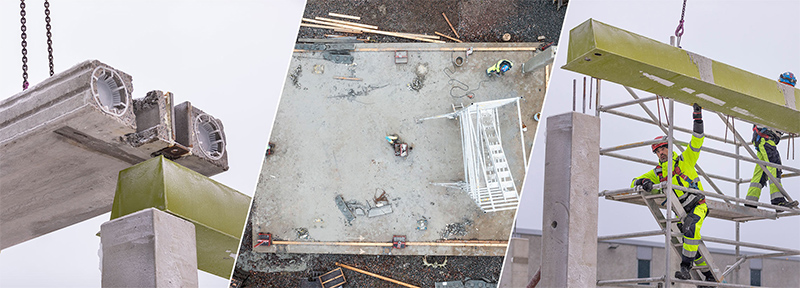
With the rapid development of building industrialization, precast concrete units are increasingly used in the construction industry. However, the connection problem of precast components has always been a key factor affecting construction efficiency and quality. The traditional connection method is not only time-consuming and labor-intensive, but also has safety hazards. How to achieve efficient and reliable connection has become a problem that the industry needs to solve urgently.

The Connection System For Precast Concrete Unit came into being, providing innovative solutions for prefabricated buildings!


Wire Rope Loop Boxes


What is the precast concrete unit connection system?

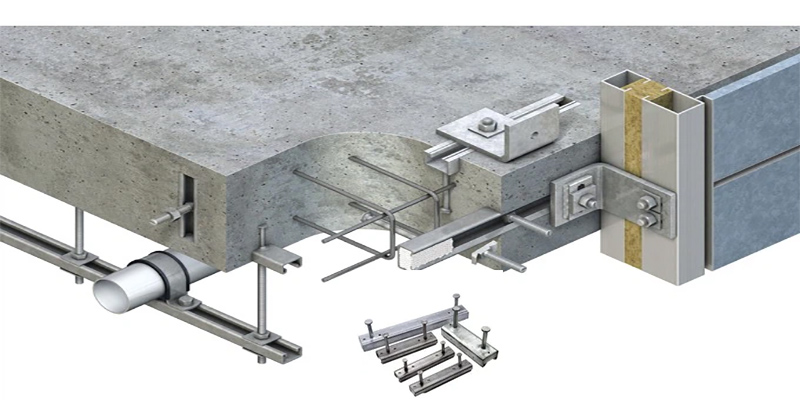
The precast concrete unit connection system is a standardized connection solution designed for precast components. It uses embedded connectors, bolts, welding or other mechanical methods to achieve fast and accurate connection between precast components. The system covers the connection needs of various components such as walls, floor slabs, beams and columns, and is widely used in residential, commercial buildings, industrial plants and other fields.


Core advantages of the connection system

1. Efficient construction: standardized design and modular installation greatly shorten the construction period and improve construction efficiency.

2. Safe and reliable: high-strength materials and precision manufacturing processes ensure the stability and safety of the connection points and reduce construction risks.

3. Precise docking: embedded connectors and positioning devices ensure the accuracy of component installation and avoid dislocation or deviation.

4. Reduce costs: reduce on-site construction personnel and equipment investment, reduce construction costs, and improve economic benefits.

5. Green and environmentally friendly: reduce on-site wet operations and construction waste, in line with the development trend of green buildings.


Main types of connection systems

1. Bolt connection system: The prefabricated wall panels are connected to the wire rope ring box through high-strength bolts to achieve rapid connection of components, which is suitable for walls, floors, etc.

2. Welding connection system: The components are fixed by welding at the construction site, which is suitable for connections that require high strength such as beams and columns.

3. Embedded connector system: The connectors are embedded in the factory and the connection is completed on site by plugging or locking. It is suitable for a variety of prefabricated components.

4. Hybrid connection system: It combines bolts, welding and embedded connectors to meet the connection needs of complex structures.


Why choose the precast concrete unit connection system?

1. Improve construction efficiency:

- The wire rope ring box with quick release tape in the system has a standardized design and a quick installation method, which greatly shortens the construction period.

2. Ensure project quality:

- The high strength and galvanized anti-corrosion properties of the wire rope in the high-strength galvanized wire rope ring box ensure the stability and safety of the connection point.

3. Reduce construction costs:

The galvanized wire rope ring box has good anti-corrosion performance and can extend the service life of the connection system as a whole. Reduce on-site construction personnel and equipment investment, and reduce overall costs.


The precast concrete unit connection system is becoming the core technology in the field of prefabricated buildings due to its high efficiency, safety and precision. Whether it is a residential, commercial building or industrial plant, the connection system can provide you with a reliable solution to help the project be completed efficiently.


Precast components


The construction industry is undergoing a quiet revolution. Precast components  technology has gradually become the new favorite of the construction industry with its advantages of high efficiency, environmental protection, and controllable quality. So, what are the advantages of prefabricated components compared to traditional buildings?


1. Efficiency and speed:

Factory production, doubled efficiency: Prefabricated components are standardized in the factory, not affected by weather, can be operated around the clock, and greatly improve production efficiency.

On-site assembly, fast construction: After the prefabricated components are transported to the site, they only need to be assembled, which greatly shortens the construction period and saves 30%-50% of time compared to traditional buildings.

2. Quality and safety:

Factory environment, controllable quality: Prefabricated components are standardized in the factory, using advanced equipment and technology, and the quality is more stable and reliable.

Reduced on-site operations, low safety hazards: Prefabricated components reduce on-site wet operations and high-altitude operations, reduce construction safety hazards, and ensure the life safety of construction workers.

3. Environmental protection and sustainability:

Reduced construction waste, green environmental protection: The waste generated during the production of prefabricated components can be recycled, reducing the generation of construction waste and being more environmentally friendly.

Save materials and reduce energy consumption: Prefabricated components adopt standardized design, which can effectively reduce material waste and reduce building energy consumption, in line with the concept of sustainable development.

4. Cost and benefit:

Scaled production, lower costs: Prefabricated components are produced on a large scale, which can effectively reduce production costs.

Shorten construction period, improve efficiency: Prefabricated components have a short construction period and can be put into use in advance, improving the return on investment.

5. Design and flexibility:

Modular design, flexible and changeable: Prefabricated components adopt modular design, which can be combined according to different needs to meet diverse building needs.

Personalized customization, highlighting characteristics: Prefabricated components can be customized according to customer needs to create a unique architectural style.


Precast componentsPrecast components


Of course, there are some challenges with prefabrication:

High initial investment cost: Prefabrication plant construction and equipment investment require a large initial investment.

High transportation cost: Prefabrication is large in size and the transportation cost is relatively high.

Limited design flexibility: Prefabrication adopts standardized design, which may be subject to certain limitations in design flexibility.


Prefabricated components and traditional buildings have their own advantages and disadvantages, but in the long run, prefabricated components will become an inevitable trend in the development of the construction industry due to their advantages such as high efficiency, environmental protection, and controllable quality. I believe that in the near future, prefabricated component technology will bring us a safer, more comfortable and sustainable building environment.

What is the metal roofing?

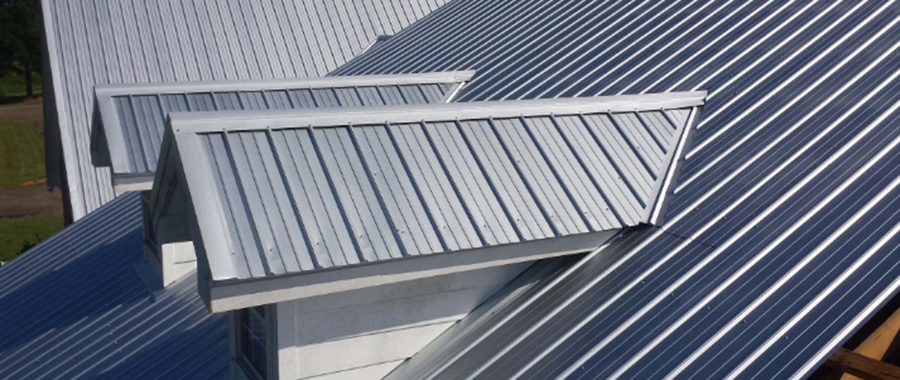
metal roofing

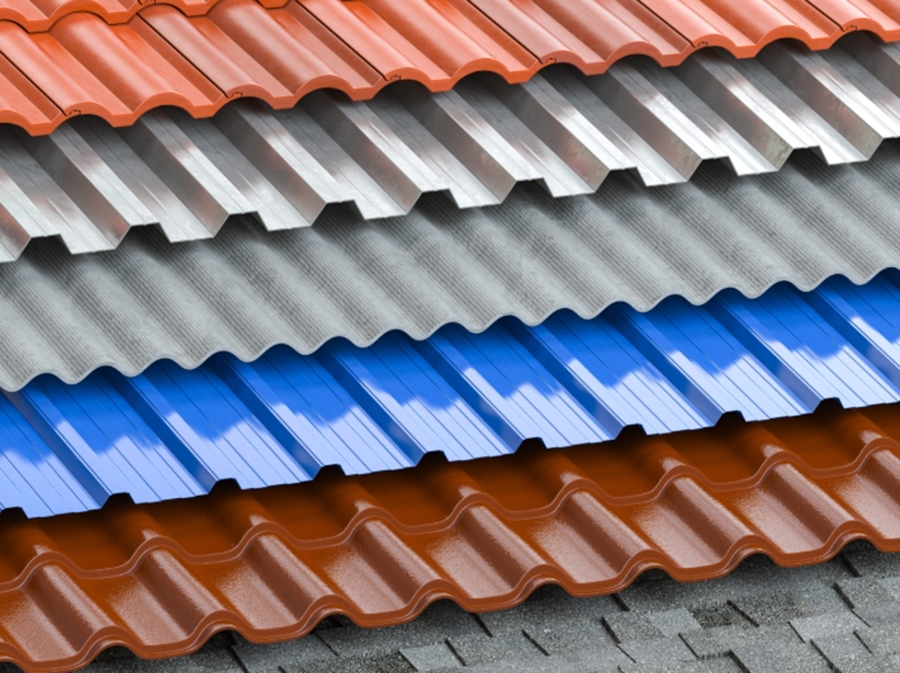
Metal roofing is a durable and versatile roofing option made from metal roof panels, this metal roofing systems designed to protect buildings from weather elements. It is commonly constructed from materials such as steel, aluminum, copper, or zinc, offering a combination of strength, longevity, and aesthetic appeal. Metal roofs are known for their exceptional resistance to extreme weather conditions, including heavy rain, snow, hail, and high winds, making them a popular choice for both residential and commercial properties.

History of metal roofing

Metal roofing has a rich history dating back centuries. The metal roofs are initially used in ancient temples and monuments, copper and lead were among the earliest materials. By the 18th century, metal roofs gained popularity in Europe for their durability and fire resistance. The industrial revolution expanded their use, with corrugated metal becoming a staple for factories and barns. In the 20th century, advancements in materials like steel and aluminum, along with coatings for corrosion resistance, made metal roofing panels more versatile. Today,the metal roofing system is a top choice for both industrial and residential buildings, valued for its longevity, energy efficiency, and modern aesthetic appeal.

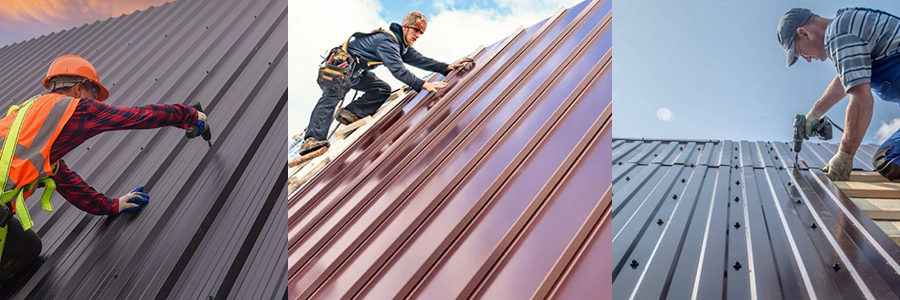
metal roofing installation

Types of metal roofing

Metal roofing comes in various types, each offering unique benefits.Each type caters to different needs, making metal roofing a versatile choice for any property.

metal roofing types

Type

Feature

Standing seam

Standing seam raised interlocking panels, ideal for modern designs and harsh weather.

Corrugated metal

Corrugated metal panels are is lightweight, durable, and cost-effective, often used in industrial settings.

Metal shingles or tiles

Metal panels mimic traditional roofing styles like slate or wood, combining aesthetics with durability.

Copper roofing

Copper roofs ard premium, long-lasting, and develops a distinctive patina over time.

Aluminum roofing

Aluminum roofs ard lightweight, rust-resistant, and perfect for coastal areas.

Steel roofing

Steel roofs are often galvanized or coated, is strong and affordable.

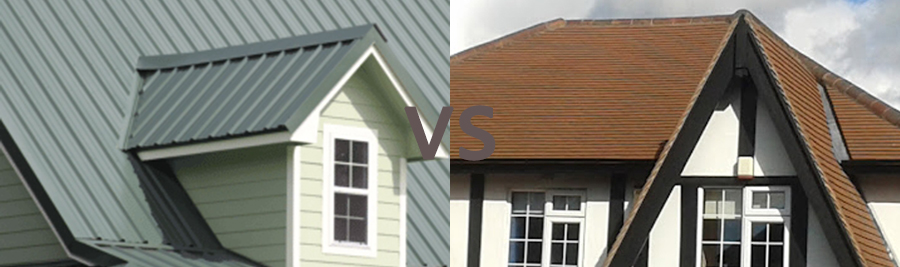
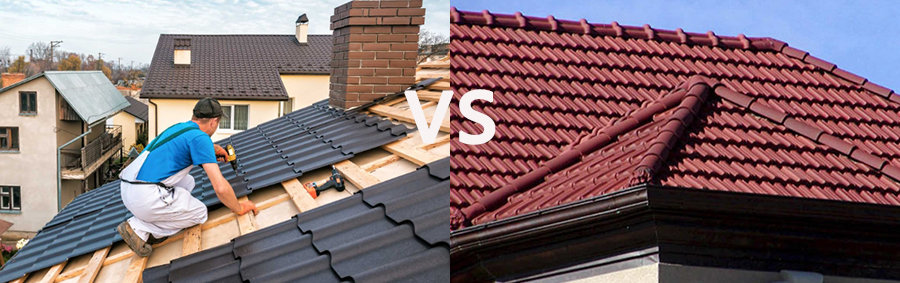
Metal Roofing VS Traditional Roofing

Advantages of metal roofing material

Metal roofing offers numerous advantages, making it a top choice for homeowners and businesses.

Durability

Metal roofs can withstand extreme weather conditions, including heavy rain, snow, hail, and high winds, often lasting 40 to 70 years or more.

Longevity

Metal roof panels outlast traditional roofing materials like asphalt shingles with minimal maintenance, providing a long-term solution.

Energy Efficiency

Metal roofings reflect solar heat, reducing cooling costs in warmer months and improving overall energy efficiency.

Sustainability

Most metal roofing materials are recyclable at the end of their lifespan, making them an eco-friendly option.

Fire Resistance

Metal roofs are non-combustible, offering superior fire protection compared to other materials.

Low Maintenance

Metal roofs require little upkeep, saving time and money on repairs and maintenance.

Aesthetic Appeal

Metal roofing is available in a variety of styles, colors, and finishes, making it capable of complementing any architectural design, from traditional to modern.

Increased Property Value

Metal roofs can enhance the overall value of a property due to their durability, energy efficiency, and aesthetic appeal.


Metal Roofing vs Shingles

Metal Roofing vs Tile Roofing


Disaster-resistant of metal roofing

Metal roofs provide protection against nearly anything Mother Nature has to offer.

Metal roofs provide the highest rating for hail impact, ensuring superior protection against damaging hailstorms.

Metal roofs can withstand hurricane-force winds, offering exceptional resistance to extreme weather conditions.

Metal roofs achieve the highest rating for fire protection, making them a safe and reliable choice for preventing fire hazards.


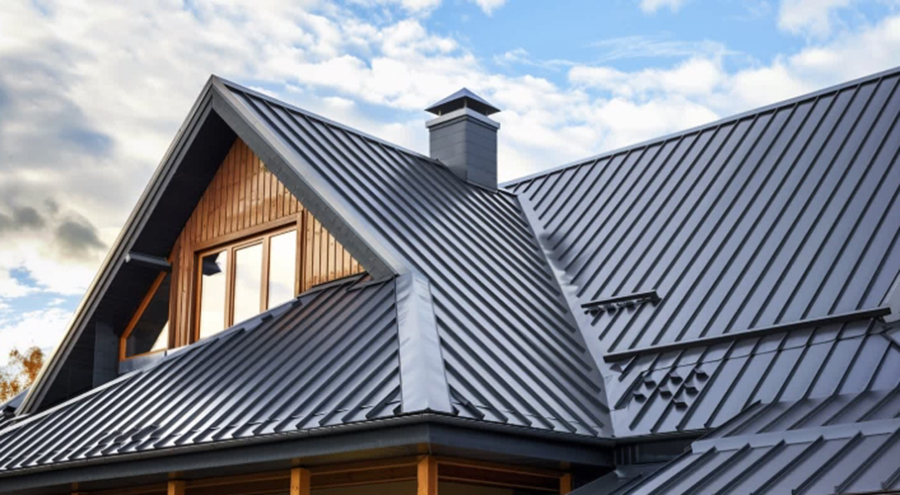
Metal roofing

Metal roofing clearly stands as the future of home construction. Its durability far exceeds that of traditional options, withstanding harsh weather for decades. Energy - efficiency features lower utility bills, and its lightweight nature eases installation and reduces structural stress. Environmentally friendly, it's recyclable and requires less maintenance. With cost - effectiveness in the long run, metal roofing combines practicality and innovation, making it an ideal choice for modern homeowners seeking lasting value and performance.

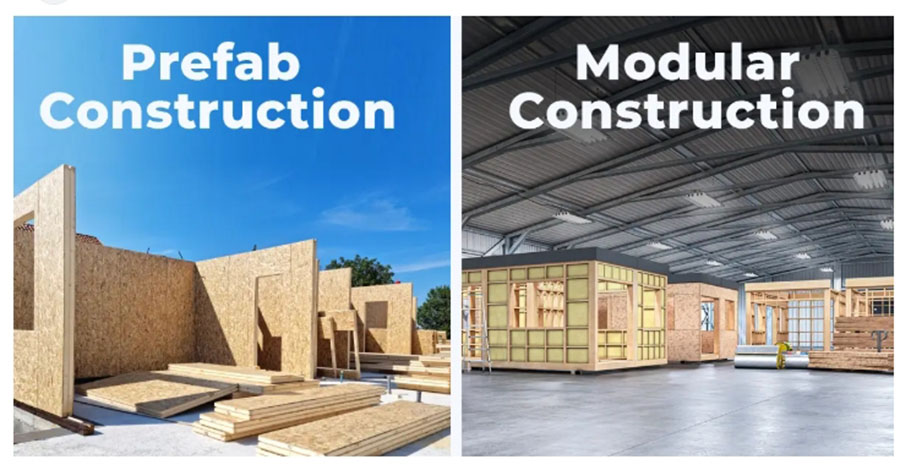
Prefab Construction 

Prefab Construction

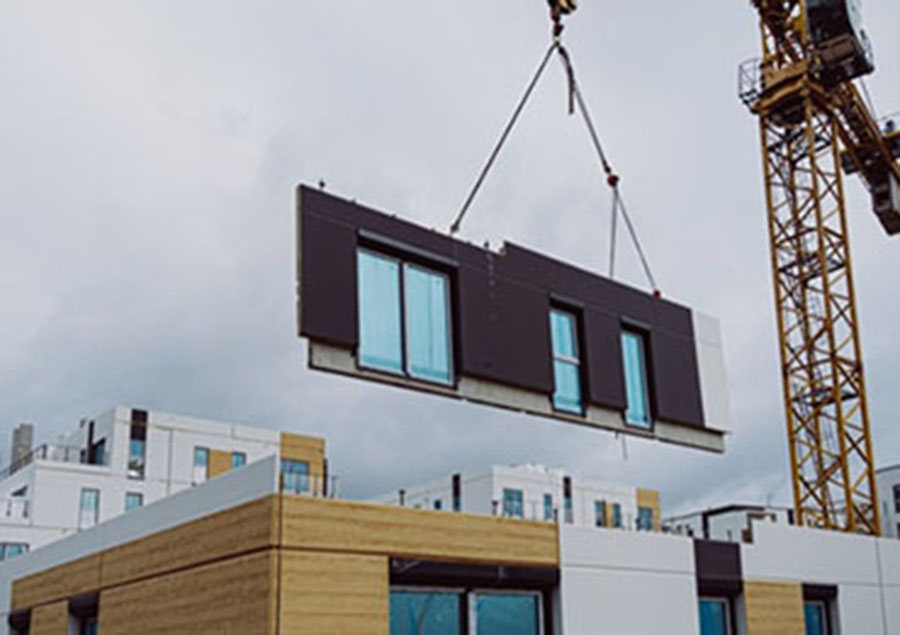
Prefab Construction is short of prefabricated construction,a building method that is becoming increasingly common in many regions of North America. Prefabricated construction refers to the manufacturing of buildings or parts of buildings in advance, which can be easily transported and assembled. This style of construction takes place in a factory environment, and it can eliminate many of the inconveniences of on-site construction, such as weather delays and safety hazards.

Although prefabricated construction is gaining more and more popularity, it is not a new method. The current common perception is that prefabricated construction is not just a passing trend. The benefits of prefabrication are starting to draw attention because the factory environment is more efficient and safer than on-site construction.


Modular Construction 

Modular Construction

Modular construction is an innovative building method that involves constructing building components, or modules, in a factory-controlled environment and then assembling them on-site. These modules are prefabricated with high precision and quality standards. They can include various parts like rooms, floors, or entire sections of a building.

The process offers several advantages. It significantly reduces construction time as multiple modules can be built simultaneously and assembled quickly. It also enhances quality control since the factory setting allows for more consistent production. Moreover, it minimizes on-site disruption and waste, making it more environmentally friendly. Modular construction is used in a wide range of projects, from residential homes to commercial buildings and even large-scale infrastructure.

Prefab Construction vs Modular Construction 


Similarities and Differences between Prefab and Modular Construction

The terms prefab and modular are sometimes used interchangeably but they are not the same. Modular construction is just one type of prefabricated construction.

Similarities


Both do not carry out the entire construction process on the construction site, and both have the link of prefabrication in the factory.

Differences


Prefab Construction process 

Prefabricated construction  refers to any construction process that does not take place on the construction site. The concept is relatively broad, emphasizing the characteristic of non-site construction.

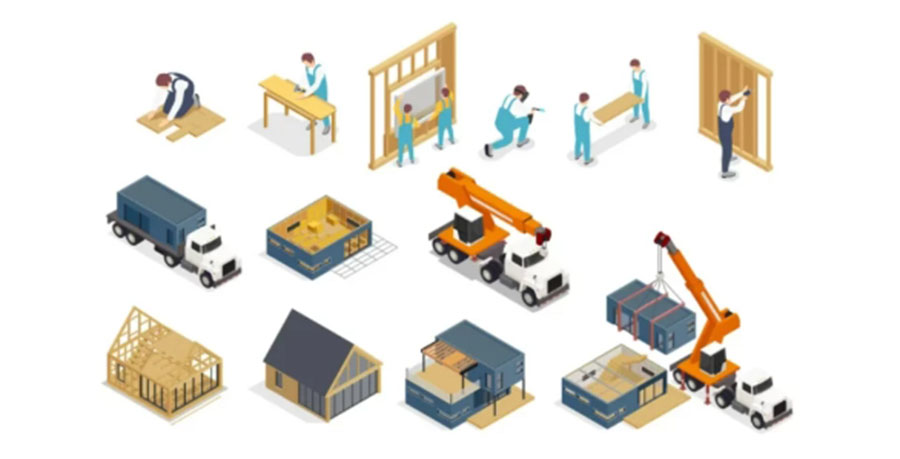
Prefab construction, which builds things in a factory rather than on-site, is utilized in multiple construction sectors. Modular construction, a type of prefab, uses modules assembled on site to form structures. Panelized construction involves creating flat panels in a factory and installing them on site, commonly used for home building as it allows more customization than modular construction and is faster and more efficient than standard on-site home building. All prefabricated construction techniques can work with materials like timber, steel, and concrete.


Modular Construction process 

Modular construction is a type of prefabricated construction. Specifically, it means building repeated parts called modules in the factory and then assembling them on site. These modules serve as functional spaces such as rooms in the building, and they are usually very similar because they go through the same factory process.

Modular construction requires careful planning as making changes and customizations becomes difficult once the process starts. Limited customization is due to the factory-based repetitive process for building modules, which makes it highly efficient for buildings with numerous identical rooms such as schools and hospitals. Common applications of modular construction include healthcare buildings, educational institutions, offices and shelters for industrial, forestry and oil workers, residential construction, and variations of prefab construction.


In conclusion, while prefabricated construction isn't a one - size - fits - all solution for every project, its growing significance in various construction sectors such as healthcare, education, and residential is undeniable. The numerous advantages it offers, including cost - effectiveness, shorter construction timelines, and enhanced safety, make it a highly attractive option. Given its potential to become the dominant construction approach in the coming years, industry professionals are well - advised to embrace this emerging trend early. By doing so, they can gain a competitive edge, maximize the benefits of prefabrication, and contribute to the evolution of the construction industry towards a more efficient and sustainable future.

In the field of modern construction and engineering, prefabricated components are increasingly used. Prefabricated components can not only improve construction efficiency, but also ensure project quality. However, prefabricated components often face corrosion problems during use, especially in harsh environmental conditions. In order to solve this problem, galvanizing is widely used in the anti-corrosion treatment of prefabricated components.

galvanizing


What is galvanizing?

Galvanizing is a process that prevents corrosion by covering the metal surface with a layer of zinc. Zinc, as an active metal, can undergo oxidation reaction before iron or steel, thereby protecting the substrate from corrosion. There are two main types of galvanizing processes: hot-dip galvanizing and electro-galvanizing.


1. Hot-dip galvanizing: The prefabricated component is immersed in molten zinc liquid to form a layer of zinc-iron alloy and pure zinc on its surface. This process is suitable for large components and can provide a thicker zinc layer with excellent anti-corrosion properties.


2. Electro-galvanizing: A layer of zinc is deposited on the surface of the prefabricated component through electrolysis. This process is suitable for small components or occasions where a thinner zinc layer is required, and has a better surface finish.


Engineering steps for galvanizing prefabricated components

1. Surface treatment: This is the most critical step in the galvanizing process. The prefabricated components need to be thoroughly cleaned before galvanizing to remove oil, rust and other impurities. Common surface treatment methods include sandblasting, pickling, etc.


2. Coating treatment: After surface cleaning, the prefabricated components need to be treated with coating agents. Coating agents are usually a mixed solution of ammonium chloride and zinc chloride, which can prevent the components from oxidizing before being immersed in the zinc liquid.


3. Hot-dip galvanizing: The prefabricated components that have been surface treated and coated with coating agents are immersed in molten zinc liquid for a certain period of time to allow the zinc liquid to fully react with the substrate to form a zinc-iron alloy layer and a pure zinc layer.


4. Cooling: After galvanizing, the prefabricated components need to be removed from the zinc liquid and cooled. The cooling method can be natural cooling or water cooling, depending on the process requirements.


5. Post-processing: After cooling, the prefabricated components may need some post-processing, such as removing excess zinc slag, trimming the surface, etc., to ensure the appearance and quality of the components.


galvanizinggalvanizing


The significant role of galvanizing on prefabricated components

1. Anti-corrosion protection: The galvanized layer can effectively isolate the contact between the prefabricated components and the external environment, preventing the corrosion of the substrate by oxygen and moisture. When the zinc layer is damaged, it can continue to protect the substrate through sacrificial anodes, extending the service life of the components.


2. Improve durability: The galvanized layer has excellent wear resistance and impact resistance, can effectively resist external physical damage, and improve the durability of prefabricated components.


3. Reduce maintenance costs: Due to the long-term anti-corrosion effect of the galvanized layer, prefabricated components do not need frequent anti-corrosion maintenance during use, which greatly reduces maintenance costs.


4. Aesthetics: The galvanized layer has a silvery-white luster, which can improve the appearance quality of prefabricated components and is suitable for occasions with high aesthetic requirements.


5. Environmental protection: The zinc used in the galvanizing process is a recyclable material that meets environmental protection requirements. In addition, the galvanized layer does not release harmful substances during use and is environmentally friendly.

In the modern construction industry, precast concrete has gradually become the preferred material for many construction projects due to its high efficiency, environmental protection and high quality. However, although precast concrete has high strength and durability when it leaves the factory, proper maintenance is still the key to ensure its long-term performance.


precast concrete


What is precast concrete?

Precast concrete refers to concrete components that are prefabricated in factories or prefabrication yards, such as wall panels, beams, columns, stairs, etc. These components are produced in factories with strict quality control and then transported to the construction site for assembly. Compared with traditional cast-in-place concrete, precast concrete has the following advantages:

1. Quality control: The factory production environment ensures that the concrete proportioning, pouring and curing process are more precise, reducing the uncertainty in on-site construction.

2. Construction efficiency: Precast components can be quickly installed on the construction site, greatly shortening the construction period.

3. Environmental protection: Precast concrete reduces waste and pollution in on-site construction and meets the requirements of green buildings.

4. Design flexibility: Precast concrete can produce components of various shapes and sizes according to design requirements to meet diverse construction needs.


Maintenance methods for precast concrete

Although precast concrete has undergone strict curing and quality control when it leaves the factory, it still needs proper maintenance during its use to ensure its long-term performance and durability. The following are several key steps for precast concrete maintenance:

1. Regular inspection

Regular inspection is the basis for maintaining precast concrete structures. Inspection contents include:

- Surface cracks: Cracks are one of the most common problems in concrete structures. Although small cracks may not immediately affect structural safety, if not treated in time, moisture and chemicals may penetrate into the cracks, causing steel corrosion and concrete spalling.

- Steel corrosion: Steel corrosion is one of the main causes of aging of concrete structures. Through regular inspections, steel corrosion problems can be discovered and dealt with in time to prevent structural strength from decreasing.

- Surface wear: Precast concrete components may be subject to wear during use, especially in high-traffic areas. Regular inspections can detect wear problems in time and take repair measures.


2. Cleaning and surface treatment

Surface cleaning of precast concrete is an important part of maintenance work. The accumulation of dust, dirt and chemicals not only affects the beauty of the building, but may also cause corrosion to the concrete surface. Regular cleaning can use high-pressure water guns or appropriate detergents to ensure that the concrete surface remains clean. In addition, surface treatment such as the application of sealants can effectively prevent the penetration of moisture and chemicals and extend the service life of concrete.


3. Crack repair

Cracks are an inevitable problem in concrete structures, but timely repair can prevent them from further expansion. For small cracks, materials such as epoxy resin or polyurethane can be used to fill them. For larger cracks, more complex repair techniques may be required, such as injecting grouting materials or performing local reinforcement.


4. Waterproofing

Moisture is one of the biggest enemies of concrete structures. Precast concrete components exposed to humid environments for a long time are prone to freeze-thaw damage, steel bar corrosion and other problems. Therefore, waterproofing is an important part of maintenance work that cannot be ignored. Water penetration can be effectively prevented by applying waterproof coatings and installing waterproof membranes.


5. Anti-corrosion protection

In some special environments, such as coastal areas or near chemical plants, precast concrete structures may be corroded by salt spray, chemicals, etc. In this case, corrosion protection is particularly important. The corrosion resistance of the structure can be enhanced by applying anti-corrosion coatings or using corrosion-resistant concrete additives.


The significant impact of maintaining precast concrete

Proper maintenance can not only extend the service life of precast concrete structures, but also bring significant impacts in the following aspects:


1. Improve structural safety

The safety of precast concrete structures is directly related to the overall stability of the building. Through regular maintenance, potential structural problems can be discovered and repaired in time, structural failures caused by cracks, rust and other problems can be prevented, and the safe use of the building can be ensured.


2. Reduce maintenance costs

Although maintenance work requires a certain amount of investment, the cost of regular maintenance is much lower than large-scale repairs or reconstruction after structural damage. Through preventive maintenance, future maintenance costs can be effectively reduced and the long-term operating costs of buildings can be reduced.


3. Extend the life of the building

The design life of precast concrete structures is usually more than 50 years, but without proper maintenance, their actual service life may be greatly shortened. Through regular maintenance, it can be ensured that precast concrete structures maintain good performance for decades and extend the overall life of the building.


4. Maintain the beauty of the building

The appearance of precast concrete structures is also an important part of the value of the building. Through regular cleaning and surface treatment, the concrete surface can be kept smooth and beautiful, enhancing the overall image of the building.


5. Environmental benefits

Precast concrete itself is an environmentally friendly building material. By extending its service life through maintenance, it can reduce the generation of construction waste, reduce resource consumption, and further reduce the impact on the environment.

keyboard_arrow_up