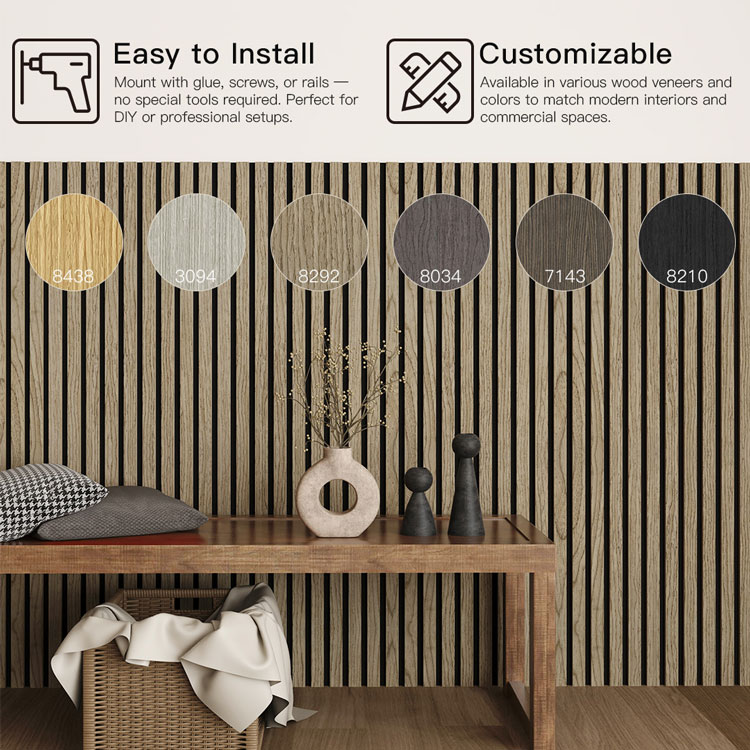
In today’s real estate market, property value is no longer determined by location and size alone. Buyers, tenants, and investors are increasingly focused on comfort, functionality, and overall living experience. One often overlooked factor that significantly impacts these aspects is acoustic quality.

So, the question is:
Can acoustic panels increase property value?

The answer is yes—when properly selected and professionally installed, acoustic panels can enhance both the perceived and actual value of a property. In this article, we’ll explore how and why.
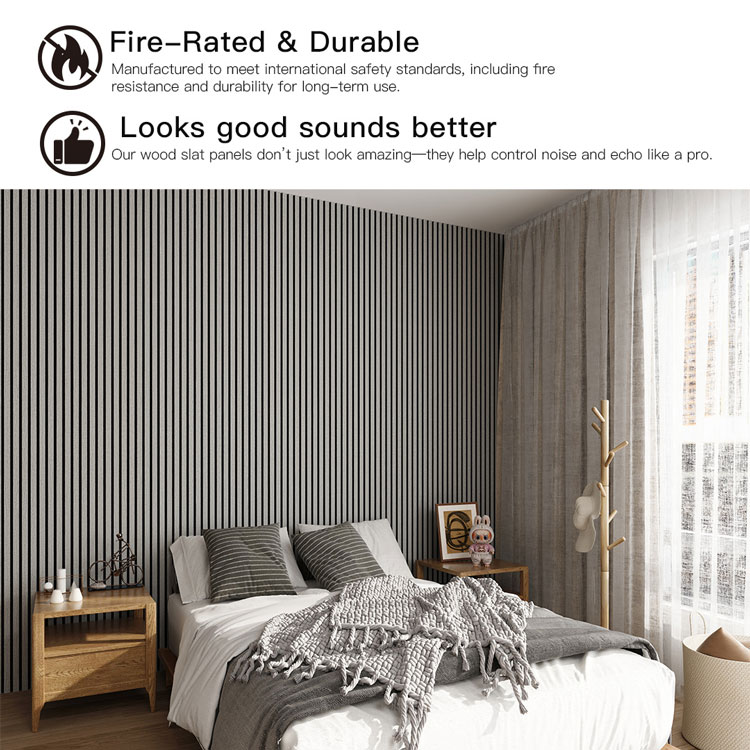
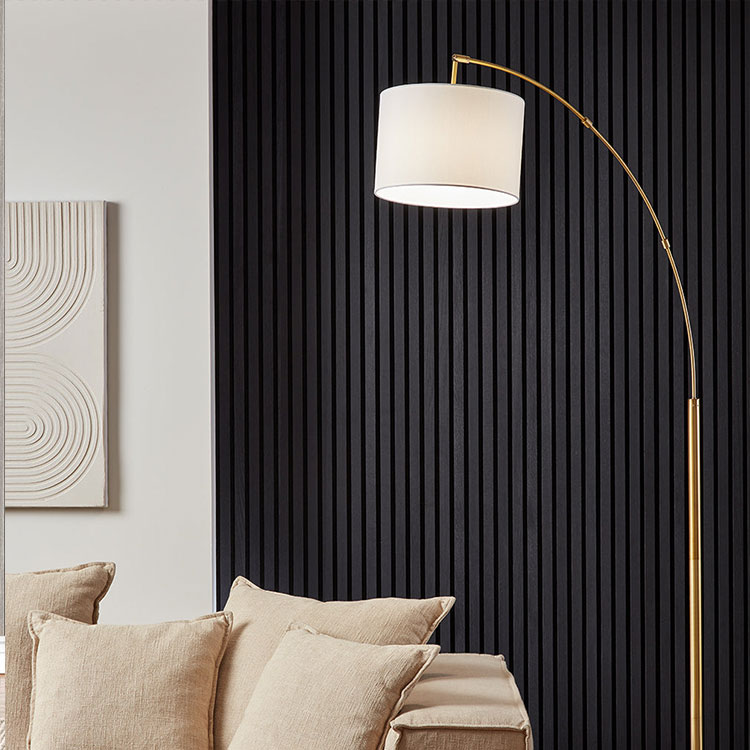
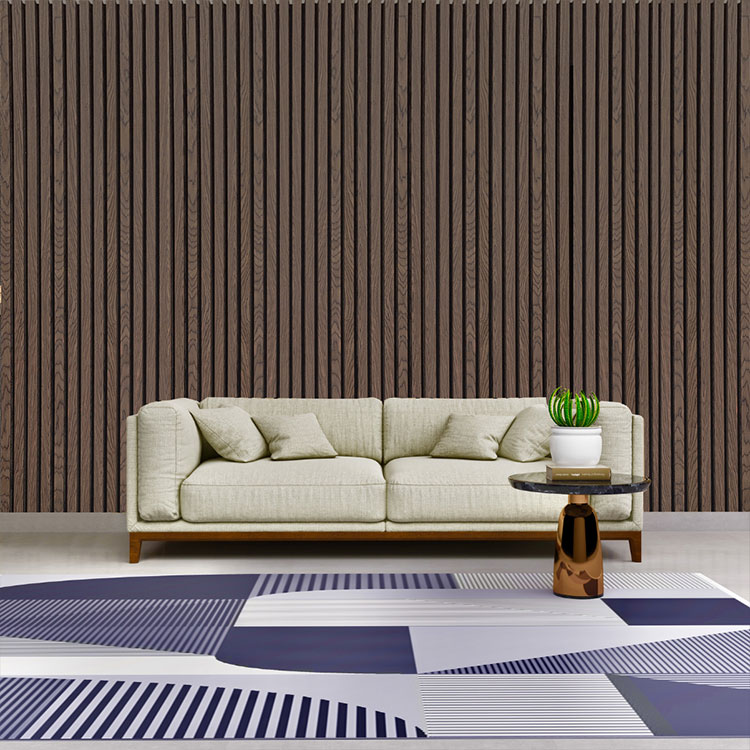
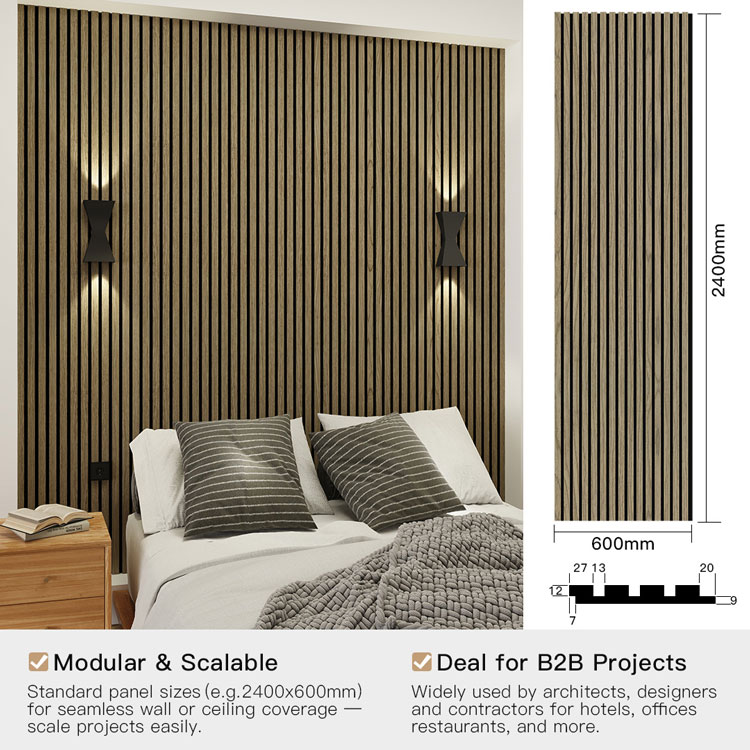
High-Quality Acoustic Wood Slat Panels


Why Acoustics Matter in Property Value

Noise is one of the most common complaints in both residential and commercial spaces. Poor acoustics can lead to:

  • Echo and reverberation
  • Noise transfer between rooms
  • Reduced privacy
  • Lower comfort levels

These issues can negatively affect how a space is perceived, making it feel less premium—even if the design looks impressive.

By improving sound quality, acoustic panels help create a more comfortable and high-end environment, which directly contributes to property value.


1. Enhancing Buyer and Tenant Experience

First impressions matter in real estate. When potential buyers or tenants walk into a space, they subconsciously evaluate:

  • How it looks
  • How it feels
  • How it sounds

Acoustic panels reduce unwanted noise and create a calm, quiet atmosphere, making the space more appealing.

This improved sensory experience can:

  • Increase buyer interest
  • Reduce hesitation
  • Shorten sales cycles
  • Justify higher pricing

2. Improving Interior Aesthetics

Modern acoustic panels are no longer purely functional—they are also design elements.

Especially with wood slat acoustic panels, properties benefit from:

  • Elegant, modern wall finishes
  • Natural textures and tones
  • Architectural depth

These panels can transform plain walls into feature elements, enhancing the overall interior design.

A visually upgraded interior often leads to higher perceived value.


3. Increasing Functionality of Spaces

Acoustic panels make spaces more usable by improving sound conditions.

For example:

  • Living rooms become more comfortable for relaxation
  • Home theaters deliver better audio experiences
  • Offices improve productivity and communication
  • Conference rooms offer clearer discussions

In commercial properties, better functionality can translate into:

  • Higher rental income
  • Increased occupancy rates
  • Improved customer satisfaction

4. Adding Value to Commercial Properties

In commercial real estate, acoustics play a crucial role in business performance.

Acoustic panels are widely used in:

  • Offices
  • Restaurants
  • Hotels
  • Retail stores

They help create environments that are:

  • Comfortable for customers
  • Efficient for employees
  • Aligned with brand image

This can directly impact business success, making the property more valuable to investors and tenants.


5. Supporting Premium and Luxury Positioning

High-end properties are expected to offer more than just visual appeal—they must deliver a complete sensory experience.

Acoustic panels contribute to:

  • Quiet, private environments
  • Sophisticated interior design
  • Enhanced comfort

Wood slat acoustic panels, in particular, are often associated with luxury interiors, helping properties stand out in competitive markets.


6. Reducing Noise Complaints and Maintenance Issues

Noise complaints can lead to:

  • Tenant dissatisfaction
  • Frequent turnover
  • Management challenges

By improving sound insulation and absorption, acoustic panels help reduce these issues, resulting in:

  • More stable occupancy
  • Lower maintenance costs
  • Better long-term property performance

7. Long-Term Investment Benefits

Installing high-quality acoustic panels is not just a design upgrade—it’s a long-term investment.

Benefits include:

  • Durable materials with long lifespan
  • Consistent acoustic performance
  • Minimal maintenance requirements

Compared to temporary solutions, professional acoustic panels offer better return on investment over time.


Why Wood Slat Acoustic Panels Are the Best Choice

Among all acoustic solutions, wood slat acoustic panels stand out for their ability to combine:

  • Sound absorption
  • Modern aesthetics
  • Structural durability
  • Versatile applications

They are widely used in:

  • Residential interiors
  • Office spaces
  • Hospitality projects
  • Commercial developments

Their dual function as both decorative and acoustic elements makes them especially valuable in property enhancement.


Guangdong Leeyin Acoustics: Elevating Property Value Through Quality

At Guangdong Leeyin Acoustics, we specialize in manufacturing premium wood slat wall panels and acoustic panels that enhance both sound performance and interior design.

As a leading exporter in China’s wood slat acoustic panel industry, we provide solutions that help clients increase property value through superior materials and craftsmanship.

Our Strengths

  • 20,000㎡ modern production facility
  • Advanced automated manufacturing equipment
  • Strict quality control aligned with international standards
  • Strong capacity for large-scale projects
  • Extensive global export experience

We work with developers, designers, and contractors to deliver acoustic panel systems that combine:

  • High performance
  • Elegant design
  • Long-term durability


Our products are trusted in projects worldwide, from residential developments to commercial and hospitality spaces.
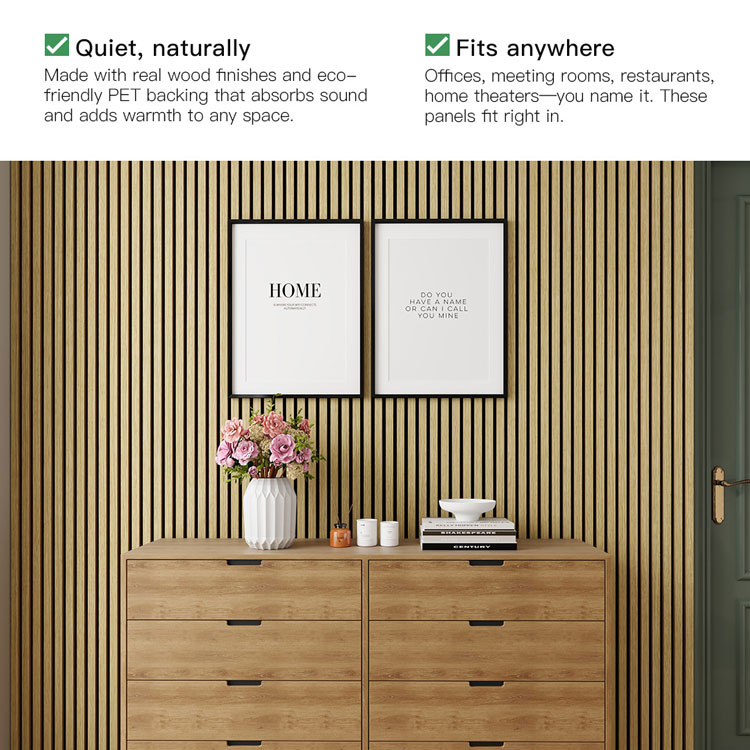
With the growing popularity of acoustic panels and wood slat wall panels, many homeowners, designers, and commercial project managers are incorporating them into living rooms, offices, meeting spaces, and entertainment areas. These panels improve sound quality while adding a modern architectural aesthetic.

However, a common question arises during installation:

Can you mount a TV on an acoustic panel wall?

The good news is yes—you can mount a TV on an acoustic panel wall, but the installation method must be done correctly to ensure safety, stability, and optimal performance. In this guide, we’ll explain how acoustic panels work, the best mounting methods, and practical tips for achieving a professional result.

Hot Selling Acoustic Wood Slat Panels


Understanding Acoustic Panel Walls

Acoustic panel walls are designed to reduce sound reflections, echoes, and background noise within a room. They are commonly used in:

  • living rooms

  • home theaters

  • offices

  • conference rooms

  • hotels

  • restaurants

  • recording studios

One of the most popular options today is the wood slat acoustic panel, which combines decorative wooden slats with sound-absorbing backing materials.

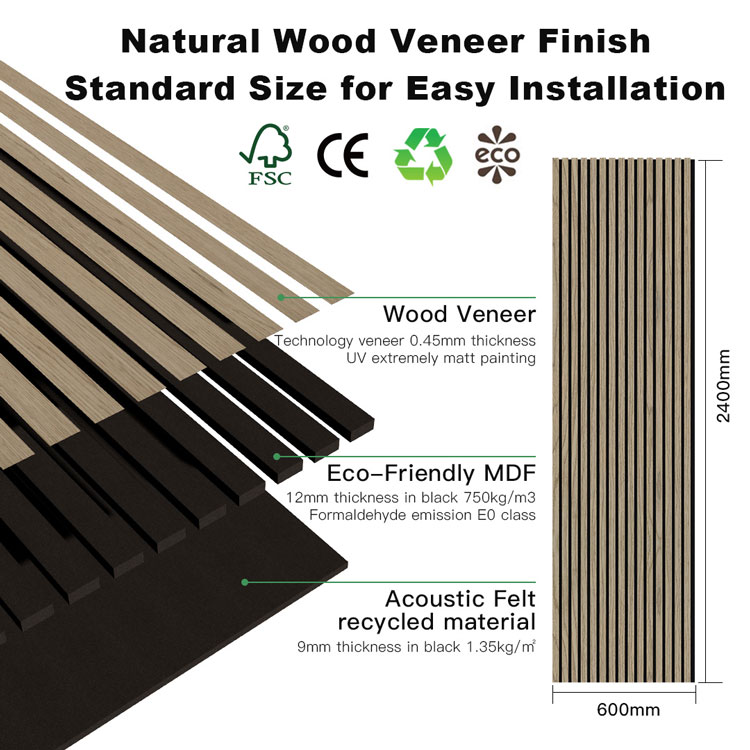
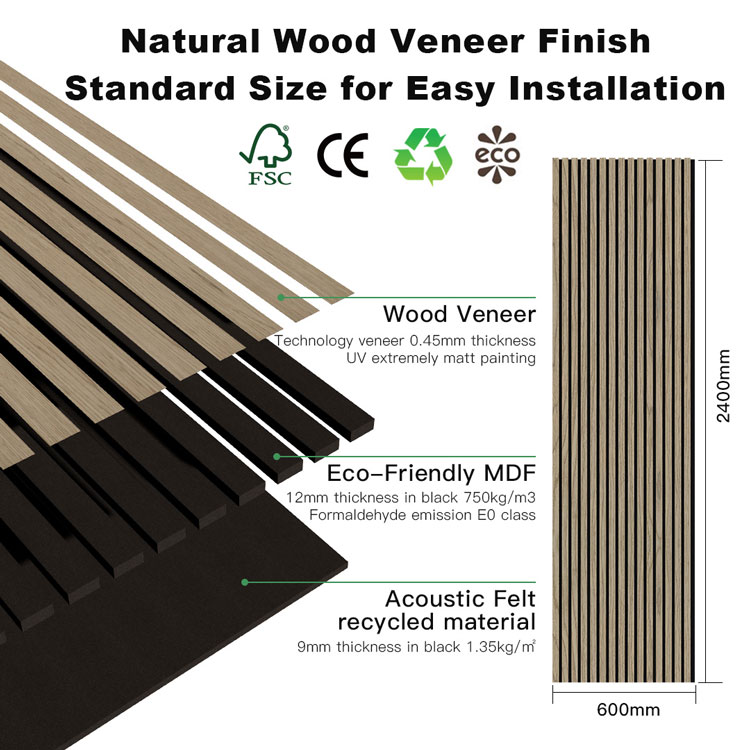
These panels typically consist of:

  • decorative natural wood or wood veneer slats

  • polyester fiber acoustic felt backing

  • a supporting wall structure behind the panels

While the panels themselves enhance acoustic comfort, they are not structural load-bearing materials. This is the key factor to consider when mounting a TV.


Can Acoustic Panels Support the Weight of a TV?

Acoustic panels alone are not designed to hold heavy loads such as televisions or large monitors.

Most acoustic panels are primarily made from:

  • wood veneer slats

  • MDF or solid wood strips

  • acoustic felt or polyester fiber

These materials are excellent for sound absorption but should not be relied on to support the weight of a TV bracket.

Instead, the TV mount must be anchored to the structural wall behind the panels, such as:

  • concrete walls

  • brick walls

  • wooden studs

  • metal framing systems

This ensures that the weight of the TV is supported by the building structure rather than the acoustic panel itself.


Best Method for Mounting a TV on an Acoustic Panel Wall

To safely mount a television, the installation should follow a few professional guidelines.

1. Locate the Structural Support Behind the Panels

Before installation, determine what type of wall is behind the acoustic panels.

Common structures include:

  • drywall with wooden studs

  • concrete or brick walls

  • metal framing systems

Use a stud finder or construction plans to locate the supporting structure.


2. Cut Small Openings for the Mounting Bracket

In some installations, the bracket may need to pass through the acoustic panel layer.

A small opening can be carefully cut in the panel to allow the mounting bracket to attach directly to the wall behind it. This keeps the installation clean while preserving the appearance of the panel wall.


3. Use Long Anchor Screws or Bolts

The screws must be long enough to pass through:

  • the acoustic panel

  • the mounting bracket

  • and securely into the structural wall

This ensures a stable and secure installation.


4. Install the TV Mount Bracket

Once the bracket is securely anchored to the wall structure, the TV can be mounted normally.

Most modern TV mounts—including fixed, tilting, or full-motion brackets—can be used with acoustic panel walls when installed properly.


Advantages of Mounting a TV on an Acoustic Panel Wall

Installing a television on an acoustic panel wall can actually enhance both visual design and sound quality.

Improved Sound Experience

Acoustic panels help reduce sound reflections and echoes, which can improve:

  • dialogue clarity

  • surround sound performance

  • overall listening comfort

This makes them particularly ideal for home theaters and media rooms.

Modern Interior Design

Wood slat acoustic panels create a sleek and contemporary backdrop for televisions.

They are widely used in:

  • luxury living rooms

  • corporate boardrooms

  • hotel suites

  • entertainment lounges

The natural wood texture adds warmth and sophistication to the space.

Hidden Cable Management

Acoustic panel installations often allow cables to be concealed behind the panels, creating a cleaner and more organized look.


Acoustic Panels Are Ideal for Home Entertainment Spaces

When designing a home entertainment wall, combining a mounted TV with acoustic treatment is becoming increasingly popular.

Benefits include:

  • reduced echo during movies and music

  • improved speech clarity in dialogue

  • better overall sound balance

  • a more immersive viewing experience

This combination is commonly used in home theaters, gaming rooms, and media walls.


Choosing High-Quality Acoustic Panels

For projects that combine acoustic performance with modern design, selecting high-quality panels is essential.

Important factors include:

  • durable wood slats

  • high-density acoustic felt backing

  • consistent panel spacing

  • environmentally friendly materials

  • precise manufacturing standards

Working with a professional acoustic panel manufacturer ensures both performance and long-term durability.


Guangdong Leeyin Acoustics: Professional Wood Slat Panel Manufacturer

Guangdong Leeyin Acoustics is a specialized manufacturer of wood slat wall panels and acoustic panels, providing acoustic solutions for residential, commercial, and architectural projects worldwide.

As one of the leading exporters of wood slat acoustic panels in China, our products are widely used in interior design projects across many international markets.

Strong Manufacturing Capabilities

Our company operates a 20,000-square-meter modern production facility, equipped with advanced manufacturing equipment and strict quality management systems that follow international standards.

Our advantages include:

  • large-scale production capacity

  • stable supply for global distributors and contractors

  • precise wood slat processing technology

  • high-performance acoustic materials

  • customizable panel designs and finishes

Our wood slat acoustic panels combine aesthetic architectural design with effective sound absorption, making them ideal for modern interior spaces.


Final Thoughts

So, can you mount a TV on an acoustic panel wall?

Yes—but the key is ensuring the mounting bracket is secured to the structural wall behind the panels, not the acoustic panels themselves.

With the correct installation method, you can safely enjoy the benefits of both:

  • a clean, modern TV wall design

  • improved acoustic comfort


Wood slat acoustic panels provide a perfect balance between functionality and visual elegance, making them an excellent choice for homes, offices, and commercial interiors.

In today’s architectural and interior design world, aesthetics alone are no longer enough. Modern spaces are expected to be beautiful, functional, and comfortable—and one often overlooked factor in achieving that balance is acoustic performance. Whether in homes, offices, restaurants, or hospitality venues, poor acoustics can negatively affect the overall experience of a space.

This is why more designers and architects are turning to acoustic panels as a solution that improves both sound quality and visual appeal. Once considered purely functional products, acoustic panels have evolved into stylish design elements that contribute significantly to modern interiors.

In this article, we’ll explore how acoustic panels enhance interior design and why they have become an essential feature in contemporary spaces.

Factory Direct Pricing High-Quality Acoustic Wood Slat Panels


The Role of Acoustics in Interior Design

Interior design is not just about what people see—it’s also about what they hear and feel. Sound has a major impact on how comfortable and inviting a space feels.

Hard surfaces like:

  • Glass
  • Marble
  • Concrete
  • Tile
  • Metal

can reflect sound and create:

  • Echo
  • Reverberation
  • Noise buildup
  • Poor speech clarity

Even the most beautifully designed room can feel uncomfortable if the acoustics are poor. Acoustic panels help solve this issue by absorbing unwanted sound reflections and creating a more balanced acoustic environment.


1. Acoustic Panels Improve Both Function and Style

One of the biggest advantages of modern acoustic panels is that they no longer need to look industrial or unattractive.

Today’s acoustic panels are designed to provide:

  • Excellent sound absorption
  • Decorative finishes
  • Architectural textures
  • Customizable aesthetics

This means they can become part of the design itself rather than something hidden away.

Designers can now use acoustic panels to improve room acoustics without sacrificing visual beauty.


2. Creating Stunning Feature Walls

Acoustic panels can transform ordinary walls into decorative focal points.

Especially with wood slat acoustic panels, designers can create:

  • Elegant accent walls
  • Textured architectural surfaces
  • Warm, natural visual effects

Wood slat panels add dimension and depth to interiors while maintaining a modern and minimalist look.

They are frequently used in:

  • Living rooms
  • Hotel lobbies
  • Office reception areas
  • Conference rooms
  • Retail showrooms

3. Enhancing Spatial Perception

Acoustic panels can also influence how a room feels spatially.

For example:

  • Vertical slat panels make ceilings appear taller
  • Horizontal installations can make walls feel wider
  • Patterned panel layouts add rhythm and movement

This allows designers to manipulate visual perception while also solving acoustic problems.


4. Supporting Minimalist and Modern Design Trends

Modern interior design trends emphasize:

  • Clean lines
  • Simplicity
  • Natural materials
  • Functional décor

Acoustic panels—especially wood slat styles—perfectly complement these trends.

Their sleek appearance makes them ideal for:

  • Scandinavian interiors
  • Minimalist homes
  • Contemporary offices
  • Luxury commercial environments

They blend naturally into modern spaces while adding texture and warmth.


5. Improving Comfort in Open-Plan Spaces

Open-plan interiors are increasingly popular, but they often suffer from excessive noise due to fewer dividing walls and more reflective surfaces.

Acoustic panels help:

  • Reduce ambient noise
  • Improve speech clarity
  • Minimize distractions
  • Enhance privacy

This is especially important in:

  • Open offices
  • Restaurants
  • Co-working spaces
  • Reception halls

By improving sound comfort, acoustic panels make these spaces more functional and enjoyable.


6. Adding Warmth Through Natural Materials

Many acoustic panel designs, particularly wood slat acoustic panels, incorporate natural wood finishes.

Wood introduces:

  • Warmth
  • Organic texture
  • Natural elegance

This helps soften modern interiors that may otherwise feel too cold or sterile due to heavy use of glass, metal, and stone.

Natural wood acoustic panels help create spaces that feel more inviting and comfortable.


7. Offering Flexible Design Possibilities

Acoustic panels are highly versatile and can be used in many creative ways, including:

  • Wall cladding
  • Ceiling decoration
  • Partition walls
  • Decorative room dividers
  • Integrated furniture design

This flexibility allows architects and designers to fully integrate acoustic treatment into the overall design concept.


Why Wood Slat Acoustic Panels Are So Popular

Among all acoustic solutions, wood slat acoustic panels are currently one of the most popular options in modern interiors.

Their layered construction typically includes:

  • Decorative wood slats
  • Acoustic felt backing
  • Precision spacing for sound absorption

They offer the perfect combination of:

  • Acoustic functionality
  • Premium appearance
  • Architectural sophistication

This makes them a preferred choice for projects requiring both style and performance.


Guangdong Leeyin Acoustics: Your Professional Acoustic Panel Partner

At Guangdong Leeyin Acoustics, we specialize in producing high-quality wood slat wall panels and acoustic panels for global markets.

As one of China’s leading exporters of wood slat acoustic panels, we provide reliable, modern acoustic solutions trusted by clients worldwide.

Our Core Strengths

  • 20,000 square meters of modern production facilities
  • Advanced automated manufacturing equipment
  • Strict quality management in line with international standards
  • Strong large-scale production capabilities
  • Rich experience serving global distributors, designers, and contractors

We are committed to delivering products that combine:

  • Outstanding acoustic performance
  • Elegant visual design
  • Long-term durability
  • Consistent manufacturing quality


Our acoustic panel systems are widely used in residential, commercial, and hospitality projects around the world.

As sustainability becomes a core consideration in modern architecture and interior design, many designers, developers, and homeowners are asking an important question: Are acoustic panels eco-friendly and sustainable?

The short answer is yes—when they are designed and manufactured responsibly. In this article, we explore what makes acoustic panels sustainable, which materials matter most, and how professional manufacturers ensure both acoustic performance and environmental responsibility.

Leading Acoustic Wood Slat Panel Distributor


What Makes an Acoustic Panel Eco-Friendly?

An eco-friendly acoustic panel is defined by more than just sound absorption. True sustainability involves the entire product lifecycle, including:

  • Raw material sourcing

  • Manufacturing processes

  • Product durability and lifespan

  • Indoor air quality impact

  • End-of-life recyclability

High-quality acoustic panels are designed to improve acoustic comfort without compromising environmental standards.


Sustainable Materials Used in Acoustic Panels

1. Wood Slat Acoustic Panels from Responsible Sources

Wood slat acoustic panels are highly popular due to their natural appearance and excellent acoustic performance. When produced using:

  • Engineered wood or MDF from sustainable forestry

  • Optimized material usage to reduce waste

  • Long-lasting surface finishes

they become a renewable and eco-conscious wall solution.

Wood-based acoustic panels also store carbon throughout their lifecycle, contributing positively to sustainable building goals.


2. Polyester Fiber Acoustic Panels (PET Panels)

Polyester fiber acoustic panels are widely recognized as one of the most sustainable acoustic materials available today.

Key eco-friendly advantages include:

  • Made from recycled PET plastic bottles

  • Fully recyclable

  • Low VOC emissions

  • Lightweight and energy-efficient to transport

These panels offer excellent sound absorption while supporting circular economy principles.


3. Low-Emission & Safe Indoor Materials

Eco-friendly acoustic panels should contribute to healthy indoor environments by:

  • Minimizing formaldehyde emissions

  • Using non-toxic adhesives

  • Meeting international indoor air quality standards

This is especially important for offices, schools, homes, and public buildings.


Manufacturing Processes Matter

Sustainability is not only about materials—it also depends on how acoustic panels are produced.

Professional manufacturers focus on:

  • Efficient material utilization

  • Energy-saving production lines

  • Waste reduction and recycling systems

  • Consistent quality control to reduce product replacement

Well-made acoustic panels last longer, reducing environmental impact over time.


Guangdong Leeyin Acoustics: Sustainability with Scale and Expertise

As a leading manufacturer and exporter of wood slat acoustic panels in China, Guangdong Leeyin Acoustics integrates sustainability into both product design and production management.

Our Strengths Include:

  • 20,000㎡ modern manufacturing facility

  • Large-scale production capacity for global supply

  • Specialized focus on wood slat wall panels and acoustic panels

  • Strict quality management aligned with international standards

  • Stable, long-term export experience in global markets

By combining efficient manufacturing with responsible material selection, we help clients achieve both acoustic excellence and sustainable building goals.


Are Acoustic Panels Worth It for Green Buildings?

Yes. Eco-friendly acoustic panels:

  • Improve sound comfort and productivity

  • Enhance interior aesthetics using natural materials

  • Support green building certifications

  • Offer long service life with minimal maintenance

For architects and developers, acoustic panels are a functional and sustainable investment.


How to Choose Sustainable Acoustic Panels

When selecting acoustic panels, look for:

  • Recycled or renewable core materials

  • Low-emission certifications

  • Long product lifespan

  • Experienced manufacturers with export and quality control expertise

A reliable supplier ensures sustainability is verified, not just claimed.


Conclusion

So, are acoustic panels eco-friendly and sustainable?
Absolutely—when they are thoughtfully designed and professionally manufactured.


With advanced production facilities, international quality management, and deep expertise in wood slat acoustic panels and sound-absorbing solutions, Guangdong Leeyin Acoustics provides acoustic products that balance performance, aesthetics, and sustainability for modern spaces worldwide.

Sound-absorbing panels work by absorbing sound energy and reducing reflections, thus eliminating echoes and reverberation. Their effectiveness largely depends on:


Material density and porosity

Leading Distributor of Acoustic Wood Slat Panels

Internal structure


Fire resistance and safety


Environmental performance


Visual design compatibility


Choosing the wrong material can lead to poor sound insulation, short product lifespan, or safety hazards.


Common Materials for Sound-Absorbing Panels


1. PET Felt (Recycled Polyester Fiber)


PET felt boards are widely used for basic sound absorption.


Advantages:


Lightweight and easy to install


Made from recycled plastic bottles


Good sound absorption for mid-to-high frequencies


Environmentally friendly and recyclable


Disadvantages:


Limited sound absorption for low frequencies


Softer surface, lower impact resistance


Functionality outweighs aesthetics


PET felt is commonly used in offices, schools, and projects with limited budgets.


2. Sound-Absorbing Foam


Sound-absorbing foam is commonly found in small recording studios and home recording studios.


Advantages:


Affordable entry-level option


Easy to install yourself


Reduces flutter echo


Disadvantages:


Weaker low-frequency performance


Will deform over time


Limited fire resistance of low-quality foam


Not suitable for high-end interior decoration


Foam is best suited for temporary or small-scale acoustic treatments.


3. Mineral Wool/Glass Fiber (Core)


Mineral wool and glass fiber are typically used inside acoustic panels, not as exposed surfaces.


Advantages:


Excellent sound absorption across the entire frequency range


High density enhances performance


Fire-resistant after proper treatment


Disadvantages:


Requires fabric or solid surface covering


Less aesthetically pleasing


Requires careful handling during production


These materials form the core of many professional-grade acoustic panels.


4. Medium-Density Fiberboard (MDF)


High-density medium-density fiberboard is a key structural material for high-end acoustic panels, especially wood slat wall panels.


Advantages:


Stable density ensures consistent acoustic performance


Strong structural integrity


Smooth surface for easy veneer application


Ideal for strip and perforated designs


Limitations:


Performance depends on density and quality


Low-grade MDF may release higher levels of volatile organic compounds (VOCs)


Our company uses rigorously selected high-density MDF that meets international standards.


5. Natural Wood Veneer (Decorative and Functional Layer)


Natural wood veneer plays a crucial role in wood strip acoustic panels.


Advantages:


Enhances aesthetics and interior value


Utilizes slat spacing to diffuse and absorb sound


Natural, warm appearance


Complements modern and luxury design styles


Limitations:


Vene thickness and bonding quality are critical


Requires specialized production control


When used in conjunction with acoustic backing, wood veneer offers both performance and aesthetics.

One of the most frequently asked questions by buyers when choosing acoustic panels is:


Are thicker acoustic panels better?

Custom Solutions Acoustic Wood Slat Panels

In short, the answer is yes—but not always in the way people expect.


Panel thickness does affect sound absorption, but it's only one part of the overall acoustic performance. In this article, we'll explain how thickness works, when thicker panels are more beneficial, and how to choose the right solution for your space.


How Acoustic Panels Absorb Sound


Acoustic panels reduce echoes and reverberation in a room by absorbing sound energy, especially mid-to-high frequency sound waves.


Key factors affecting performance include:


Panel thickness


Material density


Surface design


Installation method


Air gap behind the panel


Thickness alone does not guarantee better results.


Does thickness really improve sound absorption?


Yes—especially for low frequencies.


Generally speaking:


Thicker panels can absorb a wider frequency range.


They are more effective at low frequencies than thinner panels.


For example:


12-25 mm thick panels primarily absorb high frequencies.


40-50 mm thick panels absorb mid-frequency frequencies more effectively.


Thick panels with backing systems help control low-frequency energy.


However, for everyday residential and commercial spaces, ultra-thick panels are often unnecessary.


Thicker with Smarter Design


Modern acoustic solutions are not simply about increasing thickness, but about balancing design.


For example, wood slat acoustic panels use:


Rigid medium-density fiberboard slats for sound diffusion


High-density polyethylene terephthalate (PET) felt for sound absorption


Thickness optimized for the actual space


This combination achieves effective acoustic control without adding excessive volume or visual clutter.


When to Need Thicker Acoustic Panels


Thicker acoustic panels are best suited for:


Recording studios


Music rehearsal rooms


Home theaters


Large open-plan commercial spaces


In these environments, low-frequency control is crucial.


When Thicker Acoustic Panels Are Not Needed


For example:


Living rooms


Bedrooms


Offices


Conference rooms


Restaurants and hotels


Standard-thickness acoustic panels or wood strip acoustic panels, if installed properly, already provide excellent sound absorption.


In these cases, installation location and coverage are more important than thickness.


The Role of Air Gap (Often Overlooked)


An important professional insight:


Adding an air gap behind the acoustic panel can significantly improve low-frequency absorption—sometimes even better than increasing thickness.


This is why wall-mounted wood strip acoustic panels with felt backing are so effective in actual installations.


Why Wood Strip Acoustic Panels are the Ideal Balanced Choice


Wood strip acoustic panels offer the following advantages:


Moderate thickness, suitable for most environments


Natural sound diffusion and absorption


Aesthetically pleasing, perfectly complementing modern interior design


Highly effective sound absorption without excessive space occupation


Achieving an ideal balance between functionality, design, and ease of installation

Living next to noisy neighbors can be annoying—but with the right soundproofing strategies, you can create a quieter, more comfortable space. Here are some ways to effectively block noise from shared walls.

Custom Solutions Acoustic Wood Slat Panels

🧱 1. Increase Wall Mass


Noise can easily penetrate thin walls. Increasing wall density helps block sound.


Options include:


High-density materials


Double-layer gypsum board


High-density sound-absorbing panels


High-density MDF sound-absorbing panels, produced by Guangdong Liyin Acoustics Technology Co., Ltd., increase wall mass and enhance aesthetics.


🔊 2. Use Sound-absorbing panels to Absorb Sound


Installing sound-absorbing panels helps reduce sound reflections within the room, significantly reducing noise from the other side.


Our wood strip sound-absorbing panels combine:


✔ High-density medium-density fiberboard (MDF)


✔ Sound-absorbing PET felt


✔ Natural wood veneer


✔ Modern interior design aesthetics


Perfect for bedrooms, home offices, and apartments.


🔧 3. Seal Gaps and Cracks


Small cracks around sockets, windows, and walls can leak a lot of noise.


Seal these gaps with sealant or weatherstripping.


🛠 4. Create Air Gaps


For more severe noise problems, leave small air gaps on the back of the sound-absorbing panels.


This enhances low-frequency absorption and significantly improves sound insulation.

If you're planning to upgrade your space with acoustic panels but are worried they might affect your WiFi signal—the good news is: acoustic panels won't block WiFi signals.

Leading Acoustic Wood Slat Panel Manufacturer & Distributor

✔ Why Acoustic Panels Won't Affect WiFi


WiFi signals can easily pass through materials commonly used in acoustic panels, including:


Medium-Density Fiberboard (MDF)


Recycled PET felt


Wood veneer or PET/PVC finish


These materials don't contain metals or dense barriers that interfere with electromagnetic signals. This means your WiFi signal will remain strong even if you install acoustic panels in your room.


⭐ What Do Acoustic Panels Affect?


They improve the acoustic comfort of a room but don't affect WiFi signals.


Liyin Wood Strip Acoustic Panels are designed to:


Absorb echoes and reduce reverberation


Improve sound clarity in homes, offices, and recording studios


Add beauty and warmth with premium wood veneer finishes


Contribute to eco-friendly building using E0 grade MDF and recycled PET materials.

keyboard_arrow_up