When dealing with echo, reverberation, or general noise problems in a room, many people ask:

Should I install acoustic panels or just use heavy curtains?

Both options can improve room acoustics—but they serve different purposes and offer very different performance levels.

In this article, we’ll compare acoustic panels vs curtains, explain how each works, and help you decide which solution is better for offices, restaurants, commercial spaces, or home interiors.
Factory Prices Acoustic Wood Slat Panels


Understanding the Problem: Echo vs Noise

Before comparing solutions, it’s important to clarify what kind of “noise” you are trying to solve.

Most indoor acoustic issues involve:

  • echo

  • reverberation

  • speech clarity problems

  • background noise buildup

  • “hollow” room sound

In open-plan offices, restaurants, conference rooms, and modern homes, the main issue is usually sound reflection, not soundproofing.


How Acoustic Panels Work

Acoustic panels are engineered materials designed to absorb sound waves and reduce reflections.

They typically consist of:

  • polyester fiber

  • mineral wool core

  • acoustic foam

  • wood slats with sound-absorbing felt backing

When sound waves hit these panels, the sound energy is absorbed instead of bouncing back into the room.

Benefits of Acoustic Panels

✅ Significant echo reduction
✅ Improved speech clarity
✅ Reduced reverberation time (RT60)
✅ Professional acoustic performance
✅ Clean and architectural design options
✅ Suitable for walls and ceilings

Acoustic panels are widely used in:

  • open-plan offices

  • meeting rooms

  • restaurants and cafés

  • hotels

  • classrooms

  • home theaters


How Curtains Work for Noise Control

Curtains, especially thick blackout or velvet curtains, can also absorb some sound.

They work by:

  • softening reflections near windows

  • absorbing high-frequency sound

  • reducing minor echo

However, curtains are not specifically engineered for acoustic performance.

Benefits of Curtains

✅ Simple and affordable
✅ Easy to install
✅ Improve window reflection
✅ Add decorative softness to a room

But they also have limitations.


Acoustic Panels vs Curtains: Performance Comparison

Let’s compare them directly.

1. Sound Absorption Performance

Acoustic Panels:
Designed specifically to absorb sound across mid and high frequencies. Some thicker panels also absorb low frequencies.

Curtains:
Mainly absorb high frequencies. Minimal impact on mid-to-low frequency reverberation.

👉 Winner: Acoustic Panels


2. Coverage Flexibility

Acoustic Panels:
Can be installed on walls and ceilings for targeted acoustic treatment.

Curtains:
Usually limited to windows or wall sections with curtain rails.

👉 Winner: Acoustic Panels


3. Speech Clarity Improvement

Acoustic Panels:
Significantly improve speech intelligibility by reducing reverberation.

Curtains:
Provide minor improvement only if large areas are covered.

👉 Winner: Acoustic Panels


4. Design & Aesthetic Appeal

Acoustic Panels:
Modern wood slat designs create high-end architectural features.

Curtains:
Provide softness and fabric elegance but may not fit minimalist or corporate interiors.

👉 Depends on design goals


5. Durability in Commercial Spaces

Acoustic Panels:
Durable, long-lasting, suitable for high-traffic areas.

Curtains:
Require cleaning, can fade, collect dust, and wear over time.

👉 Winner: Acoustic Panels


When Are Curtains Enough?

Curtains may be sufficient when:

  • the room is small

  • echo is minimal

  • budget is very limited

  • the main reflective surface is a large glass window

  • aesthetic softness is the primary goal

In residential bedrooms or living rooms, thick curtains can slightly improve acoustics.

But in larger or commercial environments, curtains alone are rarely enough.


When Are Acoustic Panels the Better Choice?

Acoustic panels are strongly recommended when:

  • the room has hard floors and concrete walls

  • ceilings are high

  • the space is open-plan

  • speech clarity is important

  • noise buildup is noticeable

  • professional acoustic performance is required

In offices, restaurants, conference rooms, and coworking spaces, acoustic panels are far more effective than curtains.


What About Wood Slat Acoustic Panels?

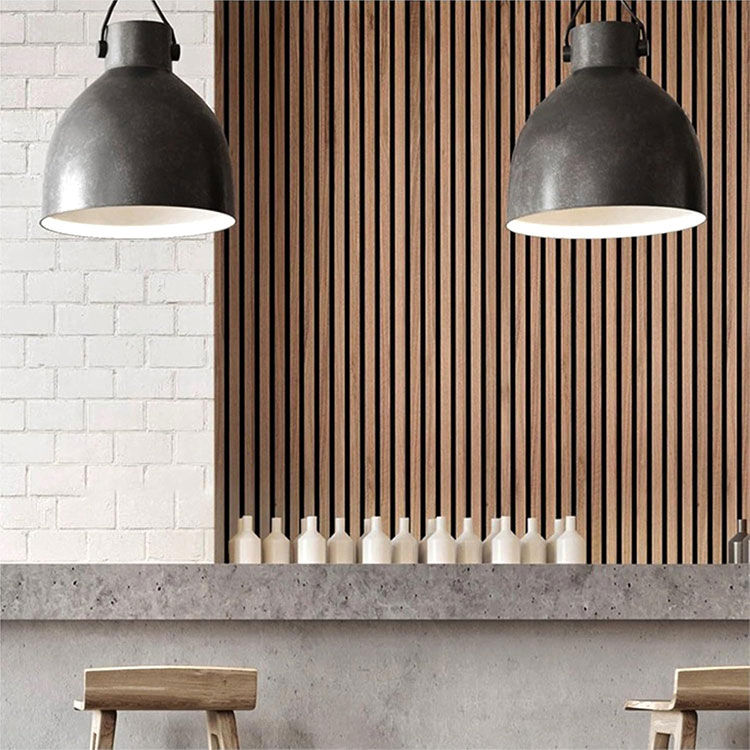
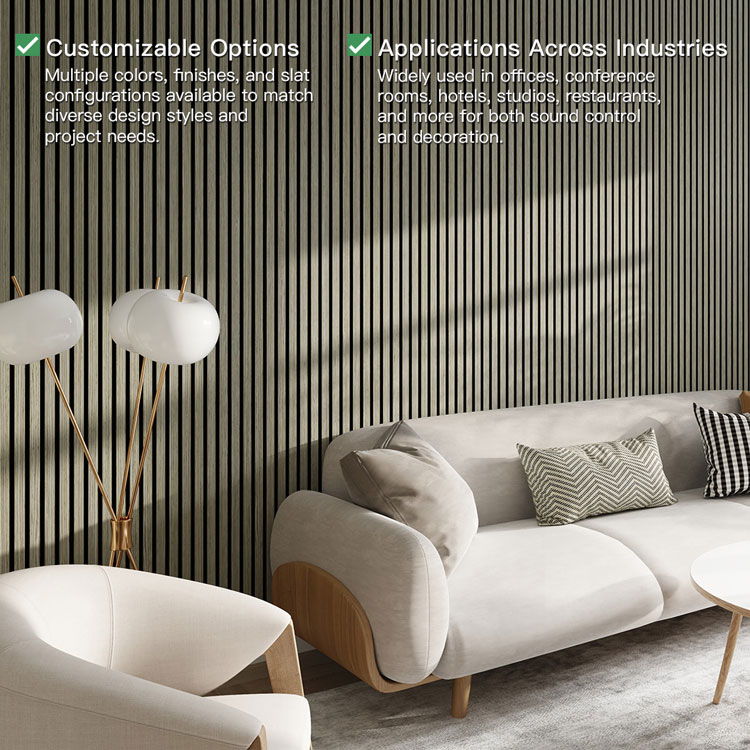
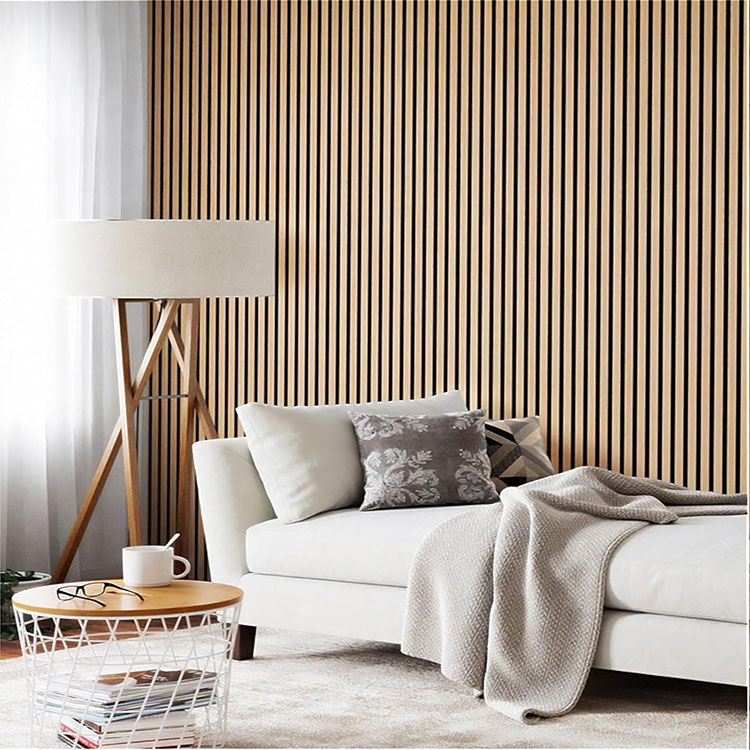
For modern interiors, wood slat acoustic panels are one of the most popular alternatives to fabric panels and curtains.

They combine:

  • decorative wooden slats

  • acoustic felt backing

  • professional sound absorption

  • contemporary architectural style

Unlike curtains, wood slat panels:

  • maintain a clean, structured look

  • do not block natural light

  • provide permanent acoustic treatment

  • improve brand image in commercial spaces

They are widely used in:

  • office feature walls

  • restaurant interiors

  • hotel lobbies

  • reception areas

  • home theaters


Do Acoustic Panels Replace Curtains?

Not necessarily.

In some designs, acoustic panels and curtains can work together:

  • Curtains soften window reflections

  • Acoustic panels treat walls and ceilings

  • Combined treatment produces better overall results

However, if you must choose one for serious acoustic improvement, acoustic panels are the more effective option.


Cost Comparison: Panels vs Curtains

Curtains

  • Lower upfront cost

  • Limited performance improvement

  • May require replacement over time

Acoustic Panels

  • Higher initial investment

  • Long-term durability

  • Stronger acoustic impact

  • Better return in commercial applications

For businesses, the improved comfort and productivity often justify the investment in professional acoustic panels.


Why Commercial Spaces Prefer Acoustic Panels

In offices and hospitality environments, acoustic performance directly affects:

  • employee productivity

  • customer comfort

  • meeting efficiency

  • brand perception

  • overall space value

Curtains cannot provide the level of control required in high-traffic, high-communication spaces.

That’s why professional interior designers and architects typically specify acoustic panels for commercial projects.


Guangdong Leeyin Acoustics: Professional Manufacturer of Wood Slat Acoustic Panels

At Guangdong Leeyin Acoustics, we specialize in manufacturing high-quality wood slat wall panels and acoustic panels for global markets.

As one of China’s leading exporters in the wood slat acoustic panel industry, we provide stable production capacity and consistent quality for distributors, contractors, and commercial project developers.

Our Manufacturing Strength

  • 20,000㎡ modern factory

  • advanced production equipment

  • strong large-scale production capability

  • strict quality management based on international standards

  • precise slat spacing and stable acoustic felt bonding

  • customizable veneer finishes and packaging options

Our wood slat acoustic panels are designed to meet the demands of modern interiors—delivering both aesthetic appeal and professional acoustic performance.


Final Verdict: Acoustic Panels vs Curtains — Which Works Better?

If your goal is serious echo reduction, improved speech clarity, and professional noise control, acoustic panels clearly work better than curtains.

Curtains may provide minor improvement in small spaces, but they cannot replace the performance of engineered acoustic panels.

For offices, restaurants, commercial spaces, and modern homes, wood slat acoustic panels offer:

  • stronger sound absorption

  • long-term durability

  • premium architectural appearance

  • improved comfort and communication

If you’re looking for a long-term solution to indoor noise problems, acoustic panels are the smarter investment.


FAQ: Acoustic Panels vs Curtains

Do curtains reduce echo?

Yes, but only slightly. Thick curtains absorb some high-frequency sound but do not significantly reduce reverberation in large rooms.

Are acoustic panels better than blackout curtains?

Yes. Acoustic panels are specifically engineered for sound absorption, while blackout curtains are designed for light control.

Can I combine curtains and acoustic panels?

Yes. Combining both can improve overall room acoustics.

Are wood slat acoustic panels better than fabric panels?


Both are effective, but wood slat panels provide stronger design impact and durability for commercial interiors.
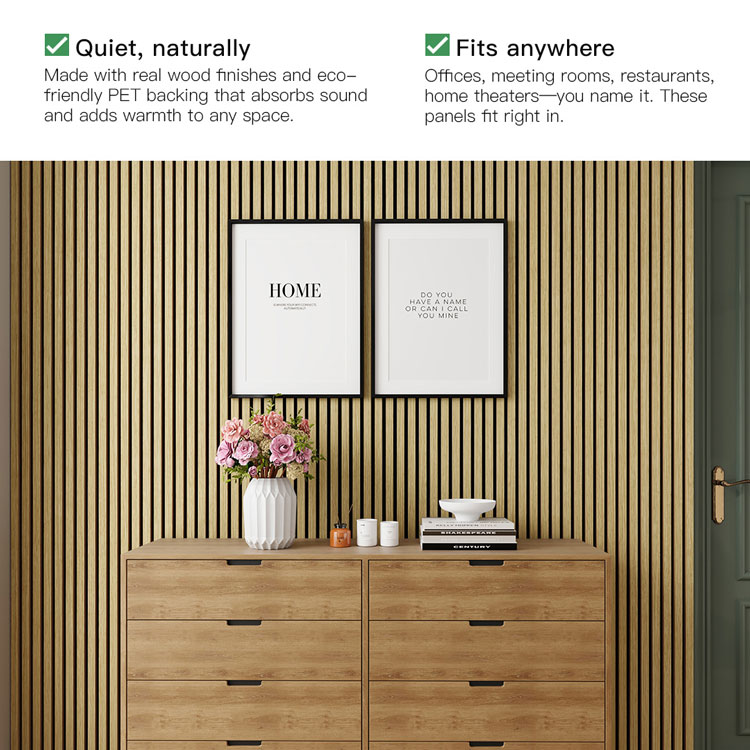
Acoustic panels play a crucial role in controlling:

  • Echo
  • Reverberation
  • Background noise
  • Speech clarity

Poor-quality panels may only provide minimal improvement, while high-end panels can significantly enhance both sound quality and overall environment comfort.

Leading Acoustic Wood Slat Panel Manufacturer & Distributor


1. Material Quality and Composition

Cheap Acoustic Panels

Low-cost panels are often made from:

  • Low-density foam
  • Inferior fiber materials
  • Thin or inconsistent cores

These materials may degrade quickly and offer limited sound absorption, especially at certain frequencies.

High-End Acoustic Panels

Premium panels use carefully selected materials such as:

  • High-density polyester fiber
  • Mineral wool or engineered acoustic cores
  • High-quality MDF and wood veneers (for wood slat panels)

These materials are designed to deliver consistent and effective sound absorption across a wide frequency range.

👉 Key Difference: Higher density and better material composition result in superior acoustic performance.


2. Acoustic Performance and Testing

Cheap Panels

Many low-cost panels are not professionally tested, meaning:

  • No verified acoustic ratings (like NRC)
  • Inconsistent performance
  • Limited effectiveness in real environments

High-End Panels

Premium acoustic panels are:

  • Engineered for specific acoustic performance
  • Tested under standardized conditions
  • Designed to optimize sound absorption

They provide reliable results in both residential and commercial applications.

👉 Key Difference: High-end panels offer proven, measurable acoustic performance.


3. Design and Aesthetic Appeal

Cheap Panels

Budget panels often focus only on function, resulting in:

  • Basic or outdated designs
  • Limited color and finish options
  • Industrial or unattractive appearance

High-End Panels

Modern high-end panels, especially wood slat acoustic panels, are designed as architectural features.

They offer:

  • Natural wood finishes
  • Clean, modern lines
  • Customizable styles
  • Seamless integration into interior design

👉 Key Difference: Premium panels enhance both acoustics and visual design.


4. Durability and Lifespan

Cheap Panels

Low-quality panels may:

  • Lose shape over time
  • Sag or deform
  • Fade or wear quickly
  • Be sensitive to moisture

High-End Panels

High-end products are built for longevity, featuring:

  • Stable structural design
  • Durable surface finishes
  • Resistance to wear and environmental factors

👉 Key Difference: Premium panels provide long-term reliability and performance.


5. Fire Safety and Environmental Standards

Cheap Panels

Many low-cost panels do not meet safety standards, which can pose risks in:

  • Commercial buildings
  • Public spaces
  • Hospitality environments

High-End Panels

Professional acoustic panels are often:

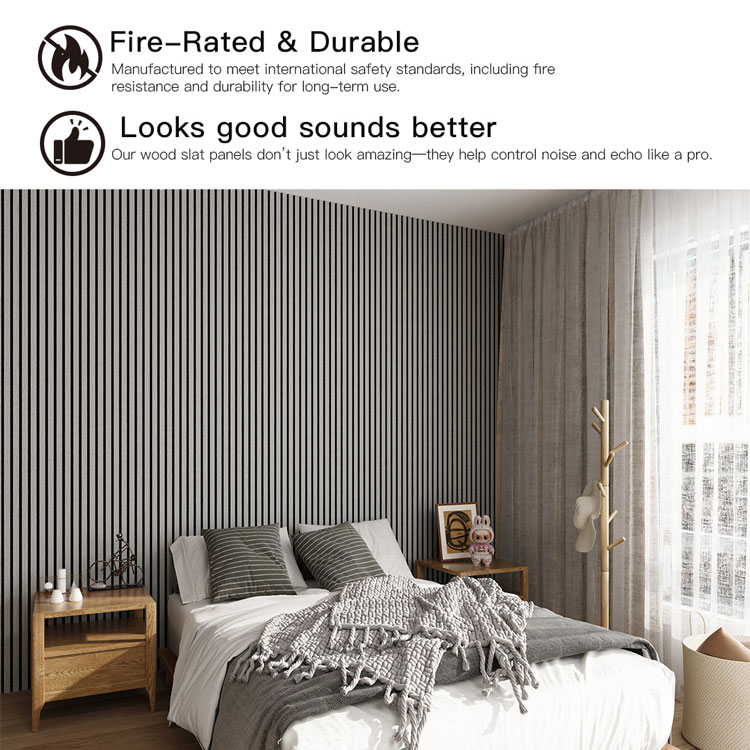
  • Fire-resistant
  • Low-emission (eco-friendly)
  • Certified according to international standards

👉 Key Difference: High-end panels ensure safety, compliance, and sustainability.


6. Installation and Precision Manufacturing

Cheap Panels

Budget options may suffer from:

  • Inconsistent dimensions
  • Poor edge finishing
  • Difficult installation

High-End Panels

Premium panels are manufactured with precision, offering:

  • Accurate sizing
  • Easy installation systems
  • Clean joints and alignment

👉 Key Difference: Better manufacturing leads to faster installation and a more professional finish.


7. Overall Value vs Initial Cost

While cheap acoustic panels may seem cost-effective upfront, they often require:

  • Replacement over time
  • Additional panels to achieve desired results
  • Compromises in design and performance

High-end acoustic panels, although more expensive initially, provide:

  • Better performance
  • Longer lifespan
  • Higher aesthetic value
  • Greater return on investment

👉 Key Difference: Premium panels deliver better long-term value.


Why Wood Slat Acoustic Panels Represent High-End Solutions

Among premium options, wood slat acoustic panels stand out as a top-tier solution.

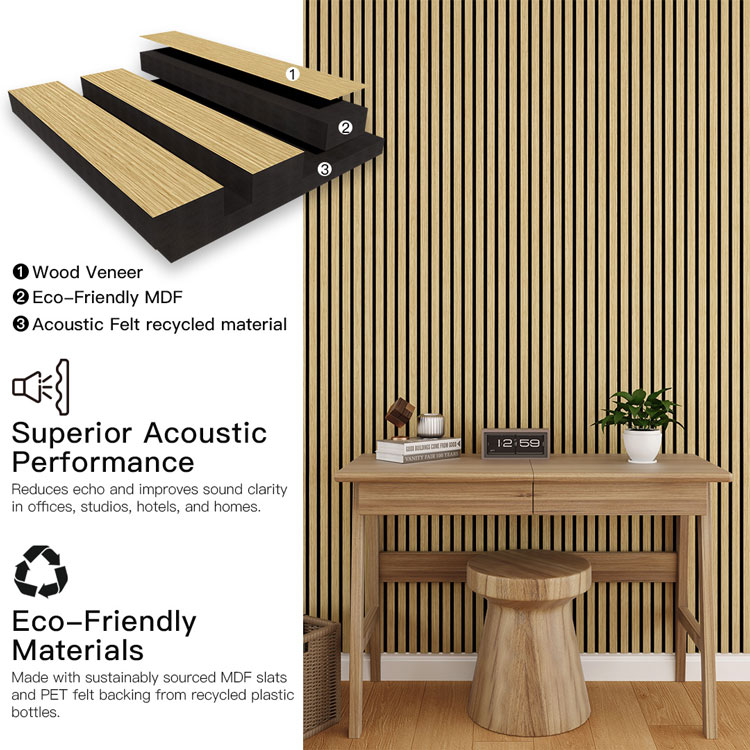
Their structure typically includes:

  • Decorative wood slats
  • Acoustic felt backing
  • Engineered spacing for optimized sound absorption

They combine:

  • High-performance acoustics
  • Elegant architectural design
  • Versatility in application

This makes them ideal for:

  • Modern homes
  • Offices
  • Hotels
  • Commercial spaces

Guangdong Leeyin Acoustics: Delivering High-End Acoustic Solutions

At Guangdong Leeyin Acoustics, we specialize in manufacturing premium wood slat wall panels and acoustic panels designed for global markets.

As a leading exporter in China’s wood slat acoustic panel industry, we are committed to delivering high-quality products that meet international standards.

Our Advantages

  • 20,000㎡ modern production facility
  • Advanced automated manufacturing technology
  • Strict quality management systems
  • Strong large-scale production capacity
  • Extensive global export experience

We focus on producing acoustic panels that offer:

  • Reliable acoustic performance
  • Superior craftsmanship
  • Modern aesthetic design
  • Long-lasting durability


Our products are widely used in residential, commercial, and hospitality projects worldwide.

If you're planning to create a modern home theater or stylish living room, you might be wondering:


"Can I mount the TV directly on a sound-absorbing wall?"


In short: It's not recommended.


Here are the reasons and the correct installation method.

Top Supplier of Acoustic Wood Slat Panels – Factory Direct

❌ Why you shouldn't mount a TV directly on a sound-absorbing panel


Sound-absorbing panels—especially felt-backed wooden slats—are for absorbing sound, not for bearing weight.


Mounting a TV directly on acoustic panels may result in:


Insufficient structural support


Risk of panel damage


Unsafe installation


Degraded acoustic performance


✔ Correct way to install a TV using acoustic panels


You can perfectly combine a TV wall mount with acoustic panels—simply follow these steps:


1. First, mount the TV bracket on a solid wall.


The TV should be securely fixed to the following wall surfaces:


Concrete wall


Brick wall


Use suitable anchors to secure to drywall


Wooden frame


2. Install the acoustic panels around the bracket.


Leeyin's wood slat acoustic panels are precisely cut to perfectly fit the wall mount, providing a seamless, high-quality look.


3. Hide cables behind the panel.


Our panels have small gaps between the wood slats and felt backing—perfect for concealing cable management.

Want to create a clean, modern, and cable-free TV wall? Acoustic panels—especially wood slat acoustic panels—are a stylish and effective way to hide TV cables while improving room acoustics.


Guangdong Leeyin Acoustics is dedicated to helping homeowners, designers, and builders upgrade their spaces with smart acoustic and aesthetic solutions.

Hot Selling Acoustic Wood Slat Panels

🔧 How to Hide TV Cables Behind Acoustic Panels


✔ 1. Plan the Cable Route


Before installing the acoustic panels, plan the routing of your TV power cord and HDMI cable. The gaps created by the wood slats and felt backing provide a natural cable hiding channel.


✔ 2. Utilize the Gaps in the Wood Slat Acoustic Panels


Liyin's wood slat acoustic panels feature a felt backing and wood slat structure, allowing cables to pass through without altering the panels.


Simply route the cables vertically or horizontally behind the acoustic panels. ✔ 3. Cut a Hole for Cable Socket Installation


You can cut a small hole in the felt backing (instead of the slot) to allow cables to pass through neatly.


Our PET felt is easy to cut, maintaining a seamless look for the panel.


✔ 4. Add Conduit for Heavier Cables


If multiple cables are needed, install thin conduit behind the panel for better cable management and improved airflow.


✔ 5. Mount a TV Bracket Above the Panel


With cables concealed, the TV can be mounted directly on the wall or run through the slot for a clean and aesthetically pleasing look.

In short: They cannot completely block sound, but they can effectively reduce noise.


Doors are often the weakest link in a soundproofing system. Hollow cores, gaps, and thin surfaces allow sound to easily penetrate. Sound-absorbing panels can improve this, but only in certain areas.

Acoustic Wood Slat Panels from Reliable Manufacturer

🔊 What benefits do sound-absorbing panels bring to doors?


✔ Reduced echoes and sound reflections


Installing sound-absorbing panels on doors absorbs indoor sound, reducing noise that would otherwise be reflected onto the door.


✔ Improved privacy


By reducing internal reverberation, less sound reaches the door and leaks out.


✔ Quick, aesthetically pleasing, and convenient installation


Sound-absorbing panels—especially wood strip sound-absorbing panels with PET felt—instantly improve soundproofing comfort and aesthetics, even on doors.


🚫 Limitations of soundproofing panels


Soundproofing panels cannot block strong external noise that passes through the door.


To truly achieve sound insulation for your door, you may need:


Door seals


Bottom door seals


Solid door


Soundproofing materials


Combining these materials with soundproofing panels will yield even better results.

In today's highly competitive market, clients need more than just products; they need complete, reliable, and efficient solutions.


Guangdong Leeyin Acoustics is a trusted one-stop acoustic panel manufacturer, dedicated to helping global brands and designers turn their visions into reality.

Customizable Acoustic Wood Slat Panels Supplier

Here are the reasons why global clients choose Leeyin's one-stop customization service:


🧩 1. End-to-End Customization from Design to Delivery


We offer end-to-end customization services—from wood veneer selection, panel size and acoustic performance design, to carton packaging, label printing, and sample box customization.


Every detail reflects your brand image and project style.


🏭 2. Strong Production Capacity


Leeyin boasts over 20,000 square meters of advanced production facilities and a modern quality management system, ensuring the highest quality for every order.


Our stringent international standards guarantee reliable quality—from raw materials to finished panels, we control the entire process.


🚀 3. Global Expertise, Local Support


As a leading exporter of wood strip wall panels in China, we have established partnerships with clients in Europe, North America, Asia, and beyond.


Our professional team provides rapid communication, technical support, and efficient logistics services to ensure your projects run smoothly.


🎯 4. Leeyin Streamlines Your Project Process


From design consultation to production and export, Leeyin provides everything you need—saving you time, costs, and effort.


This is why many global brands trust Leeyin and consider it their preferred sound-absorbing panel partner.

keyboard_arrow_up