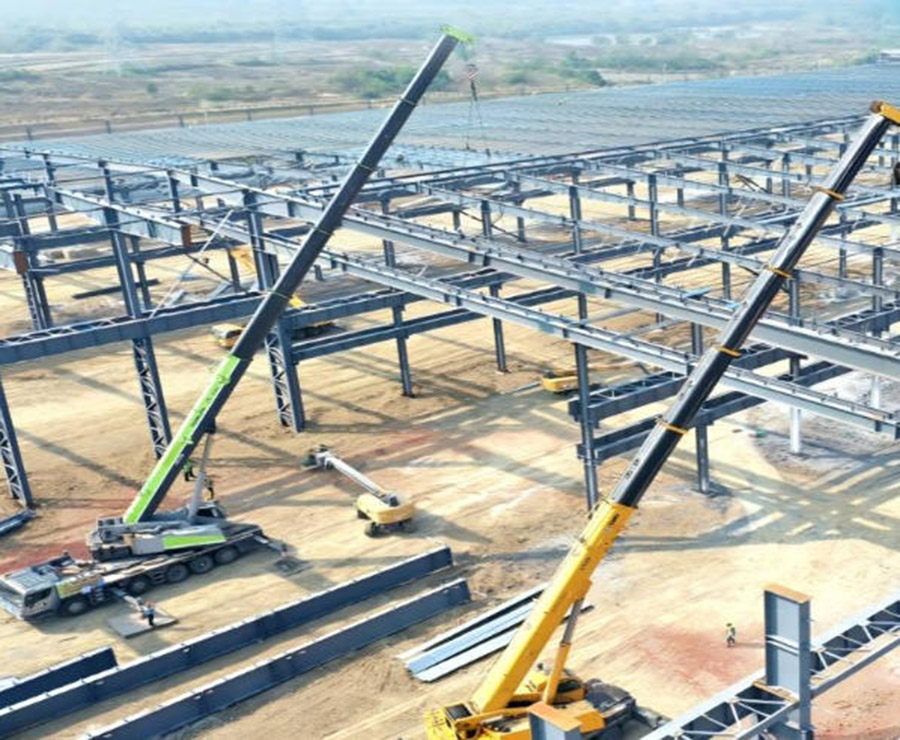
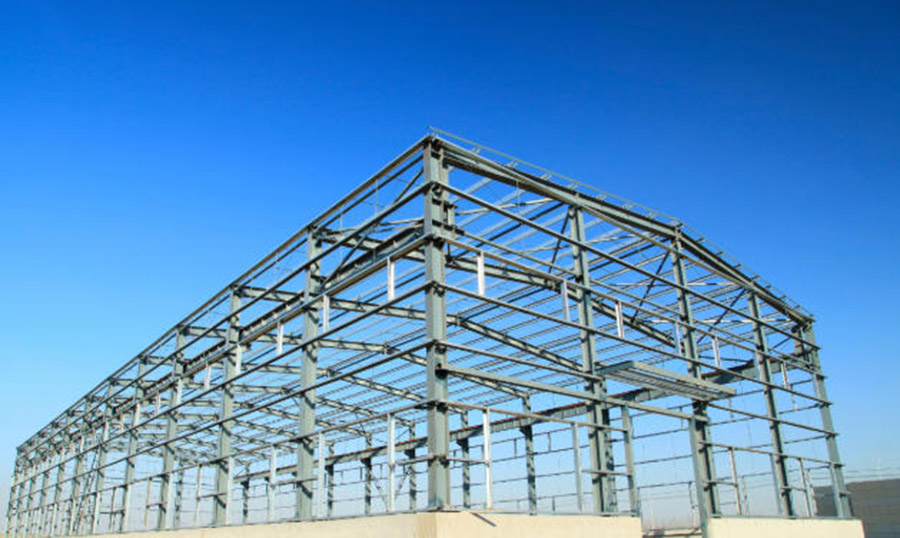
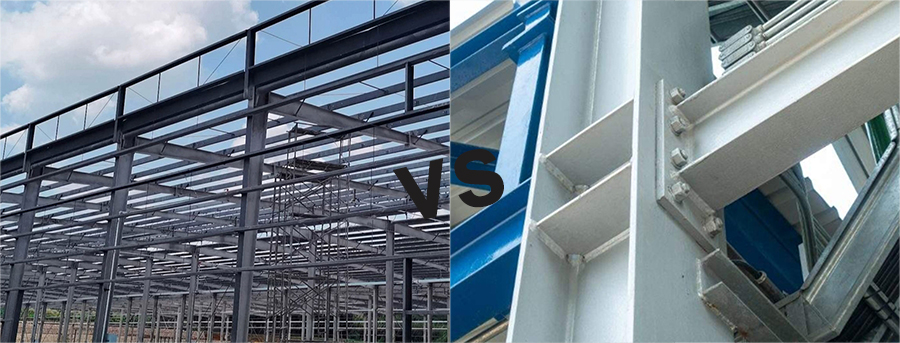
Steel structure factory buildings, with their advantages of high strength, lightweight, and efficient construction, have become the mainstream choice for industrial buildings worldwide. However, their roof systems are constantly exposed to wind, rain, sun, and industrial corrosion. Neglecting maintenance can easily lead to leaks, corrosion, and even structural fatigue. This not only threatens production safety but also significantly increases the cost of later renovations. Regular maintenance is a crucial line of defense for ensuring the structural stability of the factory building, extending its service life, and controlling operating costs.
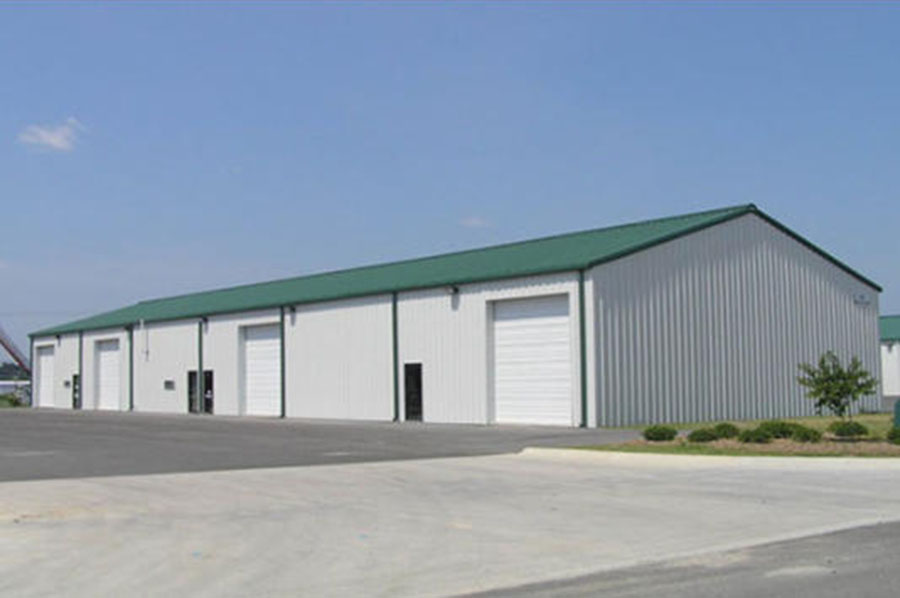 Why is roof maintenance for steel structure factory so important?
☆ Protecting structural safety and extending building lifespan
The roof of a steel structure factory building is not only a barrier against wind and rain but also a key component in maintaining the overall stability of the building. Whether it's a color steel plate or a metal roofing system, its wind pressure resistance and waterproofing performance will decline over time. Statistics show that approximately 30% of industrial building damage worldwide is caused by roof system failures, 80% of which are directly related to a lack of long-term maintenance. Regular inspections can promptly identify potential problems, preventing small issues from escalating into structural collapse risks, fundamentally ensuring the durability of the factory building.
☆ Coping with Harsh Environments and Enhancing Climate Adaptability
Modern industrial buildings face increasingly complex climate challenges, and poorly maintained roofs are highly susceptible to becoming structural weaknesses:
● In hurricane and blizzard-prone areas, regular maintenance ensures the stability of roof fasteners and the smooth operation of drainage systems, preventing collapse due to excessive load.
● In high-temperature and high-humidity environments, professional maintenance effectively inhibits metal oxidation and mold growth, preventing premature failure of the building envelope.
● In coastal salt-spray areas, only frequent surface cleaning and protection can neutralize salt corrosion and maintain the roof's design strength.
Only proactive maintenance can ensure the stable performance of steel structures under different climates.
☆ Optimizing Life Cycle Costs and Improving Economic Efficiency
From a corporate asset management perspective, maintenance is a high-return investment. It has been proven that the cost of regular maintenance accounts for only 10%-20% of the cost of post-disaster reconstruction or large-scale replacement. Through systematic maintenance (such as waterproofing layer repair and fastener replacement), the lifespan of factory roofs can easily be extended to over 20 years. This not only significantly reduces the risk of unplanned production stoppages but also substantially reduces the total operating costs of a building throughout its lifecycle, achieving asset preservation and appreciation.
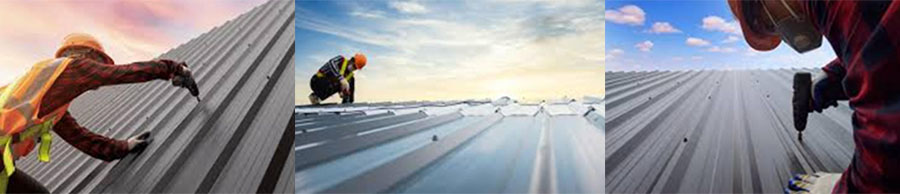 Core Implementation Steps for Steel Structure Factory Roof Maintenance
☆Regular Inspections and Systematic Cleaning
Maintenance begins with proactively identifying potential problems, rather than passively waiting for leaks.
●Scientific Frequency: A routine inspection is recommended quarterly, with an additional special inspection before hurricane or rainy seasons.
●Key Monitoring Areas: Pay close attention to drainage ditches, eaves joints, skylight bases, and fan bases—areas prone to water accumulation and stress concentration.
●Standardized Operations: Use high-pressure water jets to remove dust and algae from the slab surface to prevent microbial corrosion; for rust initiation points, use mechanical grinding to thoroughly remove the surface rust layer, restoring the metal substrate and laying the foundation for subsequent protection.
☆Corrosion Protection and Joint Sealing
Addressing the two major enemies of metal enclosure systems—oxidation and corrosion, and joint leakage—targeted repairs are essential:
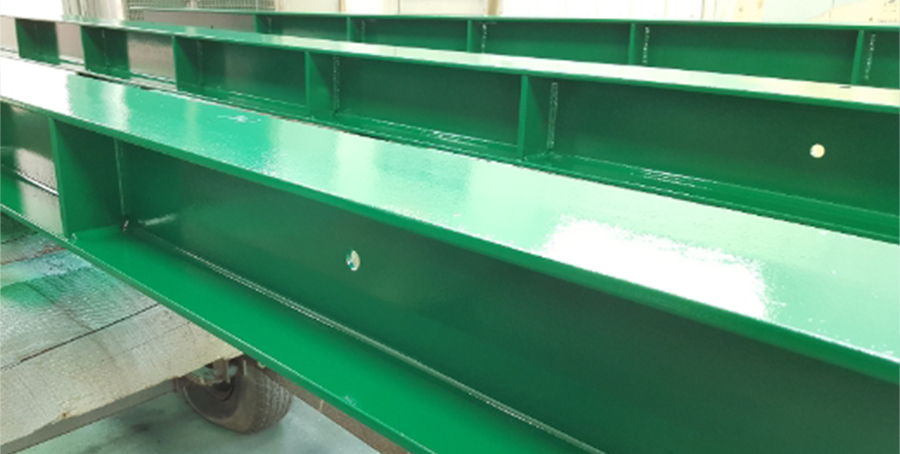
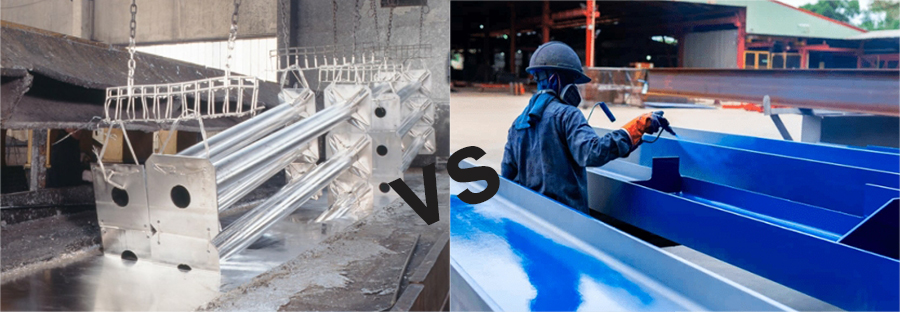
●Coating Repair (Rust Prevention): On a cleaned substrate, first spray a zinc-rich epoxy primer (sacrificial anode protection). After drying, apply a polyurethane or fluorocarbon topcoat to resist UV aging, creating a dual protection of "slow-release + shielding."
●Seal Replacement (Waterproofing): Inspect the sealant at all joints. If hardened, cracked, or detached sealant is found, the old sealant must be completely removed, and a new weather-resistant silicone sealant must be applied. This type of sealant has excellent displacement capacity, adapting to the thermal expansion and contraction of the steel plate, ensuring no leakage for over 10 years.
☆Structural Connection Reinforcement and Drainage System Optimization
As the building ages, dynamic loads (such as wind, snow, and equipment vibration) can cause structural loosening. This step aims to restore the system's mechanical properties.
●Bolt Tightening: Use a torque wrench to randomly check the connections between roof trusses and purlins, and the self-tapping screws between panels. Especially in areas with frequent thermal expansion and contraction, promptly repair or replace loose fasteners to prevent wind damage.
● Drainage Unblocking: Thoroughly clean silt and debris from eaves gutters; repair damaged drain outlets and rainwater pipes. Simultaneously, verify that the roof drainage slope meets the basic requirement of ≥2%. For areas with water accumulation, slope adjustments should be made by adding drainage gutters or adjusting supports to eliminate long-term water accumulation hazards.
☆ Technological Upgrades and Energy-Saving Retrofits
Once basic structural safety is guaranteed, maintenance opportunities can be used to upgrade the roof's functionality, transforming simple "cost expenditure" into "value-added investment."
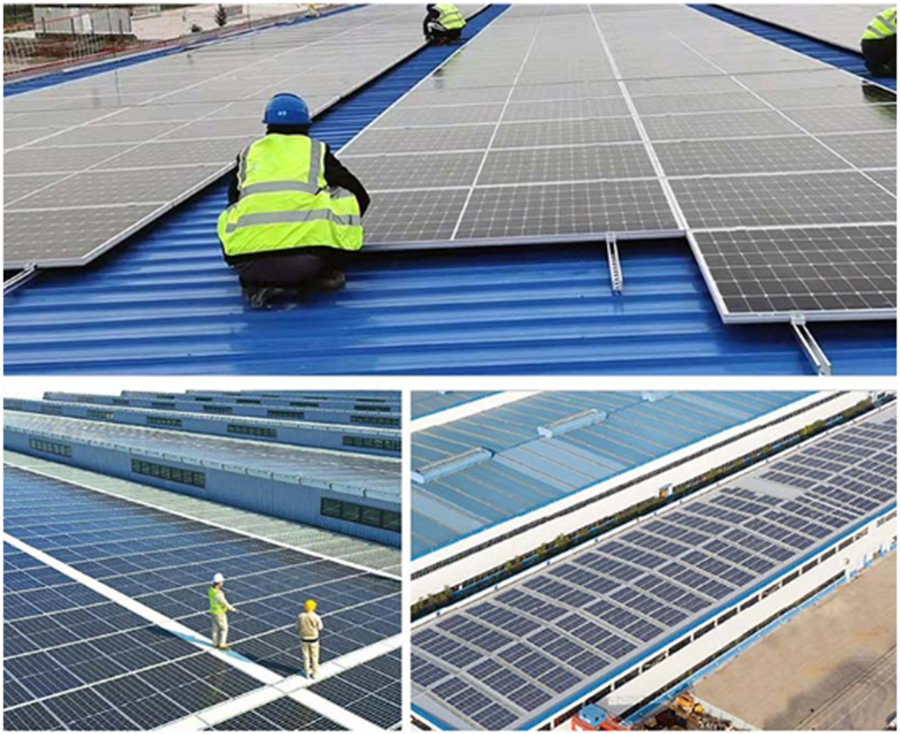
● Photovoltaic System Integration: Utilize major repairs or mid-term maintenance windows to install solar panel supports on the roof. This not only utilizes idle space for power generation and reduces energy consumption but also disperses wind loads to some extent and protects the waterproofing layer.
● Eco-Roof Retrofitting: For factories located in temperate regions, provided the original structure's load-bearing capacity allows, consider installing a green vegetation roof. Specialized root-penetration-resistant waterproof membrane must be laid first, followed by the construction of a lightweight drainage layer, forming a natural "ecological insulation blanket" that significantly improves the factory's winter-warm-and-summer-cool effect.
 Classification Strategy for Steel Structure Factory Roof Maintenance
Precise Maintenance Based on Global Climate Zones
☆Nordic and Arctic Circle Regions (Frigid/Subarctic Zones)
●Main Risks: Long-term freeze-thaw cycles in winter lead to component embrittlement; snow loads may cause structural overload; ice dams formed during melting ice can clog drainage.
●Maintenance Focus:
▪Insulation and Thermal Performance: Increase the density of insulation cotton at purlins to prevent indoor heat leakage and secondary icing after snow melts on the roof.
▪Active Snow Melting: Install electric heating snow melting systems at eaves and drainage gutters to ensure timely drainage of meltwater and prevent ice dams from puncturing the waterproof layer.
☆Southeast Asia and Tropical Rainforest Regions (Hot and Humid Climate)
●Main Risks: High temperature and humidity throughout the year accelerate metal electrochemical corrosion; abundant rainwater, accompanied by fungal and moss growth, clogs drainage and erodes the coating. ●Maintenance Focus:
▪Anti-corrosion upgrade: Mandate the use of stainless steel fasteners (such as 304 or 316 stainless steel) at connection points and areas prone to water accumulation, replacing ordinary galvanized parts.
▪Air circulation: Regularly check roof ventilators or exhaust fans to improve air convection within the roof, reduce the likelihood of condensation, and inhibit mold growth.
☆Middle East and desert regions (arid/continental climate)
●Main risks: Frequent wind and sand abrasion, like sandpaper, wears away the coating on the steel plate surface; extreme ultraviolet radiation causes the organic coating to powder and crack.
●Maintenance Focus:
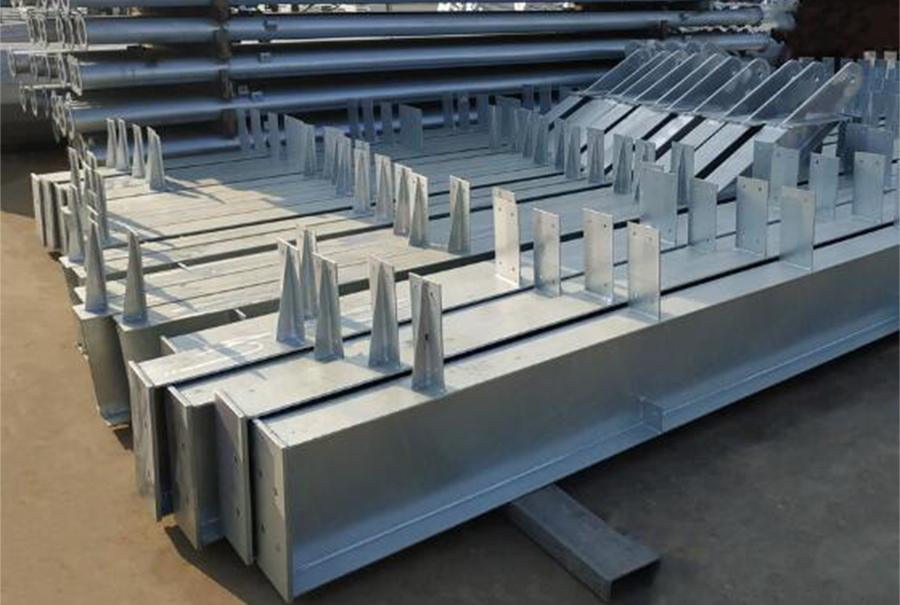
▪Base material selection: Prioritize the use of galvanized steel plates with high zinc coating thickness (such as Z275 and above), utilizing the sacrificial anode properties of the zinc coating to resist rust after minor scratches.
▪High-frequency cleaning: Appropriately shorten the cleaning cycle and promptly remove surface sand. Sand particles absorb water, creating a localized humid microenvironment that accelerates chemical corrosion at worn areas.
☆Global Coastal and Offshore Industrial Areas (High Salt Spray Climate)
●Main Risk: Airborne chloride ions (salt) have extremely high penetrability, easily penetrating ordinary coatings and directly attacking the steel substrate, causing "cancer-like" perforating corrosion.
●Maintenance Focus:
▪Special Coating System: Fasteners and cut edges should be treated with Dacromet coating or hot-dip galvanizing. Dacromet coating has extremely strong salt spray resistance and no risk of hydrogen embrittlement.
▪High-Frequency Washing: After dry weather, frequent high-pressure washing with fresh water is necessary to dilute and wash away salt crystals deposited on the surface. This is the most critical and effective step in coastal maintenance.
Maintaining steel structure factory roofs is far more than just a technical task; it is a strategic tool for enterprises to maximize asset value in the context of global competition. Through site-specific scientific planning and precise maintenance, enterprises can not only strengthen building safety but also effectively reduce energy consumption and improve operational efficiency, transforming passive "cost expenditures" into proactive "competitive advantages." In today's world where sustainable development is a consensus, maintaining every factory building is to safeguard the core competitiveness of an enterprise.
If you have any questions,please contact the Yumisteel team for tailored solutions!Thank you!