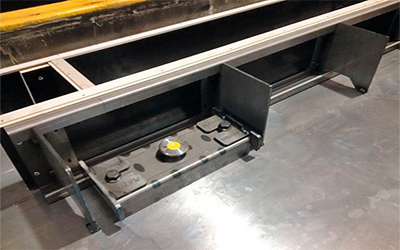
To install a magnetic separator into an existing piping system, it is necessary to operate based on the specific type of equipment and the conditions of the piping. Below are some general installation steps and considerations:
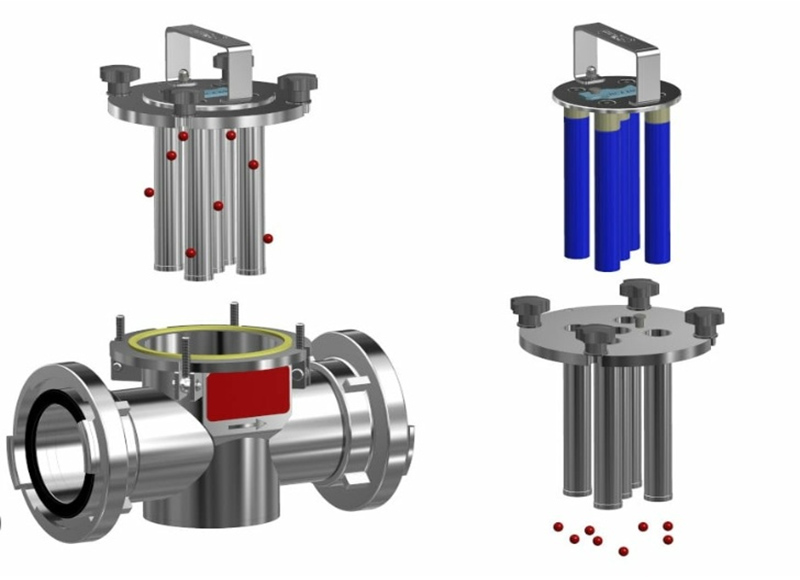
Application image of install a magnetic separator into an existing piping system

 1. **Selecting the Appropriate Installation Location**

- The magnetic separator should be installed at a key location before the liquid enters the processing equipment, such as at the inlet of a pump or upstream in the piping, to ensure that metal impurities are removed before the liquid enters subsequent equipment.

- If the separator is to be installed in a vertical pipe, ensure that the direction of liquid flow is consistent with the design direction of the magnetic separator.

 2. **Installation Methods**

- **Flange Connection**: Many magnetic separators come with flange interfaces, which can be directly connected to the existing piping via flanges.

- **Clamp Connection**: For smaller or lightweight magnetic separators, clamps can be used for quick installation.

- **Threaded Connection**: Some equipment provides threaded interfaces, suitable for smaller piping systems.

3. **Preparation Before Installation**

- Ensure that the piping system is clean and free of residual impurities.

- If there is pressure in the piping, depressurize it first to avoid liquid splashing during installation.

- Check whether the inlet and outlet of the magnetic separator match the piping interfaces. If they do not match, use a reducing coupling for conversion.

 4. **Installation Process**

- **Horizontal Installation**: If conditions permit, install the magnetic separator horizontally to ensure that the liquid passes through the separator evenly.

- **Reserve Space**: Leave sufficient space above the equipment for regular cleaning and maintenance.

- **Secure the Equipment**: Use bolts or other fastening devices to firmly install the magnetic separator onto the piping.

 5. **Electrical and Auxiliary Connections**

- If the magnetic separator requires power or compressed air, ensure that the relevant piping and cables are correctly connected.

- For equipment that requires cooling, ensure that the cooling system (such as insulating oil or cooling water) is properly installed.

 6. **Commissioning and Inspection**

- After installation, conduct a trial run to check whether the liquid can pass through the separator smoothly.

- Check for any leaks or gas leaks in the equipment to ensure that all connections are well-sealed.

- Regularly inspect the effectiveness of the magnetic separator's adsorption and clean the metal impurities that have been adsorbed.

7. **Precautions**

- Avoid applying excessive impact or vibration to the equipment during installation.

- Before performing any maintenance or cleaning work, be sure to cut off the power supply and liquid supply.

- If the equipment is not used for a long period, clean the interior to prevent the accumulation of impurities.


By following these steps, you can ensure that the magnetic separator is successfully integrated into the existing piping system, thereby effectively enhancing the safety and efficiency of liquid food processing.
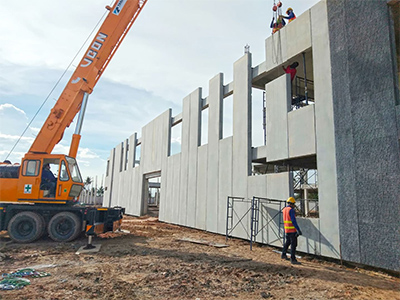
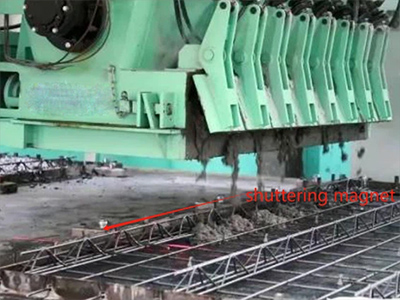
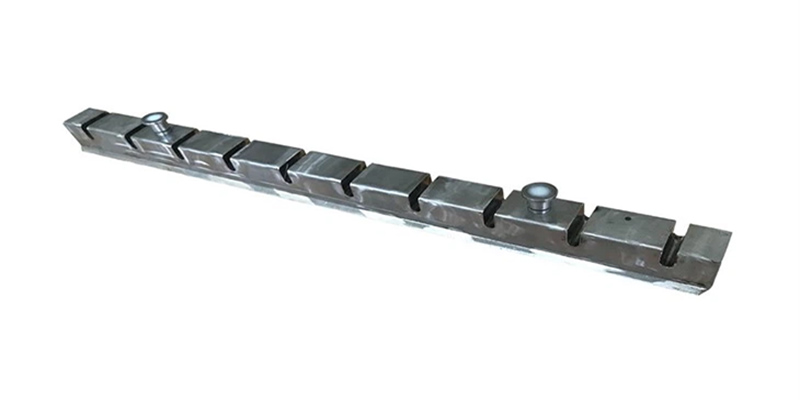
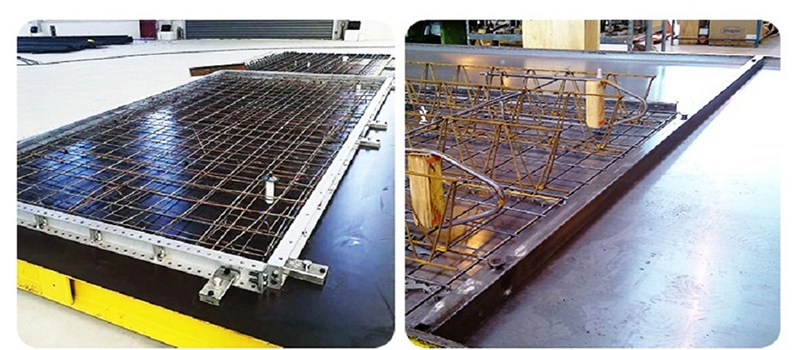
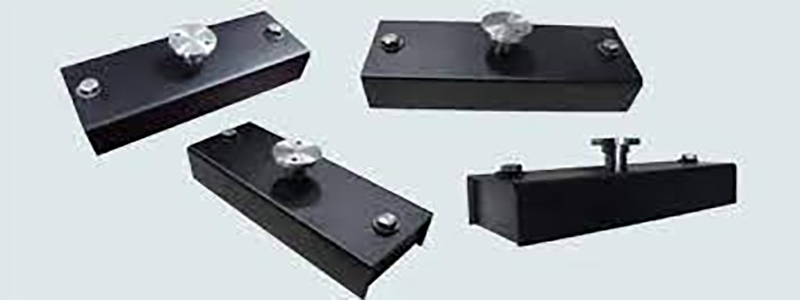
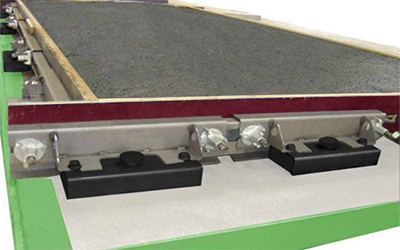
On the prefabricated construction site, when the crane lifts several tons of concrete wall panels and places them precisely in place, few people notice the palm-sized metal boxes in the corners of the steel molds. These devices, called shuttering magnets, silently guard the molding accuracy of each shear wall. They are like invisible hands, firmly "holding" the mold, allowing the "skeleton" of the high-rise building to remain motionless in the torrent of concrete.

Shuttering MagnetsShuttering Magnets


Core Challenge: "Pain of Mold" of Prefabricated Shear Walls

In traditional prefabricated shear wall production, fixed side molds often rely on welding or bolt mechanical fixation. This method is not only inefficient, but also has three major pain points:

1. Accuracy out of control: uneven manual tightening force causes mold displacement and wall thickness error exceeds the limit;

2. Damage to the mold: high welding temperature deforms the steel mold and the bolt holes permanently damage the flatness of the tabletop;

3. Efficiency bottleneck: The installation of a single wall panel mold takes up to 1-2 hours, which seriously slows down the production line rhythm.

The birth of Shuttering Magnets has completely reconstructed this process - magnetic adsorption replaces physical destruction, bringing about a qualitative change in the fixing method.


Magnetic black technology: How can a small magnetic box bear a huge force?

▶ Structural design: a precise system that can achieve great results with just a little effort

- Permanent magnetic core: using NdFeB N52 grade strong magnets, the adsorption force of a single box can reach 450-2100kg;

- Magnetic circuit control: original magnetic shielding steel shell structure, adjusting the magnetic circuit air gap through the switch button to achieve "adsorption/release" switching;

- Mechanical adaptation: double-sided high-strength fastening screws (8.8 grade) can be connected to various side molds such as angle steel and channel steel.

▶ Operational revolution: three steps to complete the fixation of hundreds of tons

1. Positioning: The magnetic box is placed in the preset position of the steel mold table;

2. Activation: Press the button, and the magnet instantly adsorbs the tabletop (adsorption force↑);

3. Clamping: Rotate the side screws to clamp the L-shaped angle steel side mold.

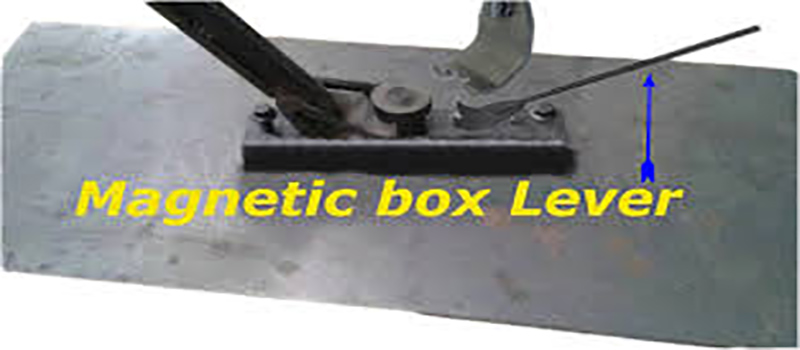
When disassembling, you only need to use a special crowbar to gently lift the button. The magnetic force is attenuated by 90% and can be removed with bare hands.

Cost items Traditional fixing Magnetic box solution
Mold loss High welding deformation scrap rate No contact and zero damage
Labor time 2 people/hour operation 1 person/5 minutes
Maintenance cost Frequent bolt replacement Lifespan over 10 years


4. Win-win situation of safety and environmental protection

- Zero spark operation: eliminate the risk of welding fire;

- Noise reduction and waste reduction: noise is reduced by 40%, and the amount of wooden formwork is reduced by 70%.


Therefore, the magnetic box is not only a tool, but also the fulcrum of lean production of prefabricated buildings.

-

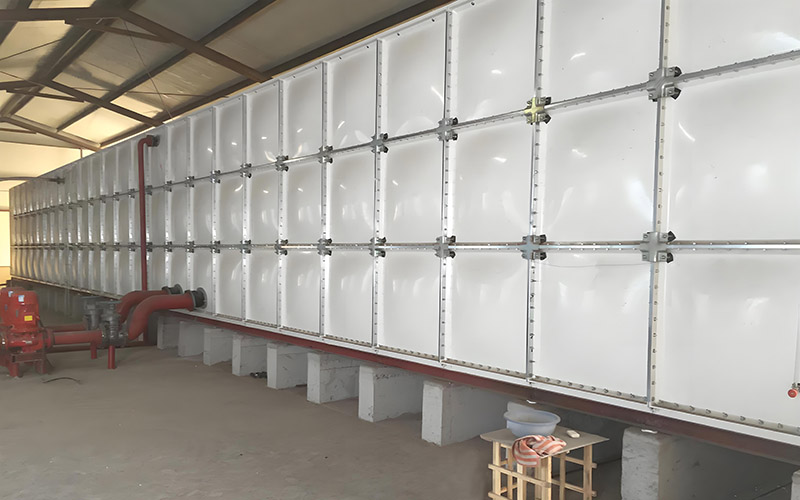
FRP (Fiber Reinforced Plastic) water tanks are known for their durability and long lifespan, typically lasting 20 to 50 years or more, depending on usage and environmental conditions. Their longevity is attributed to the corrosion-resistant nature of the materials, which protect the tank from rust, chemical damage, and environmental wear. However, proper maintenance and usage practices can further extend the lifespan of these tanks.


FRP Water Tank


To maximize the lifespan of an FRP water tank, it is essential to follow a regular maintenance routine. Periodic inspections can help identify minor cracks, leaks, or other issues early, allowing for timely repairs that prevent further damage. Keeping the tank clean by removing sediment buildup and disinfecting regularly ensures optimal performance and hygiene.


Additionally, placing the tank in a shaded or UV-protected area reduces exposure to sunlight, which can degrade the resin over time. Using protective coatings or linings tailored to specific applications, such as chemical storage, also enhances durability.


By adhering to these best practices and working with trusted manufacturers for installation and maintenance, an FRP water tank can provide reliable service for decades, offering a cost-effective and long-lasting storage solution.


BOANG Composites is a professional FRP composites manufacturer in China. We can customize FRP water tanks of various specifications and sizes according to customer requirements. Our products are of good quality and very competitive in price. You are welcome to contact us at any time to discuss cooperation.

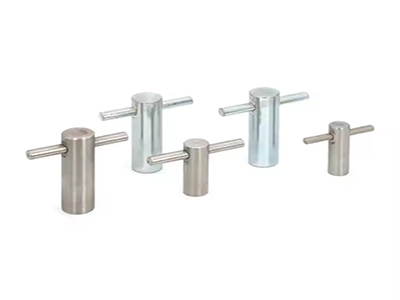
In the precast concrete industry, the shuttering magnet system has become a key technology to improve construction efficiency due to its fast positioning, high precision and reusability. However, the disassembly of the magnet often leads to efficiency bottlenecks due to complex operations or improper tools. As a supporting solution, the Releasing Tool for Shuttering Magnet has completely changed this situation through innovative design and has become an indispensable "efficient demoulding assistant" in the modern building formwork system.

Releasing Tool for Shuttering Magnet

The Releasing Tool is a disassembly tool designed specifically for magnetic mold systems. Its core function is to safely and quickly separate the magnetic mold from the casting platform. Its design highlights include:

1. One-button release mechanism: By pressing the handle or operating the lever, the internal mechanism of the tool can instantly release the magnetic adsorption, avoiding physical damage to the mold or magnet by traditional crowbars.

2. Compatibility and adaptation: supports a variety of magnetic mold specifications (such as U60, aluminum side molds, etc.), and adapts to scene requirements of different magnetic strengths.

3. Ergonomic design: The tool is light and comfortable to hold, reducing operator fatigue, especially suitable for precast factory environments with high-intensity repetitive operations.


Why choose Releasing Tool? Three core advantages

1. Efficiency increased by more than 50% - Traditional magnetic mold disassembly relies on manual prying, which is time-consuming and easy to damage the mold surface. Releasing Tool uses standardized operating procedures to shorten the single disassembly time to less than 10 seconds, which is especially suitable for prefabricated wall panels, beams and columns and other components produced at high frequencies.

2. Double guarantee of safety and durability - The tool is made of high-strength alloy material, which is impact-resistant and corrosion-resistant. Its "contactless" disassembly mechanism greatly reduces the risk of workers' finger pinching and complies with European machinery safety regulations (such as MD2006/42/EC). In addition, the aluminum side molds of the magnetic mold system are used in conjunction with the disassembly tool, and the service life can reach more than 10 years, reducing replacement costs.

3. Environmental protection and economy - By reducing wood consumption and mold loss, Releasing Tool indirectly reduces construction costs. Its reusable characteristics are also in line with the concept of green building.


Usage and maintenance tips

- Operation specifications: Ensure that the concrete reaches the demolding strength (usually ≥15 MPa) before disassembly, and clean the impurities on the surface of the magnetic mold to avoid tool jamming.

- Regular maintenance: Lubricate the joints of the tool every quarter and check the flexibility of the handle mechanism; it is recommended to apply anti-rust oil to the magnetic mold system to extend the service life.

- Training and safety: Operators need to receive professional training and be familiar with the matching method of tools and magnetic molds to avoid misoperation that may cause magnetic attenuation or tool damage.

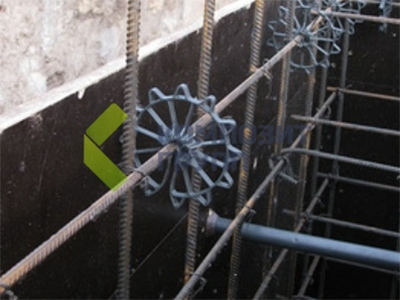
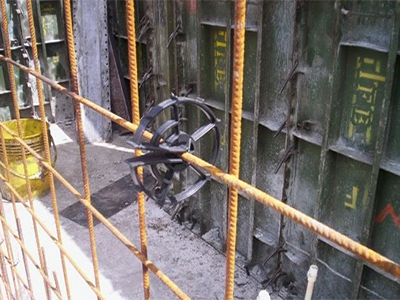
In precast concrete construction, accurate positioning of rebar is a core element to ensure the strength and durability of building structures. As an innovative accessory in modern engineering, Rebar Spacer Wheels are becoming the "invisible guardian" of the global construction industry with their efficiency and reliability. Plastic Rebar Chair is made out of durable non-corroding high-density plastic which is both strong and light. Our rebar chair systems cannot change shape and will provide a uniform concrete cover. A plastic Rebar Chair for concrete support can be used in tilt-up and slab work. They are stable and economical. Its fastening system is strong and versatile.

Rebar Spacer Wheels


Why has Rebar Spacer Wheels For Precast Concrete become the industry standard?

Precisely control the thickness of the concrete cover

Traditional construction relies on sand pads or temporary brackets, which can easily lead to uneven thickness of the cover, while the spacer wheel achieves precise positioning through standardized sizes (such as 1 inch, 3 inches, etc.) to ensure compliance with engineering specifications.

Open design optimizes concrete fluidity

The hollow structure of the spacer wheel allows concrete to flow freely, avoiding the formation of voids or honeycomb defects due to support obstruction, thereby improving the overall density of the structure. Some products also adopt a "point contact" design, which only contacts the formwork through plastic protrusions, reducing the need for repairs after demolding.

Installation efficiency increased by more than 50%

The snap-in design does not require tying wires, and only needs to press the steel bar into the center slot to complete the fixation. It is especially suitable for #3-#6 steel bars, which greatly shortens the construction period.

Long-term durability and environmental protection

High-density plastic materials are resistant to acid and alkali corrosion, and their service life far exceeds that of traditional metal supports. Plastic materials are recyclable and in line with the trend of green buildings.

Rebar Spacer WheelsRebar Spacer Wheels


Key parameters for selection:

Rebar specifications: Suitable for #3-#6 rebar (diameter 9.5mm-19mm).

Protective layer thickness: Select 1 inch to 3.5 inches according to design requirements.

Packing specifications: For large projects, large packaging of 200-2500 pieces per box can be selected to reduce costs.

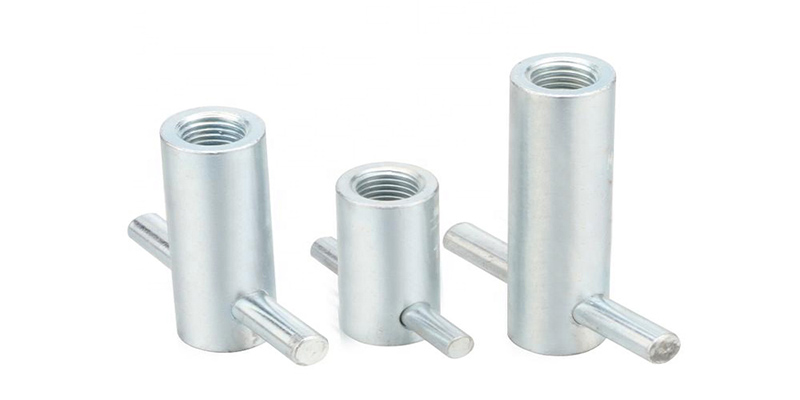
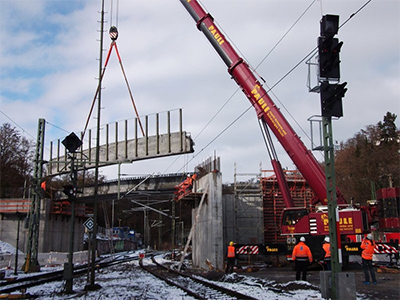
In prefabricated buildings, bridge projects and even nuclear power facilities, the lifting of heavy components has always been a core challenge for construction safety and efficiency. Traditional welding of lifting lugs or wire rope bundling is not only time-consuming, but may also cause concrete cracking due to uneven force. A device called Lifting Socket (lifting sleeve/lifting sleeve) is quietly becoming the "invisible lifting hand" of modern industrialized construction. How does it achieve precise lifting? And why is it called the "soul accessory" of modular buildings?


Lifting Socket

1. Lifting Socket: More than just an "iron ring"

Lifting Socket is a standardized lifting interface embedded in concrete or steel structure. It looks like a simple metal sleeve, but it hides a sophisticated design inside. It can evenly transfer several tons or even hundreds of tons of load to the main body of the component through quick connection with the crane sling, which can be called the "Swiss Army Knife" in the field of heavy lifting.

Core structure revealed

"Steel and iron" sleeve body

- Material: high-strength alloy steel or stainless steel, galvanized or sprayed with anti-corrosion layer on the surface, suitable for harsh environments such as humidity and salt spray.

- Internal structure: threaded hole, conical slot or standardized socket, suitable for eyebolts, shackles or special slings.

- External design: surround the anchor bar or groove to ensure a tight "bite" with the concrete to avoid force disengagement.

Pre-embedded system: invisible foundation

- Fixed in the formwork by binding or welding before pouring, deeply integrated with the component steel mesh to form a "mechanical community".

- Some models support detachable design, which enables the sleeve to be reused and reduces construction costs.


2. Why do we need Lifting Socket?

Three major pain points of traditional lifting

- High risk: The steel wire rope is easily squeezed into the edge of the concrete, which can easily cause cracks.

- Low efficiency: Each component needs to be welded with a lifting lug separately, which is time-consuming and labor-intensive.

- Irreversible: The exposed lifting point destroys the appearance of the component, and the later processing is cumbersome.

Lifting Socket's breakthrough advantage

Safety doubled - The load is evenly dispersed through the embedded system to avoid stress concentration, and the lifting accident rate is reduced by more than 70% (according to ISO 14545 standard test).

Efficiency revolution - The lifting device is "plug and play", and the single connection time is shortened from 20 minutes to 30 seconds, which is particularly suitable for batch prefabricated lifting.

Invisible aesthetics - After completion, the sleeve can be closed with a cover plate to achieve "traceless lifting" to meet the aesthetic needs of high-end buildings.


3. From factory to construction site: Lifting Socket full process analysis

Design stage: Actuarial mechanics and positioning - According to the weight and center of gravity of the component, the number of sleeves and the embedded coordinates are determined through the BIM model, and the error must be controlled within ±2mm.

Four-step installation method

- Step 1: Fix the sleeve on the steel skeleton before pouring, and vibrate and compact after injecting concrete.

- Step 2: After the maintenance is completed, screw in the galvanized eyebolt (thread lubricant needs to be applied).

- Step 3: Connect the crane hook and perform a static load test of 125% rated load.

- Step 4: After the lifting is completed, remove the bolts and cover them with protective covers to prevent foreign objects from entering.

Key points of operation and maintenance

- Rust prevention management: Coastal projects need to check the thread rust every month and use special grease for maintenance.

- Life warning: After a single sleeve is used for more than 200 times, magnetic particle inspection is required to detect internal cracks.


Lifting SocketLifting Socket

From the prefabricated arch ribs of the Sydney Opera House to the immersed tube tunnel of the Hong Kong-Zhuhai-Macao Bridge, the Lifting Socket, with its seemingly low-key attitude, is pushing modern architecture towards a more efficient and safer direction. It is not only a carrier of technology, but also a concrete embodiment of industrial thinking in the field of construction. In the future, with the popularization of intelligent construction, this "invisible screw" may redefine the rules of the game for heavy lifting.

Magnetic formwork system


In the production process of precast concrete components, precision control has always been a key problem. Traditional formwork systems have many problems in terms of dimensional deviation, component consistency and rework rate. Especially in mass production, these problems will be further amplified, seriously affecting production efficiency and product quality. However, with the emergence of magnetic formwork systems, this situation has been significantly improved. With its unique design and function, the magnetic formwork system has brought unprecedented precision improvement to precast concrete production and has become the "new favorite" of the construction industry.


Precise positioning and dimensional deviation control

The Precast Concrete Formwork Magnet uses strong magnetic force to firmly fix the formwork on the prefabricated platform. This magnetic connection method can ensure that the formwork remains stable during the concrete pouring process and will not be displaced by external force or vibration. Compared with traditional bolt or welding fixing methods, the installation and removal of magnetic formwork is simpler and faster, and at the same time avoids dimensional deviation caused by loose installation or welding deformation. In actual operation, workers can quickly adjust the position and angle of the formwork according to the design requirements of the prefabricated components to achieve precise positioning, thereby effectively controlling the dimensional deviation of the components and enabling the dimensional accuracy of the prefabricated components to reach higher standards.


Improved component consistency

When mass-producing precast concrete components, it is crucial to maintain component consistency. The Precast Concrete Magnetic Formwork, through its modular design and standardized magnetic connection parts, can ensure that the formwork system of each precast component has the same structure and size. This means that during the production process, each component can be cast and formed under the same formwork conditions, which greatly improves the consistency of the components. In addition, the magnetic formwork system can also flexibly combine and adjust the formwork modules according to the different shapes and sizes of precast components, achieving diversified production while maintaining high quality consistency.


Reduce rework rate

Since the magnetic formwork system can effectively control dimensional deviations and improve component consistency, the component failure rate caused by formwork problems in precast concrete production has been greatly reduced. During the use of traditional formwork systems, problems such as formwork deformation and loose connections are prone to occur. These problems often lead to quality problems such as cracks and dimensional discrepancies in precast components, which require rework. The magnetic formwork system reduces the occurrence of these problems, reduces the rework rate, and improves production efficiency through its stable magnetic connection and precise positioning function. In mass production, this not only saves time and cost, but also improves the market competitiveness of enterprises.


Ideal for mass production

Magnetic formwork systems are particularly suitable for mass production of precast concrete components. In mass production, production efficiency and product quality stability are the two aspects that companies pay most attention to. The rapid installation and removal function of the magnetic formwork system can significantly shorten the replacement time of the formwork and improve production efficiency. At the same time, its high precision and high consistency can ensure that each precast component meets the quality standards, reducing production interruptions and rework caused by quality problems. In addition, the magnetic formwork system has a long service life and can be reused, which reduces the replacement cost of the formwork. These advantages make the magnetic formwork system extremely cost-effective in mass precast concrete production.

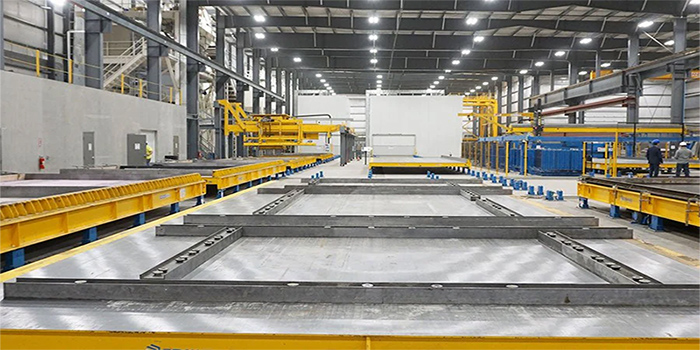
Under the wave of building industrialization, the production efficiency and precision of precast concrete components directly determine the quality and cost of the project. Traditional wooden and steel molds rely on manual positioning and bolt fixing, which often lead to component size errors due to installation deviations, template deformation and other problems. Especially in mass production, the accumulation of small errors may trigger a chain reaction. The magnetic formwork system is becoming a key technology to solve this pain point through innovative design.

Magnetic Formwork

So what is a magnetic formwork system?

It is an innovative technology that uses magnetic force to fix and position the formwork. It uses devices such as magnetic boxes or electromagnetic clamps to firmly adsorb the formwork on the steel bottom formwork or other supporting structures, thereby realizing the rapid installation and removal of the formwork. This system not only improves construction efficiency, but also significantly improves the production accuracy of precast concrete components through precise magnetic control.


The pain of traditional formwork is that it causes the precision out of control and efficiency bottleneck of the project.

Traditional precast concrete formwork faces three major challenges:

1. High dependence on labor: Bolt tightening and support calibration rely on workers' experience, which is easy to introduce human errors;

2. Low repetition accuracy: When the formwork is disassembled and reassembled, the positioning consistency is difficult to ensure;

3. High risk of deformation: Concrete pouring pressure may cause local displacement of the formwork and affect the forming size.

These problems are particularly prominent in large-scale production. According to statistics, the rework rate under traditional processes can reach 5%-8%, and the size fluctuation of each batch of components often exceeds ±3mm, affecting the subsequent assembly efficiency.


 The magnetic formwork system reconstructs the formwork fixing logic through magnetic adsorption technology and modular design:

- Precise positioning: The electromagnetic device is built into the template joint, which generates strong magnetic closure after power-on, achieving seamless docking and eliminating the deviation caused by the gap of traditional bolt holes (accuracy control up to ±0.5mm);

- Rigid reinforcement: The magnetic field is evenly distributed, which increases the overall compressive strength of the formwork by more than 30% and resists the side pressure deformation of the concrete;

- Intelligent control: The sensor is used to monitor the state of the formwork in real time, and the abnormal displacement automatically alarms to prevent the production of batch defective products.

Magnetic Formwork


How to achieve "zero rework" production? There are three advantages to analyze

1. Dimension deviation control: a leap from centimeters to millimeters

The magnetic adsorption force ensures that the template is tightly spliced, avoiding the dislocation caused by loose bolts or welding deformation in traditional processes. Taking a prefabricated wall panel production line as an example, after using the magnetic template, the length deviation is reduced from ±3mm to ±0.8mm, and the qualified rate is increased to 99.6%.

2. Component consistency: the secret of standardized replication

Modular magnetic templates support fast disassembly and resetting. Through the preset magnetic pole encoding, the template is automatically aligned each time it is reorganized to ensure that the dimensions of thousands of components are highly uniform. This is crucial to the "interchangeability" requirements in prefabricated buildings.

3. Reduced rework rate: dual savings in cost and time

High precision directly reduces the need for secondary processing such as repair and cutting. 


Why is it designed for "mass production"?

1. Extremely fast mold change: Traditional template change takes several hours, and the magnetic module can switch to a new component mold within 20 minutes through combination adjustment;

2. Life and reusability: The high-strength magnetic material has a life of more than 100,000 times, suitable for long-term repeated use;

3. Compatible with automation: Seamless docking with robotic arms and casting robots to achieve full-process digital control, suitable for the expansion needs of smart factories.

In large precast concrete projects such as bridges and high-rise buildings, traditional formwork fixing methods (such as bolts and welding) often face problems such as low efficiency, high cost, and easy damage to the formwork. However, the 2100KG precast magnet, with its super strong magnetic attraction and innovative design, is becoming an indispensable "invisible anchor" in modern engineering.


2100KG Precast Concrete Magnets


 Functional principle: perfect combination of magnetic force and mechanical design

The core of the 2100KG prefabricated magnet is composed of a neodymium iron boron (NdFeB) magnet, a steel shell and a magnetic control mechanism. Its unique design releases the magnetic force in a concentrated manner through the cooperation of the magnet and the steel shell, achieving a vertical holding force of up to 2100 kg. The unique "magnetic control box" structure is linked to the magnetic control rod through the magnet block. When operating, the steel template can be adsorbed by pressing the rod body, and the spring assists in rapid disassembly without mechanical damage or complex tools. This design not only simplifies the operation process, but also ensures the reuse rate of the template.


 Core application scenarios in large projects

1. Bridge engineering: precise assembly of modular components

In bridge components such as prefabricated corrugated steel web composite box girders, magnets are used to fix steel formwork and concrete embedded parts. By embedding magnet sheets at the connection between the corrugated steel web and the concrete base plate, the temporary fixing effect of the prefabricated parts can be enhanced, and high-precision assembly can be achieved with prestressed steel bars. This technology avoids the thermal damage to steel caused by traditional welding and reduces the time for on-site adjustment.

2. High-rise buildings: efficient formwork system support

The pouring of concrete walls of high-rise buildings needs to withstand huge lateral pressure. 2100KG magnets can be combined with modular formwork systems to quickly fix steel formwork. Its feature of not requiring drilling is particularly suitable for complex curved surfaces or dense steel bar areas, avoiding the loss of formwork strength caused by drilling.

3. Prefabrication plant: a key tool for standardized production

In the prefabricated concrete component factory, magnets are used to fix the mold table to ensure the stability of the formwork during the pouring process. Compared with traditional screw fixation, magnets support "one-click adsorption" and "lever release", which can shorten the single operation time by 70% and extend the template life by 30%.


Technical advantages: triple improvement in efficiency, safety and economy

1. Efficiency revolution

- Fast installation and disassembly: Magnet fixation only requires pressing down the magnetic control rod, and separation is achieved through the lever principle during disassembly, which is more than 5 times faster than the traditional method.

- Reduced reliance on manual labor: No drilling or welding is required, and the operation can be completed by one person, especially suitable for operations at high altitude or in narrow spaces.

2. Quality assurance

- Zero damage to the formwork: Magnetic fixation has no mechanical contact, which avoids scratches or deformation on the formwork surface and improves the flatness of the concrete molding surface.

- High-precision positioning: The magnet can fine-tune the position, and the error is controlled at the millimeter level, which is suitable for fine construction such as prestressed tendon channels in bridges.

3. Cost optimization

- Reuse rate: The life of the magnet is more than 10 years, and the cost of a single use is only 1/5 of that of the traditional method.

- Reduced material waste: No need to consume consumables such as bolts and welding rods, reducing carbon emissions and resource consumption.


2100KG Precast Concrete Magnets2100KG Precast Concrete Magnets


Safety and maintenance tips

Although magnets have significant advantages, their operation still requires attention:

- Safety protection: Wear anti-pressure gloves when operating large magnets to avoid strong magnetic pinching.

- Temperature control: The working environment must be below 80℃ to prevent magnetic attenuation.

- Regular maintenance: Remove concrete residues and apply anti-rust oil to ensure that the magnet surface is smooth and the suction is stable.

In the production process of precast concrete components, the service life and maintenance cost of the mold have always been the focus of enterprises. The emergence of Magnetic Formwork not only improves production accuracy and efficiency, but also plays a significant role in protecting the mold, thereby further reducing production costs and improving production efficiency. This is specifically reflected in the following factors:


magnetic template system


First, it can reduce mold wear

Avoid mechanical shock: Traditional template fixing methods (such as bolts, clips, etc.) often require tools to tighten or loosen during installation and removal, which will cause mechanical shock to the mold surface. The magnetic template system uses magnetic force to adsorb the template, without the need for tools to force fixation, thus avoiding problems such as scratches and deformation on the mold surface caused by mechanical shock.

Uniform force: The magnetic template system evenly distributes magnetic force on the contact surface between the template and the mold, making the pressure distribution between the template and the mold more uniform. This uniform force method reduces local stress concentration, thereby reducing the risk of deformation or damage to the mold due to uneven force.

Secondly, it can prevent mold deformation

Stable support: The Magnetic Formwork System for Precast Concrete can provide stable support for the mold during concrete pouring. Due to the stability and uniformity of the magnetic force, the template will not loosen or shift during pouring and vibration, thereby ensuring that the mold always maintains the designed shape. This stability effectively prevents the deformation of the mold due to template displacement.

Reduce mold stress: Magnetic Formwork with Precise Alignment ensures a tight fit between the formwork and the mold through precise magnetic control. This tight fit reduces the lateral pressure of concrete on the mold during pouring, thereby reducing the possibility of deformation of the mold due to excessive force.

Finally, it can extend the service life of the mold

Because Precast Concrete Magnets reduce mold wear and deformation, the maintenance requirements of the mold are greatly reduced. Scratches and deformation on the mold surface are one of the main reasons for the shortened mold life, and the protective effect of the magnetic formwork system makes the mold surface smoother and flatter. This good surface condition reduces the frequency of mold repair and replacement, thereby extending the service life of the mold.

The quick installation and removal function of the magnetic formwork system makes it easier to clean and maintain the mold after each use. This convenience not only increases the reuse rate of the mold, but also reduces production delays caused by untimely mold maintenance.

keyboard_arrow_up