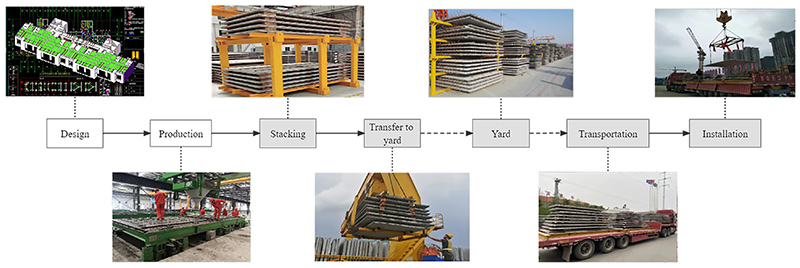
At the heavy steel plate lifting site, the crane moves slowly, but there are no steel cables or hooks below - only an inconspicuous metal plate adsorbing several tons of steel, hanging steadily in the air. Behind this is the power of the magnetic lifter, which uses the "invisible hand" of the magnetic field to completely revolutionize the way heavy materials are transported.
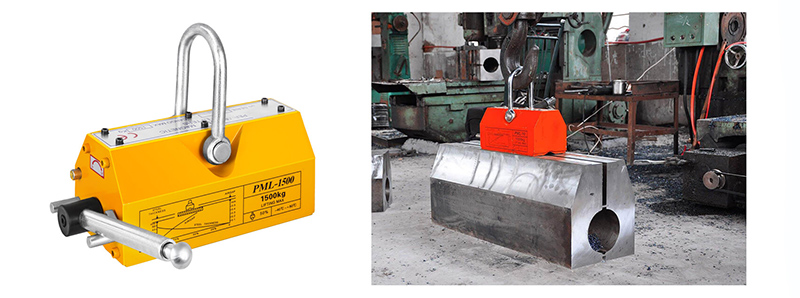
 

magnetic lifter


Core principle: precise control of magnetic field

Magnetic lifters are mainly divided into two types: permanent magnet and electromagnetic. The core of both types is to achieve adsorption and release through the control of magnetic field.

- Permanent magnet lifter: It uses high-performance permanent magnet materials such as neodymium iron boron (NdFeB) inside, and changes the distribution of magnetic lines of force by rotating the mechanical handle. When turned on, the bottom forms a longitudinal magnetic pole to adsorb the load; when closed, the magnetic lines of force are closed inside to achieve "zero magnetic leakage" release. The feature of not requiring power makes it extremely safe in power-off scenarios.

- Electromagnetic lifter: It relies on current to pass through the coil to generate a magnetic field, and the size of the magnetic force can be flexibly controlled by adjusting the voltage. The advantage is that it can be remotely controlled and is suitable for accurately separating single pieces of material from stacked plates. However, it requires continuous power supply and a backup battery to deal with the risk of power outages.

- Innovative combination: Electro-permanent magnet technology (such as Magswitch) combines the advantages of both. It only needs to be powered on for a moment to switch the magnetic state, and no power is required to maintain the magnetic force thereafter, with an energy saving rate of 95%, and supports remote control operation.
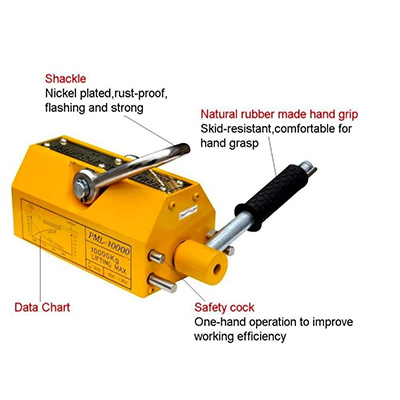
 magnetic lifter

Why is it the darling of the industry?

1. Safe and reliable:

The maximum pull-off force of the permanent magnet type is 3.5 times the rated load, eliminating accidental falling off; the electromagnetic type avoids the arcing failure of the traditional contactor through contactless control technology (such as thyristor module) and improves stability.

2. High efficiency and energy saving:

Permanent magnets do not require electricity, and electromagnetics only consume electricity when working. Compared with hydraulic or mechanical clamps, energy consumption is reduced by more than 90%, and the cost of the cooling system is eliminated.

3. Lightweight design:

The high magnetic energy product of neodymium magnets reduces the size of the equipment by 50%, and it can be carried by manpower, greatly reducing the load of the crane.

Key usage tips: Avoid "magnetic traps"

The performance of magnetic lifters is affected by multiple factors, and ignoring these details may lead to accidents:

Influencing factors Performance changes Solution
Insufficient material thickness Lifting capacity decreased by 30%-50% Select equipment with higher rating
Surface roughness>50μm Magnetic force attenuated by 40% Clean the surface or increase the number of magnets
High carbon steel load Magnetic force weakened by 5%-10% Calculate at 95% of the rating
High temperature environment (>80℃) Neodymium magnets are irreversibly demagnetized Use samarium cobalt magnets (resistant to 350℃)


Good maintenance and monitoring can extend the life:

- Avoid impacting neodymium magnets (brittle materials are prone to breakage);

- Check magnetic force attenuation every two years and replace aged magnet modules;

- Electromagnetically check the battery capacity regularly to ensure that the power-off magnetic retention function is effective.
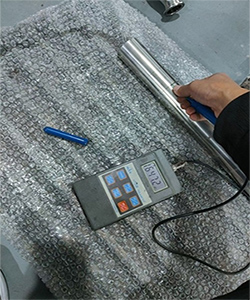
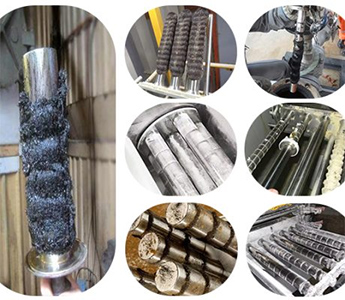


In the production of new energy materials, the strong magnetic iron-removal rods demonstrate excellent performance in adsorbing fine iron filings, which is mainly reflected in the following aspects:


1. High Magnetic Field Strength

Strong Magnetic Rods

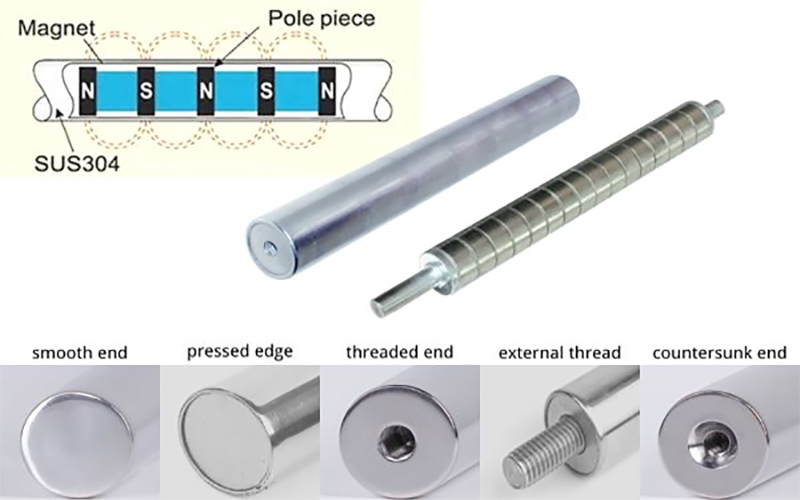
Strong magnetic iron-removal rods are typically made from high-performance neodymium-iron-boron (NdFeB) permanent magnetic materials. These materials possess extremely high magnetic energy and coercivity, capable of generating a magnetic field strength as high as 12,000 - 16,000 Gauss. Under such a powerful magnetic field, even fine iron filings with diameters of just a few micrometers are attracted by the strong magnetic force and are adsorbed onto the surface of the magnetic rod. Experimental data shows that in a magnetic field environment of 13,000 Gauss, the adsorption force of a strong magnetic rod on 5μm iron particles can exceed 1,000 times their own weight.


2. Optimized Structural Design

The structural design of strong magnetic rods further enhances their ability to adsorb fine iron filings. Magnetic rods with a multi-layered magnet structure can effectively increase the magnetic field gradient, thereby improving the adsorption effect on fine iron filings. The outer layer of low-coercivity magnets first adsorbs larger iron filings, while the inner layer of high-coercivity magnets is responsible for capturing finer iron filings. This design can increase the adsorption efficiency of iron filings smaller than 1μm by about 20%. In addition, thinner magnetic rods can produce a more concentrated magnetic field, which is more advantageous for adsorbing fine iron filings.


3.Practical Application Effects

Strong Magnetic Rods

The application of strong magnetic rods in the production of new energy materials has shown significant results. For example, in the production process of silicon-carbon anode materials, by arranging strong magnetic rods in the material conveying pipeline to form an iron-removal device, fine iron filings in the raw materials can be effectively adsorbed, reducing the iron impurity content from an initial 20ppm to below 5ppm. In the grinding process of lithium iron phosphate cathode materials, using a strong magnetic rod with a diameter of 10mm, combined with an appropriate magnetic circuit design, can achieve a magnetic field strength on the surface of the magnetic rod of over 13,000 Gauss, effectively adsorbing fine iron filings generated during the grinding process.


4. Surface Treatment and Maintenance

The surface treatment process of strong magnetic rods is equally important. To prevent corrosion of the magnetic rod during use and to avoid difficulties in cleaning the adsorbed iron filings, the surface of the magnetic rod is usually treated specially, such as being covered with a stainless steel sleeve or food-grade plastic. This surface treatment does not affect the magnetic performance of the magnetic rod, but it can protect the service life of the rod and ensure that its ability to adsorb fine iron filings remains stable over the long term. Regular cleaning and maintenance of the strong magnetic rod are also crucial. Through reasonable maintenance measures, the magnetic rod can maintain good adsorption performance continuously.


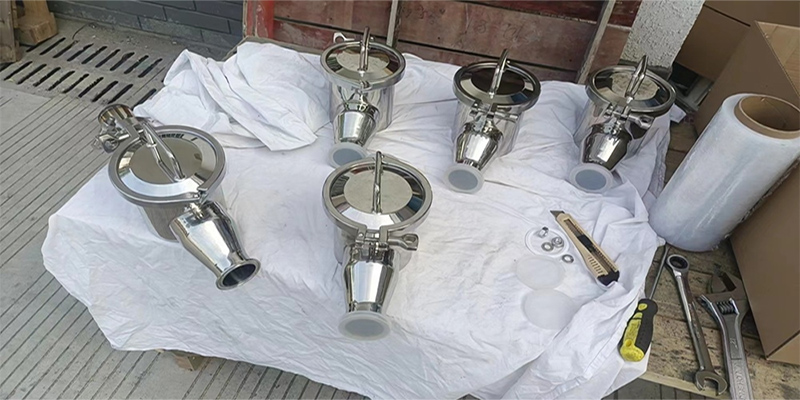
To select an appropriate fluid iron remover for chemical raw material conveying pipelines, it is necessary to consider a variety of factors, including the physical properties, chemical properties, flow rate and pressure of the raw materials, as well as the material and structural design of the iron remover. Here are specific selection recommendations:


 Fluid Iron Remover


1. Selection Based on the Physical Properties of Chemical Raw Materials

Low-viscosity, free-flowing liquid raw materials: Such as water-based solvents, petroleum products, etc., a conventional pipeline-type fluid iron remover can be chosen. The pipe diameter should match the conveying pipeline, and the best iron removal effect is achieved when the material flow rate is controlled at 0.5 - 1.5 m/s.

High-viscosity raw materials or those containing solid particles: Such as coatings, inks, adhesives, etc., a pipeline-type fluid iron remover with a scraper cleaning device should be selected. This device can automatically clean the iron impurities and viscous materials adhering to the surface of the magnetic rod during operation, preventing blockages.


2. Selection Based on the Chemical Properties of Chemical Raw Materials

Corrosive chemical raw materials: Such as sulfuric acid, hydrochloric acid, sodium hydroxide solution, etc., the material of the iron remover must have good corrosion resistance. Iron removers made of stainless steel, Hastelloy, titanium alloy, and other corrosion-resistant materials can be selected, and the magnetic rod's covering layer can be made of corrosion-resistant materials such as polytetrafluoroethylene (PTFE) or PPS.


3. Consideration of Flow Rate and Pressure

Flow rate: Choose a fluid iron remover with a suitable pipe diameter based on the flow rate to ensure smooth material passage.

Pressure: The rated pressure of the iron remover should be 1.2 - 1.5 times higher than the actual operating pressure of the pipeline to ensure the safe operation of the equipment.


4. Selection of Iron Remover Structure and Function

Automatic iron removal function: For continuous chemical production processes, selecting a fluid iron remover with an automatic iron removal function can reduce downtime and improve production efficiency.

Multi-layer filtration structure: Modern fluid iron removers often use a multi-layer filtration structure, which can enhance the iron removal effect.

High-temperature adaptability: If the chemical raw material is a high-temperature fluid, an iron remover made of high-temperature-resistant materials and equipped with a special cooling system should be selected.


5. Other Considerations

Magnetic strength of the iron remover: A fluid iron remover with a magnetic rod diameter of 25 mm can achieve a maximum magnetic strength of 12,000 Gauss, which is suitable for places with high requirements for iron impurity content.

Customized design: Based on specific process requirements, customized fluid iron removers can be selected to meet special requirements for flow rate, pressure, temperature, or chemical environment.

By following the above selection recommendations, it is possible to better choose a suitable fluid iron remover for chemical raw material conveying pipelines, ensuring the high purity of chemical raw materials and the smooth progress of the production process.

Automated Storage and Retrieval Systems (ASRS) have revolutionized warehouse operations by enhancing efficiency, accuracy, and throughput. In this blog post, we'll explore the intricate workings of kingmoresmart ASRS, including the utilization of the four-way shuttle system, high-stability smart adaptive AGV forklifts, and miniload automated storage and retrieval system.

High Stability Smart Adaptive AGV Forklifts

Introduction to ASRS

ASRS is a sophisticated warehouse automation technology designed to automatically store and retrieve goods with minimal human intervention. It encompasses a variety of subsystems and components, each contributing to the seamless operation of the system.


The Four Way Shuttle System

At the heart of many ASRS implementations is four way shuttle automated storage system. This innovative technology comprises shuttle robots capable of moving horizontally and vertically within storage racks. Equipped with gripping mechanisms, these shuttles can grasp and transport storage containers or pallets to designated locations with precision and efficiency.


High Stability Smart Adaptive AGV Forklifts

In conjunction with the four-way shuttle system, ASRS often integrates high stability smart adaptive AGV forklifts. These AGVs are equipped with advanced sensors, cameras, and navigation systems that allow them to autonomously navigate warehouse environments. They can pick up and transport goods between storage racks and loading docks, optimizing material flow and minimizing downtime.


Miniload Automated Storage and Retrieval System

The miniload automated storage and retrieval system is another integral component of ASRS, particularly in facilities handling smaller items or parts. This system utilizes automated cranes or robotic arms to retrieve bins or totes from densely packed storage modules and deliver them to picking stations or packing areas. Miniload ASRS enhances storage density, accelerates order fulfillment, and reduces labor requirements.


How ASRS Works in Practice

In operation, ASRS begins with the receipt of goods into the warehouse. Incoming items are scanned, tagged, and assigned to storage locations based on predefined criteria such as SKU, size, or demand forecast. The four-way shuttle system and AGV forklifts work in tandem to transport goods to their designated storage locations efficiently.


When an order is received, the ASRS system orchestrates the retrieval of the required items from storage. The miniload ASRS retrieves smaller items, while the shuttle system and AGV forklifts handle larger pallets or containers. Once all items are gathered, they are conveyed to the packing area for consolidation and shipment.


ASRS represents a pinnacle of warehouse automation, leveraging cutting-edge technologies such as the four-way shuttle system, high-stability smart adaptive AGV forklifts, and miniload automated storage and retrieval systems. By streamlining storage and retrieval processes, ASRS enhances operational efficiency, accuracy, and scalability, enabling businesses to meet the demands of modern commerce with ease. Understanding the inner workings of ASRS provides valuable insights into the future of warehousing and logistics.


Rod magnets, the "long-distance runners" in the magnetic world, have become indispensable components in various industries and applications, from speakers, sensors, motors to magnetic therapy equipment, with their clear magnetic field direction, good axial action distance, excellent stability and economy. Although they may be surpassed by more modern powerful magnets in terms of absolute magnetic strength, rod magnets are still an irreplaceable and practical choice in areas that require directionality, long action distance, high temperature stability and low cost.

rod magnets


What is a bar magnet?

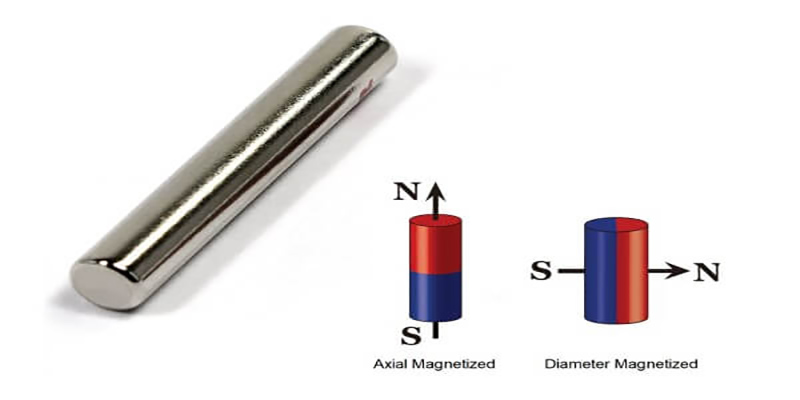
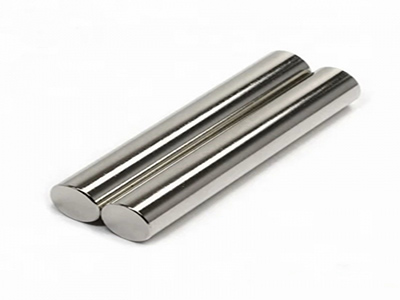
A bar magnet, as the name implies, is a long (cylindrical or cuboid) permanent magnet. It is one of the most basic and intuitive forms in the permanent magnet family. Its core physical properties are:

* Clear pole distribution: The two ends of the bar form a stable North Pole (N) and South Pole (S), which are the areas with the strongest magnetic force.

* Directivity of magnetic field: The magnetic field mainly extends along the long axis of the bar, forming a clear closed magnetic flux line between the two poles. The magnetic field in the middle area of ​​the bar is relatively weak.

* Material composition: The most common material is ferrite (ceramic magnet) because of its low cost, good corrosion resistance and stability. Neodymium iron boron (NdFeB) or aluminum nickel cobalt (AlNiCo) are used in high-performance applications, which can provide stronger magnetic force.


Core performance and unique charm

1. Directed magnetic field, clear and controllable: Its long strip structure naturally guides the direction of the magnetic field, and the two poles are clear, which makes it very advantageous in applications that require magnetic force in a specific direction (such as sensors, magnetic stirring).

2. Balance between strength and size: Although the magnetic force per unit volume may not be as good as some compact magnets (such as square magnets), by increasing the length, it can achieve a significant magnetic range in a specific direction.

3. Strong and durable: Especially sintered ferrite rods, which have excellent corrosion resistance, temperature stability (operating temperature can reach 250°C or even higher) and physical hardness, are not easy to demagnetize, and have a long service life.

4. Economical and practical: Ferrite rod magnets are one of the most cost-effective permanent magnets and are suitable for large-scale applications.


How to make it?

There are two main processes for making rod magnets:

1. Sintering process (mainstream):

* Raw material mixing: Mix ferrite (SrFe12O19 or BaFe12O19) or rare earth magnetic powder (such as NdFeB) with a binder, etc.

* Pressing: The mixture is pressed into a rod-shaped mold under a strong magnetic field. Magnetic field orientation is a key step, which makes the easy magnetization axis of the magnetic powder particles align along the length of the rod, giving the magnetic rod anisotropy (that is, the magnetic properties are optimal along the length).

* High-temperature sintering: The pressed green sheet is sintered and solidified in a high-temperature furnace (about 1200-1300°C for ferrite and about 1000-1100°C for NdFeB) to form a dense microcrystalline structure.

* Magnetization: The cooled "green sheet" is placed in an ultra-strong pulsed magnetic field for magnetization to activate its magnetism.

* Surface treatment and testing: Coating (such as epoxy, zinc, nickel) may be applied to enhance corrosion resistance, followed by strict dimensional, appearance and magnetic performance testing.

2. Bonding process:

* Mixing magnetic powder (such as ferrite, NdFeB or SmCo) with plastic (such as nylon, rubber) or resin.

* Made into a rod shape by injection molding or compression molding.

* The advantages are that complex shapes can be manufactured, high dimensional accuracy, and good toughness; the disadvantages are that the magnetic properties are usually lower than sintered magnets of the same material, and the temperature resistance is poor.


rod magnetsrod magnets

Ubiquitous:

Bar magnets are active in many fields due to their unique shape and stable performance:

* Education and demonstration: A classic teaching aid for physics classrooms to demonstrate magnetic poles, magnetic field lines, and magnetic interactions.

* Industrial sensing and detection:

* Magnetic sensors: Used to detect position, speed, and rotation speed (such as automotive ABS wheel speed sensors).

* Door magnetic switches: The core component for detecting the open and closed status of doors and windows in security systems.

* Magnetic separators: Adsorb and remove ferromagnetic impurities in recycling, mining, and food processing.

* Electronics and electrical:

* Speakers/receivers: Key components for providing a constant magnetic field inside traditional dynamic speakers.

* DC motors: Rod magnets are used in some small DC motors (such as toy motors) to provide a stator magnetic field.

* Magnetic stirrers: The core of the stirrer (often wrapped in Teflon) is the magnetic bar, which is driven by a rotating magnetic field at the bottom of the beaker.

* Daily necessities: magnetic door curtains, tool box fasteners, magnetic hooks, etc.

* Medical and scientific research: They are also used in some experimental equipment and simple magnetic therapy equipment (scientificity and standardization should be noted). They can even be found in some early or auxiliary components of magnetic resonance imaging (MRI) systems.


The Impact of China’s Rare Earth Export Controls on the European Automotive Industry

1.Supply Chain Disruption Risks

Since April 2025, when China implemented export controls on certain medium and heavy rare earths (such as dysprosium, terbium, and samarium) and related magnets, the rare earth inventories of European automotive component suppliers have nearly been depleted. The European Association of Automotive Suppliers (CLEPA) has warned that many production lines and factories have already shut down due to rare earth shortages, and with inventories running out, more production lines are likely to halt in the coming weeks.

The German Association of the Automotive Industry (VDA) has also noted that the slow issuance of export licenses has prevented some suppliers from delivering products on time, thereby affecting the production schedules of automakers.

 2. Production and Economic Impacts

Rare earth magnets are core materials for key automotive components such as electric motors and sensors. Disruptions in the supply of rare earths can lead to production standstills in automotive assembly lines. For example, the Society of Indian Automobile Manufacturers has warned that the rare earth magnet inventories of India’s three major automakers can only sustain normal production for three days. If timely replenishment is not possible, the entire Indian automotive industry may face a complete shutdown.

In Europe, some companies have already been forced to suspend production due to their inability to obtain key rare earth magnets. This not only affects the production plans of automakers but also impacts the automotive industry, a pillar of the European economy.

 3. Industry Response Measures

Some automakers are considering relocating certain production processes to China to circumvent the export controls on rare earth magnets. In addition, some companies are accelerating the development of alternative technologies such as rare earth-free motors to reduce their dependence on rare earths.

The Impact of Rare Earth Policies on Strong Magnetic Rods in the New Energy Industry

Strong magnetic rods, often made from rare earth permanent magnets, are directly affected in terms of production costs by changes in rare earth policies and market conditions. When rare earth prices rise, the production costs of strong magnetic rods increase, putting cost pressure on manufacturers. However, on the other hand, the regulatory policies on the rare earth industry also prompt companies to focus more on product quality and technological innovation to enhance product value, thereby offsetting some of the cost increases.

In the new energy industry, the application of strong magnetic rods is extremely important. For example, in the production of batteries for new energy vehicles, the raw materials for batteries require a very high level of purity. The presence of ferromagnetic impurities can severely affect battery performance. Strong magnetic rods can efficiently adsorb these impurities to ensure the purity of battery raw materials. With the rapid development of the new energy vehicle market, the demand for high-quality batteries continues to grow, which in turn increases the market demand for strong magnetic rods. Despite cost pressures, the rapid development of the new energy industry provides a broad market space for strong magnetic rods.

To cope with the challenges brought about by changes in rare earth policies and market conditions, manufacturers of strong magnetic rods are actively taking measures. On one hand, they are increasing R&D investment to improve the utilization rate of rare earth materials through technological innovation, thereby reducing the amount of rare earths used per unit of product. On the other hand, they are strengthening cooperation with upstream and downstream companies to establish long-term and stable supply chain relationships to jointly address the risks of price fluctuations. For example, some companies have signed long-term agreements with rare earth suppliers to lock in rare earth purchase prices for a certain period, ensuring the stability of raw material supplies.

Amid the regulatory policies and market fluctuations in the rare earth industry, strong magnetic rods in the new energy industry face both challenges such as rising costs and opportunities for increased market demand. Through measures such as technological innovation and optimization of supply chain management, manufacturers of strong magnetic rods are expected to achieve sustainable development in the complex market environment and continue to provide strong support for the high-quality development of the new energy industry.

magnetic rod

Magnetic rods are common cleaning tools, typically used to attract metal impurities such as iron filings and dust. They are widely used in industrial and home settings. Here are the methods for cleaning a magnetic rod:


bar magnet


Preparations Before Cleaning

1. **Power Off or Isolate**: If the magnetic rod is used in industrial equipment or an electrified environment, it is essential to cut off the power supply or remove it from the working environment before cleaning to ensure safety.

2. **Prepare Cleaning Tools**: Gather the necessary cleaning tools, such as brushes (both soft and hard bristle), cloths, and cleaning agents (such as alcohol or soapy water, depending on the material of the magnetic rod and the type of dirt).

Cleaning Steps

1. **Remove Adhered Materials**

   - **Manual Cleaning**: Gently scrape off iron filings, dust, and other impurities adhering to the surface of the magnetic rod with your fingers or tweezers. If there are a lot of adhered materials, you can place the magnetic rod in a container and shake it gently to let most of the impurities fall off.

   - **Using a Brush**: For stubborn adhered materials, use a soft-bristle brush to gently scrub. For harder stains, a hard-bristle brush can be used, but be careful with the force to avoid scratching the surface of the magnetic rod.

2. **Wipe the Surface**

   - **Wet Cloth Wiping**: Use a cloth dampened with water or cleaning agent to wipe the surface of the magnetic rod to remove residual dirt and dust. If the stains are heavy, you can increase the amount of cleaning agent used, but be careful not to let the cleaning agent seep into the interior of the magnetic rod.

   - **Alcohol Wiping**: For stains that are difficult to clean, you can use alcohol to wipe. Alcohol has good solubility and volatility, which can quickly remove oil and stains, and also disinfect and sterilize. After wiping, let the magnetic rod dry naturally.

3. **Inspection and Maintenance**

   - **Inspect the Surface of the Magnetic Rod**: After cleaning, carefully check the surface of the magnetic rod for scratches, dents, or other damage. If damage is found, it should be repaired or replaced in a timely manner to avoid affecting its normal use.

   - **Check the Magnetism**: Use some small iron filings or nails to test whether the magnetism of the magnetic rod is normal. If the magnetism is significantly weakened, it may be due to aging or damage of the magnets inside the magnetic rod, and it needs to be replaced in a timely manner.

Post-Cleaning Maintenance

1. **Drying**: Ensure that the magnetic rod is completely dry after cleaning to prevent residual moisture from causing rust or damage. You can let it dry naturally in a ventilated area or use a clean cloth to dry it.

2. **Storage Environment**: Store the magnetic rod in a dry, clean environment, away from corrosive substances, and avoid high-temperature and humid conditions to extend its service life.

3. **Regular Cleaning**: Depending on the frequency of use and the environment, regularly clean and maintain the magnetic rod. It is generally recommended to clean it once a week or month to keep it in good working condition.

 Precautions

- Do not use overly hard or rough tools to clean the magnetic rod to avoid scratching its surface.

- If the magnetic rod is made of magnetic material, be careful to avoid attracting other magnetic items during cleaning, which can cause damage or cleaning difficulties.

- For some special magnetic rods, such as those with electronic components or precision structures, be extra careful during cleaning to avoid damaging the internal structure.

- If there is rust on the surface of the magnetic rod, you can use a rust remover to treat it, but be sure to choose the appropriate rust remover to avoid corroding the magnetic rod.

In summary, when cleaning a magnetic rod, pay attention to the methods and force used, and also do a good job of maintenance after cleaning to ensure the performance and service life of the magnetic rod.

Differences Between Prefab and Precast

Prefab (prefabricated) and precast are both construction methods that involve creating components off-site and assembling them on-site. However, they have distinct differences in terms of materials, applications, and processes.

Differences Between Prefab and PrecastDifferences Between Prefab and Precast

1. Definition

- Prefab :refers to the process of constructing buildings or structures by assembling prefabricated components. These components can be made from various materials such as wood, steel, or a combination of materials. Prefab construction often involves creating entire sections of a building, like walls, floors, or even whole rooms, in a factory setting. For example, a modular home is a classic example of prefab construction. The modules are built in a controlled environment and then transported to the construction site to be assembled.

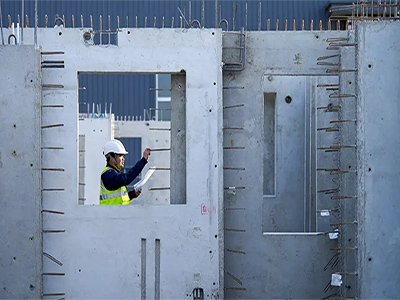
- Precast: specifically refers to the process of casting concrete components off-site. Precast concrete elements include slabs, beams, columns, and panels. They are made in a precast plant where the concrete is poured into molds and allowed to cure under controlled conditions. Once the concrete has reached the required strength, the precast components are transported to the construction site.

2. Materials and Construction Process

- Prefab: construction can use a wide range of materials. For instance, in light - framed prefab construction, wood is a common material. It can be used to create trusses, walls, and floors. The construction process in a prefab factory may involve cutting and assembling these wooden components using nails, screws, and adhesives. In steel - framed prefab construction, steel beams and panels are welded or bolted together. The factory environment allows for precision in cutting and joining these materials.

- Precast: construction is primarily focused on concrete. The process starts with designing the molds according to the required shape and size of the components. Reinforcing steel is placed in the molds, and then concrete is poured in. The curing process is carefully controlled to ensure the concrete reaches the desired strength. The precast components are then lifted and transported using cranes to the construction site, where they are assembled using methods like grouting or bolting to connect them together.

3. Applications

- Prefab: is suitable for a wide variety of building types. It is commonly used for residential buildings such as single - family homes and multi - family apartments. Prefab construction can also be applied to commercial buildings like small - scale retail stores or offices. The flexibility in materials and design allows for customization to meet different architectural requirements. For example, a prefab home can be designed with a modern or traditional style depending on the client's preference.

- Precast: is particularly well - suited for large - scale infrastructure projects and high - rise buildings. Precast concrete components are strong and durable, making them ideal for applications such as bridges, tunnels, and high - rise building facades. In high - rise construction, precast concrete panels can be used for the exterior walls, providing both structural support and a finished appearance. They are also used for the construction of parking garages, where their strength and ability to be pre - designed with parking spaces and columns in mind are advantageous.

4. Advantages and Limitations

- Prefab:has the advantage of faster construction time compared to traditional on - site building methods. Since the components are made in a factory, weather conditions do not affect the production process. This leads to a more predictable construction schedule. However, one limitation is that the size and shape of the components may be limited by transportation constraints. For example, very large or unusually shaped prefab sections may be difficult to transport to the construction site without special equipment.

-Precast: also offers a fast construction pace once the components are delivered to the site. The high - strength and durability of precast concrete make it resistant to weather and wear. But the initial setup of a precast plant and the molds can be expensive. Also, the weight of precast concrete components can be a challenge during transportation and installation, requiring heavy - duty cranes and equipment.


In summary, while both prefab and precast involve off - site construction, prefab is more diverse in terms of materials and applications, and precast is specialized in concrete - based construction. The choice between them depends on the specific requirements of the construction project, including factors such as cost, speed, and the desired characteristics of the building or structure.


Magnetic rods can indeed be used to remove metal impurities from water, especially ferromagnetic particles. Below is information on their working principles and applications:


Can magnetic rods be used to remove metals from water


Working Principles

Magnetic rods remove ferromagnetic particles from water through a powerful magnetic field. These rods are typically made from neodymium or other rare-earth permanent magnetic materials, which can generate a strong magnetic field to effectively capture metal impurities in the water.

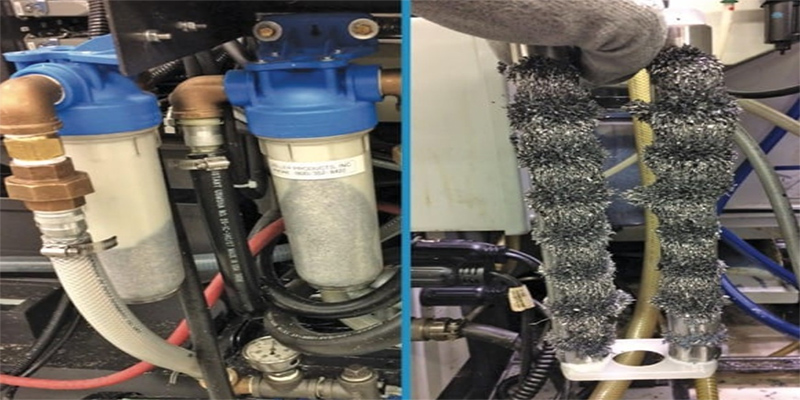
- As water flows past the magnetic rod, ferromagnetic particles such as iron filings, rust, and stainless steel particles are attracted to the surface of the rod, thereby being separated from the water.

- The surface magnetic strength of a magnetic rod can reach up to 12,000 GS, allowing it to remove particles ranging from large grains to colloidal particles smaller than 5 micrometers.

- Magnetic rods can be installed in pipelines or filtration systems. As water flows through, metal impurities are captured by the rod, and the purified water continues to flow downstream.

Applications

Magnetic rods are widely used across various industries to remove metal impurities from water, thereby protecting equipment, improving water quality, and ensuring product quality.

- **Water Treatment**: Used in municipal drinking water treatment to remove iron impurities and improve water quality.

- **Industrial Wastewater**: In industrial wastewater treatment, magnetic rods can remove metal particles from wastewater, enhancing the efficiency of subsequent treatment processes.

- **Food and Beverage Industry**: Used to remove iron fragments from raw materials, ingredients, and finished products to ensure product quality.

- **Chemical Industry**: Used to purify solvents and chemicals, preventing metal contamination.

Advantages

- **High Efficiency in Removing Ferromagnetic Particles**: Capable of removing ferromagnetic impurities ranging from large particles to sub-micron levels.

- **Low Maintenance Costs**: Magnetic rods can be reused after simple cleaning, eliminating the need for frequent replacements.

- **Environmentally Friendly**: Magnetic rod filters do not use chemical agents, reducing environmental impact.

- **Automatic Cleaning**: Some magnetic rod filters come with automatic cleaning functions, reducing manual maintenance.

Limitations

- **Inability to Remove Non-Ferrous Metals**: Magnetic rods can only attract ferromagnetic metals such as iron, nickel, and cobalt, and cannot remove non-ferrous metals like copper, aluminum, gold, or silver.

- **Temperature Limitations**: High-power neodymium magnets can lose their magnetism at high temperatures, limiting their application in hot water systems.

- **Professional Sizing Required**: For large systems, precise sizing based on pipeline diameter and flow rate is necessary to ensure optimal performance.


From Strength to Durability: The Complete Guide to Precast Concrete Selection

Precast concrete has emerged as a cornerstone material in modern construction, offering a blend of superior strength, durability, and versatility that makes it ideal for a wide range of applications. This comprehensive guide aims to provide a detailed overview of precast concrete selection, highlighting its key benefits, production process, and practical applications.


The Complete Guide to Precast Concrete Selection


Production Process:

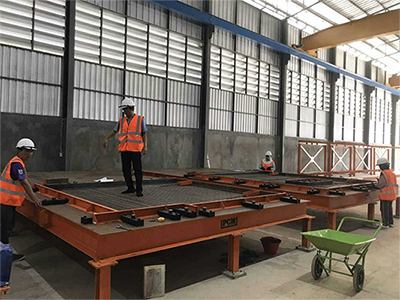
The journey of precast concrete begins in a controlled factory environment, where precision and consistency are paramount. The process starts with the design of molds, which are meticulously crafted to match the specific requirements of the project. These molds are then filled with a carefully mixed blend of cement, water, aggregates, and admixtures. The mixture is poured into the molds and vibrated to ensure proper compaction and eliminate air pockets. Once the concrete is set, it undergoes a curing process in a controlled environment, often using steam or other methods to accelerate strength development. This controlled curing ensures that the concrete reaches its maximum potential strength, often exceeding 7000 psi (48 MPa) and even reaching up to 10,000 psi (69 MPa) for high-performance applications.

 Strength and Durability:

The strength of precast concrete is one of its most notable features. Its high compressive strength allows it to support significant loads, making it suitable for both structural and non-structural applications. The controlled production environment ensures that each batch of concrete is consistent in quality, reducing the risk of defects and failures. Moreover, precast concrete’s durability is unparalleled. Its low permeability prevents water and moisture from penetrating the material, which significantly reduces the risk of freeze-thaw damage and reinforcement corrosion. This makes precast concrete highly resistant to weathering, chemical attacks, and abrasion, ensuring a long service life with minimal maintenance.

Quality Control:

Quality control is a critical aspect of precast concrete production. Every step of the manufacturing process is closely monitored, from the selection and testing of raw materials to the final inspection of the finished product. This stringent quality control ensures that each precast concrete unit meets or exceeds industry standards. The controlled environment also allows for the incorporation of advanced technologies, such as high-performance admixtures and fiber reinforcement, which further enhance the material’s strength and durability.

Applications:

The versatility of precast concrete makes it suitable for a wide range of construction projects. In residential and commercial buildings, precast concrete is used for structural elements such as walls, floors, and beams. Its ability to span large distances without additional support makes it ideal for creating open floor plans. In infrastructure projects, precast concrete is commonly used for bridges, tunnels, and retaining walls. Its durability and resistance to environmental factors make it a preferred choice for projects that require long-term reliability and minimal maintenance. Additionally, precast concrete can be customized to meet specific aesthetic requirements, offering a wide range of finishes, colors, and textures.

 Environmental and Cost Benefits:

Precast concrete is an environmentally friendly option, as the controlled production process generates minimal waste and allows for the use of recycled materials. The energy-efficient curing methods also reduce the overall carbon footprint of the material. From a cost perspective, precast concrete offers significant advantages. While the initial investment may be higher than some other materials, the long-term benefits of reduced maintenance, faster construction times, and extended service life make it a cost-effective choice. The ability to manufacture components off-site also reduces the need for on-site labor and equipment, further lowering project costs.

Design Flexibility:

One of the key advantages of precast concrete is its design flexibility. Architects and engineers can create custom shapes, sizes, and finishes to meet the specific needs of their projects. This flexibility allows for innovative and aesthetically pleasing designs, making precast concrete a popular choice for both functional and artistic applications. Whether it’s a sleek, modern facade or a complex structural element, precast concrete can be tailored to fit any vision.

Safety and Maintenance:

Safety is another important consideration in construction, and precast concrete excels in this area. Its fire-resistant properties make it a safe choice for buildings that require high fire ratings. Additionally, precast concrete structures are highly resistant to natural disasters such as earthquakes and hurricanes, providing an added layer of safety. In terms of maintenance, precast concrete requires very little attention. Its durability means that it can withstand the test of time with minimal degradation, reducing the need for costly repairs and replacements.

In conclusion, precast concrete is a superior building material that combines strength, durability, and versatility. Its controlled production process ensures consistent quality and allows for customization to meet specific project needs. Whether used in residential, commercial, or infrastructure projects, precast concrete offers long-term reliability, cost-effectiveness, and environmental benefits. As construction technology continues to advance, precast concrete remains at the forefront, providing a reliable and innovative solution for modern building needs.

keyboard_arrow_up