In today's rapidly developing new energy vehicle industry, the performance and reliability of the electric motor, as its core drive component, directly determine the vehicle's power output, range, and safety performance. However, the motor manufacturing process is complex, involving numerous metal processing and assembly steps. With even the slightest carelessness, tiny magnetic impurities such as iron filings and rust can enter key components, becoming "invisible killers" during motor operation. Against this backdrop, strong magnetic rods are quietly playing the role of "quality gatekeepers" in motor manufacturing, and their critical role cannot be ignored.


magnetic rods


Strong magnetic rods are capable of performing critical tasks thanks to their superior technical features:

1. High-Intensity Magnetic Field: Made from rare earth permanent magnets (such as NdFeB), they deliver magnetic field strengths exceeding 8,000 gauss, effectively attracting micron-sized ferromagnetic impurities.

2. Temperature Stability: Utilizing high-performance magnetic materials with high intrinsic coercivity and high operating temperature, they maintain stable magnetic properties across a wide range of motor manufacturing environments.

3. Structural Diversity: Magnetic rods can be designed in various sizes, shapes, and magnetic strengths to meet diverse application scenarios and installation requirements, meeting the diverse requirements of motor manufacturing.


Strong magnetic rods, with their powerful iron removal capabilities, are used throughout the entire process of new energy vehicle motor manufacturing, from core processing to winding production to final assembly, silently protecting the quality and performance of the motor.

1. Motor Core Production: The "Nemesis" of Iron Filings

The production of motor cores is inseparable from silicon steel sheets. During the punching, shearing, and lamination processes, the mechanical forces of the equipment cause wear on the cutting tools and dies, leading to the generation of iron filings.

These seemingly insignificant iron filings can be extremely harmful if they enter the motor core. During motor operation, the iron filings within the core generate additional eddy current losses under the influence of the alternating magnetic field, causing severe heating of the core. This not only reduces motor efficiency but, over time, can damage the core and shorten the motor's lifespan.

High-strength magnetic rods are installed at the discharge port of silicon steel sheet processing equipment. Their powerful magnetic field acts like a keen "iron filing hunter," rapidly attracting iron filings. Made of rare earth permanent magnets with a high magnetic energy product, they can achieve magnetic field strengths exceeding 8,000 gauss, easily capturing even micron-sized iron filings.

2. Winding Production: The "Guardian" of Insulation

Enameled wire is the "blood vessels" of the motor windings, and the integrity of its insulation directly determines the safe operation of the motor. Iron impurities from worn winding dies or the raw materials themselves can enter the windings along with the enameled wire. Under the long-term effects of current heating and electromagnetic forces, iron impurities can easily pierce the insulation, causing short circuits between turns and leading to motor failure.

Inserting strong magnetic rods into the enameled wire delivery pipeline intercepts iron impurities at the source, ensuring the purity of the windings. Data shows that the use of strong magnetic rods increases motor power generation efficiency by approximately 8%, contributing to additional vehicle range. Higher power generation efficiency means that vehicles can travel farther with the same amount of power, precisely meeting consumers' demand for longer driving range.

3. Motor Assembly: The "Gatekeeper" of Purity

Strong magnetic rods also play an indispensable role in the motor assembly process. The motor casing, end caps, and internal connectors can also carry impurities such as iron filings during processing and handling.

Strong magnetic rods can be installed at key locations on assembly equipment to remove iron from components entering the assembly area, ensuring a clean environment within the motor and preventing various failures caused by iron impurities.


Finally, why do new energy vehicle motors require strong magnetic rods in particular?

New energy vehicle drive motors primarily include permanent magnet synchronous motors and induction asynchronous motors, with permanent magnet synchronous motors accounting for 94% of the domestic market.

These motors typically utilize neodymium iron boron permanent magnets, offering advantages such as high power density, high operating efficiency, high torque, and smooth operation. However, they also place higher demands on cleanliness:

1. Efficiency Requirements: New energy vehicle motors must maintain high efficiency across a wide speed range. Any excess loss caused by iron impurities will impact range.

2. Compact Design: Motors are trending towards higher speeds and smaller sizes, resulting in more sophisticated internal structures and increased sensitivity to impurities.

3. Reliability Requirements: As a core component of the vehicle, the reliability of the motor is directly related to its safety and service life.

As the construction industry continues to innovate and develop, precast concrete is gaining increasing popularity due to its high efficiency and environmental friendliness. The application of magnet technology in precast concrete formwork systems is a significant innovation in the industry, bringing significant value to construction projects by streamlining the construction process, improving efficiency, and reducing costs. As the technology matures and its application expands, magnet systems are expected to become a standard practice in precast concrete construction in the future, making a significant contribution to promoting high-quality development in the construction industry.

Precast Concrete Magnets

What are Precast Concrete Magnets?

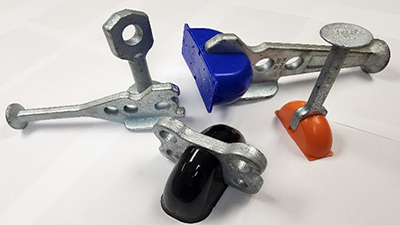
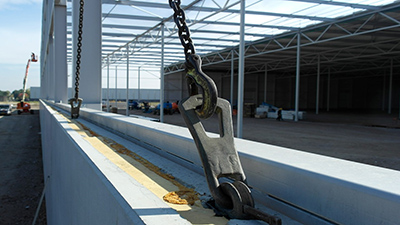
Precast concrete magnets are a relatively new type of concrete formwork magnet used in the construction industry. They are designed to securely fasten precast concrete forms and panels to steel beams and columns. Made from powerful permanent magnets, these magnets are lightweight yet strong enough to withstand weights of up to 2,100 kg, making them ideal for use in precast concrete plants.


Precast concrete magnets can be categorized into several different types depending on their specific use case:

1. Shutter Magnets (Formwork Magnets) – Formwork magnets are primarily used to secure side rails and blocks during the pouring of concrete onto stainless steel plates. The magnetic array exerts a strong attraction on the steel plates, enabling the opening and closing functions to be achieved by clamping the handle.

2. Magnetic Groove Formers – These magnets are used to create grooves and details in concrete, providing precise shaping solutions for various architectural elements.

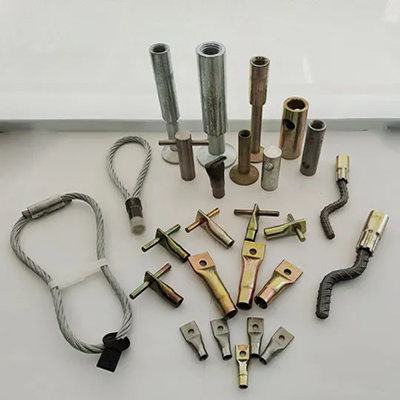
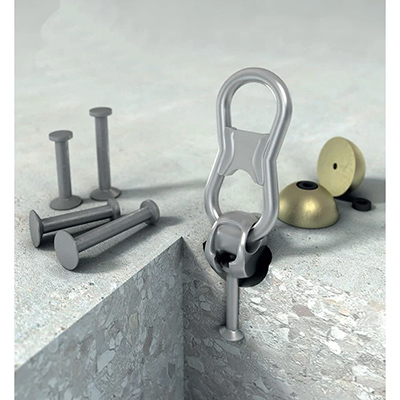
3. Concrete Insert Magnets – Construction workers need to reserve various holes for switches and pipes, as well as pre-embedded connections and lifting cylinders. Insert magnets are used to secure these pre-embedded components. Their shape and principle are very similar to those of common pot-shaped neodymium magnets.

4. Embedded Sleeve Fixing Magnets – These magnets are specifically designed for creating various holes for switches and pipes in precast concrete components. For example, a 50 mm diameter, 10 mm thick fixing magnet with an M16 screw screws into the sleeve and can achieve a suction force of approximately 70 kg.


 Precast Concrete MagnetsPrecast Concrete Magnets


Using magnet technology offers several significant advantages for precast concrete construction:

💰 Reduced Costs and Improved Efficiency - Magnet systems can significantly reduce labor and material costs while improving installation efficiency. By eliminating the need for mechanical fasteners, contractors can save time and money, reducing labor costs.

🎯 Precise Positioning - Magnets can be easily and precisely positioned, eliminating the need for screws, bolts, and welding, while also preventing damage to the stainless steel surface.

🔄 Reusability - Magnet systems are reusable, resulting in a long service life and a short payback period. A set of pre-buried sleeve-mounted magnets can be used repeatedly over and over again, significantly reducing overall costs.

🏗️ Improved Safety - While ensuring safety, magnet technology significantly improves the work environment, making the construction process safer and more controllable.

🌱 Environmentally Friendly - Compared to traditional cast-in-place construction, precast construction inherently offers low pollution, low waste, and high efficiency. The use of magnet technology further enhances these environmental advantages.


How the Magnet System Works

The precast concrete magnet system utilizes strong magnetic forces to hold precast concrete components together, eliminating the need for traditional mortar or grout. This technology offers numerous advantages over traditional methods, including faster installation times, reduced labor costs, improved safety, and greater design flexibility.


To ensure the long-term performance and service life of the magnet system, proper care and maintenance are essential:

- Preventing Magnet Damage: Minimize damage to the magnets by avoiding external forces.

- Maintaining a Clean Working Surface: The working surface of the permanent magnet lifter's magnetic array should be clean and smooth.

- Ensuring Switching Flexibility: Protect the magnet's switching flexibility from being affected by foreign metal filings and concrete.

- Rust Prevention: Perform appropriate rust prevention measures, ensuring that the maximum operating temperature of the template magnets is less than 80°C.

In the world of precast concrete, the chamfer, a seemingly insignificant detail, has a far-reaching impact on a component's aesthetics, functionality, and safety. A well-designed and executed chamfer not only enhances a product's visual appeal but also significantly improves its durability and performance. Embedded chamfers are a crucial component of this. This is because embedded chamfers are more than just a simple accessory or process improvement. They are a key symbol of the precast concrete industry's transition from "extensive production" to "precision manufacturing."


chamfer


First, let's explain the key role chamfers play in the precast industry:

1. Preventing stress concentration and improving structural durability: Concrete edges are prone to stress concentration when subjected to stress, leading to cracks or damage. Chamfering, by transforming a 90-degree angle into a bevel, effectively distributes stress and enhances impact resistance. This is particularly suitable for components in high-use areas or those subject to loads.

2. Protecting edges and reducing chipping and corner breakage: Precast components are susceptible to damage from sharp edges during production, transportation, and installation. Proper chamfering or rounding can significantly reduce the risk of chipping and corner breakage, reducing repair costs and time.

3. Facilitating demolding and improving production efficiency: In mold design, chamfering component edge transitions facilitates demolding and protects the finished product. It reduces resistance during demolding, prevents the component from sticking to the mold or damaging it, and ensures a smoother production process.

4. Enhanced Aesthetics and Texture: Detailed chamfering breaks the monotony of the concrete surface, creating elegant light and shadow effects under light, enhancing the refinement and overall texture of the component, and meeting the aesthetic requirements of the building facade.

5. Improved Waterproofing: In areas such as basement walls, chamfering combined with impermeable concrete can optimize the concrete's inherent waterproofing and moisture-proofing capabilities, reducing the occurrence of leaks.


Embedded chamfers are so important to the prefabrication industry, what are its main types?

Types Main Materials Main Features Typical application scenarios
PVC embedded chamfers PVC plastic Lightweight, economical, corrosion-resistant, easy to form, suitable for various angles and sizes General components such as interior and exterior wall panels, composite panels, etc.
Metal embedded chamfers Stainless steel, galvanized steel High strength, wear resistance, good durability, providing clear and sharp chamfer lines Heavy components, high-frequency use areas, and plain concrete
Rubber/elastomer embedded chamfers Synthetic rubber, polyurethane High elasticity, excellent demoulding properties, reusable, reduced chipping Complex shapes, special-shaped components, components that are difficult to demould
Composite foam embedded chamfers Polystyrene (EPS) Lightweight, permanently retained in the component, simplified construction, low cost Guide grooves to control cracks, replacing back slits
Degradable embedded chamfers Special paper or fiber After bonding with concrete, it solidifies and can be degraded and removed after curing to form a uniform chamfer Components with special production processes or specific requirements for chamfered surfaces


🔍 Selection Considerations

Choosing the appropriate embedded chamfer type for your project requires comprehensive consideration of the following factors:

Component function and design requirements: Is structural strength and aesthetics (such as bare concrete) of primary importance, or simply edge protection? For heavy components or areas prone to impact, a stronger chamfer strip should be selected.

Concrete properties: Concrete's fluidity and shrinkage can affect the quality of the chamfered form. Concrete with poor fluidity requires a chamfer strip that effectively resists pressure and prevents deformation.

Production process and demolding: Production lines requiring rapid demolding may prefer chamfer strips with high elasticity to reduce resistance. Mold design (such as forward or reverse) also influences chamfer strip selection and fixing method.

Environmental exposure: Will the component be exposed to a corrosive environment, subject to wet-dry cycling, or freeze-thaw? These factors determine the material's durability requirements.

Cost and project scale: Large projects can mitigate the mold costs of customized chamfer strips. For smaller projects or cost-sensitive projects, standardized PVC strips are more economical.


chamfer


⚠️ Construction Tips

When using pre-buried chamfers, pay attention to the following during construction:

Accurate positioning and secure fixing: Precise positioning is required during installation, ensuring that they do not shift or float during pouring and vibration. Typically, they are secured using slots, dowel pins, or special clamps on the mold.

Ensure compatibility and sealing: Check that the chamfer material is compatible with concrete additives (such as water reducers). During installation, ensure that the joints with the mold are sealed to prevent leakage and affect the clarity of the chamfer.

Proper pouring and vibration: Carefully vibrate the area around the chamfer to ensure that the concrete is dense and free of voids. However, be careful not to over-vibrate the chamfer, which could damage it or cause it to shift.


In modern industrial production, the purity of raw materials often directly determines the quality of the final product. Whether in grain processing, plastics production, or resource recycling, efficiently removing ferromagnetic impurities from raw materials has always been a critical issue. As a highly efficient magnetic separation device, the GRID MAGNET SEPARATOR is becoming an "industrial guardian" on production lines across various industries.


GRID MAGNET SEPARATORGRID MAGNET SEPARATOR

First, what is a barrier magnetic separator?

A barrier magnetic separator is a grid-like magnetic separation device constructed using high-strength permanent magnets or an electromagnetic system. Its primary function is to automatically and continuously remove ferromagnetic impurities from free-flowing powders, granules, or slurries, thereby protecting downstream equipment, ensuring product purity, and improving production safety.

Compared to traditional magnetic separation equipment, the barrier magnetic separator utilizes a unique grid design, providing a larger adsorption area and more efficient processing capacity, making it particularly suitable for handling materials with large flow rates.


Secondly, the core operating principle of a magnetic separator is the precise application of magnetic force. The working principle of a fence magnetic separator is based on the different physical properties of ferromagnetic and non-magnetic materials in a magnetic field:

1. Material Passage: The material to be processed passes through a grid-like array of magnetic bars.

2. Adsorption Separation: Ferromagnetic impurities are captured by the high-intensity magnetic field and adsorbed on the surface of the magnetic bars.

3. Pure Material Passage: After impurities are removed, the pure material continues to the next process.

4. Periodic Cleaning: Adsorbed impurities are periodically cleaned manually or automatically.

This design ensures continuous and efficient production, allowing for uninterrupted operation without downtime.

GRID MAGNET SEPARATOR

Features:

High-power, low-cost magnetic plates for separating feed materials in hoppers.

Made with strontium ferrite or rare earth neodymium iron boron magnets.

Round or rectangular, with a stainless steel body.

Single or dual element options for optimal separation.

High-temperature resistant grid made of alnico magnets.

Magnets are easily removable for cleaning.


A variety of magnetic screen types are available, including:

Product Purity: Ensures removal of ferrous contaminants, improving product quality

Equipment Protection: Protects processing equipment from damage caused by metal contamination, reducing downtime and repair costs

Compliance: Helps meet audit requirements and industry standards for product safety

Easy Installation and Maintenance: Simple installation, typically requiring no power or maintenance

Versatility: Customizable to various sizes and application requirements

Standard Magnetic Screens: Designed for general applications, available in a variety of sizes and magnetic field strengths

Easy Clean Magnetic Screens: Designed to simplify removal of captured contaminants

Encapsulated Easy Clean Grid Magnetic Separators: Designed as a drop-in replacement for standard vibrating screens

Automatic Magnetic Screens: Self-cleaning grids designed for continuous operation


GRID MAGNET SEPARATORGRID MAGNET SEPARATOR

Industry application scenarios

Food Processing Industry

In the processing of grain, flour, starch, and other foods, fence magnetic separators effectively remove metal impurities from raw materials, ensuring food safety and compliance with HACCP and FDA standards.

Plastics and Chemical Industry

Protecting expensive equipment such as injection molding machines and extruders from damage by metal impurities while improving product quality.

Pharmaceutical Manufacturing

Ensuring the purity of raw materials during the processing of pharmaceutical raw materials and complying with GMP standards.

Recycling Industry

Effectively separating metal impurities during the recycling of waste plastics and waste paper improves the quality of recycled materials.

Mining and Building Materials Industry

Protecting crushing and grinding equipment during ore crushing and cement production, reducing wear and tear.


Please refer to the Installation and Maintenance Guide.

Key Points for Correct Installation

1. Ensure installation in an area with smooth material flow.

2. Maintain a proper installation angle.

3. Allow ample space for cleaning and maintenance.

4. Ensure proper grounding (electromagnetic type).

Daily Maintenance Recommendations

1. Regularly check magnetic strength (every 6 months).

2. Promptly remove adsorbed metal impurities.

3. Inspect seals and for wear.

4. Keep the equipment clean and dry.

In the modern construction industry, precast concrete technology is gaining increasing popularity due to its high efficiency, environmental friendliness, and controlled quality. Amid this shift toward prefabrication, a relatively unassuming yet crucial technological innovation is quietly changing the rules of the game: precast building magnet technology. This powerful magnetic fastening system is gradually replacing traditional mechanical fastening methods, bringing unprecedented changes to the construction industry.


Before the advent of prefabricated building magnets, the construction industry primarily relied on mechanical fasteners to secure precast concrete forms and panels. These traditional methods, which included screws, bolts, and welding, presented numerous unavoidable issues:

- Time and labor consuming: Each fastening point required manual operation, resulting in inefficient installation.

- Material damage: Mechanical fastening required drilling holes in steel plates and precast components, compromising the structural integrity of the materials.

- Limited precision: Manual positioning was prone to deviation, impacting construction quality.

- Non-reusable: Many mechanical fasteners were single-use, increasing costs and waste.

- Safety risks: Working at heights and using power tools increased construction hazards.


Prefabricated building magnets


How do prefabricated construction magnets work?

Prefabricated construction magnets are fixtures based on high-performance permanent magnets (such as neodymium iron boron) that generate powerful magnetic force through a cleverly designed magnetic circuit system. These magnets typically take the form of a hollow, bottomless rectangular box with a magnetic attraction assembly at one end and a button lever and securing stud at the other.

The operating principle is simple: When the magnet box is placed on a steel formwork table or prefabricated component, the high-performance permanent magnets within generate a powerful magnetic force, which is transmitted through the magnetic guide sheet to securely hold the prefabricated component in place. A button lever can be operated to turn the magnetic force on and off, enabling quick securing and removal of the prefabricated component.


Let's focus on how prefabricated construction magnets are replacing traditional processes.

1. Application in Wall Fixing

The traditional method of installing prefabricated wall components requires multiple people to coordinate, perform measurement and positioning, and perform complex drilling and fixing processes. With prefabricated construction magnets, simply place the magnetic box in the designated position on the formwork, activate the magnets with a push of a button, and then bring the prefabricated wall close to the magnetic box. The magnets instantly secure the wall in place. This method not only speeds up installation but also ensures wall stability and verticality while minimizing damage to the wall material.

2. Innovation in Floor Installation

Traditional methods for installing prefabricated floor components require extensive support structures and mechanical connectors. With magnet technology, the magnetic box can be embedded in the support structure beneath the floor. Once the prefabricated floor component is in place, the magnets automatically secure it. This nail- and glue-free installation method not only simplifies the construction process but also prevents loosening and deformation of the floor over time.

3. Advantages in Roof Assembly

Magnet technology demonstrates unique advantages in the assembly of precast roof components. Through magnetic force, adjacent precast roof components are tightly attached to form a stable overall structure. Furthermore, the magnetic suction effectively resists external factors such as wind pressure and temperature fluctuations, ensuring the safety and durability of the roof.

4. Innovation in Formwork Fixing

Formwork fixing is crucial in precast concrete production. Traditional methods, using mechanical clamps and bolts, are not only time-consuming and labor-intensive, but also prone to formwork deformation and concrete leakage. The magnetic fixing system uses powerful magnetic force to securely fasten the formwork to the steel formwork base, significantly improving the accuracy and efficiency of formwork installation.

Prefabricated building magnets

Precast concrete magnets come in several types, depending on their specific use case:

1. Magnetic Chamfers: Used to create chamfers on concrete edges

2. Insert Magnets: Embedded in concrete to provide a secure attachment point

3. Baffle Magnets: Used to secure side rails and blocks

With the continuous advancement of science and technology and the development of industrialization, chemical production has become an indispensable and important industry in modern society. During chemical production, maintaining a clean and safe production environment is particularly important. However, the presence of metallic iron often has a negative impact on the production process. To address this issue, fully automatic iron removers have emerged as a key piece of equipment in chemical production.


Fully automatic iron removerFully automatic iron remover


First, let's discuss the working principle of a fully automatic iron remover.

A fully automatic iron remover uses a high-strength magnetic source (such as a permanent magnet or electromagnetic coil) to generate a magnetic field, automatically attracting ferromagnetic impurities from the material. Its core advantages are:

Continuous operation: No downtime for cleaning is required, as automatic scraping and iron removal mechanisms ensure uninterrupted operation.

Intelligent identification: Combining metal sensors and a PLC control system, it accurately detects and separates ferrous impurities.

High adaptability: Suitable for a variety of material forms, including powders, granules, and liquids, and featuring corrosion- and high-temperature resistance, it meets the demands of specialized chemical environments.


Why fully automatic iron removers play such important roles in chemical production? The fundamental reason is this: Iron impurities in chemical raw materials can cause multiple problems:

Catalytic side reactions: Iron ions can catalyze unwanted chemical reactions, reducing product purity.

Equipment wear: Hard iron filings accelerate wear on equipment like pumps, pipes, and reactors, increasing maintenance costs.

Product contamination: Especially in the fine chemical industry (such as electronic-grade chemicals and pharmaceutical intermediates), trace amounts of iron impurities can render a product scrapped.

Safety risks: Friction between iron particles and equipment can generate sparks, potentially causing accidents in flammable and explosive environments.


While seemingly a minor step in the production process, fully automatic iron removers are crucial for ensuring product quality, cost control, and production safety. In today's increasingly competitive chemical industry, technological innovation that prioritizes every detail is crucial for enhancing a company's core competitiveness. This is reflected in the following aspects:

1. In plastic and rubber production, fully automatic iron removers remove iron impurities from raw materials, preventing black specks and streaks in finished products and enhancing product appearance and purity. They also reduce wear on precision components like screws and molds caused by iron filings, extending equipment life, reducing maintenance costs, and protecting processing equipment. They also eliminate sparks generated by friction between iron impurities and equipment, reducing the risk of explosions and ignitions. This is particularly crucial in the production of flammable polymers, ensuring production safety.

2. In the pesticide and coating industries, fully automatic iron removers prevent iron ions from catalyzing unwanted chemical reactions, preventing pesticide degradation, discoloration, skinning, and decreased stability, thereby ensuring stable product performance. Removing iron impurities reduces interference with pigment color development, ensuring vibrant and consistent color across batches of coatings and pesticide formulations. This helps products meet stringent impurity content standards in both domestic and international markets (such as EU REACH), breaking through trade barriers.

3. Regarding new energy materials, it can strictly control ferromagnetic impurities in cathode materials (such as lithium iron phosphate and ternary materials), preventing increased battery self-discharge, increased internal resistance, and capacity degradation, thereby improving battery energy density and cycle life. It also eliminates the risk of short circuits introduced by magnetic metal foreign matter, significantly improving battery safety and preventing thermal runaway.


Supplement:

👀After understanding the importance of a magnetic separator, choosing the right equipment is crucial.

Type How it works Features Applicable Scenarios
Drawer-type iron remover The material flows through the permanent magnetic rod, the iron chips are attracted by it, and the cylinder pulls the magnetic rod layer by layer to automatically discharge the iron. The structure is relatively simple and can work continuously without pausing feeding when discharging iron. Suitable for powder and granular materials, such as plastic granules, food raw materials, etc.
Rotary iron remover The rotating magnet generates a strong magnetic field, which continuously attracts iron and automatically removes impurities through the scraper. It has large processing capacity and high degree of automation, and is suitable for continuous production lines. Suitable for powder or granular materials with high flow rate and high iron content.
Pipeline iron remover It is directly integrated into the pipeline and uses magnetic force to absorb iron impurities in the flowing material in the pipeline. Easy to install, good sealing and space saving. Suitable for removing iron in pneumatic conveying or liquid pipelines, such as coatings, slurries, etc.


💡 Usage Recommendations

Proper Installation: Typically installed at the inlet/outlet or at the front/end of the production line.

Regular Maintenance: Clean the magnetic bar or surface of the magnet regularly according to the instructions to ensure optimal iron removal performance. Check the equipment for wear.


In the chemical industry, production continuity and superior product quality are the lifeblood of a company's survival and development. Any unexpected interruption or minor flaw can result in significant financial losses and reputational risk. In this never-ending battle for survival, one critical piece of equipment remains at the forefront of the pipeline, like a silent and loyal guardian: the fluid iron remover. Today, we'll explore how this "defender" safeguards the core interests of modern chemical production with its irreplaceable value.

Fluid iron remover


The First Line of Defense: Defending Against Invisible Intruders

Chemical fluids (raw materials, intermediates, and finished products) are highly susceptible to contamination by metal particles during their long journey. These intruders come from hidden sources:

Equipment wear: Chronic wear of pumps, valves, and agitators produces metal debris.

Corrosion products: Rust and flaking from the inner walls of pipes.

Raw material carryover: Impurities inherent in the initial raw materials.

Maintenance residue: Weld slag and metal debris left behind after repairs.

These micron-sized metal particles, while seemingly insignificant, are insidious destructive agents, posing a fatal threat to continuous production and product quality.

The Vital Role of Liquid Iron Removers: From "Cost Center" to "Value Center"


Liquid iron removers use high-strength magnetic forces to absorb these metal impurities. Their role goes far beyond simple "filtration" and directly creates core value for businesses:

1. Protecting the Lifeline of Product Quality

This is the most direct role of an iron remover. For high-end fine chemicals, high-performance resins, pigments and dyes, food and pharmaceutical-grade raw materials (such as citric acid and sorbitol), and electronic-grade chemicals (such as hydrogen peroxide and sulfuric acid), product purity is the core of competitiveness. Even ppm-level (parts per million) metal impurities can cause:

2. Product Coloration: Iron ions are strong colorants that can cause transparent products to turn yellow and white products to turn gray, severely impacting their appearance.

Catalytic Side Reactions: Residual metals can act as catalysts, triggering unwanted oxidation and polymerization reactions during storage or use, leading to product deterioration and failure.

Performance Alterations: For polymer materials, metal impurities can severely impact their dielectric properties, mechanical strength, and transparency.

3. Ensuring the Safety and Long-Term Operation of Production Equipment

Metal particles are an invisible threat to equipment health. Protecting Core Equipment: High-speed pumps, precision metering valves, nozzles, and other equipment can be scratched or stuck by hard metal particles, causing severe wear and even equipment failure, leading to unplanned downtime and significant losses.

Preventing Catalyst Poisoning: Many chemical processes rely on expensive catalysts (such as Pd and Pt catalysts). Iron impurities can cover the active sites of the catalysts, permanently poisoning and deactivating them, significantly increasing production costs.

Eliminating Safety Hazards: In production processes involving high pressure, high temperature, or flammable and explosive materials, the friction of metal particles can generate sparks, posing a significant safety risk. Magnetic separators can effectively eliminate this hazard.

4. Saving Energy and Reducing Consumption, Improving Economic Efficiency

Reducing Scrap: Effectively removing defective iron-containing products directly reduces quality losses and rework costs.

Extending Equipment Life: Reduced equipment wear reduces maintenance frequency and spare parts procurement costs.

Protecting Catalysts: Extending catalyst life saves money, far outweighing the investment in the magnetic separator itself.

Reducing Energy Consumption: Clean fluids provide less resistance to transmission, helping to reduce pumping energy consumption.


The application of magnetic separators permeates the entire chemical production lifecycle. Their installation location isn't arbitrary; it's based on a deep understanding of the process and accurate assessment of potential risk points. In modern chemical design, they've evolved from an "optional component" to a core standard feature that ensures safety, quality, and efficiency.

Applications Main Purpose Examples of typical fluid media
Raw material pretreatment Keep a tight control on the entrance to prevent external contamination Process water, solvents, acids, mineral leachates, syrups, starch slurries
Reaction and catalysis Protect catalysts and maintain reactors Catalyst slurry, circulating reaction materials, polymerization monomers
Intermediate product processing Ensure cleanliness between processes and protect refining equipment Liquid before filtration, ion exchange resin feed, evaporator feed
Final product refining Guaranteed factory quality to meet high-end needs Electronic-grade chemicals, pharmaceutical-grade products, high-end resins, recycled lubricants

Fluid iron removerFluid iron remover


How to Optimize Selection and Use?

To maximize the value of a liquid iron remover, correct selection and application are crucial:

1. Accurate Selection is Key:

Material Characteristics: Consider the liquid's viscosity, temperature, pH, and corrosiveness to select equipment with appropriate materials (such as 304/316L stainless steel or Hastelloy) and sealing type.

Impurity Characteristics: Analyze the size, content, and magnetic properties (strong/weak) of the impurity particles to determine the required magnetic strength (Gauss value) and gradient.

Flow Rate and Pipeline Pressure: Select specifications that match the main pipeline to minimize pressure drop and prevent disruption to normal production.

2. Preferred Equipment Type:

Permanent Magnet: Energy-efficient and maintenance-free, with long-lasting magnetic force, suitable for most applications involving the removal of strongly magnetic impurities.

Electromagnetic: Adjustable and switchable magnetic force facilitates automatic cleaning, making it suitable for applications with high impurity content or requiring frequent cleaning. However, this method consumes more energy.

3. Establish a Scientific Maintenance System:

Regularly clean the magnetic rods or plates based on the impurity content to prevent a thick impurity layer that affects adsorption or even washes away by the fluid.

Incorporate cleaning and inspection of the iron remover into your daily inspection and preventive maintenance (PM) program.


What Is Cantilever Scaffolding?

      A cantilevered scaffold is a type of scaffolding that extends horizontally beyond its support structure, providing an extended working platform for construction workers. It is commonly used when there are obstacles, such as ledges or projections, preventing the placement of a conventional scaffold directly against the building or structure. By using cantilevered scaffolds, workers can safely access areas that would otherwise be difficult to reach.


Advantages Of Cantilevered Scaffolds

Cantilevered scaffolds offer several advantages over traditional scaffolding systems. Let's explore some of the key benefits:


Increased Accessibility

One of the primary advantages of cantilevered scaffolds is their ability to provide extended reach and accessibility. By extending the scaffold platform beyond the support structure, workers can access areas that would otherwise be inaccessible or require more complex scaffolding arrangements. This increased accessibility enhances productivity and efficiency on the construction site.


Optimal Workspace Utilization

Cantilevered scaffolds allow for efficient utilization of workspace. By extending the platform outward, workers have more room to maneuver and perform tasks without interference from the main structure. This results in better workflow and improved productivity.

Enhanced Stability

When working at height, stability is of the utmost importance. Cantilevered scaffolds are designed to provide exceptional stability and support, ensuring a secure working environment for construction workers. With proper installation and adherence to safety guidelines, cantilevered scaffolds offer a reliable and stable platform for various construction activities.


Versatility And Adaptability

Cantilevered scaffolds are versatile and adaptable to different construction scenarios. Whether you're working on a building facade, bridge, or any other structure with obstacles, cantilevered scaffolds can be customized to fit the specific requirements of the project. This flexibility makes them a preferred choice for many construction professionals.


A Cantilevered Scaffold Consists Of Several Key Components:


Main Scaffold Structure:

The main scaffold structure serves as the primary support for the cantilevered platform. It is typically attached to the building or structure using anchor points or other secure fastening methods.


Cantilevered Platform:

The cantilevered platform extends horizontally beyond the main scaffold structure. It is constructed using sturdy materials such as steel or aluminum and provides a safe working area for construction workers.


Counterweights Or Tiebacks:

To maintain stability, cantilevered scaffolds employ counterweights or tiebacks. These additional supports balance the weight distribution and prevent the scaffold from tipping or collapsing.


Guardrails And Toeboards:

Safety is of utmost importance on construction sites. Cantilevered scaffolds are equipped with guardrails and toeboards to protect workers from falls and ensure a secure working environment.


Proper Usage And Safety Guidelines:


To ensure the safe and efficient usage of cantilevered scaffolds, it is essential to adhere to specific guidelines. Here are some best practices to follow:


  • Thorough inspection: before each use, the scaffold must be thoroughly inspected, including all components, fittings and fixings. Look for any signs of damage, wear or instability. If any problems are found, they must be rectified immediately before continuing to use the scaffold.


  • Proper Installation: Ensure that the cantilevered scaffold is correctly installed and securely fastened to the main structure. Follow the manufacturer's guidelines and consult with qualified professionals if needed.


  • Weight Capacity: Do not exceed the recommended weight capacity of the scaffold. Consider the combined weight of workers, tools, and materials to prevent overloading, which can compromise the scaffold's stability.


  • Secure Footing: Place the scaffold on a stable and level surface to prevent tipping or shifting. Use appropriate base plates, mudsills, or other stabilizing measures as required.


  • Fall Protection: Always utilize guardrails, toeboards, and personal fall arrest systems when working on cantilevered scaffolds. Ensure that these safety measures are properly installed and regularly inspected.


  • Regular Maintenance: Perform routine maintenance and inspections to identify and address any potential issues promptly. Lubricate moving parts, replace worn-out components, and keep the scaffold clean to prolong its lifespan and maintain optimal performance.


Conclusion


      In summary, cantilever scaffolding is a flexible and efficient construction tool that provides good coverage of complex areas. Through correct installation, stability assurance and regular maintenance, the safety and efficiency of construction can be significantly improved. Whether working at heights or in confined spaces, the proper use of this scaffolding system can not only optimize the construction process, but also ensure worker safety, thereby providing reliable support for various construction projects.

      AJ Scaffolding is a leading scaffolding factory in China. In addition to cantilever scaffolding, ajbuildscaffold also provides other scaffolding and its accessories. Our professional quality inspectors will re-test the quality of the products before they leave the factory, including thickness, diameter, weight, load, etc., to ensure the quality of your products. If you want to know more about our products, please contact us and we will provide you with a quote!


FAQs:


What are the main advantages of using a cantilevered scaffold?

  • Cantilevered scaffolds offer increased accessibility, optimal workspace utilization, enhanced stability, and versatility in various construction scenarios.


Can a cantilevered scaffold be used on uneven surfaces?

  • Yes, cantilevered scaffolds can be adjusted and customized to accommodate uneven surfaces. However, it is crucial to ensure proper stability and levelness before use.


Are there any weight restrictions for cantilevered scaffolds?

  • Yes, each cantilevered scaffold has a specified weight capacity. It is essential not to exceed this capacity to maintain stability and prevent accidents.


What safety measures should be taken when using cantilevered scaffolds?

  • Safety measures include conducting thorough inspections, proper installation, adhering to weight capacity guidelines, using fall protection systems, and performing regular maintenance.


Can cantilevered scaffolds be used for both indoor and outdoor projects?

  • Yes, cantilevered scaffolds can be used for both indoor and outdoor construction projects. However, specific considerations may be necessary based on environmental factors such as weather conditions and terrain.


Are there any alternatives to cantilevered scaffolds?

  • While cantilevered scaffolds are highly versatile, there are alternative scaffold systems available, such as supported scaffolds, hanging scaffolds, and mobile scaffolds. The choice depends on the project requirements and site conditions.


Relevant Information:


The Diagram Of Traditional Cantilevered Scaffolding --- RESEARCHGATE

Cantilevered Scaffolding Royalty-Free Images --- SHUTTERSTOCK

Access Reguirements For Cantilevered Work Platforms --- OSHA


Customized container homes for luxury glamping

—Honey, it's trending all over the world!

Customized container homes for luxury glamping


Imagine sleeping in a chic metal box-turned-luxury suite, surrounded by nature—no setup hassle, no bugs, just pure Instagrammable bliss. This is where and why this trend’s blowing up worldwide:


1.Costa Rica: Jungle Chicluxury container house plans


You’re in a rainforest, right? But your room is a luxury container homes suite with floor-to-ceiling windows. Relocatable design means they can move cabins if the jungle reclaims the land.

How’d they build it so fast? Prefab construction—they made the pieces in a factory and slapped ’em together on-site. No bulldozers, no mess. Costs about $200/night, but you get solar power, outdoor showers, and monkeys yelling “good morning.”


2. Greece: Beachfront Minimalism

precast house construction


Ever seen a container cafe on a cliff? Steel modular construction keeps costs low—no fancy materials needed. Just add sea breeze. 

In Santorini, a dude turned two rusty boxes into a seaside villa. It’s painted blue-and-white like the churches, with a rooftop hot tub. For $150/night, you get Wi-Fi, a kitchenette, and sunrise views. Downsides? The bathroom’s tighter than a submarine’s. But who cares when you’re drinking ouzo by the Aegean?


3. Japan: Tiny Zen Pods for City Burnouts

container architecture


Prefabricated modular systems let them stack units Like building blocks. Perfect for Japan’s “small but perfect” vibe.

In Nagano, there’s a container hotel that looks like a spaceship landed in a bamboo forest. Rooms are eco capsules—super tiny but sleek, with tatami mats and tea sets. No TV, but there’s an onsen (hot spring) nearby. Tokyo workaholics pay $300/night to “detox.” One guest said, “It’s like Marie Kondo designed a tent.”


4. Texas, USA: Glamping for Cowboys with Cash

shipping container 4 plex


Steel structure companies built these to survive tornadoes. Because… Texas.

Forget RVs—this ranch uses shipping container 4-plexes (four containers welded together) as luxury cabins. Think heated floors, private chefs, and a fire pit shaped like a longhorn. Costs $800/night, but you get Instagram bragging rights. One guest joked, “It’s like Yellowstone but with margaritas.”


5. South Africa: Safari on a Budget

mini storage steel building prices


The container homes here are more economical than local hotels, and you can even enjoy some luxury here.

Near Kruger Park, a storage container underground house lets you sleep below dirt level (to avoid curious elephants). It’s basic—zebra-print blankets, outdoor showers—but only $80/night. At night, you hear lions roar. Pro tip: Don’t leave snacks outside.


6. Indonesia: Bamboo + Containers = Tropical Cool

container house inspiration


In Bali, a container house Tamil-inspired design mixes steel boxes with bamboo roofs. It’s got a pool, open-air kitchen, and costs $120/night. Guests love the “jungle industrial” look. One review said, “It’s like Indiana Jones meets IKEA.”


Why this trend of luxury glamping with container homes sticks?

Prefab” = Speed: Need a pop-up glamping site for a music festival? Temporary steel structures go up in days.

Relocatable” = Flexibility: Hate your neighbor’s campfire songs? Move your self-storage metal building kit to a quieter spot.

Eco Capsule” = Tiny But Mighty: Perfect for solo travelers who just want a bed and a view.

Whether you’re a backpacker or a CEO, container glamping lets you “camp” without sacrificing your latte habit. 


Top 10 container house manufacturers in China


Establishing partnerships with credible manufacturers is pivotal when entering the container housing market. For those unfamiliar with China’s industry landscape or supplier vetting processes, this article synthesizes key sector insights, profiles top-tier manufacturers, and addresses common queries. Leverage this analysis to navigate China’s container housing Industry information with clarity and confidence.


1 Definition of Container Houses


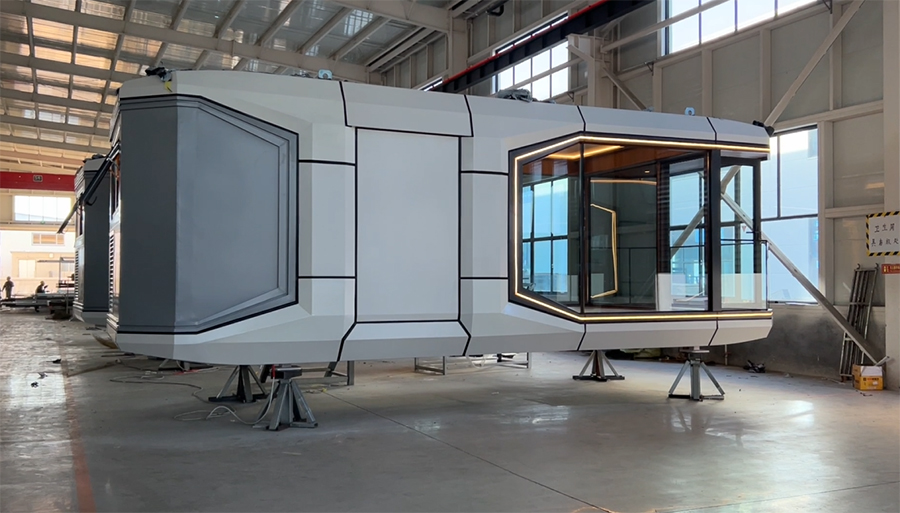
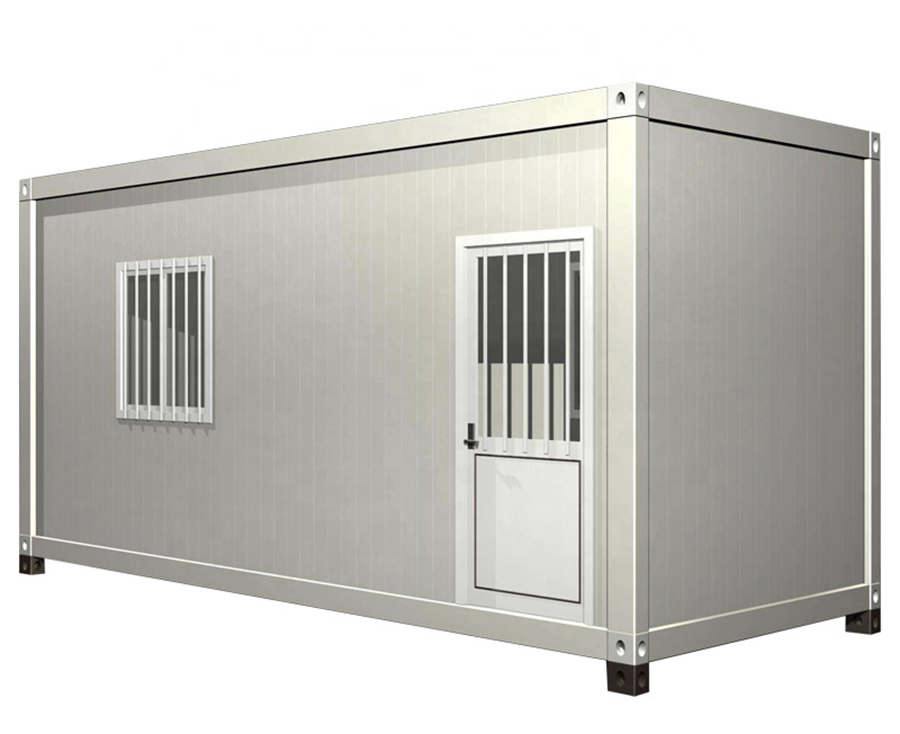
Container house here is a prefabricated, modular structure designed for residential, commercial, or industrial use, characterized by its standardized rectangular form and steel-frame construction. Unlike shipping-container-based homes, which repurpose decommissioned cargo containers, a true container house is engineered from the ground up using lightweight yet durable materials such as galvanized steel, aluminum, or composite panels. These structures prioritize functionality, rapid assembly, and adaptability, often incorporating features like foldable walls, stackable modules, and integrated utilities (plumbing, electrical, HVAC).


Key features include:

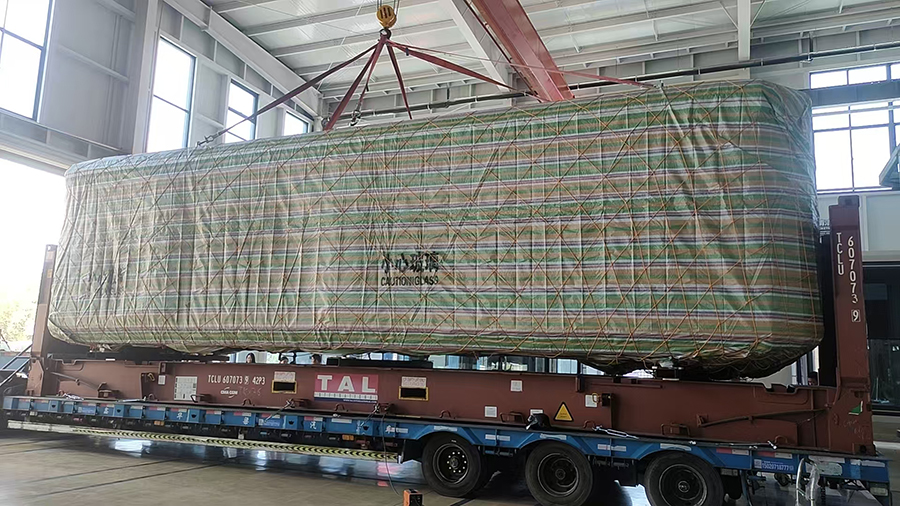
Modularity: Units are factory-built in standardized dimensions (e.g., 20ft or 40ft container house ) to facilitate transportation and on-site assembly.


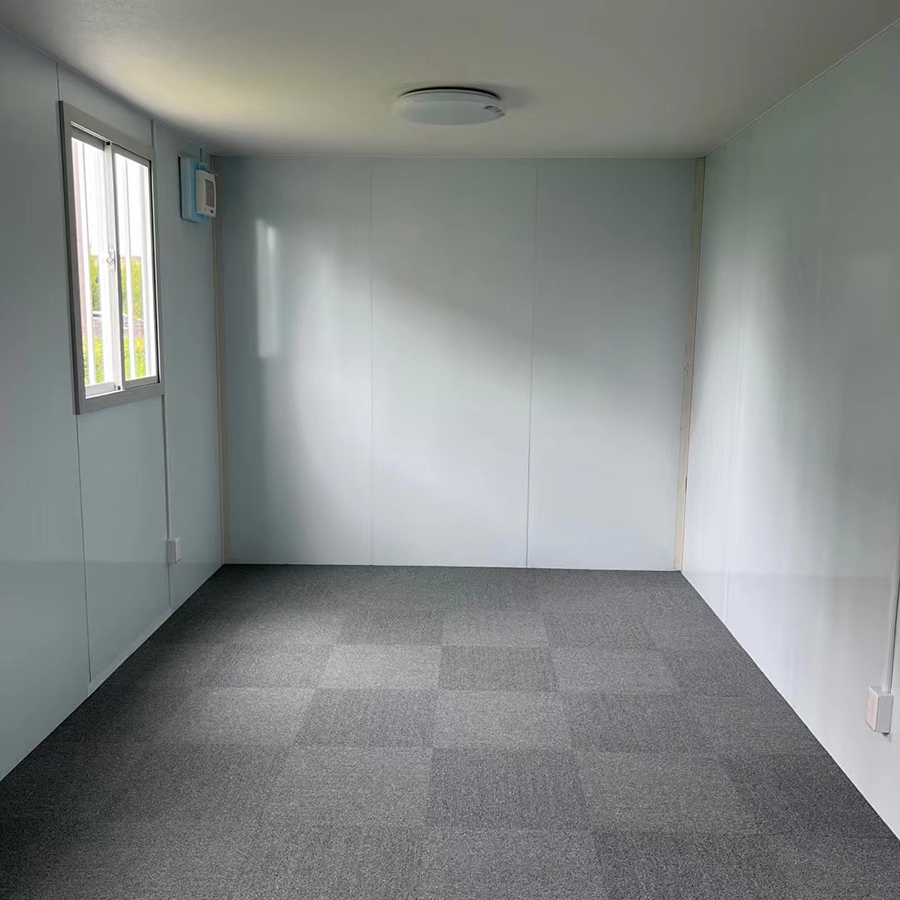
Customizability: Configurations range from single-unit studios to multi-story complexes, with options for windows, insulation, interior layouts, and exterior cladding.


Sustainability: Many designs emphasize energy efficiency, recyclable materials, and reduced construction waste compared to traditional buildings.


Mobility: While some are permanently anchored, others are designed for temporary or relocatable use (e.g., disaster relief, pop-up offices).


Durability: Weather-resistant steel frames ideal for harsh climates.


Sustainability: Eco-friendly materials and energy-efficient designs.


Regulatory Compliance: Built to meet local building codes for safety, insulation, and structural integrity, rather than relying on retrofitted cargo-container standards.


Common applications include affordable housing, vacation cabins, emergency shelters, retail kiosks, and mobile workspaces.


2 China’s Container House Market: Key Trends & Global Impact


Market Leadership: China dominates the global prefabricated housing market, accounting for over 35% of production capacity. The container house sector has grown at a CAGR of 8.2% since 2020, driven by urbanization and demand for affordable housing.


International Presence: Chinese manufacturers export to Southeast Asia, Africa, and the Middle East. For example, Myanmar and Indonesia use Chinese-made container houses for disaster relief and mining camps.


Trends:

Sustainability: Use of recycled steel and solar-ready designs.

Smart Integration: IoT-enabled modular units for temperature control and energy efficiency.

Luxury Customization: High-end villas and eco-resorts.

Policy Support: Government initiatives like the "Prefabricated Building Promotion Plan" (2025) incentivize green construction, reducing approval timelines for modular projects.


3 Top 10 Container House Manufacturers in China


Rank Company Location  Est. Factory Area Key Offerings Unique Advantages
1 Guangdong Wanbang Modular Building Co. Guangdong 2008 120000m² Luxury villas, emergency shelters, portable offices CE/LEED/ISO 9001/ISO 45001 certifications, 15+ years of OEM experience, global agent mechanism
2 Hebei Souo Steel Structure Co. Hebei 2012 85,000 m² Steel-frame homes, prefab apartments, elevated designs RCEP-compliant exports, ISO 9001-certified
3 Fujian Rapid Construction Tech Fujian 2015 50,000 m² Foldable units, underground homes Patented folding tech, 4-minute assembly
4 Shandong GreenHab Solutions Shandong 2010 70,000 m² Solar-powered farmhouses, fire-resistant cafeterias Energy-neutral designs, 20-year warranty
5 Henan Modular Living Co. Henan 2016 45,000 m² Tiny homes, corporate housing, container cafes 10-year structural warranty, customizable interiors
6 Jiangsu EcoSpace Builders Jiangsu 2011 60,000 m² Precast villas, portable cabins BIM-driven designs, 30-day delivery
7 Beijing SteelHab Innovations Beijing 2009 95,000 m² High-rise modular apartments, steel factories Architect collaborations (e.g., Priscila Azzini)
8 Tianjin Global Containers Ltd. Tianjin 2014 55,000 m² Offshore homes, mining camp units DNV-certified, anti-corrosion coatings
9 Zhejiang Mobile Living Tech Zhejiang 2017 40,000 m² Luxury caravan homes, prefab apartments AI-driven customization, 24/7 support
10 Shenzhen ModuSpace Co. Shenzhen 2013 65,000 m² Smart homes, IoT-integrated terraces Energy-efficient insulation, plug-and-play systems


4 Spotlight: Guangdong Wanbang Modular Building Co.


Global Expertise:

We have extensive experience in container house projects in Zimbabwe, Indonesia, South Africa, Kenya and other countries.


Innovative Solutions:

Custom Designs: From container farmhouses with hydroponic systems to luxury villas with rooftop pools.

Advanced Tech: Proprietary BIM software for precision in steel structure fabrication and prefabricated apartment layouts.


Sustainability Leadership:

CE, ISO 9001, ISO 45001and LEED certifications.

Solar-ready roofs and recycled steel frameworks.


End-to-End Services:

360° Support: Site assessment, container plans, installation, and post-build maintenance.


Agent Mechanism: Recruiting agents around the world, numerous seamless partners,seamless partnerships worldwide


Explore Solutions: Whether it’s an emergency shelter or a container vacation house, we tailor designs to your needs.


Free Consultation: Discuss container architecture or modular construction with our experts.


3D Virtual Tours: Visualize your project with AI-powered tools.


Fast Delivery: From prefabrik designs to on-site assembly.


Certified Quality: Trusted by governments and Fortune 500 companies.


5 Some questions you may have about container houses


Are container homes safe in extreme weather?

Yes! Reinforced steel frames and hurricane-grade fittings ensure resilience.

Ps:The container house manufactured by Wanbang can achieve 8% earthquake resistance and 10% wind resistance.


Can I build a multi-story container house?

Absolutely. Advanced engineering supports modular high-rise designs up to 5 floors.


How eco-friendly are container houses?

They reuse shipping containers, reducing waste. Many integrate solar panels and rainwater systems.


Do I need special permits?

Regulations vary, but China’s green policies simplify approvals for prefab units.


How long does construction take?

Pre-engineered components cut timelines to a few hours to a few weeks, depending on design complexity.


Are they suitable for commercial use?

Perfect for container cafes, site offices, and corporate housing solutions.


Can I relocate my container house?

Yes! Units are designed for easy disassembly and transport.


6 Why Choose Chinese Manufacturers?


Cost Efficiency: Competitive pricing without compromising quality.

Scalability: From single precast villas to large modular apartment complexes.

Innovation: Leaders in 3D-printed interiors and floating container homes.


Last words

Procuring container houses begins with identifying a qualified manufacturer - a critical first step that lays the foundation for project success. Given the vast yet fragmented market information regarding China container house supplier, we recognize the challenges in conducting effective due diligence.


The market intelligence we've provided aims to facilitate your vendor evaluation process and optimize procurement efficiency. Should you require further technical consultation or have specific inquiries regarding modular container solutions, our specialist team remains at your disposal for professional guidance.

keyboard_arrow_up