Prefabricated Houses for Earthquake Resilience

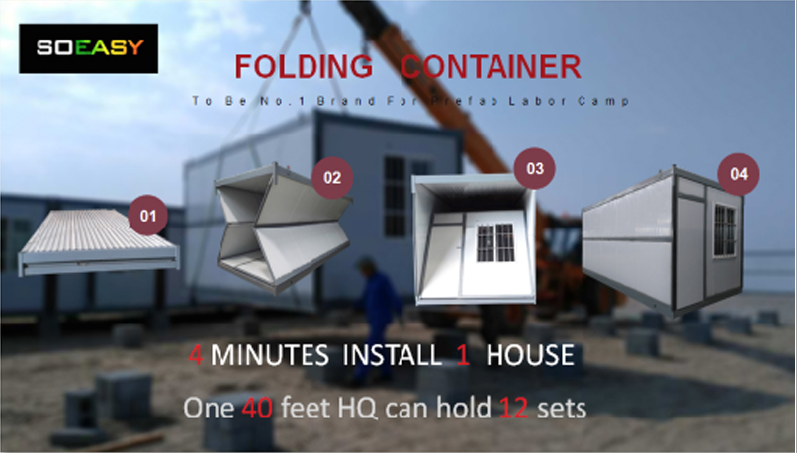
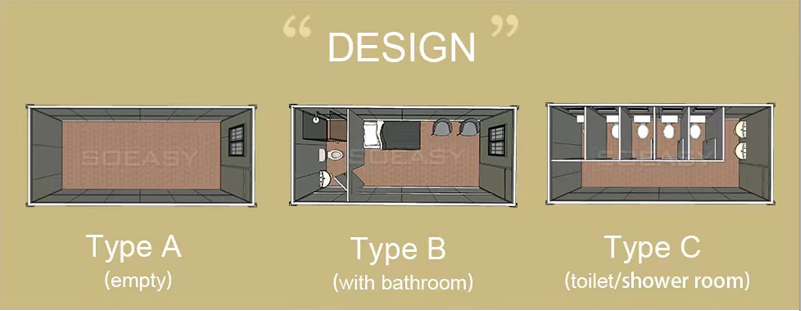
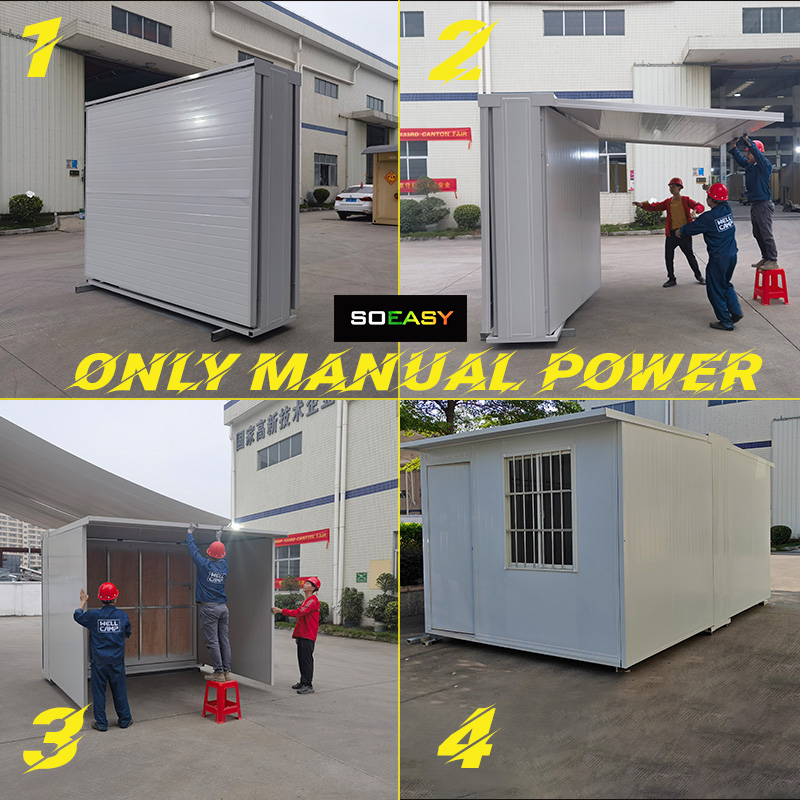
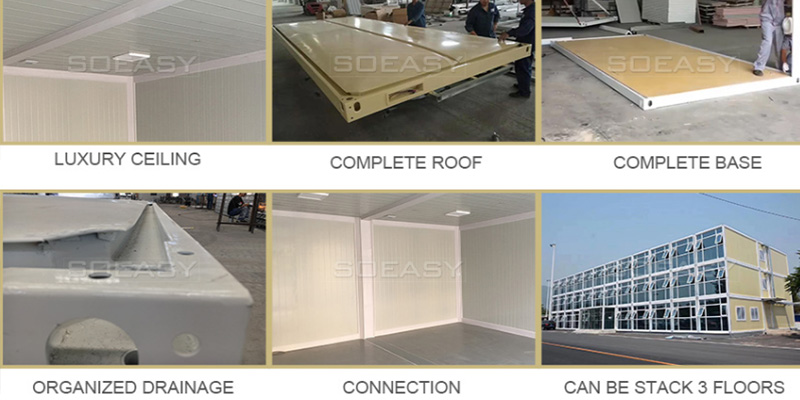
Prefabricated houses, also known as modular or earthquake container house, are innovative structures designed and constructed in sections (modules) in controlled factory environments before being transported and assembled on-site. Their design prioritizes seismic resilience, making them ideal for regions prone to earthquakes. Here’s how they address seismic challenges:

1. Structural Design for Earthquakes

Prefabricated homes often use flexible, durable materials like steel frames, engineered wood, or composite materials. These materials absorb seismic energy, reducing the risk of collapse. Their modular components are connected with energy-dissipating joints and reinforced connections, allowing the structure to sway during tremors without breaking—key to withstanding lateral forces. Unlike traditional masonry, which is brittle, prefab structures have a higher strength-to-weight ratio, minimizing inertial forces during quakes.

2. Precision Engineering & Quality Control

Factory-based construction ensures strict adherence to seismic codes . Each module is tested for structural integrity, including resistance to dynamic loads simulating earthquake movements. This precision reduces human error in construction, a common factor in non-prefab buildings’ failure during seismic events.

3. Foundation & Base Isolation Systems

Many prefabricated homes incorporate seismic base isolation techniques. Rubber or steel bearings are installed between the foundation and the main structure, absorbing and dissipating earthquake energy. This “decoupling” reduces vibrations transmitted to the building, protecting both the structure and its occupants. For areas with soft soil, shallow foundations or screw piles are used to improve stability and load distribution.

4. Rapid Deployment for Post-Quake Relief

In disaster zones, prefabricated houses shine for their quick assembly. Modules can be transported and erected in days or weeks, providing urgent shelter compared to months-long traditional construction. This is critical for post-earthquake recovery, offering safe, temporary container housing while minimizing disruption to affected communities.

5. Sustainability & Adaptability

Beyond seismic safety, these homes are often eco-friendly, using recycled materials and energy-efficient designs. Their modular nature allows easy expansion or modification, adapting to changing needs—an advantage in regions where aftershocks or future quakes may require structural adjustments.

Challenges & Innovations

In summary, prefabricated houses merge engineering precision with seismic design to create safe, sustainable, and rapidly deployable solutions, offering hope and security in earthquake-prone areas worldwide.


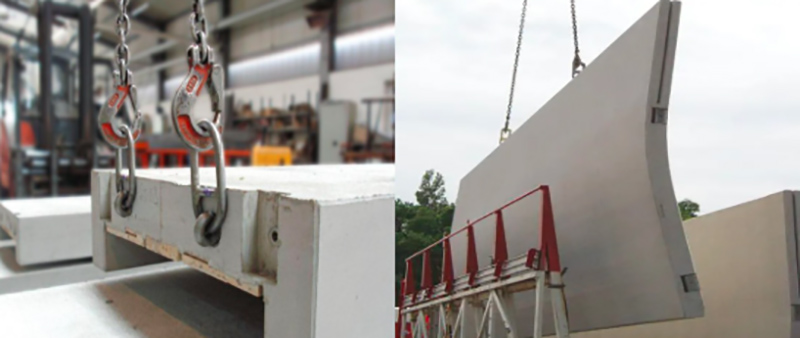
At a precast concrete component factory, a wall panel weighing several tons is steadily lifted, rotated, and precisely positioned by a crane. Behind this seemingly effortless movement lies a crucial engineering decision: the type of steel used for the anchor bolts. Bare steel, hot-dip galvanized steel, or electrogalvanized steel—these seemingly ordinary metals are, in fact, the "lifeline" that bears immense weight. Choosing the wrong anchor bolt can cause a component to fall, delay construction, or even lead to a major safety incident.


Lifting anchor


The Iron Armor Trio: The Technical Secrets Behind the Coating

1. Bare Steel Anchor Bolts: The Double-Edged Sword of Raw Strength

Bare steel anchor bolts, untreated and forged from high-strength alloy steel, offer advantages in ultimate tensile strength (typically reaching 800-1000 MPa) and cost-effectiveness. However, their fatal weakness is their alarming corrosion rate in humid environments. Laboratory data shows that after three months of exposure to humidity >60%, their surface exhibits visible red rust and their tensile strength decreases by 15%. Therefore, they are only suitable for temporary installation in dry indoor environments or as temporary fixtures during concrete pours (which are then covered).

2. Hot-Dip Galvanized Steel Anchor Bolts: A Guardian of Heavy-Duty Environments

The production process can be described as a "molten lava bath for steel": After undergoing seven cleaning steps (degreasing, pickling, and fluxing), the anchor bolts are immersed in a 460°C molten zinc bath, forming an 80-100μm zinc-iron alloy layer. This process offers three major advantages:

- Sacrificial anodic protection: The zinc layer corrodes preferentially, protecting the underlying steel and offering a lifespan of 20-50 years.

- Mechanical bonding: The zinc penetrates the micropores of the steel surface, creating an adhesion 10 times stronger than electroplating.

- Full coverage: Even thread gaps are sealed with the zinc layer, leaving no blind spots.

The trade-off is a potential loss of 5%-8% in strength due to high-temperature annealing, and a rough surface with zinc nodules (requiring special gaskets to prevent scratches).

3. Electrogalvanized Steel Anchor Bolts: Elegant Guardians of Precision Environments

In an electrochemical bath, an electric current drives the deposition of zinc ions, forming a mirror-like coating just 10-12μm thick. Its core values lie in:

- Zero thermal deformation: The room-temperature process maintains the steel's original strength (particularly suitable for ultra-high-strength steels above 1000 MPa).

- Smooth surface: Reduces wear on slings and extends cable life by 30%.

- Precision dimensions: Uniform coating ensures no loss of thread fit.

However, salt spray tests show that its corrosion resistance is only one-fifth that of hot-dip galvanizing under similar conditions, and its outdoor service life typically does not exceed five years.


How does coating affect lifting safety?

Performance indicators Bare steel anchor bolts Hot-dip galvanized anchor bolts Electrogalvanized Anchor Bolts
Corrosion resistance Rust after 3 months of exposure 20-50 years (including marine environments) <5 years (outdoor)
Strength retention Decreases 15% annually in humid environments High-temperature annealing losses: 5-8% Virtually no damage
Vibration fatigue resistance Decreases rapidly after rusting Zinc layer absorbs vibration energy, increasing performance by 30% Coating susceptible to microcrack growth
High temperature resistance Stable Zinc layer softens at temperatures above 80°C Stable to 200°C
Economical Lowest price High initial cost, low lifecycle cost Moderate overall cost


Beware—The Devil is in the Details: Four Pitfalls in Coating Application

1. Compatibility Pitfall: Hot-dip galvanized anchors can cause electrochemical corrosion (average corrosion depth of 0.2mm per year) when in contact with aluminum formwork. Solution: Use nylon isolation gaskets or switch to an all-stainless steel system.

2. Magnetic Attenuation Blind Spot: Residual concrete or oil on the galvanized surface can reduce the magnetic hanger's grip by 40%. Cleaning must be done with a stainless steel scraper (iron tools are prohibited to prevent magnetization).

3. High-Temperature Operation Risk: When using hot-dip galvanized anchors near a steam curing kiln, temperatures exceeding 80°C can cause the zinc layer to demagnetize. A PC manufacturer in northern China experienced anchor failure due to winter steam curing. This issue was resolved by switching to high-temperature-resistant models with neodymium magnets (operating at 150°C).

4. Identifying Fake Galvanizing: Poor-quality electroplated zinc coatings with a thickness of less than 5μm can be detected with a magnetic thickness gauge (the standard requirement is ≥10μm).


Therefore, it's crucial to prioritize industry standards and compliance.

Both hot-dip galvanized and electrogalvanized lifting anchors are subject to various industry standards and regulations to ensure their safety and performance in lifting operations.

For example, in Australia, lifting anchors must comply with AS 3850.1:2015, which outlines specific requirements for the manufacture, testing, and use of lifting anchors in construction, ensuring they are safe, reliable, and meet quality expectations. This standard includes provisions for the proper use of uncoated and coated steel, emphasizing the importance of corrosion protection in the structural integrity of lifting systems.

Similarly, in the United States, ASTM A123/A123M governs the hot-dip galvanizing process, ensuring that coating thickness and quality meet corrosion protection requirements. ASTM B633, which applies to electroplating, including electrogalvanizing, specifies coating thickness, adhesion, and performance for various applications. These standards provide guidance for selecting the appropriate corrosion protection method based on environmental exposure and mechanical load requirements.

Lifting anchor manufacturers must adhere to these standards to ensure their components meet safety and durability expectations, especially in corrosion-prone environments. Adherence to these industry standards ensures contractors and engineers can trust the performance and longevity of the products they use, avoiding the costly and dangerous consequences of steel failure due to rust.


Finally, a scenario-based selection guide: Making every anchor bolt the right one for the job.

🏗️ Preferring hot-dip galvanized anchor bolts

- Highly corrosive environments: Coastal buildings, chemical plants, freeze-thaw zones (corrosion from de-icing agents)

- Heavy-load lifting: Large beams and columns weighing >5 tons, double-T-plates (requires a 2100kg-class magnetic system)

- Full lifecycle management: General-purpose anchor bolts that require reusability (e.g., assembly line molds)

⚡ Preferring electrogalvanized anchor bolts

- Precision components: Decorative concrete slabs (surface zinc nodules are not permitted)

- Dry indoor environments: Precast interior partitions, furniture concrete

- Ultra-high-strength steel applications: Grade 10.9 and above bolts (to avoid thermal brittleness)

⛔ Where bare steel is strictly prohibited

- Permanently exposed hanging points: Suspended structures such as artistic concrete sculptures

- High-humidity environments: Basement components, water treatment facilities

With the rapid development of prefabricated construction, precast concrete magnets have become the "invisible heroes" of modern construction sites. These seemingly simple magnetic devices are actually key tools for ensuring precise formwork positioning and improving construction efficiency. However, with a wide variety of magnet types and specifications on the market, how do you choose the best product for your project?


Why is magnet selection so critical?

Precast concrete magnets, using strong magnetic attraction to replace traditional welding and bolting methods, have revolutionized formwork installation. They securely attach steel formwork to platforms or beams in seconds, eliminating the need for drilling and preventing damage to the formwork platform, extending the life of the formwork by over 30%. Importantly, these magnets can be reused thousands of times, significantly reducing labor costs and material loss. However, improper selection can lead to formwork displacement, concrete leakage, and even safety accidents.


Core Components of Precast Concrete Magnets

Precast Concrete Magnets

1. Steel Housing

The housing is typically made of high-strength, corrosion-resistant steel. It protects the magnet from impact, moisture, and chemical attack, which is critical for long-term use in demanding construction environments. A well-constructed housing ensures consistent clamping force and a longer product life.

2. Neodymium Core

The core of each precast magnet is a rare earth neodymium magnet, renowned for its superior holding power. Unlike ferrite magnets, neodymium magnets are compact and have a high force density, ensuring a secure hold even under vibration or heavy formwork loads.

3. Release Lever or Button

A built-in mechanical release system (typically a lever or button) enables quick, tool-free installation and removal. This feature improves efficiency, reduces fatigue, and minimizes the risk of formwork misalignment.


Four core selection factors

1. Magnetic Strength and Load Requirements (The Core of the Core)

- Light-Duty Applications (Window Frame Covers, Small Wall Panels): Choose 900kg-rated magnets, such as compact magnetic boxes.

- Medium-Duty Applications (Standard Wall Panels, Column Formwork): 1350-1800kg-rated magnets are the best choice.

- Heavy-Duty Applications (Large Floor Slabs, Bridge Components): 2100kg-rated magnets or higher are essential, such as those used in heavy-duty formwork systems.


2. Match the magnet type to the application scenario

Magnet Types Best Application Scenarios Unique advantages Typical Products
Template Magnet Boxes Composite panels, small wall panels Simple structure and high cost performance 600-800kg base magnetic box
Stepped Magnets High side molds, special-shaped components Anti-slip design, adaptable to uneven edges Customized stepped magnets
Angle Template Magnets Beam-column joints, wall corners Precise 90-degree fixing, explosion-proof mold Reinforced corner magnets
Magnetic Chamfer Strips Wall panel edges, decorative lines Flexible and bendable, creating precise 45-degree chamfers Rubber magnetic strips
Plug-In Magnets Embedded parts and pipeline fixing With threaded connection, precise positioning Rubber cover with embedded magnets
Magnetic Template Systems Large wall panel production line Integrated guide rails for quick assembly and disassembly Suction cup system with steel rails

Solutions for Special Scenarios:

- Curved surfaces: Use round magnets or flexible magnetic chamfer strips

- Extra-long templates: Strip magnets provide continuous and uniform attraction

- High-temperature steam curing environments: Requires specially manufactured high-temperature-resistant neodymium magnets (operating temperature >80°C)


3. Environmental and Operational Factors

- Temperature Sensitivity: Conventional neodymium magnets begin to demagnetize above 80°C. High-temperature-resistant models must be used near steam curing kilns.

- Surface Condition: Rust, oil, or concrete residue can reduce magnetic force by up to 40%. Ensure the contact surfaces are smooth.

- Corrosion Protection:

- Stainless steel housings are preferred for humid environments (although the cost is 30% higher, the lifespan is doubled).

- High-strength carbon steel housings are suitable for dry locations (a cost-effective option).

- Safety Margin: The actual load should not exceed 70% of the magnet's rated value. An additional 30% safety margin should be added for vibration conditions.


4. Golden Criteria for Supplier Selection

- Certifications: Prioritize manufacturers with ISO 9001 and CE certifications.

- Engineering Support: Suppliers offering magnetic simulation and on-site commissioning services can reduce selection risk.

- Customization Capabilities: For special projects (such as special-shaped components), select manufacturers that support customized production.
 

Scenario-Based Selection Guide

1. Residential Composite Panel Production: Recommended 600-800kg magnetic cassettes, spaced 1-1.5 meters apart – This offers optimal cost performance and allows for single-mode positioning within 30 seconds, making it particularly suitable for multi-family production.
2. Large Wall Panel Production Line: Suitable for 1350kg magnetic cassettes and magnetic guide rail systems – Suitable for vibration table applications, enabling 5-minute formwork changeovers when combined with a crane.

3. Special-Shaped Component Production (Double T-Beams, Arches): Recommended: A combination of stepped magnets and U-shaped magnets – Precisely secure complex curved surfaces. A project in China successfully implemented this solution, reducing formwork displacement by 90%.

4. High-Temperature Regions/Steam Curing Environments: High-Temperature-Resistant Neodymium Cores (150°C Operating Temperature) + Stainless Steel Sealed Housing – Prevents formwork drift caused by magnetic attenuation.

Precast Concrete Magnets


Golden Rules for Maintenance and Safety

Three Steps to Extend Lifespan:

1. Daily Care: Use a stainless steel scraper to remove debris from the magnet surface—avoid using iron tools, as they are attracted to the magnet. For hardened concrete or stubborn residue, use a polisher equipped with a wire polishing disc to restore smoothness and complete contact.

2. Storage Tips: After use, magnets should be cleaned and stored on a non-ferrous (stainless steel) cart to prevent sticking. Avoid storing magnets on iron surfaces, as this can make removal difficult and cause accidental damage.

3. Regular Inspection: Test monthly with a portable magnetometer. Replace immediately if attenuation exceeds 15%.

Safety Guidelines:

- People wearing pacemakers must stay at least 3 meters away.

- Overloading is strictly prohibited. Additional reinforcement is required under vibrating conditions.

- When removing formwork, remove the magnets before prying the formwork to avoid impact damage to the magnetic core.


Selecting precast concrete magnets isn't a simple matter of picking the strongest magnet; it's a systematic process that requires comprehensive consideration of project characteristics, load requirements, environmental factors, and team collaboration. Accurate selection can increase construction efficiency by 50% while minimizing formwork positioning errors to millimeter levels.

In high-end manufacturing, seamless, large-diameter titanium alloy pipes represent the pinnacle of material and process engineering. However, combining 'large-diameter' (typically ≥Φ300 mm) with 'thin-wall' (wall thickness ≤5 mm, often ≤3 mm) exponentially increases the technical challenges. It's not just about the material; it's a rigorous test of precision manufacturing.


Why is large-diameter, thin-wall so difficult?

Forming dilemma: traditional rolling or extrusion of large-diameter pipes puts immense radial force on the thin walls, causing instability, wrinkling or even tearing.

Uniformity challenge: ensuring millimetre-level consistency in wall thickness across a large cross-section requires highly precise equipment, die design and process control. The slightest deviation creates weak points.

Strength-toughness balance: Thinner walls mean that less material must withstand equal or higher pressures. The core challenge lies in guaranteeing sufficient strength, toughness and fatigue resistance through microstructural control, whilst also achieving weight reduction.


Key Breakthrough Technologies:

'Balanced rigidity and flexibility' forming: This utilises multi-stage, temperature-controlled hot extrusion combined with powerful back-pressure or internal mandrel support, which acts like a 'skeleton' to prevent collapse. This is followed by multi-pass cold rolling/spinning for progressive thinning, enhanced dimensional accuracy and a better surface finish.

NDT's "Eagle Eye": Large-diameter, thin-wall pipes demand zero tolerance for defects. High-precision automated ultrasonic testing (UT) and eddy current testing (ECT) provide full coverage and can detect even the smallest inclusions, micro-cracks or variations in wall thickness, guaranteeing integrity.


Why pursue 'thin' and 'large'?

Ultimate weight reduction: This is crucial for aerospace and deep-sea structures, where saving 1 kg can make a big difference. These pipes can offer up to 40% weight savings compared to conventional solutions, thereby increasing payload and efficiency.

Enhanced flow efficiency: In the chemical and energy sectors, larger diameters enable higher flow rates and throughput, while thinner walls reduce material usage and thermal resistance.


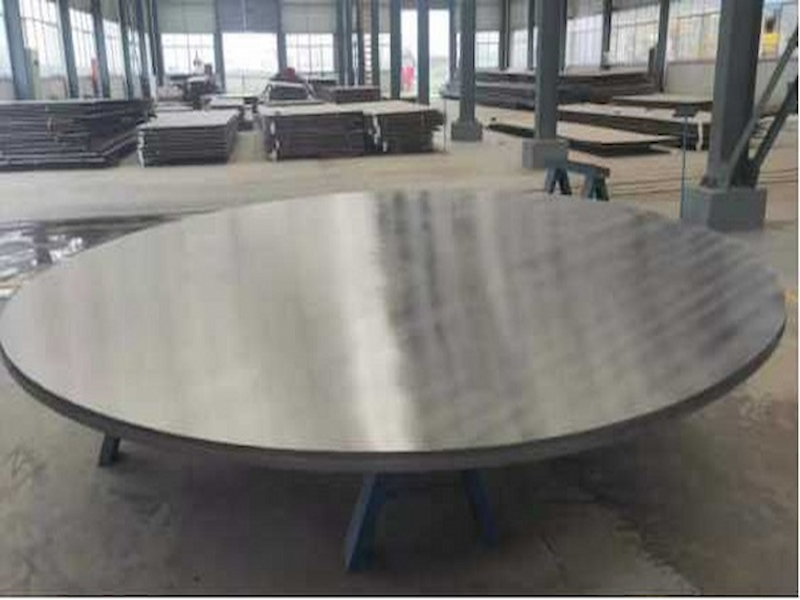
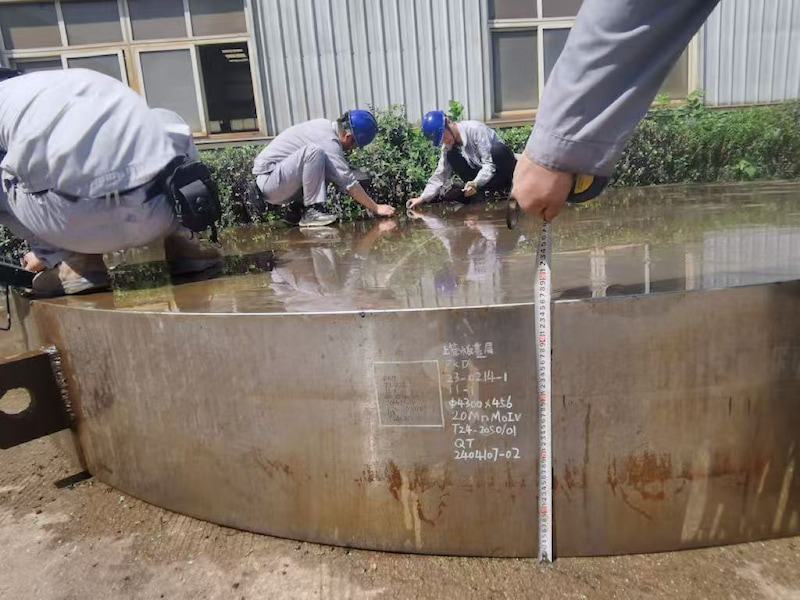
Seamless titanium plate


The manufacturing of seamless titanium alloy large-diameter thin-wall pipes is a symphony of materials science, precision processing and intelligent control. Each successful reduction in wall thickness or increase in diameter represents another leap forward in humanity's extreme manufacturing capabilities. These are not just pipes; they are critical enablers of a lighter, stronger and more efficient future. Emerging technologies such as intelligent shape control and additive-composite integration will continue to push the boundaries of what is possible in terms of "thin" and "large".


NBSM is committed to promoting the development of the titanium product industry and expanding the range of applications for titanium products. As a professional titanium alloy manufacturer, NBSM offers a comprehensive product range, including highly acclaimed titanium plates, titanium rods and titanium tubes. Titanium steel clad plate and nickel steel clad plate have also received positive feedback from the chemical and power plant industries.

In the world of precast concrete components, lifting anchors are the lifeline connecting the components to the lifting equipment. A single incorrect installation can cause components to slip, damage equipment, or even result in fatalities. Safely installing lifting anchors is no small matter; it's a paramount concern for both production efficiency and personal safety.


lifting anchors


Lifting Anchors: The "Life Hook" of Precast Components

Lifting anchors are embedded in concrete components and serve as the core load-bearing point for connecting slings to facilitate lifting, tilting, and transportation. They determine the "lifeline" of the component from the production line to the installation site. Therefore, they are an essential component in precast concrete. Common types include:

Internally Threaded: Threaded holes are pre-recorded in the component surface for eyebolt installation.

Externally Threaded: An anchor with external threads is embedded in the component surface for eyenut installation.

Embedded Eyebolt: The eyebolt is embedded directly into the component.


Step-by-Step Installation Guide

Pre-Installation Checklist

Before installing lifting anchors in precast concrete, proper preparation is key to ensuring structural safety and efficient lifting. Here's your essential checklist:

Review Construction Drawings and Specifications

: Carefully review all technical drawings, lifting plans, and anchor specifications. Identify the required anchor type, location, and load rating to prevent conflicts or delays on site.

Choose the correct anchor point location and spacing: Anchor point placement must align with the panel's center of gravity and lifting direction. Incorrect spacing can cause tilting, rotation, or even panel failure during lifting.

Prepare Materials in Advance: Gather all required components: lifting anchors, groove formers, rebar templates, and sleeves. Ensure compatibility and quality compliance.

Gather Required Tools:

Use precision tools such as a laser rangefinder and level. Don't forget safety gear (helmet, gloves, vest) and installation aids such as fixing clamps or spacers.


Safety Red Lines and Key Considerations

Bearing capacity is the bottom line: Overloading is strictly prohibited! Anchors and matching rigging must be designed with the specified bearing capacity.

Thread protection is vital: The cleanliness and integrity of internal and external threads directly determine the strength of the connection. Never allow exposed threads to become damaged or clogged!

Shifting is a major risk: The anchor must be securely positioned during pouring and vibration. Any shifting can result in uneven load during lifting or even failure.

Concrete density is a guarantee: Weak concrete around the anchor can significantly weaken the anchoring force and pose a major safety hazard.

Regular inspection and maintenance: Reusable embedded sleeves, anchor plates, fixing brackets, etc. must be regularly inspected for wear and deformation and replaced promptly. Eyebolts/nuts should be regularly inspected for thread and load conditions.

Final confirmation before use: Before lifting, a dedicated person must re-check:

Anchor type and location are consistent with the drawings.

Threads are clean and intact, and the connectors (eyebolts/nuts) are correctly installed and tightened to the specified torque. The lifting rings are free of deformation and cracks.

The surrounding concrete is free of cracks, chipping, or other defects.

As the wave of prefabrication sweeps the world, the "excessive strength and insufficient toughness" of precast concrete (PC) components has always been a pain point in the industry. The emergence of carbon fiber, the "black magician", is making beams, plates and columns evolve from "fragile sharks" to "seismic iron men".


Pain point: Why can't traditional PC components "hold up"?

Brittle failure: Ordinary concrete is resistant to compression but not tension, and it is easy to break instantly when bent or impacted.

Steel bar corrosion: Chloride ion erosion in coastal areas or chemical plants has caused the "internal injuries" of traditional steel bars to increase.

Weight shackles: Increasing the cross-section to increase the bearing capacity will increase the transportation and lifting costs.

Post-earthquake repair is difficult: Once the node area is cracked, the on-site wet operation repair cycle is long, delaying the resumption of work.


Carbon fiber


Four disruptive roles of carbon fiber

Internal addition of "short fiber" - "ligament reconstruction" for concrete

• Mechanism: 0.2%-0.8% volume addition of short-cut carbon fiber forms three-dimensional random support in the matrix. When cracks appear, the fiber "bridges" to transfer stress, and the impact toughness is increased by 2-4 times.

• Scenario: Prefabricated stairs, subway pipe segments, anti-collision guardrails and other components that need to be impact-resistant.

• Data: Prefabricated beams with 0.4% carbon fiber added have a 35% reduction in mid-span deflection and a 50% reduction in crack width in the drop hammer test.


External "CFRP cloth" - "invisible armor" with 10 times the strength of steel bars

• Mechanism: CFRP cloth with a tensile strength of ≥3000 MPa is glued to the tensile surface of the component with epoxy glue to form a secondary force system, which can increase the bending bearing capacity by 30%-50% without increasing the cross section.

• Scenarios:

– Rapid reinforcement of old prefabricated hollow slabs;

– Seismic upgrade of prefabricated bridges (such as CFRP cloth wrapped around the plastic hinge area of piers).

• Case: After two layers of CFRP cloth were attached to the bottom of the prefabricated box girder of a certain overpass, the ultimate bearing capacity was restored to 1.45 times the original design.


Prefabricated "CFRP bars/grids" - "super steel bars" that never rust

• Mechanism: Using CFRP bars to replace traditional steel bars has a density of only 1/5 of that of steel, but a tensile strength of 10 times that of steel, and is resistant to chloride ion corrosion.

• Scenarios:

– Prefabricated exterior wall panels for coastal docks and LNG storage tanks;

– Prefabricated bridge panels that need to be protected from salt corrosion in high-altitude cold areas.

• Economical: The cost of the entire life cycle is reduced by 30%, eliminating the need for later anti-corrosion coating.


Intelligent "perception layer" - let the components have their own "health checkup"

• Mechanism: The evenly dispersed short carbon fibers make the resistivity of concrete change linearly with strain, realizing self-diagnosis of cracks.

• Scenarios:

– Prefabricated integrated pipe corridors, real-time monitoring of settlement;

– Prefabricated building exterior wall panels, rapid assessment of damage levels after an earthquake.


How much has the durability of prefabricated components improved after being "armored" with carbon fiber? We have obvious data comparisons, which are mainly reflected in two aspects;

1. Quantitative indicators of improved durability

Crack width: After CFRP cloth reinforcement, the crack expansion rate decreased by 60%-75%; after 120 dry-wet cycles, the stress intensity factor at the crack tip decreased by 50%.

Rebar corrosion: After CFRP bars/grids replaced steel bars, the chloride ion permeability coefficient decreased by one order of magnitude, and the steel bar corrosion rate was <0.01 mm/year.

Freeze-thaw cycle: After 300 rapid freeze-thaw (F-T) tests, the CFRP-concrete interface bond strength retention rate was ≥85%, while the unreinforced specimens only had 50%.

Ultraviolet aging: After continuous irradiation with UV-A 340 nm lamp for 1000 h, the tensile strength attenuation of CFRP cloth was <5%, which is much better than the 20% attenuation of epoxy-coated steel bars.

2. Environmental adaptability: Performance under extreme working conditions

High temperature and high humidity (40 ℃, RH 95%)

After 3000 h, the shear strength of the CFRP-concrete interface decreased by <8%, meeting the 30-year equivalent requirements of JTG/T J22-2011 for hot and humid environments.

Salt spray + dry-wet cycle (NaCl 5%, 120 cycles)

The bond strength of traditional reinforced concrete decayed by 50%, while the CFRP reinforced specimen only decayed by 12%.

Freeze-thaw + deicing salt (-18 ℃↗+5 ℃, 300 cycles)

The ultimate load of the CFRP cloth specimen decreased by <10%, while that of ordinary concrete decreased by 35%.


Therefore, carbon fiber is not simply "more expensive steel bars", but the key to the evolution of precast concrete from "passive load-bearing" to "active sensing". Whoever masters this key first will be able to open up a high value-added blue ocean in the red ocean of prefabricated buildings.


Magnetic Materials in Food Processing

In a food processing plant that pursues deliciousness and health, you may not think of "magnets" at the first time. However, these invisible magnetic field forces are indispensable key players in ensuring the safety of our dining tables and improving production efficiency. They are unknown, but they have a great responsibility - they are specifically designed to deal with those "uninvited guests" that may be mixed into food: metal impurities.


* Wide range of sources: Metal impurities may come from raw materials (such as harvester parts fragments and ore residues in grain), production equipment (such as screen wear, loose and falling mechanical parts), employee negligence (such as screws, washers), and even packaging materials.

* Huge harm:

Physical damage: Sharp metal fragments are a major threat to consumer safety and may cause damage to the mouth, esophagus, and even internal organs.

Equipment damage: Hard metal particles can seriously wear or even jam expensive crushers, grinders, pumps and valves and other key equipment, causing unexpected downtime and high repair costs.

Reputation and legal risks: Once products containing metal foreign matter enter the market, they will inevitably lead to consumer complaints, large-scale recalls, serious damage to brand reputation, and even face severe regulatory penalties and lawsuits.


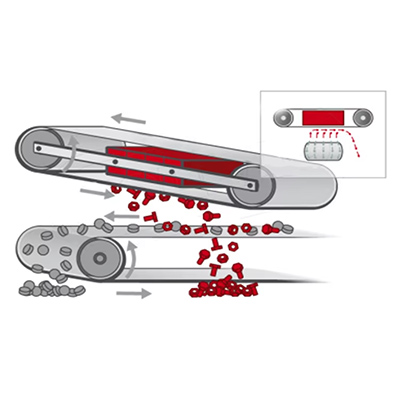
The above factors are the stage where magnetic separators come into play. They use the magnetic field generated by powerful permanent magnets (such as neodymium iron boron) or electromagnets to accurately "capture" ferromagnetic metals (iron, steel) and some weakly magnetic metals (such as some stainless steel) at key points in the food processing process. The working principle is that when food materials flow through or approach a strong magnetic field area, the ferromagnetic metal impurities in them will be firmly adsorbed on the surface of the magnet by the magnetic force, while the pure food passes smoothly, achieving precise separation.

What types of magnetic separation equipment are used in the food industry?

There are several types of magnetic separation equipment commonly used in the food processing industry, including:

Plate magnets: These flat magnetic plates are most commonly found in conveyors or chutes. They are often used to remove metal contaminants from dry goods such as grains, seeds or pet food.

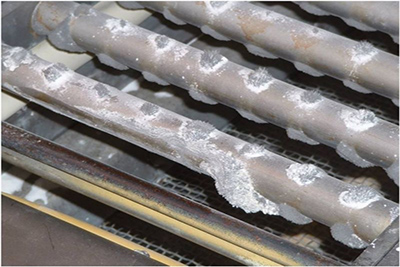
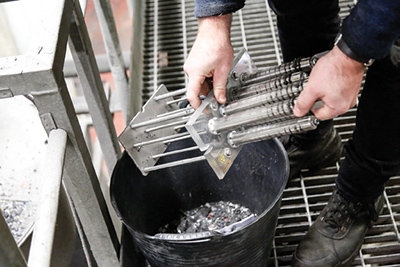
Grid magnets: Similar to plate magnets, grid magnets are also suitable for dry material applications. These magnetic separators are composed of multiple magnetic bars through which the material passes. The magnetic bars collect and remove iron impurities from the material. Grid magnets are available in a variety of designs to suit a variety of material types, such as flour, grain, sugar, and more.

Rotary magnets: These magnets are most effective for dry, sticky, difficult-to-flow products that have bridging issues, such as milk powder or sugar.

 In-line magnets: These types of magnetic separators include designs suitable for both dry and wet applications, as well as high-speed product lines, pump lines, and pneumatic conveying.


Magnetic Materials in Food ProcessingMagnetic Materials in Food Processing


Magnetic separation technology ensures safety: not only equipment, but also a system

* Comply with regulations and standards: HACCP (Hazard Analysis and Critical Control Points) system, ISO 22000, FSSC 22000 and other global food safety standards all list metal foreign matter control as a critical control point (CCP) or prerequisite program (PRP). High-performance magnetic separators are the basic hardware to meet these requirements.

* Equipment selection and verification: The magnetic strength, form and installation location must be scientifically selected based on material characteristics (dry/wet, particle size, flow rate), expected metal size and type. Equipment performance needs to be verified regularly (such as using standard test pieces).

* Strict maintenance procedures: This is the lifeline to ensure the continued effectiveness of magnetic separation equipment! Must establish and implement:

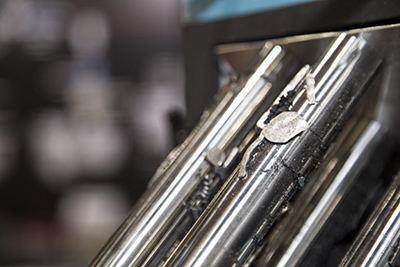
* Regular cleaning: Clean the metal impurities adsorbed on the surface of the magnet according to the plan (such as every shift, every day) to prevent accumulation from causing magnetic field shielding or re-mixing of impurities.

* Regular inspection: Check whether the magnet is damaged, whether the coating is intact (to prevent food contamination), and whether the magnetic force is attenuated (regularly use a gauss meter to test).

* Records and traceability: Detailed records of cleaning, inspection, and metal impurities found to ensure the process is traceable.


In the field of food processing, magnetic materials and their separation technology are by no means dispensable supporting roles. They are the cornerstone of building a food safety defense line and the guardian of efficient operation of the production line. Intercepting every potentially harmful metal impurity from the source is a manifestation of the modern food industry's responsibility for consumer health and a wise investment for companies to achieve sustainable development and win market trust.

Therefore, please pay attention to these "invisible guardians":

* Scientifically select applicable magnetic separation equipment.

* Strictly implement maintenance and cleaning procedures.

* Deeply integrate it into your food safety management system.

In new energy vehicles, NdFeB permanent magnets are usually installed on the rotor of a permanent magnet synchronous motor (PMSM). When current passes through the stator winding to generate a rotating magnetic field, the permanent magnet's inherent magnetic field interacts with it, generating torque to drive the rotor to rotate - this is the precise physical process that occurs when you step on the "gate". Therefore, rare earth permanent magnets are called the "invisible heart" of new energy vehicles.


earth magnet

Rare earth permanent magnets: the "magnet king" of modern motors

The history of the development of rare earth permanent magnet materials can be described as an evolution of materials science. From the earliest natural magnets, to AlNiCo magnets in the early 20th century, to ferrite permanent magnet materials in 1947, humans have been constantly pursuing stronger magnetic properties. The real revolution occurred in 1983 when the third-generation rare earth permanent magnet material neodymium iron boron (NdFeB) came into being.

Why is neodymium iron boron called the "king of permanent magnets"? Its magnetic energy product is 10 to 15 times higher than that of ferrite, 5 to 8 times higher than that of traditional electric excitation materials, and second only to superconducting excitation. This material has extremely high remanence and coercivity, strong anti-demagnetization ability, and can allow the motor to generate a strong magnetic field in a smaller volume.


Why is it necessary for new energy vehicles?

Unlike traditional fuel vehicles, new energy vehicles have almost stringent requirements for drive motors: high power, small size, light weight, and high efficiency. Rare earth permanent magnet synchronous motors just meet these requirements perfectly:

Efficiency king: The efficiency can reach up to 97%, which is 6% higher than the efficiency of the induction motor used by Tesla in the early days, which directly translates into a longer driving range.

Power density king: Small size, light weight, and power density far exceeds other motor types, making vehicle layout more flexible.

Precise control: High speed regulation accuracy, fast response speed, and smooth and immediate power response.

In contrast, although AC induction motors are low in price and high temperature resistance, they have low power density; switched reluctance motors are low in price but have high noise and vibration. In terms of comprehensive performance, rare earth permanent magnet synchronous motors are undoubtedly the optimal solution for current new energy vehicle drive motors.


According to research, each new energy vehicle consumes an average of 2.5 kg of NdFeB permanent magnet materials. With the explosive growth of new energy vehicles:

In 2025, the global demand for rare earth magnets for new energy vehicles is expected to reach 30,000 tons.

The compound growth rate of rare earth magnet demand from 2021 to 2025 is 35%+, and new energy vehicles contribute about 60% of the growth.

Although rare earth permanent magnets are small, they have become an indispensable "industrial vitamin" for new energy vehicles. In the field of new energy vehicles, the essence of competition has shifted from the application level to the basic science level. With its advantages in rare earth resources and processing technology, China is transforming this strategic resource into a fulcrum for defining the future automotive technology paradigm.

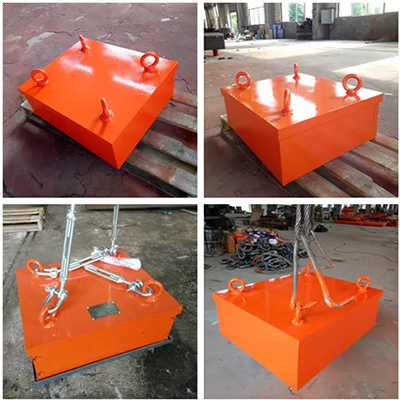
At the heavy steel plate lifting site, the crane moves slowly, but there are no steel cables or hooks below - only an inconspicuous metal plate adsorbing several tons of steel, hanging steadily in the air. Behind this is the power of the magnetic lifter, which uses the "invisible hand" of the magnetic field to completely revolutionize the way heavy materials are transported.


magnetic lifter


Core principle: precise control of magnetic field

Magnetic lifters are mainly divided into two types: permanent magnet and electromagnetic. The core of both types is to achieve adsorption and release through the control of magnetic field.

- Permanent magnet lifter: It uses high-performance permanent magnet materials such as neodymium iron boron (NdFeB) inside, and changes the distribution of magnetic lines of force by rotating the mechanical handle. When turned on, the bottom forms a longitudinal magnetic pole to adsorb the load; when closed, the magnetic lines of force are closed inside to achieve "zero magnetic leakage" release. The feature of not requiring power makes it extremely safe in power-off scenarios.

- Electromagnetic lifter: It relies on current to pass through the coil to generate a magnetic field, and the size of the magnetic force can be flexibly controlled by adjusting the voltage. The advantage is that it can be remotely controlled and is suitable for accurately separating single pieces of material from stacked plates. However, it requires continuous power supply and a backup battery to deal with the risk of power outages.

- Innovative combination: Electro-permanent magnet technology (such as Magswitch) combines the advantages of both. It only needs to be powered on for a moment to switch the magnetic state, and no power is required to maintain the magnetic force thereafter, with an energy saving rate of 95%, and supports remote control operation.

 magnetic lifter

Why is it the darling of the industry?

1. Safe and reliable:

The maximum pull-off force of the permanent magnet type is 3.5 times the rated load, eliminating accidental falling off; the electromagnetic type avoids the arcing failure of the traditional contactor through contactless control technology (such as thyristor module) and improves stability.

2. High efficiency and energy saving:

Permanent magnets do not require electricity, and electromagnetics only consume electricity when working. Compared with hydraulic or mechanical clamps, energy consumption is reduced by more than 90%, and the cost of the cooling system is eliminated.

3. Lightweight design:

The high magnetic energy product of neodymium magnets reduces the size of the equipment by 50%, and it can be carried by manpower, greatly reducing the load of the crane.

Key usage tips: Avoid "magnetic traps"

The performance of magnetic lifters is affected by multiple factors, and ignoring these details may lead to accidents:

Influencing factors Performance changes Solution
Insufficient material thickness Lifting capacity decreased by 30%-50% Select equipment with higher rating
Surface roughness>50μm Magnetic force attenuated by 40% Clean the surface or increase the number of magnets
High carbon steel load Magnetic force weakened by 5%-10% Calculate at 95% of the rating
High temperature environment (>80℃) Neodymium magnets are irreversibly demagnetized Use samarium cobalt magnets (resistant to 350℃)


Good maintenance and monitoring can extend the life:

- Avoid impacting neodymium magnets (brittle materials are prone to breakage);

- Check magnetic force attenuation every two years and replace aged magnet modules;

- Electromagnetically check the battery capacity regularly to ensure that the power-off magnetic retention function is effective.


In the production of new energy materials, the strong magnetic iron-removal rods demonstrate excellent performance in adsorbing fine iron filings, which is mainly reflected in the following aspects:


1. High Magnetic Field Strength

Strong Magnetic Rods

Strong magnetic iron-removal rods are typically made from high-performance neodymium-iron-boron (NdFeB) permanent magnetic materials. These materials possess extremely high magnetic energy and coercivity, capable of generating a magnetic field strength as high as 12,000 - 16,000 Gauss. Under such a powerful magnetic field, even fine iron filings with diameters of just a few micrometers are attracted by the strong magnetic force and are adsorbed onto the surface of the magnetic rod. Experimental data shows that in a magnetic field environment of 13,000 Gauss, the adsorption force of a strong magnetic rod on 5μm iron particles can exceed 1,000 times their own weight.


2. Optimized Structural Design

The structural design of strong magnetic rods further enhances their ability to adsorb fine iron filings. Magnetic rods with a multi-layered magnet structure can effectively increase the magnetic field gradient, thereby improving the adsorption effect on fine iron filings. The outer layer of low-coercivity magnets first adsorbs larger iron filings, while the inner layer of high-coercivity magnets is responsible for capturing finer iron filings. This design can increase the adsorption efficiency of iron filings smaller than 1μm by about 20%. In addition, thinner magnetic rods can produce a more concentrated magnetic field, which is more advantageous for adsorbing fine iron filings.


3.Practical Application Effects

Strong Magnetic Rods

The application of strong magnetic rods in the production of new energy materials has shown significant results. For example, in the production process of silicon-carbon anode materials, by arranging strong magnetic rods in the material conveying pipeline to form an iron-removal device, fine iron filings in the raw materials can be effectively adsorbed, reducing the iron impurity content from an initial 20ppm to below 5ppm. In the grinding process of lithium iron phosphate cathode materials, using a strong magnetic rod with a diameter of 10mm, combined with an appropriate magnetic circuit design, can achieve a magnetic field strength on the surface of the magnetic rod of over 13,000 Gauss, effectively adsorbing fine iron filings generated during the grinding process.


4. Surface Treatment and Maintenance

The surface treatment process of strong magnetic rods is equally important. To prevent corrosion of the magnetic rod during use and to avoid difficulties in cleaning the adsorbed iron filings, the surface of the magnetic rod is usually treated specially, such as being covered with a stainless steel sleeve or food-grade plastic. This surface treatment does not affect the magnetic performance of the magnetic rod, but it can protect the service life of the rod and ensure that its ability to adsorb fine iron filings remains stable over the long term. Regular cleaning and maintenance of the strong magnetic rod are also crucial. Through reasonable maintenance measures, the magnetic rod can maintain good adsorption performance continuously.


keyboard_arrow_up