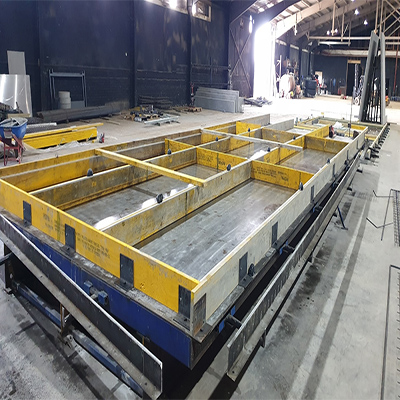
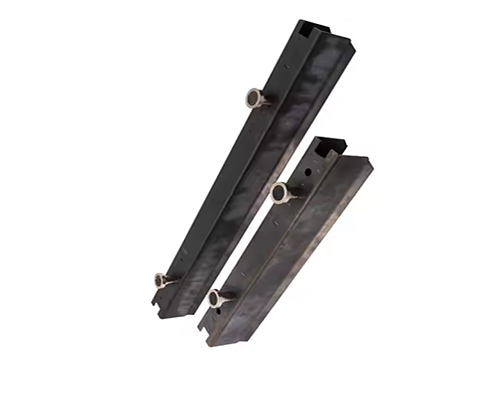
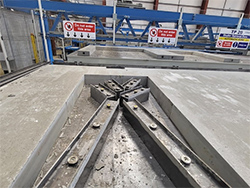
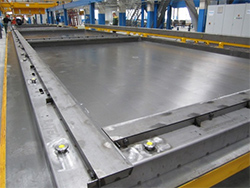
In the field of modern construction, precast concrete is gradually becoming a revolutionary building material. It not only improves construction efficiency, but also significantly improves building quality. With the continuous advancement of process technology and the application of high-tech equipment such as Precast Concrete Magnet, the future development prospects of precast concrete will be even broader. Whether it is residential buildings, public buildings or infrastructure, precast concrete will play an important role and promote the construction industry to a higher level.
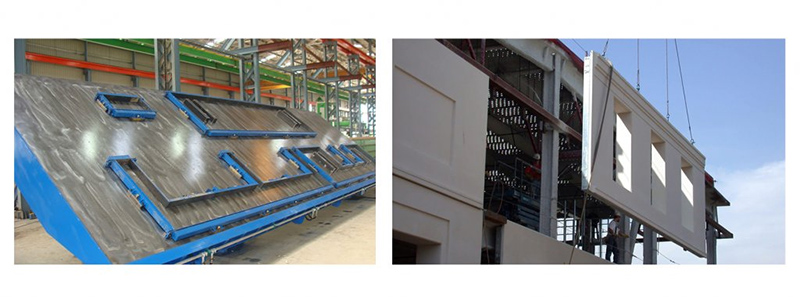
precast concrete

What is precast concrete?

Precast concrete is a type of concrete component that is prefabricated in a factory and then transported to the construction site for assembly. Compared with traditional on-site cast concrete, precast concrete has higher quality control, faster construction speed and better environmental performance. This material is widely used in residential construction, public buildings, infrastructure and industrial construction.


The main ingredients of precast concrete are similar to those of conventional concrete, but the proportions and additives may differ.

1. Cement: acts as a binder to hold other materials together.

2. Aggregates: include sand and gravel, providing strength and volume to concrete.

3. Water: reacts chemically with cement to form a hardened body.

4. Additives: such as water reducers, retarders, etc., used to improve the working properties and durability of concrete.
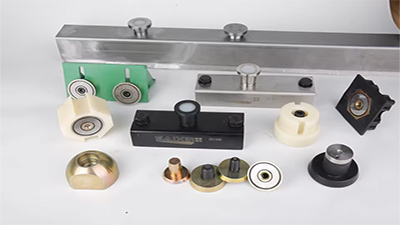
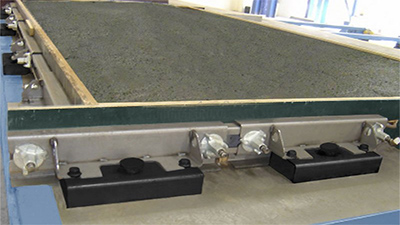
 

Precast Concrete MagnetPrecast Concrete Magnet


The manufacturing process of precast concrete is a complex and sophisticated system engineering, involving multiple steps such as design, mold preparation, concrete mixing, pouring, maintenance, demoulding, quality inspection, transportation and installation. Each step requires strict control and management to ensure the quality and performance of the final product. With the continuous advancement of technology, the manufacturing process of precast concrete will be more efficient and environmentally friendly, bringing more innovation and development to the modern construction industry.

1. Design and planning, this step includes:

- Architectural design: Design the shape, size and structure of the component according to the needs of the construction project.

- Mold design: Make high-precision molds according to the design drawings of the component to ensure the accuracy and consistency of the component.

- Material ratio: Determine the ratio of concrete, including the ratio of cement, aggregate, water and additives to meet the requirements of strength, durability and working performance.


2. Mold preparation is a vital tool in the manufacturing process of precast concrete.

- Mold making: Make molds using steel, wood or other materials according to the design drawings. The mold must have high precision and good sealing to ensure the accuracy of the size and shape of the component.

- Mould treatment: Before pouring concrete, the mould needs to be cleaned and coated with a release agent to facilitate the subsequent demoulding process.


3. Concrete mixing is a key step to ensure uniform mixing of materials.

- Material weighing: Accurately weigh cement, aggregate, water and additives according to the predetermined ratio.

- Mixing: Put the weighed materials into the mixer and mix them thoroughly to ensure the uniformity and working performance of the concrete. The mixing time, speed and sequence need to be strictly controlled.


4. Concrete pouring, pour the mixed concrete into the mould, this step needs to pay attention to the following points:

- Layered pouring: For larger components, layered pouring may be required to ensure the density and uniformity of the concrete.

- Vibration: Use a vibrator to vibrate the poured concrete to remove bubbles and improve the density and strength of the concrete.

- Surface treatment: After pouring, the concrete surface is smoothed and treated to ensure its flatness and aesthetics.


5. Curing. After the concrete is poured, it needs to be cured to ensure its hardening and strength development.

- Natural curing: curing in the natural environment, suitable for conditions with suitable temperature and humidity.

- Steam curing: accelerating the hardening process of concrete through steam, suitable for conditions that require rapid demoulding and production. Steam curing can significantly shorten the curing time and improve production efficiency.

- Wet curing: keep the surface of the concrete moist by spraying water or covering it with a wet cloth to prevent cracking.


6. After the concrete reaches sufficient strength, demoulding is carried out.

- Mold removal: carefully remove the mold to avoid damaging the components.

- Surface treatment: perform necessary surface treatment on the components after demoulding, such as repairing defects, polishing, etc.


7. Quality inspection. The components after demoulding need to undergo strict quality inspection to ensure that they meet the design requirements and standards. :

- Dimension inspection: measure the dimensions of the components to ensure that they meet the design drawings.

- Strength test: test the compressive strength of the components through pressure tests and other methods.

- Appearance inspection: Check whether there are cracks, bubbles and other defects on the surface of the components.


8. Transportation and installation. Components that pass the quality inspection will be transported to the construction site for installation.

- Transportation: Use special transportation vehicles to ensure that the components are not damaged during transportation.

- Installation: According to the construction drawings, use lifting equipment to install the components to the designated location, and fix and connect them.


The process technology of precast concrete is the key to its success.

1. Mould technology: Use high-precision moulds to ensure that the size and shape of the components are accurate.

2. Automated production: Mix, pour and maintain concrete through automated equipment to improve production efficiency and consistency.

3. Steam curing: Use steam to accelerate the hardening process of concrete and shorten the production cycle.

4. Quality control: Perform strict quality inspections in a factory environment to ensure that each component meets the standards.
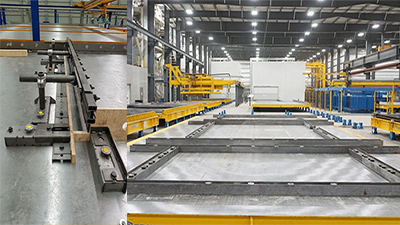
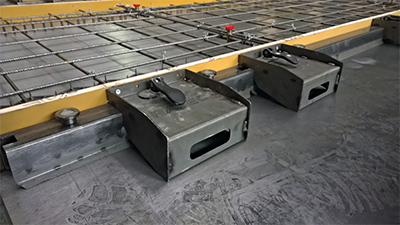
 

precast concreteprecast concrete


The application of Precast Concrete Magnet in precast concrete significantly improves the strength, durability, working performance and construction efficiency of concrete through the action of magnetic field. This technology not only improves the quality and performance of precast concrete, but also brings environmental protection and energy-saving benefits, and is widely used in various construction and infrastructure projects. With the continuous advancement of technology, Precast Concrete Magnet will play a more important role in the field of precast concrete and promote the construction industry to a higher level. It has a wide range of applications Application performance:

Residential buildings: used for walls, floor slabs and other components to improve building quality and durability.

Public buildings: such as schools, hospitals, etc., to ensure structural safety and long-term use.

Infrastructure: bridges, tunnels, etc., to enhance the compressive and tensile properties of the structure.

Industrial buildings: factories, warehouses, etc., to improve the stability and service life of the building.
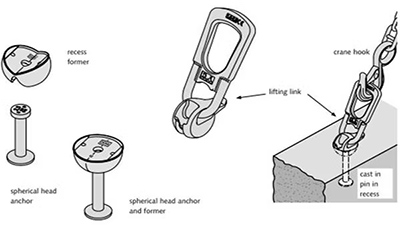
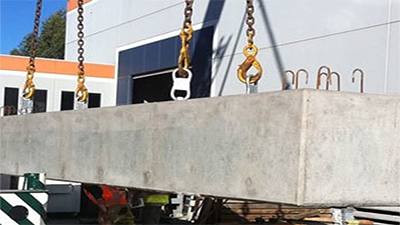
The  Lifting System for Precast Concrete Units

The construction industry continues to evolve, incorporating innovative technologies to improve efficiency, safety, and precision. Among these advancements, lifting systems for precast concrete units stand out as a game-changer, revolutionizing the way we handle and install precast concrete elements. As construction practices continue to evolve, lifting systems will undoubtedly play an important role.


The Lifting System for Precast Concrete UnitsThe Lifting System for Precast Concrete Units


First, demystifying the lifting system: the key components and what they do


The lifting system for precast concrete units is an elaborate assembly designed to safely and efficiently lift, manipulate, and position precast concrete elements during construction. Let’s break down its basic components and their functions:

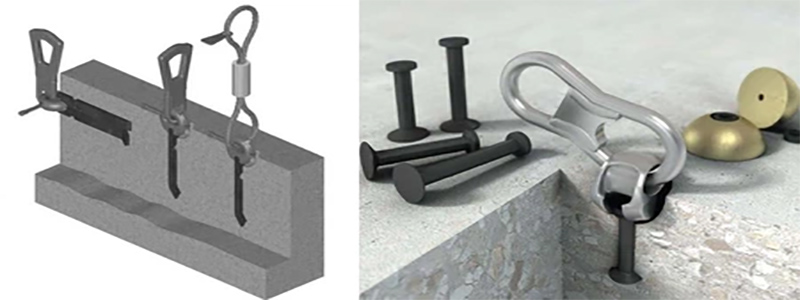
Lifting anchors: These are the workhorses of the system and are embedded into the precast concrete units when they are cast. They provide a secure connection point for the lifting equipment, ensuring a reliable connection between the unit and the lifting mechanism. There are several types of lifting anchors, including ring anchors, threaded inserts, and lifting plates, each of which is suitable for specific load capacities and concrete element configurations.


Lifting equipment: This category includes the machinery responsible for the actual lifting and moving of the precast units. Common examples include:

Crane: Tower cranes, mobile cranes, and overhead cranes are widely used for their versatility and ability to handle heavy loads at different heights and distances.

Vacuum lifters: They utilize suction cups to create a vacuum seal on the concrete surface, providing a non-intrusive lifting solution for fine or polished finishes.

Paver beams: These horizontal beams distribute the lifting load evenly across multiple lifting points, preventing stress concentrations and ensuring stability of the precast unit during lifting.


Rigging accessories: This includes a range of components that connect the lifting anchor to the lifting equipment, such as:

Slings: Slings are made of wire rope, chain or synthetic materials and provide flexibility and adjustability in lifting configurations.

Shackles: These U-shaped connectors secure the slings to the lifting anchors and other rigging components.

Turnbuckles: Used to adjust the length and tension of the slings, ensuring load distribution and alignment during lifting.


Lifting System for Precast Concrete Units


Secondly, the adoption of lifting systems for precast concrete units has brought a paradigm shift to the concrete industry, bringing multiple benefits:


Enhanced safety: By providing a safe and controllable lifting mechanism, these systems significantly reduce the risk of accidents and injuries associated with manually handling heavy precast elements.

Increased efficiency: The streamlined lifting process minimizes downtime and maximizes productivity on the construction site, thereby reducing project completion time.

Increased precision: The ability to precisely position precast units ensures accurate alignment and minimizes the need for expensive adjustments or rework.

Expanded design possibilities: Lifting systems enable the use of larger and more complex precast elements, opening up new avenues for architectural creativity and innovation.

Reduced labor costs: Automation and mechanization of the lifting process reduces reliance on manual labor, resulting in significant cost savings.


The Lifting System for Precast Concrete Units


The world of applications: where lifting systems shine


The versatility of precast concrete unit lifting systems makes them an integral part of a wide range of construction projects:

High-rise buildings: Facilitates the efficient installation of precast wall panels, columns, beams and floor slabs in high-rise buildings.

Bridges and infrastructure: Enables precise placement of precast beams, abutments and other structural components in bridge construction and infrastructure projects.

Industrial facilities: Supports the construction of warehouses, factories and other industrial buildings with precast concrete elements.

Residential buildings: Simplifies the installation of precast walls, floors and stairs in residential buildings, from single-family homes to apartment complexes.


The Lifting System for Precast Concrete Units

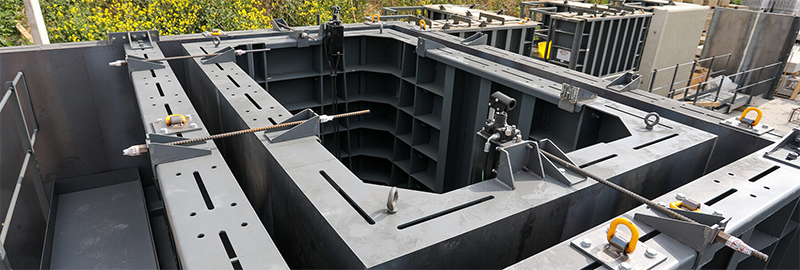
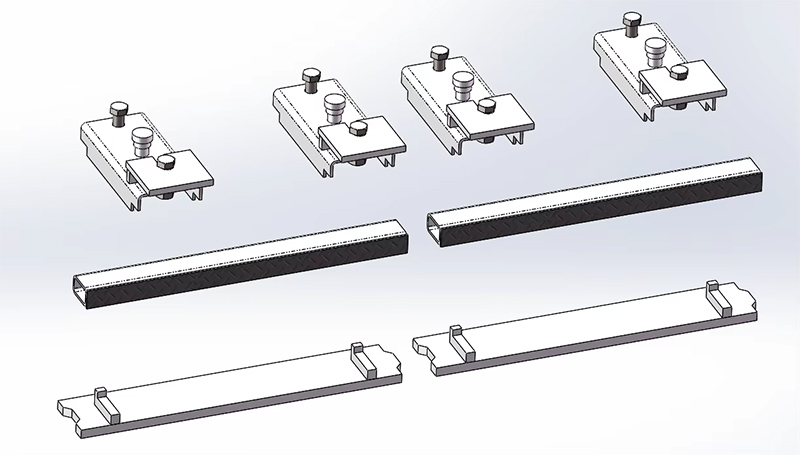
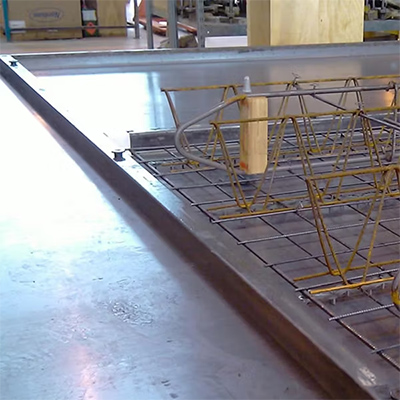
U-shaped magnetic formwork profile is a combination system of integrated magnetic block system, key holder and long steel frame channel. It is widely used in precast concrete wall panel production. After lowering the formwork, the formwork profile on the marking integrated magnet is activated and locked. The integrated magnet presses the formwork profile precisely on the formwork.


U-shaped magnetic formwork system


The U-shaped magnetic formwork system has significant technological features:

By integrating high-performance magnets in the U-shaped steel frame, the formwork can be quickly fixed and removed. The magnets can be activated or released by simple manual or foot operations without the need for complex mechanical devices. It significantly improves construction efficiency and reduces the time and labor costs of formwork installation and removal. Its magnetic tension mechanism ensures that the formwork remains stable during concrete pouring and avoids displacement. At the same time, it can achieve precise edge management, avoid measurement errors in traditional formwork construction, and ensure the dimensional accuracy and appearance quality of prefabricated components. The magnetic formwork system is made of high-performance NdFeB magnets and thick steel plates, which can withstand harsh construction environments, have a long service life, and low maintenance costs.


U-shaped magnetic formwork systemU-shaped magnetic formwork system


Compared with traditional formwork, the U-shaped magnetic formwork system has many significant advantages, which are mainly reflected in the following points:

Higher construction efficiency-the U-shaped magnetic formwork system uses magnetic force to quickly fix and remove the formwork, which is easy and quick to operate and does not require complex mechanical movements. Compared with traditional formwork, its installation and removal time is greatly shortened, which can significantly improve construction efficiency. The mold replacement time can be saved by more than 90%, which is particularly suitable for the "small batch, multiple batch" production mode.

Uniform force and improved quality-the clamping force of the magnetic formwork is evenly distributed on the entire contact surface, and the mold back plate is evenly stressed, avoiding the deformation of the traditional formwork due to uneven local force. This not only improves the appearance quality and dimensional accuracy of the prefabricated components, but also extends the service life of the mold.

Easy to operate and high safety-the U-shaped magnetic formwork system is easy to operate and can be quickly mastered without professional skills. There are no moving parts inside, no complex mechanical devices are required, and the safety hazards caused by mechanical failures are reduced.

The system is also equipped with a variety of safety detection devices, such as magnetic flux detection systems and progressive sensors, which can monitor the working status in real time to ensure construction safety.

Strong durability and low maintenance cost - Since the magnetic template uses permanent magnetic materials, there are no moving parts inside, the service life is long and almost maintenance-free. Compared with the traditional hydraulic platen system, its maintenance cost and downtime are greatly reduced.

Environmental protection and energy saving - The U-shaped magnetic template system does not require continuous power supply during operation, and only uses electricity briefly when loading and unloading molds. Compared with traditional hydraulic systems, it consumes less energy and does not cause pollution such as hydraulic oil leakage.

Strong applicability and high flexibility - The magnetic template system can adapt to molds of different shapes and sizes without the need for standardized modification of the mold backing plate. It is easy to install and does not require additional modifications to the injection molding machine or construction equipment.

Reduce waste and optimize production - The ability to quickly change molds reduces equipment downtime and maintains stable temperatures during production, thereby reducing waste caused by downtime.

In modern construction projects, the production efficiency and quality of precast panels and double wall panels directly affect the progress and cost of the project. In order to meet this challenge, the U60 Magnetic Formwork System came into being. This innovative technology not only simplifies the construction process, but also greatly improves the accuracy and strength of building components.


U60 Magnetic Formwork SystemU60 Magnetic Formwork System


What is the U60 Magnetic Formwork System?

The U60 Magnetic Formwork System is a formwork system based on magnetic technology, specifically designed for the production of precast panels and double wall panels. It fixes the formwork to the steel frame through strong magnetic force, replacing the traditional bolt or mechanical fixing method. This system is not only easier to install and remove, but also ensures the stability and accuracy of the formwork when pouring concrete.

The core of the U60 magnetic formwork system lies in its unique magnetic device, which can quickly absorb and release the formwork, greatly reducing the time and complexity of manual operation. In addition, the system is suitable for the production of a variety of concrete components, including floor slabs, wall panels, beams and columns, etc., and has a wide range of applicability.


Technical advantages of U60 Magnetic Formwork System

1. Efficient installation and disassembly

Traditional formwork systems usually require a large number of bolts and mechanical fixation, and the installation and disassembly process is cumbersome and time-consuming. The U60 magnetic formwork system uses magnetic adsorption, and only simple operations can complete the fixation and release of the formwork, which significantly improves construction efficiency.

2. High precision and stability

Magnetic adsorption ensures a close fit between the formwork and the steel frame, avoiding the loosening or misalignment problems that may occur in traditional fixing methods. This high-precision fixing method makes the size and shape of concrete components more accurate and reduces the workload of subsequent finishing.

3. Reduce labor costs

Due to the simple operation of the U60 magnetic formwork system, it reduces dependence on skilled workers and reduces labor costs. At the same time, the system has a high degree of automation, which further reduces errors in manual operation.

4. Environmental protection and sustainability

The U60 magnetic formwork system uses reusable steel formwork, which reduces the use of traditional formwork materials such as wood, in line with the concept of green building and sustainable development. In addition, the long life and low maintenance cost of the system also make it a cost-effective choice.

5. Strong adaptability

The U60 magnetic formwork system is suitable for the production of a variety of concrete components and can meet the needs of different engineering projects. Whether it is a large commercial building or an infrastructure project, the system can provide a reliable solution.


U60 Magnetic Formwork SystemU60 Magnetic Formwork SystemU60 Magnetic Formwork System


The U60 magnetic formwork system has been widely used in many major engineering projects due to its excellent performance.

1. High-rise buildings - In the construction of high-rise buildings, the use of precast panels and double wall panels can significantly shorten the construction period. The efficiency and precision of the U60 magnetic formwork system make it an ideal choice for high-rise building projects.

2. Bridge engineering - Bridge engineering requires extremely high precision and strength of concrete components. The U60 magnetic formwork system has been used in many large bridge projects to ensure the quality of components and construction progress.

3. Metro and tunnel engineering - Metro and tunnel engineering usually require rapid construction in limited space. The convenience and efficiency of the U60 magnetic formwork system make it the first choice for such projects.


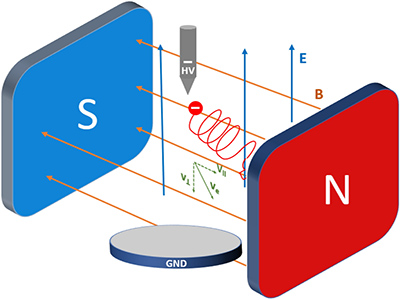
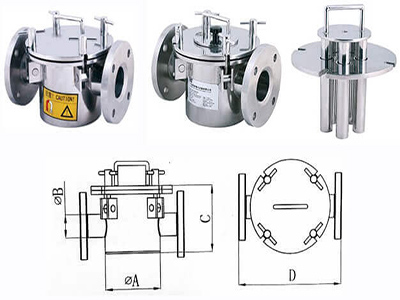
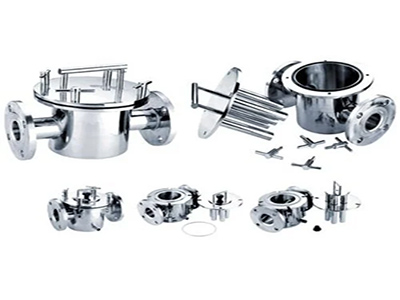
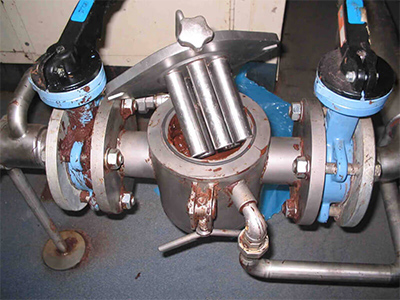
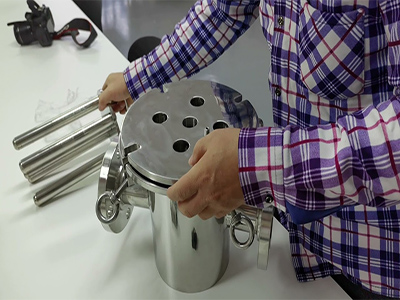
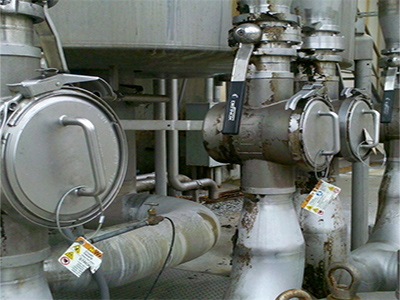
Thermal Insulation Magnetic Liquid TrapThermal Insulation Magnetic Liquid Trap


Thermal Insulation Magnetic Liquid Trap is a highly efficient trapping device that combines thermal insulation technology with the characteristics of magnetic liquid. Its core function is to achieve efficient capture and separation of specific substances (such as gas, liquid or particles) through the unique behavior of magnetic liquid under the action of magnetic field. At the same time, the thermal insulation design ensures the stable operation of the equipment in high or low temperature environment and reduces energy loss.


The core technology of Thermal Insulation Magnetic Liquid Trap is the key to its efficient operation and wide application. These technology not only reflects the advanced technology, but also ensures the stability and reliability of the equipment in complex environments.

1. Magnetic liquid technology - Magnetic liquid is a stable colloid formed by nano-scale magnetic particles suspended in a carrier liquid. Under the action of a magnetic field, the magnetic liquid can respond quickly and form a specific structure, thereby achieving efficient capture of the target substance. The core of this technology lies in the uniform dispersion and stability control of magnetic particles.

2. Thermal insulation design - The equipment uses advanced thermal insulation materials (such as aerogel, vacuum insulation panels, etc.) to effectively reduce heat transfer and ensure the stable performance of the equipment under extreme temperature conditions. This design not only improves energy efficiency, but also extends the service life of the equipment.

3. Magnetic field control technology - Through precise magnetic field control, the behavior of magnetic liquid can be flexibly adjusted to adapt to different capture requirements. The optimization design of magnetic field strength, direction and frequency is the core of this technology.

4. Modularity and intelligence - Modern Thermal Insulation Magnetic Liquid Trap usually adopts a modular design for easy installation and maintenance. At the same time, the intelligent control system can monitor the operating status of the equipment in real time and optimize the capture efficiency.


Thermal Insulation Magnetic Liquid TrapThermal Insulation Magnetic Liquid Trap


Thermal Insulation Magnetic Liquid Trap has a powerful and adaptable application environment

1. Chemical and petroleum industry: In chemical production and petroleum refining, Thermal Insulation Magnetic Liquid Trap is used to capture harmful gases or separate liquid mixtures. Its high efficiency and stability make it an ideal choice for environmental protection and energy saving.

2. Energy and power industry: In power plants or nuclear power plants, the device can be used to capture particulate matter or radioactive substances in exhaust gas to ensure that emissions meet environmental standards.

3. Medical and biotechnology: In medical equipment or biological laboratories, magnetic liquid traps can be used to separate specific cells or proteins to support disease diagnosis and treatment.

4. Aerospace**: In extreme temperature and pressure environments, Thermal Insulation Magnetic Liquid Trap can operate stably and is used to capture exhaust gas or liquid emitted by spacecraft.

5. Environmental protection and waste treatment: In the process of garbage incineration or wastewater treatment, the device can efficiently capture harmful substances and reduce environmental pollution.


Thermal Insulation Magnetic Liquid TrapThermal Insulation Magnetic Liquid Trap


keyboard_arrow_up