When building a home theater, many people focus only on the screen, speakers, and amplifier, neglecting a crucial factor: the room's acoustic environment.

Acoustic Wood Slat Panels Supplier

So the question is:


Do acoustic panels really improve the sound quality of a home theater?


The answer is yes, and significantly. This article will explain how acoustic panels work in a home theater, their installation location, and why wooden slat acoustic panels are increasingly becoming the preferred solution in modern home theater designs.


Why Room Acoustics Are Crucial for Home Theaters


Even the most expensive audio equipment cannot perform at its best in a room with poor acoustics.


Common problems include:


Echoes and excessive reverberation


Muddled or booming bass


Unclear dialogue


Harsh high-frequency reflections


These problems are caused by sound waves reflecting off hard surfaces such as walls, ceilings, and floors.


How Acoustic Panels Improve Home Theater Sound


Acoustic panels are designed to absorb unwanted sound reflections, allowing you to hear the sound you should hear.


Key advantages of home theater acoustic panels:


✔ Clearer dialogue and vocals


✔ More accurate surround sound imaging


✔ Reduced echo and reverberation


✔ Better bass, midrange, and treble balance


✔ A more immersive movie and gaming experience


You'll get clearer, more controllable sound, not just more volume.


The difference between home theater acoustic panels and soundproofing


Understanding the difference is crucial:


Acoustic panels improve room sound quality


Soundproofing blocks sound from entering or leaving the room


For most home theaters, acoustic treatment is far more important than complete soundproofing, especially when the goal is a better listening experience rather than complete noise isolation.


Why wood slat acoustic panels are ideal for home theaters


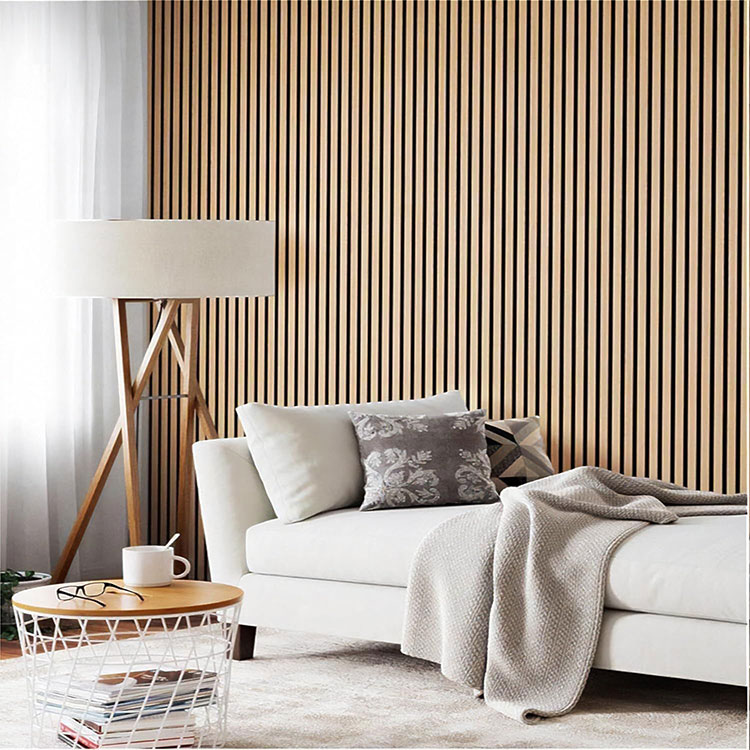
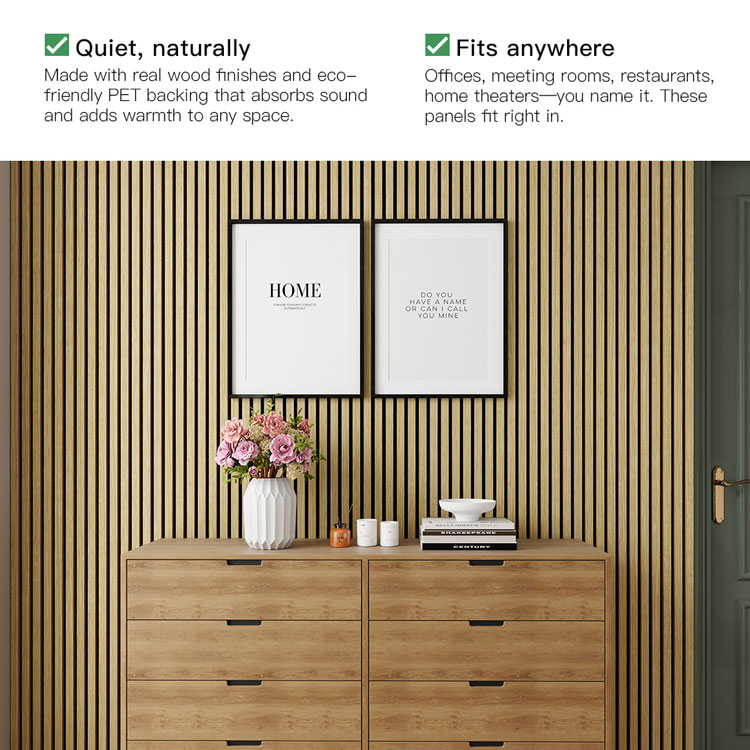
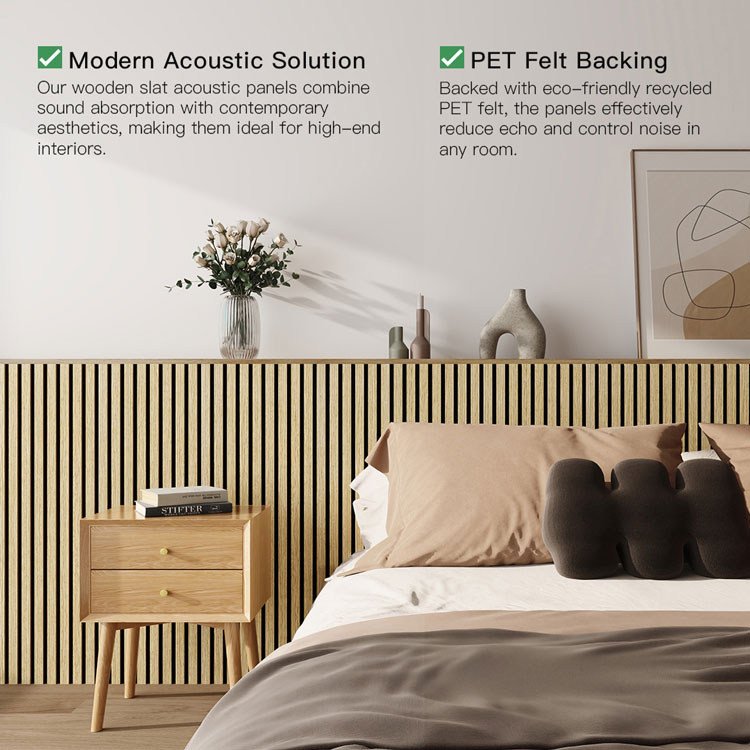
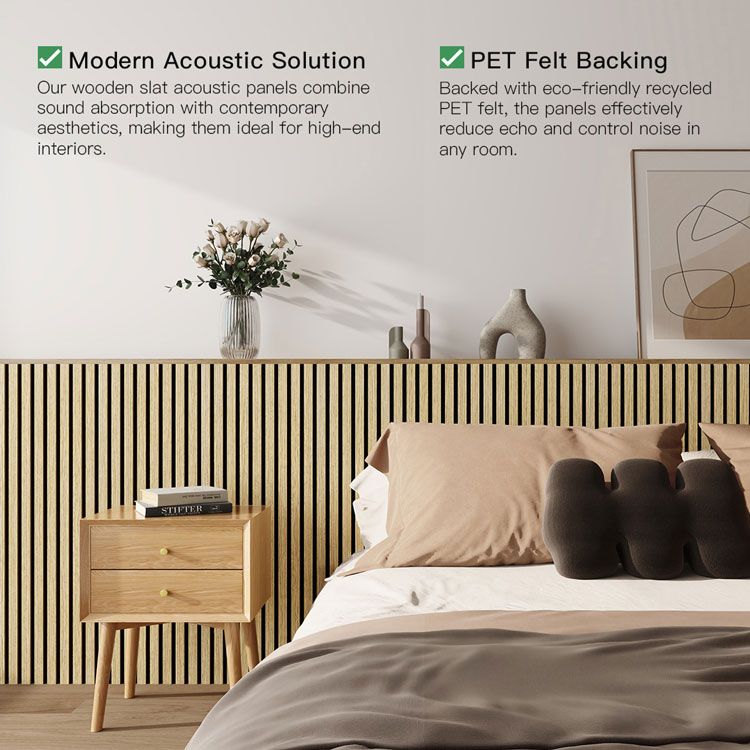
Wood slat acoustic panels combine sound absorption, diffusion, and aesthetics, making them a perfect choice for home theaters.


Advantages of wooden acoustic panels:


Effectively absorbs mid-to-high frequency sounds


Aids in sound diffusion, creating a more natural sound field


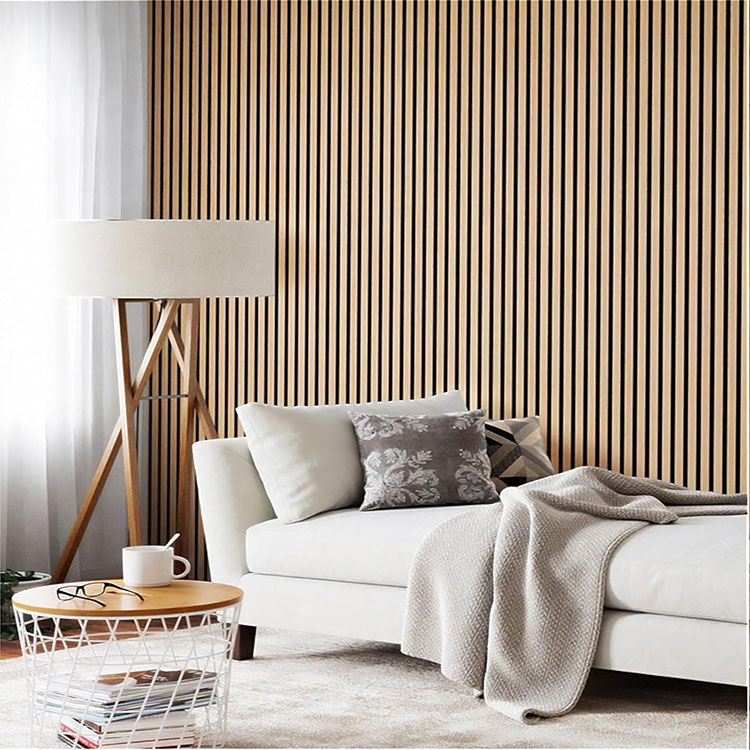
Delivers a warm, sophisticated visual effect


Integrates perfectly with modern interior design


In home theaters, they are especially suitable for behind the TV, on side walls, and the rear wall.


Where should acoustic panels be installed in a home theater?


For best results, acoustic panels should be installed at the primary reflection points:


The side wall near the front speakers


The wall behind the TV or projector screen


The rear wall behind the seats


The ceiling (optional, for high-end configurations)


Clever installation placement can significantly improve sound quality without covering all surfaces.


How many acoustic panels does a home theater need?


There is no one-size-fits-all solution, but general principles are as follows:


Cover 20%–30% of the total wall area


Prioritize reflection points


Match wall panels with soft furnishings whenever possible


A balanced approach yields optimal performance and visual harmony.

Understand the Key Differences to Find Better Acoustic Solutions


When people start looking for ways to reduce noise, a common question keeps recurring:


Are acoustic panels and soundproofing the same?

Customizable Acoustic Wood Slat Panels Supplier

In short, the answer is no—but a complete explanation is more valuable. Understanding the difference between acoustic treatments and soundproofing can help you choose the right solution, avoid unrealistic expectations, and allocate your budget wisely.


In this article, we will explain the differences between the two in a clear and easy-to-understand way, combined with expert insights from experienced acoustic panel manufacturers.


What are Acoustic Panels?


Acoustic panels are designed to improve the sound quality of a room by absorbing sound waves. They primarily target mid-to-high frequency reflections, reducing echoes, reverberation, and noise buildup.


Most acoustic panels are made of sound-absorbing materials such as:


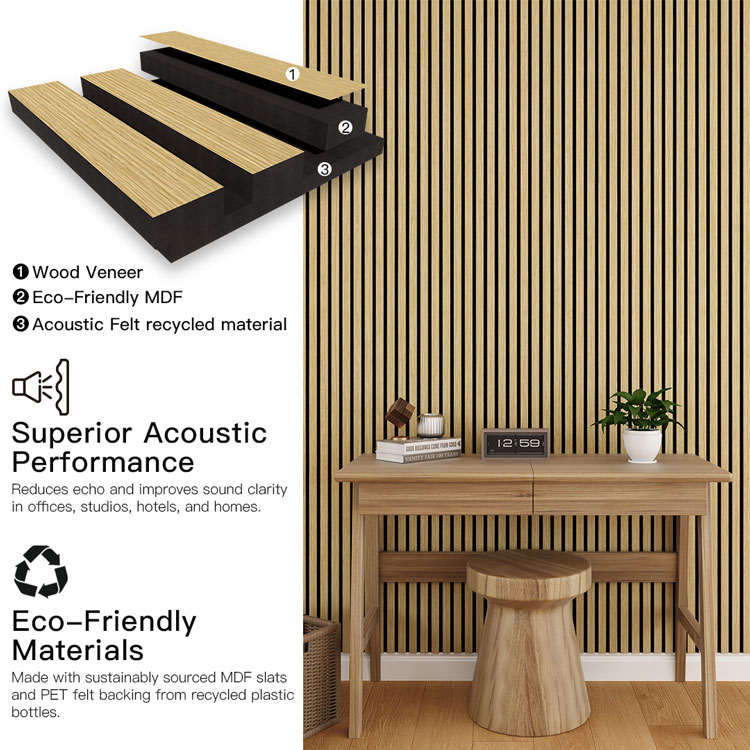
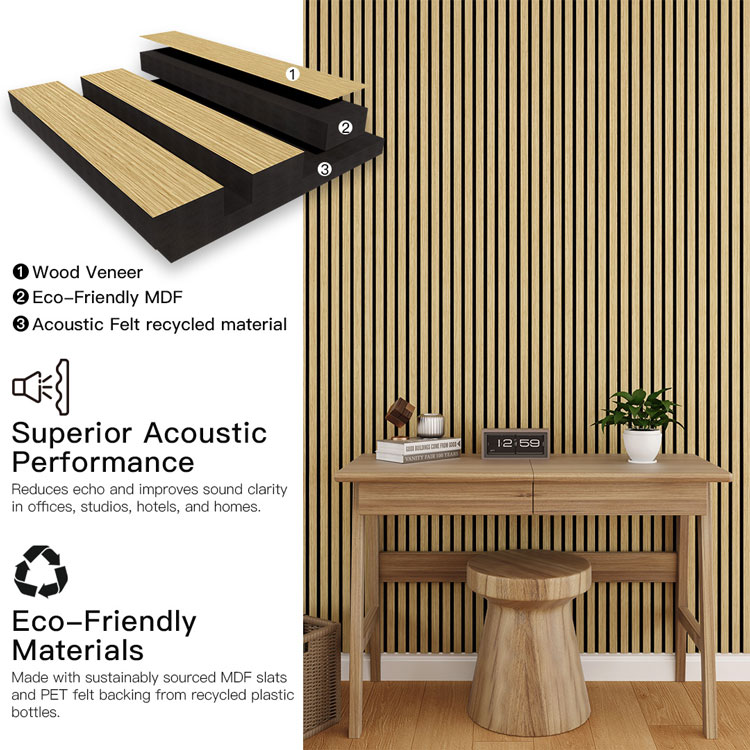
Acoustic felt or PET fiber


High-density MDF board with backing


Mineral wool or foam core


Common forms of acoustic panels include wood strip acoustic wall panels, fabric-covered acoustic panels, and decorative acoustic systems.


Advantages of sound-absorbing panels:


Reduces echo and reverberation


Improves speech clarity


Enhances music and audio quality


Creates a more comfortable acoustic environment


What is soundproofing?


Soundproofing focuses on preventing sound from entering or leaving a room.


True soundproofing requires structural solutions to address the following issues:


Sound propagation through walls, floors, and ceilings


Vibration propagation within the building structure


Air gaps around doors, windows, and electrical outlets


Common soundproofing methods include:


Increasing mass (e.g., adding drywall, high-density sound insulation materials)


Structural vibration isolation (e.g., double-wall construction, flexible joists)


Sealing gaps with acoustic sealants


Structural treatment of floors and ceilings


Sound Absorbers vs. Sound Insulation: Key Differences


Aspects: Sound Absorbers, Sound Insulation


Main Uses: Improves indoor acoustics, Blocks sound propagation


Affects: Reflected sound within the room, Sound passing through the building


Installation Methods: Surface mounting, Structural modification


Cost: Medium, High


Typical Applications: Studios, offices, residences, apartments, shared walls, noisy environments


👉 Sound absorbers cannot replace sound insulation, but they are often the first and most practical step.


Why Sound Absorbers are Often Misunderstood as Sound Insulation Materials


Many people find their rooms quieter after installing sound absorbers. This leads them to mistakenly believe they have achieved soundproofing.


However, the reality is:


Echoes and reflections are reduced.


Sound energy is contained within the room.


Noise sounds less harsh and more comfortable.


However, external noise (neighbors, traffic, footsteps) can still be heard because the sound-absorbing panels are not heavy enough to block sound propagation.


How Sound-Absorbing Panels and Soundproofing Materials Can Work Better Together


In professional projects, sound-absorbing panels are often used in conjunction with soundproofing measures.


For example:


Soundproofing the wall structure to reduce noise transmission.


Installing wood strip sound-absorbing panels to optimize sound clarity and aesthetics.


This combination is widely used in:


Recording studios


Home theaters


Office meeting rooms


Hotel and commercial interior spaces


Why Wood Strip Sound-Absorbing Panels Are a Wise Choice


Wood strip wall panels offer unique advantages: they perfectly combine functional sound absorption with modern interior design.


The strip-shaped medium-density fiberboard (MDF) surface helps diffuse sound, while the sound-absorbing felt backing absorbs reflected sound—making it ideal for both performance and aesthetics. Manufacturing Quality is More Important Than You Think


Not all sound-absorbing panels perform the same. Factors such as the density of the medium-density fiberboard (MDF), the thickness of the felt layer, cutting precision, and bonding quality all directly affect sound absorption.


Why Global Customers Choose Our(leeyin) Acoustic Products


🏭 20,000 square meters of modern production facilities


📦 Strong capacity for handling bulk and project orders


🌍 One of China's leading exporters of wood strip wall panels


📐 Strict adherence to international quality management standards


🎯 Stable performance, consistent dimensions, and exquisite craftsmanship


Our products are trusted by distributors, designers, and contractors worldwide.


So, are sound-absorbing panels and sound-insulating panels the same?


No—but they are both crucial.


Acoustic panels:


Improve indoor sound propagation


Enhance comfort, clarity, and usability


Sound insulation panels:


Block noise propagation between spaces


Requires a structural solution


Acoustic panels offer the highest return on investment for most residential and commercial interior spaces, especially when sourced from specialized manufacturers.

In short: They cannot completely block sound, but they can effectively reduce noise.


Doors are often the weakest link in a soundproofing system. Hollow cores, gaps, and thin surfaces allow sound to easily penetrate. Sound-absorbing panels can improve this, but only in certain areas.

Acoustic Wood Slat Panels from Reliable Manufacturer

🔊 What benefits do sound-absorbing panels bring to doors?


✔ Reduced echoes and sound reflections


Installing sound-absorbing panels on doors absorbs indoor sound, reducing noise that would otherwise be reflected onto the door.


✔ Improved privacy


By reducing internal reverberation, less sound reaches the door and leaks out.


✔ Quick, aesthetically pleasing, and convenient installation


Sound-absorbing panels—especially wood strip sound-absorbing panels with PET felt—instantly improve soundproofing comfort and aesthetics, even on doors.


🚫 Limitations of soundproofing panels


Soundproofing panels cannot block strong external noise that passes through the door.


To truly achieve sound insulation for your door, you may need:


Door seals


Bottom door seals


Solid door


Soundproofing materials


Combining these materials with soundproofing panels will yield even better results.

Neighbor noise can be annoying—footsteps, TV, conversations, even loud music. If you want to effectively insulate, reduce, or block these noises, the key is to use the right acoustic and soundproofing materials.


✔ 1. Add Sound-Absorbing Panels

Leading Acoustic Wood Slat Panel Distributor

Sound-absorbing panels help reduce echoes and control sound reflections within the room, thus reducing the impact of neighbor noise.


Liyin offers:


Wooden Strip Sound-Absorbing Panels (PET + MDF Core)


High-Density PET Sound-Absorbing Panels


Decorative Acoustic Solutions for Homes and Offices


✔ 2. Increase Wall Weight to Block Noise


To insulate or block sound, you need heavier materials.


Liyin's high-density MDF structure offers stronger sound insulation than standard MDF, helping to reduce sound propagation through shared walls.


✔ 3. Leave Air Gaps or Use Framing Strips


Leaving a small gap between the wall and the soundproofing panels can improve sound insulation.


Our soundproofing panels can be installed using either joists or clips, enhancing sound insulation without altering the interior style.


✔ 4. Sealing Gaps and Weak Points


Even small gaps can allow noise to penetrate. Seal the following areas:


Sockets


Door frames


Baseboards


Window edges


For even better sealing, use with Liyin soundproofing wall panels.


🪵 Why Choose Wood Slat Acoustic Panels?

At Guangdong Leeyin Acoustics, our wood slat acoustic panels are designed to offer both style and performance.

✔ Superior sound absorption with felt backing.
✔ Natural wood finish for modern, elegant interiors.
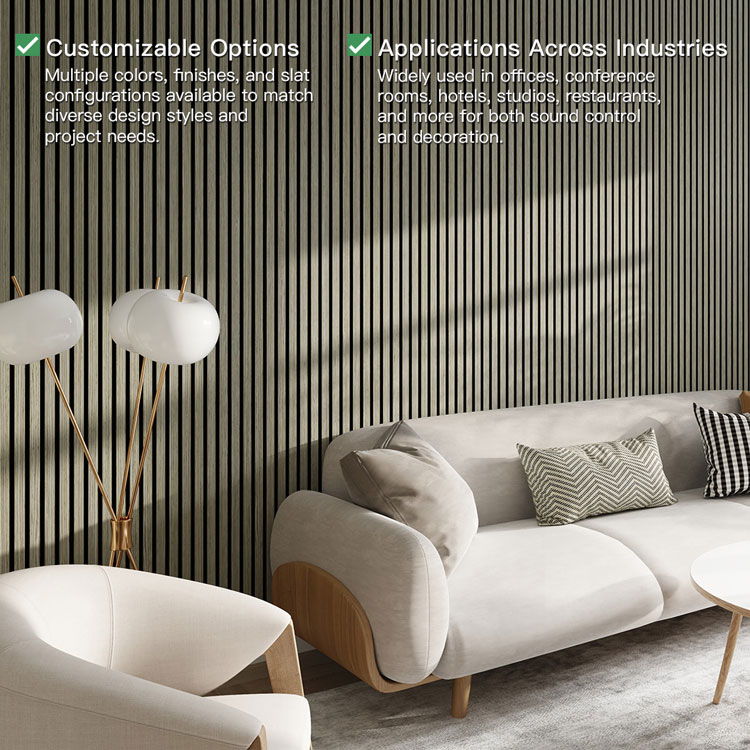
✔ Flexible coverage—use as partial wall designs or full feature walls.
✔ Eco-friendly and durable materials.

Our panels are widely used in homes, offices, studios, restaurants, and theaters, trusted by clients worldwide for their acoustic and visual benefits.


🏭 About Guangdong Leeyin Acoustics

As a leading manufacturer and exporter of wood slat wall panels and acoustic panels in China, Guangdong Leeyin Acoustics delivers world-class acoustic solutions.

  • 20,000㎡ modern factory with advanced technology.

  • International quality management standards for every product.

  • Strong global export presence in the acoustic panel industry.


Our mission is to provide clients with high-quality, cost-effective, and aesthetically pleasing soundproofing solutions.

If you're tired of your neighbor's footsteps, conversations, or TV noise, you're not alone. Many people wonder if sound barriers can reduce neighbor noise—the answer is: yes, they do help, but there are limitations.


🎧 The Role of Sound Barriers

Premium Acoustic Wood Slat Panels Manufacturer

Sound barriers are designed to absorb indoor sound, reduce echoes, improve clarity, and make your space feel quieter and more comfortable. If installed properly—especially high-density sound barriers—they can also reduce some noise from outside.


🚫 Limitations of Sound Barriers


Traditional sound barriers don't completely block out noise. If your neighbors are very noisy, or if the noise is coming from the building structure (such as walls, floors, pipes), you may need to use a combination of soundproofing materials, such as high-density fiberboard (MDF), thermal insulation, or other soundproofing solutions.

Still bothered by noise coming through wall gaps? Whether it's a home studio, office, or bedroom, proper soundproofing can make a significant difference—and that's precisely where Leeyin Acoustics excels.


Guangdong Leeyin Acoustics specializes in high-performance wood strip acoustic panels, perfectly combining modern design with superior sound absorption. Our acoustic panels help you create a quiet and private space where your neighbors can't hear a thing.

Custom Solutions Acoustic Wood Slat Panels

Here are the secrets to creating truly effective soundproofing 👇


🪵 1. Install Sound-Absorbing Wall Panels


Leeyin wood strip acoustic panels use PET felt backing and high-density MDF boards to effectively reduce echoes and block sound transmission.


🚪 2. Seal Gaps


Even small gaps can allow sound to penetrate. Use soundproofing sealant or door/window sealing strips to seal gaps around doors and windows.


🧱 3. Add sound-absorbing surfaces


Combine LAIN sound-absorbing panels with sound-absorbing ceilings, soft furnishings, and carpets to minimize sound reflections and create a quieter environment.

In today's highly competitive market, clients need more than just products; they need complete, reliable, and efficient solutions.


Guangdong Leeyin Acoustics is a trusted one-stop acoustic panel manufacturer, dedicated to helping global brands and designers turn their visions into reality.

Customizable Acoustic Wood Slat Panels Supplier

Here are the reasons why global clients choose Leeyin's one-stop customization service:


🧩 1. End-to-End Customization from Design to Delivery


We offer end-to-end customization services—from wood veneer selection, panel size and acoustic performance design, to carton packaging, label printing, and sample box customization.


Every detail reflects your brand image and project style.


🏭 2. Strong Production Capacity


Leeyin boasts over 20,000 square meters of advanced production facilities and a modern quality management system, ensuring the highest quality for every order.


Our stringent international standards guarantee reliable quality—from raw materials to finished panels, we control the entire process.


🚀 3. Global Expertise, Local Support


As a leading exporter of wood strip wall panels in China, we have established partnerships with clients in Europe, North America, Asia, and beyond.


Our professional team provides rapid communication, technical support, and efficient logistics services to ensure your projects run smoothly.


🎯 4. Leeyin Streamlines Your Project Process


From design consultation to production and export, Leeyin provides everything you need—saving you time, costs, and effort.


This is why many global brands trust Leeyin and consider it their preferred sound-absorbing panel partner.

keyboard_arrow_up