Living in an apartment often means enduring various noises—neighbors' conversations, TV noise, footsteps, and even echoes in your own room. This leads many renters and landlords to ask:


Is it worth installing acoustic panels in an apartment?
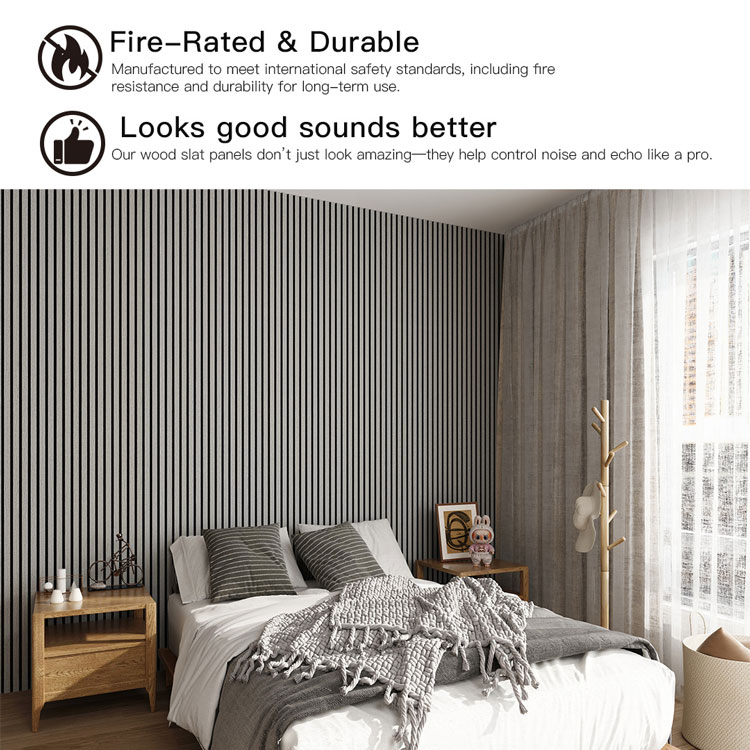
Acoustic Wood Slat Panels Supplier

The answer is yes—provided they are used correctly. While acoustic panels cannot completely block out noise, they can significantly improve comfort, clarity, and overall sound quality. In this guide, we'll explain the role and limitations of acoustic panels in apartments, and why they are a smart upgrade for modern urban living.


Common Noise Problems in Apartments


Apartment buildings typically have the following characteristics:


Shared walls and ceilings


Hard surfaces such as concrete and drywall


Limited finishing options


This often leads to:


Echoes and reverberation within rooms


Poor speech intelligibility


Noise easily propagates throughout the space


Constant background noise increases stress


Acoustic treatment can solve many of these problems without altering the building structure.


The Practical Role of Sound-Absorbing Panels in Apartments


Sound-absorbing panels are designed to absorb sound reflections, not completely block sound.


In apartments, sound-absorbing panels serve several purposes:


Reducing echoes and reverberation


Improving speech and television clarity


Making rooms feel quieter and more comfortable


Minimizing noise from neighbors


Preventing sound reflections within the room


While they are not a complete soundproofing solution, they can significantly improve the quality of daily life.


Sound-Absorbing Panels vs. Soundproofing: What Apartment Owners Need to Know


Understanding the difference is crucial:


Sound-absorbing panels → Improve sound quality in the apartment


Soundproofing → Prevent sound from entering or leaving the apartment


True soundproofing requires extensive construction and structural modifications, which is often impractical in apartments. Sound-absorbing panels, on the other hand, are a non-invasive, effective, and renter-friendly option.


Why Wood Strip Sound-Absorbing Panels are Ideal for Apartments


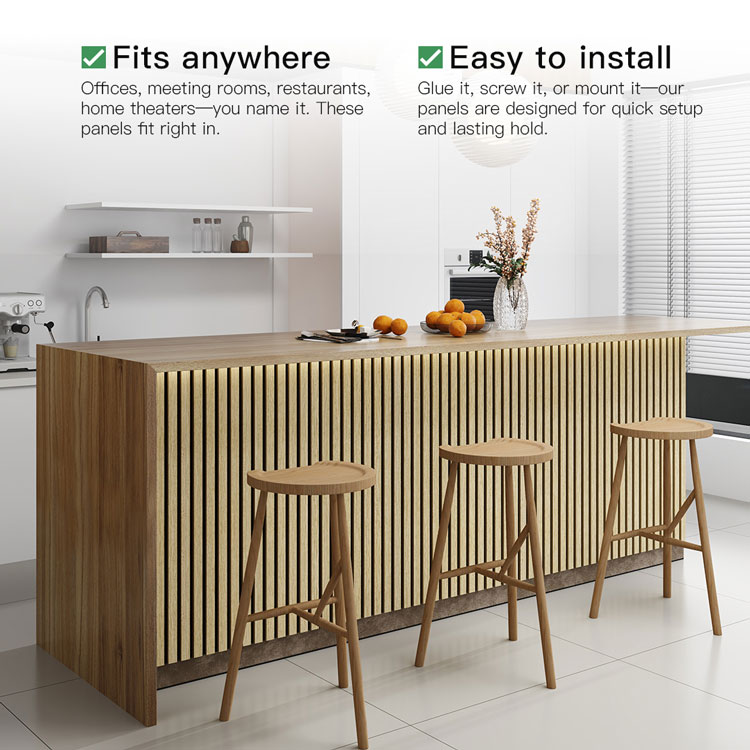
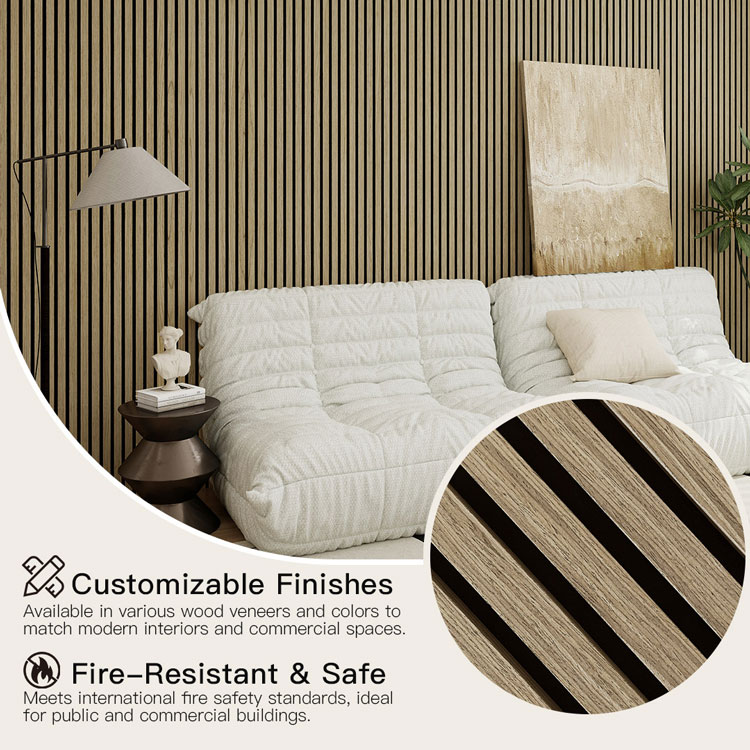
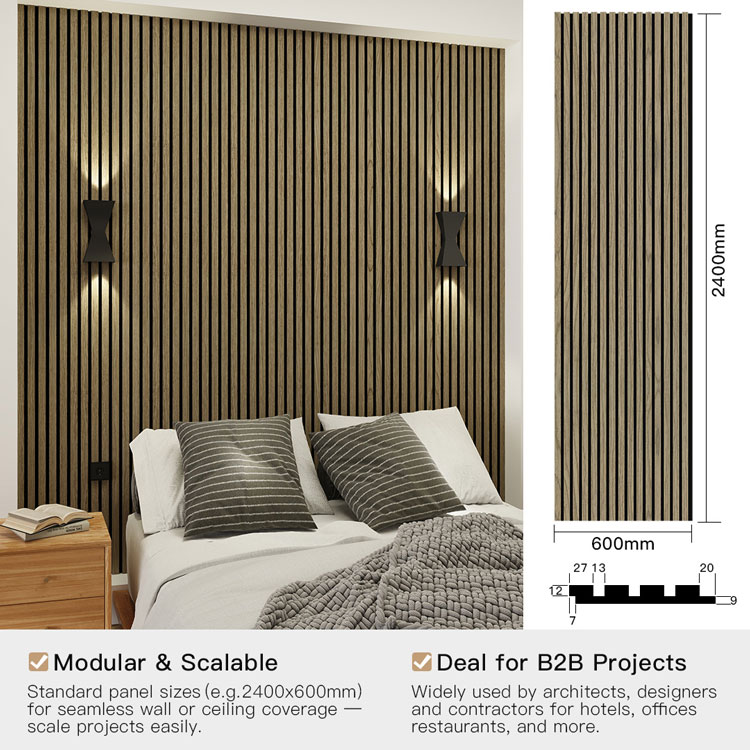
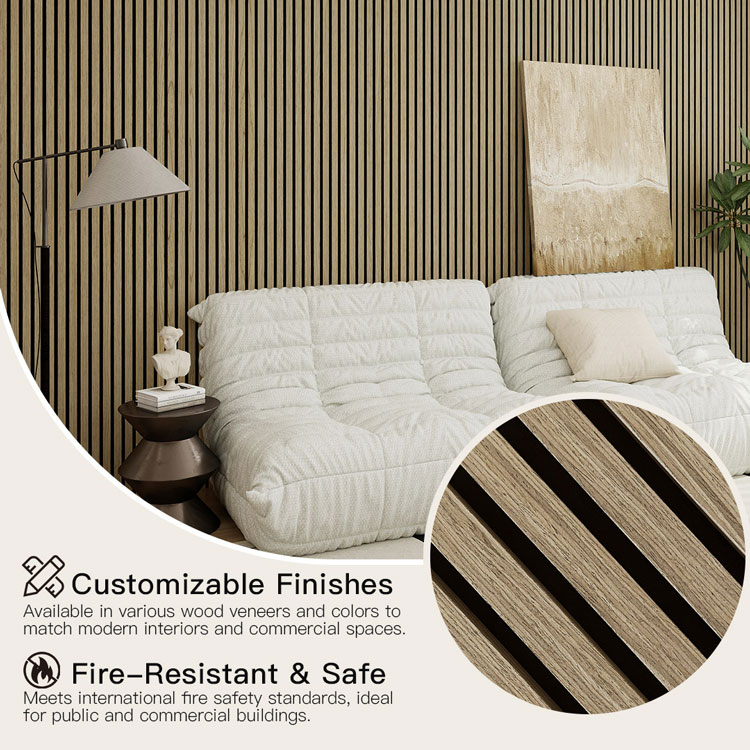
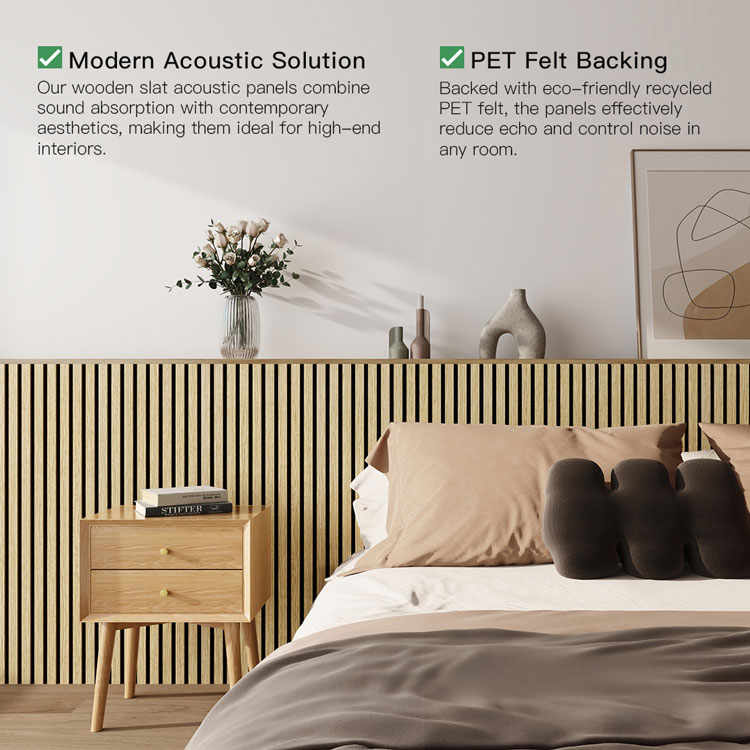
Wood strip sound-absorbing panels are particularly popular in apartments due to their combination of performance and aesthetic design.


Advantages of using acoustic panels in apartments:


Effectively absorbs mid-to-high frequency noise


Reduces echoes in living rooms and bedrooms


Adds warmth and visual depth to interior spaces


Suitable for modern, minimalist, and luxury designs


Requires no major renovations for installation


Especially suitable for behind TVs, shared walls, and home office or bedroom spaces.


Installation Locations for Apartment Acoustic Panels


For best results, focus on the following problem areas:


Shared walls with neighbors


Behind TVs or entertainment systems


Home office or study areas


Bedroom walls near noise sources


Strategic installation is generally more effective than covering the entire room.


Are acoustic panels worth installing for renters?


Yes. Many modern acoustic panels:


Require only a few holes for installation


Removable and reusable


Won't damage walls when installed correctly


Therefore, they are an excellent choice for renters who want to improve acoustics without making permanent modifications.
Understand the Key Differences to Find Better Acoustic Solutions


When people start looking for ways to reduce noise, a common question keeps recurring:


Are acoustic panels and soundproofing the same?

Customizable Acoustic Wood Slat Panels Supplier

In short, the answer is no—but a complete explanation is more valuable. Understanding the difference between acoustic treatments and soundproofing can help you choose the right solution, avoid unrealistic expectations, and allocate your budget wisely.


In this article, we will explain the differences between the two in a clear and easy-to-understand way, combined with expert insights from experienced acoustic panel manufacturers.


What are Acoustic Panels?


Acoustic panels are designed to improve the sound quality of a room by absorbing sound waves. They primarily target mid-to-high frequency reflections, reducing echoes, reverberation, and noise buildup.


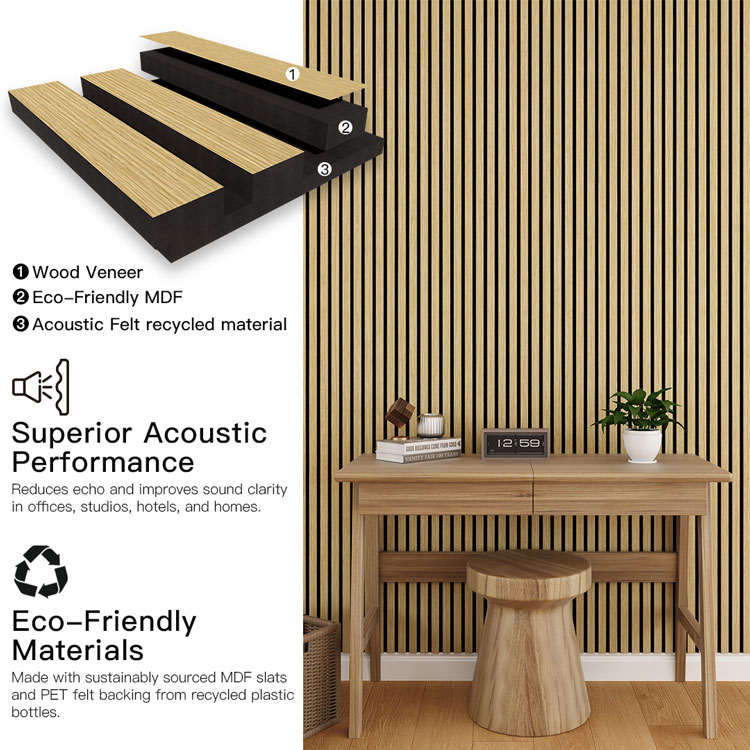
Most acoustic panels are made of sound-absorbing materials such as:


Acoustic felt or PET fiber


High-density MDF board with backing


Mineral wool or foam core


Common forms of acoustic panels include wood strip acoustic wall panels, fabric-covered acoustic panels, and decorative acoustic systems.


Advantages of sound-absorbing panels:


Reduces echo and reverberation


Improves speech clarity


Enhances music and audio quality


Creates a more comfortable acoustic environment


What is soundproofing?


Soundproofing focuses on preventing sound from entering or leaving a room.


True soundproofing requires structural solutions to address the following issues:


Sound propagation through walls, floors, and ceilings


Vibration propagation within the building structure


Air gaps around doors, windows, and electrical outlets


Common soundproofing methods include:


Increasing mass (e.g., adding drywall, high-density sound insulation materials)


Structural vibration isolation (e.g., double-wall construction, flexible joists)


Sealing gaps with acoustic sealants


Structural treatment of floors and ceilings


Sound Absorbers vs. Sound Insulation: Key Differences


Aspects: Sound Absorbers, Sound Insulation


Main Uses: Improves indoor acoustics, Blocks sound propagation


Affects: Reflected sound within the room, Sound passing through the building


Installation Methods: Surface mounting, Structural modification


Cost: Medium, High


Typical Applications: Studios, offices, residences, apartments, shared walls, noisy environments


👉 Sound absorbers cannot replace sound insulation, but they are often the first and most practical step.


Why Sound Absorbers are Often Misunderstood as Sound Insulation Materials


Many people find their rooms quieter after installing sound absorbers. This leads them to mistakenly believe they have achieved soundproofing.


However, the reality is:


Echoes and reflections are reduced.


Sound energy is contained within the room.


Noise sounds less harsh and more comfortable.


However, external noise (neighbors, traffic, footsteps) can still be heard because the sound-absorbing panels are not heavy enough to block sound propagation.


How Sound-Absorbing Panels and Soundproofing Materials Can Work Better Together


In professional projects, sound-absorbing panels are often used in conjunction with soundproofing measures.


For example:


Soundproofing the wall structure to reduce noise transmission.


Installing wood strip sound-absorbing panels to optimize sound clarity and aesthetics.


This combination is widely used in:


Recording studios


Home theaters


Office meeting rooms


Hotel and commercial interior spaces


Why Wood Strip Sound-Absorbing Panels Are a Wise Choice


Wood strip wall panels offer unique advantages: they perfectly combine functional sound absorption with modern interior design.


The strip-shaped medium-density fiberboard (MDF) surface helps diffuse sound, while the sound-absorbing felt backing absorbs reflected sound—making it ideal for both performance and aesthetics. Manufacturing Quality is More Important Than You Think


Not all sound-absorbing panels perform the same. Factors such as the density of the medium-density fiberboard (MDF), the thickness of the felt layer, cutting precision, and bonding quality all directly affect sound absorption.


Why Global Customers Choose Our(leeyin) Acoustic Products


🏭 20,000 square meters of modern production facilities


📦 Strong capacity for handling bulk and project orders


🌍 One of China's leading exporters of wood strip wall panels


📐 Strict adherence to international quality management standards


🎯 Stable performance, consistent dimensions, and exquisite craftsmanship


Our products are trusted by distributors, designers, and contractors worldwide.


So, are sound-absorbing panels and sound-insulating panels the same?


No—but they are both crucial.


Acoustic panels:


Improve indoor sound propagation


Enhance comfort, clarity, and usability


Sound insulation panels:


Block noise propagation between spaces


Requires a structural solution


Acoustic panels offer the highest return on investment for most residential and commercial interior spaces, especially when sourced from specialized manufacturers.

For acoustic treatment, proper placement is just as important as the quality of the panels. Even the best acoustic panels won't perform to their full potential if improperly installed.


So, where should acoustic panels be placed for optimal results?

Customizable Acoustic Wood Slat Panels Supplier

The answer depends on how sound travels within a room—and understanding this propagation is key to achieving professional-grade acoustics.


The Importance of Acoustic Panel Placement


Sound travels in waves and reflects off hard surfaces such as walls, ceilings, and floors. These reflections cause:


Echoes and reverberation


Decreased speech intelligibility


Muffled music playback


Hearing fatigue


Acoustic panels work by absorbing reflected sound energy, not blocking it. Therefore, they must be placed where reflections occur most frequently.


The Most Important Placement Areas for Acoustic Panels


1. First Reflection Point (Side Wall)


The first reflection point is the location where sound emitted by a speaker is directly reflected back to the listener after hitting the wall.


Optimal Placement:


1. Walls to the left and right of the speakers


Ear-level (sitting height)


This is one of the most effective and important placements for improving sound clarity in home theaters, recording studios, and offices.


2. Front Wall (Behind the Speakers)


Placing acoustic panels on the wall behind the speakers helps to:


Reduce sound reflections back into the room


Improve stereo imaging


Enhance bass response


Wooden slat acoustic panels are particularly effective here, combining sound absorption with aesthetics.


3. Rear Wall (Behind the Listener)


The wall behind the listener often produces back reflections, resulting in echoes and muddy sound.


Recommended Uses:


Large acoustic panels


Wooden slat acoustic panels with PET backing


Partial or full coverage depending on room size


This installation method significantly improves overall listening comfort.


4. Ceiling Acoustic Panels (Ceiling Clouds)


The ceiling is often overlooked, but it is a major source of sound reflections.


Ceiling acoustic panels are best suited for the following locations:


Home studios


Meeting rooms


Home theaters


Open-plan offices


Installing acoustic panels directly above the listening or working area helps control vertical reflections.


5. Shared walls in apartments or offices


If you share a wall with a neighbor or adjacent room:


Install acoustic panels on the shared wall


Focus on absorbing mid-to-high frequency sounds


For best results, pair with soft furnishings


While acoustic panels don't completely block out sound, they significantly improve perceived noise levels.

If you're planning to create a modern home theater or stylish living room, you might be wondering:


"Can I mount the TV directly on a sound-absorbing wall?"

Customizable Acoustic Wood Slat Panels Supplier

In short: It's not recommended.


Here are the reasons and the correct installation method.


❌ Why you shouldn't mount a TV directly on a sound-absorbing panel


Sound-absorbing panels—especially felt-backed wooden slats—are for absorbing sound, not for bearing weight.


Mounting a TV directly on acoustic panels may result in:


Insufficient structural support


Risk of panel damage


Unsafe installation


Degraded acoustic performance


✔ Correct way to install a TV using acoustic panels


You can perfectly combine a TV wall mount with acoustic panels—simply follow these steps:


1. First, mount the TV bracket on a solid wall.


The TV should be securely fixed to the following wall surfaces:


Concrete wall


Brick wall


Use suitable anchors to secure to drywall


Wooden frame


2. Install the acoustic panels around the bracket.


Leeyin's wood slat acoustic panels are precisely cut to perfectly fit the wall mount, providing a seamless, high-quality look.


3. Hide cables behind the panel.


Our panels have small gaps between the wood slats and felt backing—perfect for concealing cable management.

Yes—you can significantly reduce noise from your upstairs neighbor, especially footsteps and impact sounds like objects falling. While achieving 100% soundproofing without altering the structure is difficult, suitable sound-absorbing materials can significantly improve comfort and quietness.

Wholesale High-Quality Acoustic Wood Slat Panels for Sale

🎧 How to Effectively Soundproof Your Ceiling


Here are the most effective methods:


✔ 1. Add Sound-Absorbing Panels


High-density sound-absorbing panels help absorb reflected noise, reducing the sound you hear.


Our PET sound-absorbing panels and wood strip wall/ceiling panels combine sound absorption with aesthetic appeal.


✔ 2. Create a Freestanding Ceiling


Installing a suspended or floating ceiling helps block impact sounds.


Even better when used with soundproofing materials.


✔ 3. Increase Mass


Using high-density boards or layers of high-density materials helps block airborne noise.


✔ 4. Seal Gaps


Even the smallest gaps can allow sound to pass through. Proper sealing can improve overall performance.v

Many people ask this question—the answer is both yes and no.


The primary function of acoustic panels is to absorb sound, not block it. This means they reduce echoes, reverberation, and noise reflections within the room, making it clearer, quieter, and more comfortable.


However, if high-density materials are used, acoustic panels can also help reduce noise levels both inside and outside the room—especially when combined with appropriate soundproofing measures.

Customizable Acoustic Wood Slat Panels Supplier

Guangdong Liyin Acoustics is dedicated to designing acoustic solutions that combine performance and aesthetics. Our wood slat wall panels, PET acoustic panels, and high-density MDF cores offer superior sound absorption, helping to control noise in any interior space.

Absolutely—with the right methods, the soundproofing effect is remarkable! 🎯


Soundproofing is not just about blocking noise; more importantly, it's about controlling the propagation of sound through walls, ceilings, and floors. Using suitable materials, such as high-density sound-absorbing panels, can significantly reduce noise transmission, creating a quieter space—whether it's a home office, studio, or living room.

Customizable Acoustic Wood Slat Panels Supplier

Guangdong Leeyin Acoustics Co., Ltd. specializes in wood slat wall panels and sound-absorbing panels, combining sound absorption with aesthetics. Our panels use high-quality medium-density fiberboard (MDF), recycled PET felt, and fine natural wood veneer, perfectly blending effective soundproofing with modern interior design.


🌟 Advantages of Leeyin Acoustic Panels:


✅ High-density medium-density fiberboard (MDF) for superior sound insulation


✅ PET felt backing for effective echo reduction and durability


✅ Precision-designed slats for acoustic balance


✅ Manufactured in strict accordance with international quality standards


With over 20,000 square meters of advanced production facilities, Leeyin is one of China's leading exporters of acoustic wood slat wall panels, providing trusted, customized, and environmentally friendly solutions for architects and designers worldwide.

keyboard_arrow_up