Many people seeking better sound insulation often ask:


What's the difference between acoustic panels and soundproofing panels?


While these two terms are often used interchangeably, their uses are quite different. Understanding their differences is crucial for choosing the right solution for your residential, office, or commercial project.


In this guide, we'll detail how each system works, where it's applicable, and why acoustic panels (especially wood strip acoustic panels) are the most practical choice for most spaces.


Acoustic Panels vs. Soundproofing Panels: Core Differences


The main difference lies in the problem you want to solve.


Type Main Function Uses

Acoustic Wood Slat Panels Supplier

Acoustic Panels Absorbs indoor sound Reduces echoes, reverberation, and noise reflections


Soundproofing Panels Blocks sound from entering or leaving Prevents noise transmission between spaces


In short:


Acoustic panels improve sound quality


Soundproofing panels block sound transmission


What are acoustic panels?


Acoustic panels are designed to absorb sound waves reflected within an indoor space.


They help to:


Reduce echo and reverberation


Improve speech clarity


Enhance music and audio quality


Create a more comfortable indoor environment


Widely used in:


Residential and apartment buildings


Offices and meeting rooms


Restaurants and hotels


Studios and commercial spaces


How Sound-Absorbing Panels Work


Sound-absorbing panels use porous materials that convert sound energy into heat energy through friction.


High-quality sound-absorbing panels typically combine the following features:


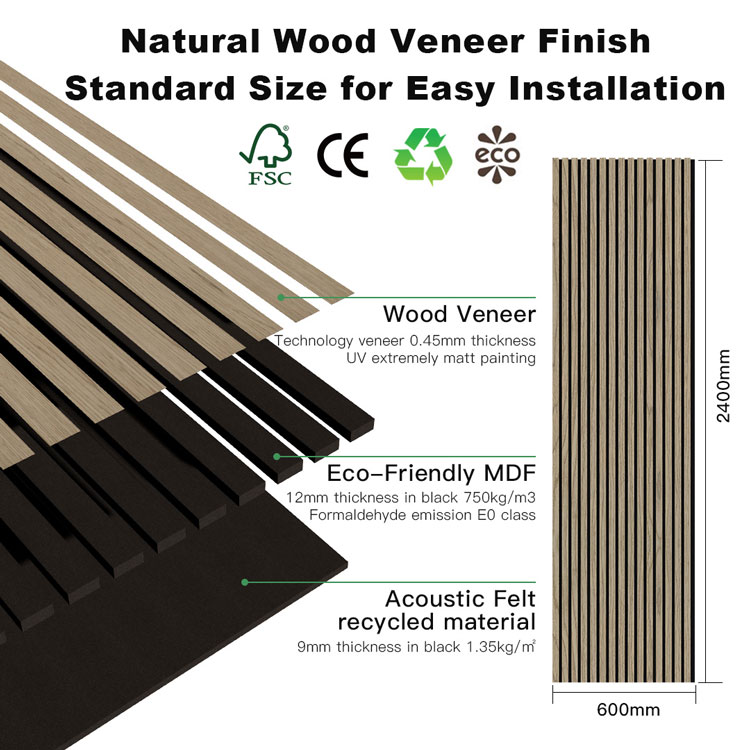
Sound-absorbing backing materials (such as PET felt)


Optimized thickness and density


Carefully designed surface


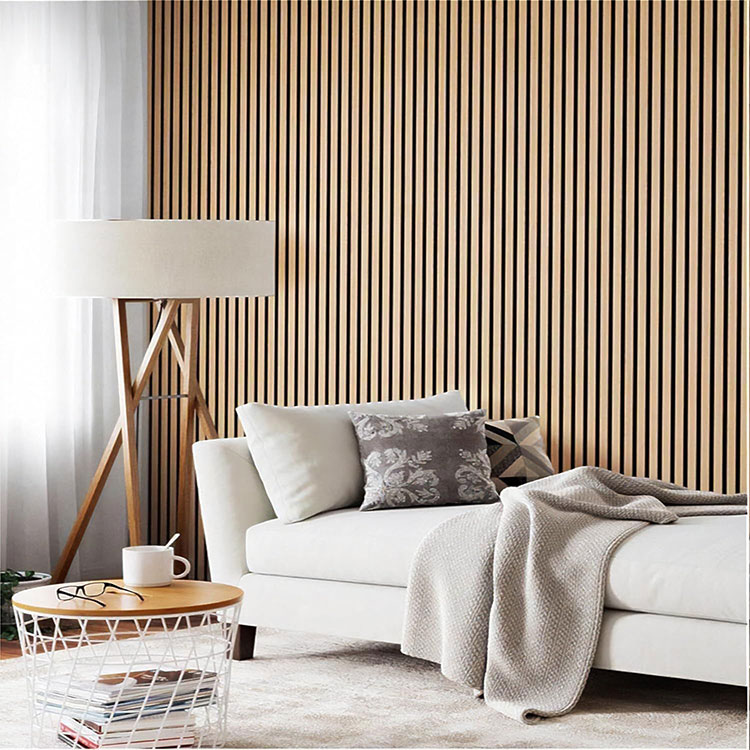
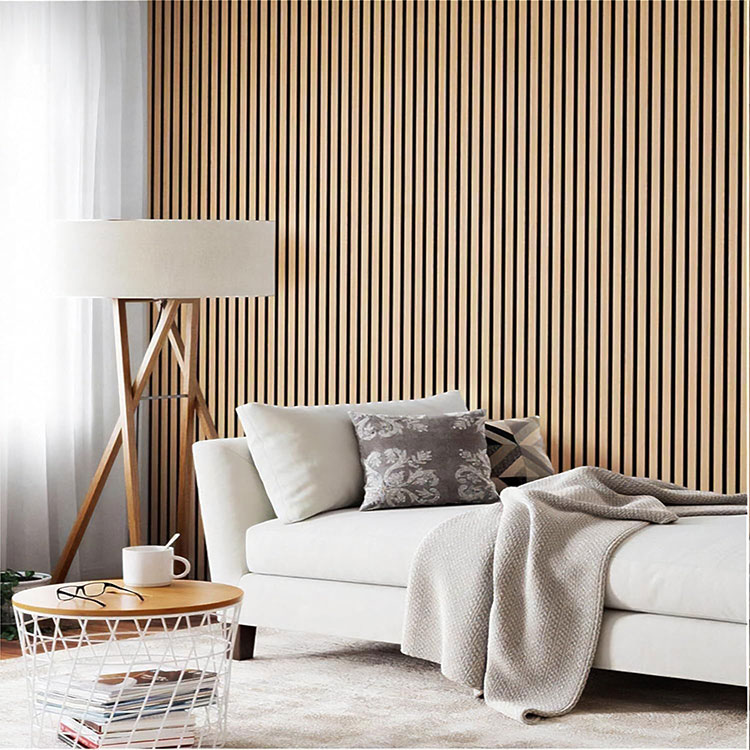
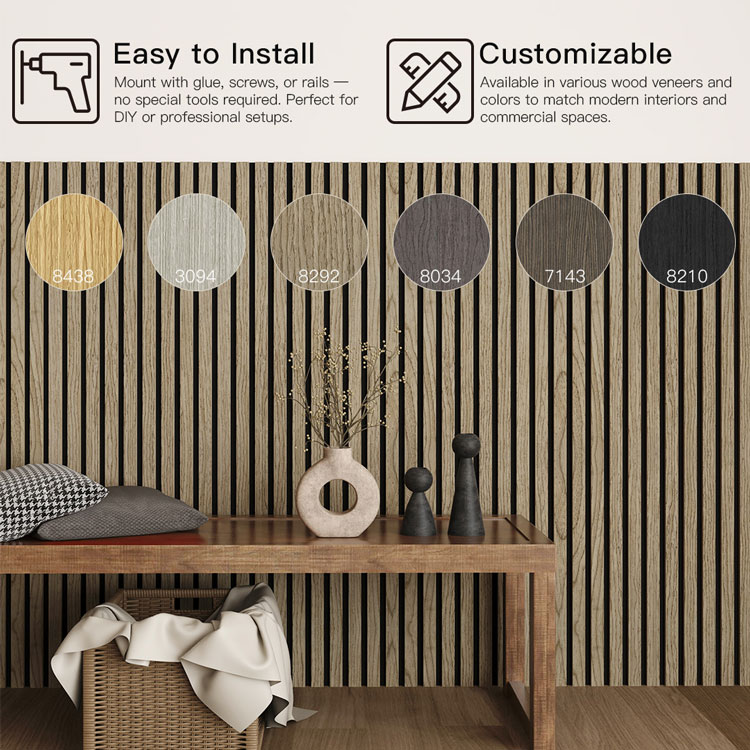
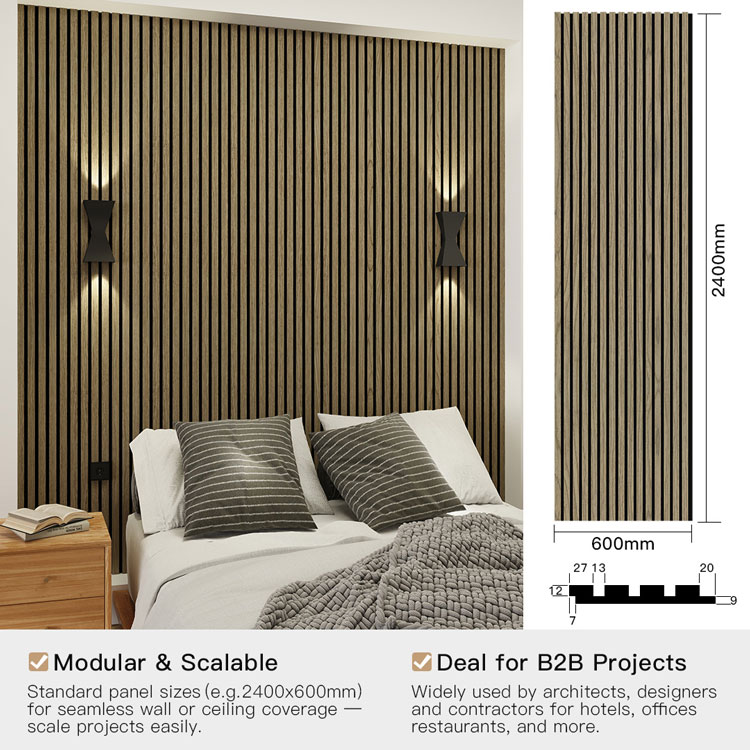
Wood strip sound-absorbing panels go a step further, combining sound absorption with sound diffusion for balanced acoustic control and modern aesthetics.


What are Sound Insulation Panels?


Sound insulation panels are designed to block the transmission of sound between rooms.


They rely on:


Heavy materials


Structural isolation


Sealed structure


True sound insulation typically includes:


High-density materials (concrete, drywall layers)


Resilient partitions


Insulation materials within walls and ceilings


Sealing of gaps


Therefore, soundproofing panels are:


Heavy


More expensive


Usually part of the building structure, not decoration


Why sound-absorbing panels are often the better choice


Many people want “soundproofing” when they actually need better acoustic control.


Sound-absorbing panels are ideal because they:


Easy to install


Immediately improve sound quality


No construction required


Enhance interior design


Excellent cost-effectiveness


For apartments, offices, and most commercial interior spaces, sound-absorbing panels can solve 80-90% of common noise problems.


Can sound-absorbing panels replace soundproofing panels?


Not entirely—but they can significantly improve perceived noise comfort.


Acoustic panels:


Reduce indoor reflected noise


Make conversations clearer


Reduce overall auditory fatigue


However, they do not completely prevent sound from penetrating walls. Complete soundproofing requires structural sound insulation.


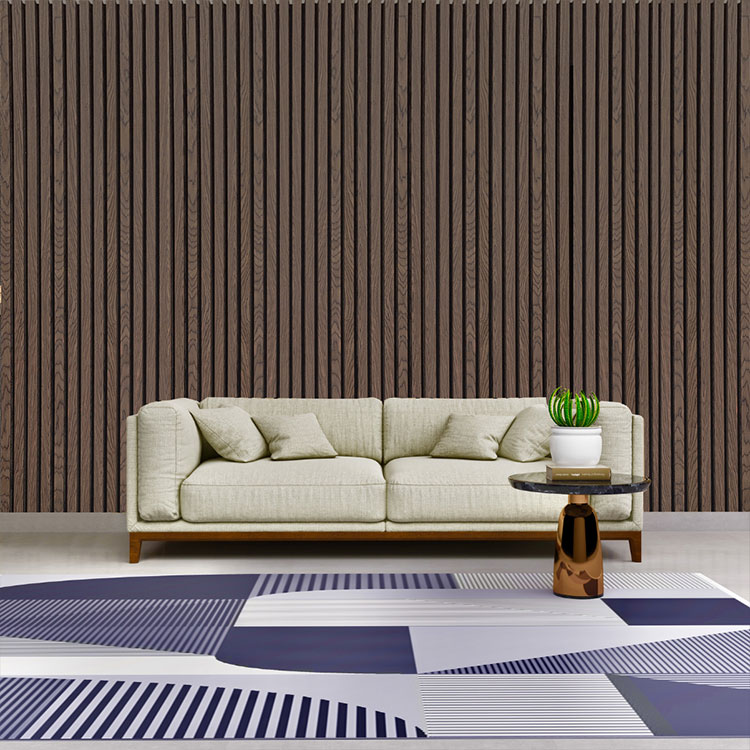
Wood strip acoustic panels: Performance and design combined


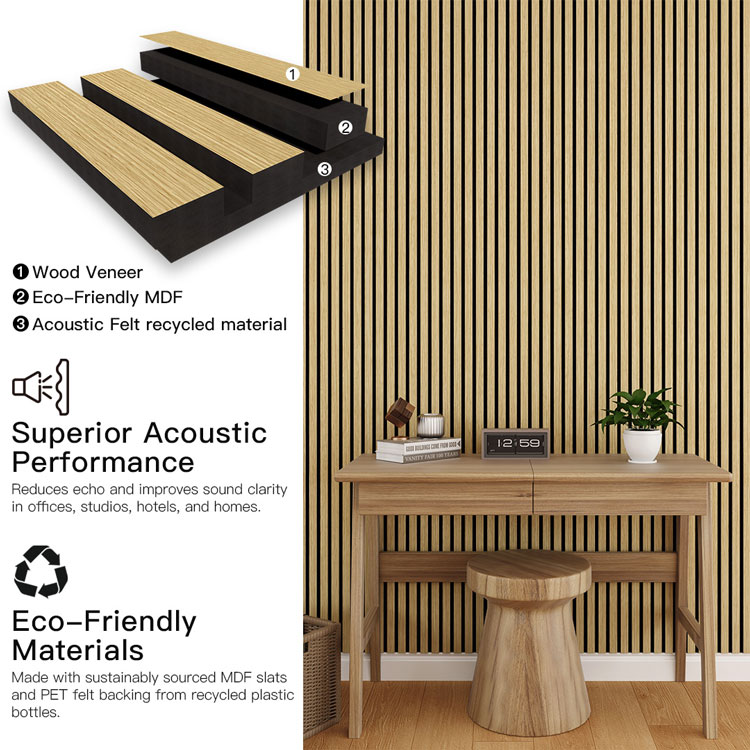
Wood strip acoustic panels are a modern solution that combines:


Sound absorption


Partial sound diffusion


The beauty of natural wood


They are particularly suitable for:


Modern residences


Offices


Hotel projects


Commercial interior design


This achieves an ideal balance between functionality, aesthetics, and practicality.

One of the most frequently asked questions before undertaking any acoustic treatment of a space is:


How many acoustic panels do you need in a room?

Best Price Guarantee Acoustic Wood Slat Panels

In short—it depends on the specific situation.


The appropriate number of acoustic panels depends on the size, function, layout of the room, and the type of acoustic problem you want to solve.


In this guide, we'll explain it in a clear and practical way to help you make the right decision and avoid over- or under-treating.


The Actual Role (and Limitations) of Acoustic Panels


Before discussing specific numbers, it's important to understand one thing:


Acoustic panels absorb sound reflections.


They reduce echoes and reverberation.


They improve sound clarity and comfort.


They do not completely isolate room noise.


This means you don't need to cover all surfaces to achieve the desired effect.


General Principle: Coverage 20%–30%


The generally accepted guideline in acoustics is:


👉 Cover 20%–30% of the total surface area of ​​walls and ceilings.


Such coverage is sufficient to:


Control reflections


Improve speech intelligibility


Balance music and audio playback


For most residential or commercial spaces, it's rarely necessary to exceed this range.


How Room Size Affects the Number of Acoustic Panels


Small Rooms (Bedrooms, Home Offices)


Typical Area: 10–15 square meters


Recommended Number of Acoustic Panels: 4–8


Key Areas:


First Reflection Point


Wall behind the speaker or desk


Rear Wall


Even a small number of well-placed acoustic panels can bring significant improvement.


Medium-sized rooms (living room, home office)


Typical area: 15–30 square meters


Recommended number of panels: 8–16


Additions:


Side walls


Ceiling panels can be installed if needed


Suitable for larger areas with decorative wood strip acoustic panels


Large rooms (studios, meeting rooms, commercial spaces)


Area: 30 square meters and above


Recommended number of panels: 16 or more


Strategy:


Combined wall and ceiling treatment


Use large-size acoustic panels


Combined use of wood strip panels for both aesthetics and performance


Placement is more important than quantity


Using a small number of panels in appropriate locations is far more effective than randomly covering walls.


Priority placement areas:


First reflection point


Front wall (behind the speaker)


Rear wall (behind the listener)


Ceiling above the listening or working area


This method achieves maximum acoustic effect with minimal materials.


Are there too many acoustic panels?


Yes.


Over-processing the acoustics of a room can lead to:


a lifeless or unnatural sound


excessive high-frequency attenuation


creating an uncomfortable listening environment


Therefore, professional acoustic design focuses on balance, not comprehensive coverage.

Acoustic panels aren't just for recording studios—they're a powerful upgrade for any home looking to reduce noise, improve sound quality, and enhance interior design. Here are some of the best ways to use acoustic panels in your home!

Top Manufacturer and Wholesaler of Acoustic Wood Slat Panels

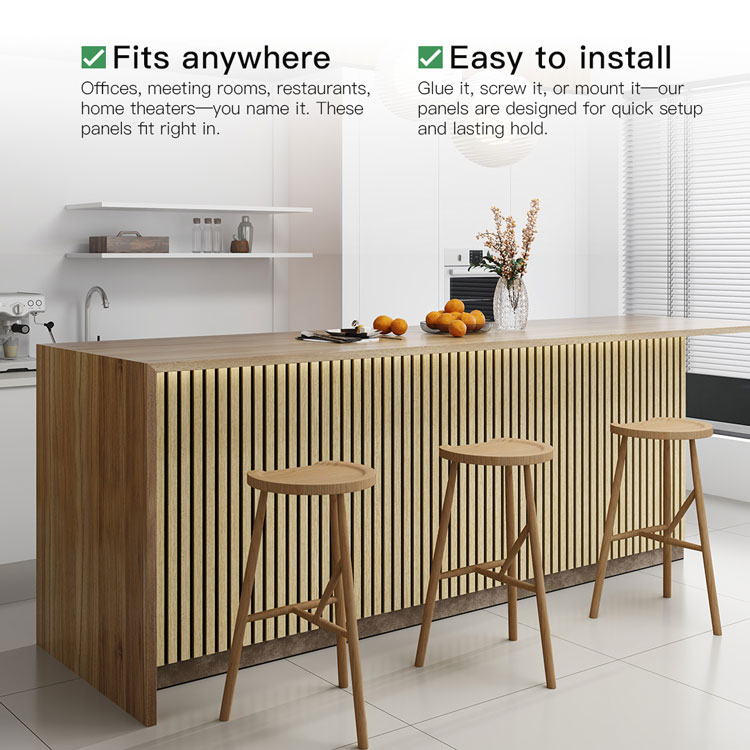
🛋 1. Living Room


Reduce echoes, make conversations clearer, and enhance the sound of your home theater system.


Liyin wood strip acoustic panels combine aesthetics and performance to create a comfortable and modern living space.


🎶 2. Home Theater or Media Room


Acoustic panels absorb excess reflected sound, delivering cinematic-quality clarity.


Our high-density MDF and PET felt construction provides deep sound absorption while maintaining a premium aesthetic.


🧑‍💻 3. Home Office


Working from home? Benefits of Acoustic Panels:


Reduces interference


Improves call clarity


Creates a professional, sophisticated background


Perfect for video conferencing and a quiet, efficient work environment.


🎧 4. Bedroom


Improves sleep quality by reducing external noise and suppressing echoes.


Liyin Acoustic Panels create a calm and quiet atmosphere, ideal for relaxation.


🎤 5. DIY Music Room or Hobby Area


Whether you're playing guitar or recording a podcast, acoustic panels can:


Improve room acoustics


Reduce noise propagation


Enhance your auditory experience


Liyin Acoustic Panels are favored by musicians, content creators, and enthusiasts worldwide.


👶 6. Children's Room and Play Area


Acoustic panels help soften the noise of playtime while adding a safe, modern design element to the room.

If you're planning to upgrade your space with acoustic panels but are worried they might affect your WiFi signal—the good news is: acoustic panels won't block WiFi signals.

Leading Acoustic Wood Slat Panel Manufacturer & Distributor

✔ Why Acoustic Panels Won't Affect WiFi


WiFi signals can easily pass through materials commonly used in acoustic panels, including:


Medium-Density Fiberboard (MDF)


Recycled PET felt


Wood veneer or PET/PVC finish


These materials don't contain metals or dense barriers that interfere with electromagnetic signals. This means your WiFi signal will remain strong even if you install acoustic panels in your room.


⭐ What Do Acoustic Panels Affect?


They improve the acoustic comfort of a room but don't affect WiFi signals.


Liyin Wood Strip Acoustic Panels are designed to:


Absorb echoes and reduce reverberation


Improve sound clarity in homes, offices, and recording studios


Add beauty and warmth with premium wood veneer finishes


Contribute to eco-friendly building using E0 grade MDF and recycled PET materials.

Many people ask this question—the answer is both yes and no.


The primary function of acoustic panels is to absorb sound, not block it. This means they reduce echoes, reverberation, and noise reflections within the room, making it clearer, quieter, and more comfortable.


However, if high-density materials are used, acoustic panels can also help reduce noise levels both inside and outside the room—especially when combined with appropriate soundproofing measures.

Customizable Acoustic Wood Slat Panels Supplier

Guangdong Liyin Acoustics is dedicated to designing acoustic solutions that combine performance and aesthetics. Our wood slat wall panels, PET acoustic panels, and high-density MDF cores offer superior sound absorption, helping to control noise in any interior space.

keyboard_arrow_up