The insulated wall panel is composed of 2 layers of galvanized steel plate (or aluminum plate) and a layer of insulation core material (EPS,PU and rock wool, etc.). Its environmental performance mainly depends on the insulation core material, from the following dimensions for comparative analysis.
|
Dimensions |
EPS |
PU(polyurethane) |
Rock wool |
|
Raw material and use release |
New materials are non-toxic and formaldehyde-free; inferior recycled materials may release VOCs. |
No release of high-quality products; TDI or harmful flame retardants are residual in low-quality products. |
No chemical release, but may produce dust irritating respiratory tract. |
|
Production and energy consumption |
Energy consumption is moderate, and VOCs pollution may occur in the treatment of recycled materials. |
Higher energy consumption, more environmentally friendly MDI process |
High energy consumption (ore melting needs high temperature), need to control dust |
|
Energy saving and carbon reduction |
Thermal insulation medium (thermal conductivity 0.033-0.038W/(m · K)) |
Optimal thermal insulation (thermal conductivity ≤ 0.024W/(m · K)), energy saving and carbon reduction is the strongest |
Weak insulation (thermal conductivity 0.040-0.048W/(m · K)) |
|
Combustion and Safety |
Flammable, flame retardant may release toxic fumes |
Flammable, high quality flame retardant smoke toxicity is low |
Non-combustible (Class A1), no toxic smoke |
|
Waste disposal |
Refractory degradation, low recycling rate |
Difficult to degrade, difficult to recycle |
Natural degradation, landfill without chemical pollution |
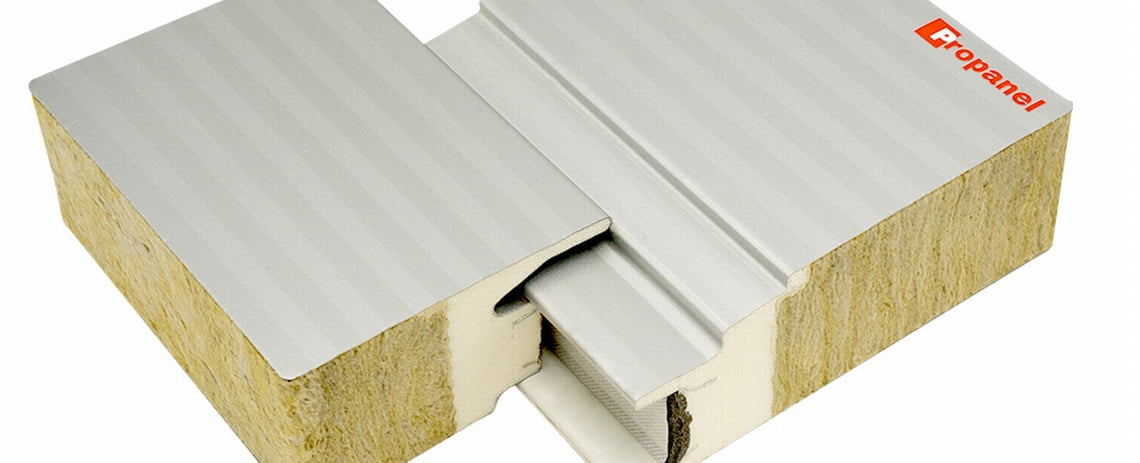
In summary, high-quality PU wall panel energy-saving optimal, suitable for long-term energy-saving needs; high-quality EPS wall panel cost-effective, need to avoid recycling materials; rock wool wall panel fire prevention and waste environmental protection outstanding, but need to control dust. The core of environmental protection is "high-quality product selection"-organic materials to avoid inferior recycling materials, inorganic materials to choose low dust.Different choices can be made according to the different uses of the building.