In industrial construction, the choice between a single-slope roof and a double slope roof is a fundamental decision impacting facility design and performance. These structural forms offer distinct advantages for functionality and cost-efficiency, directly addressing critical factors like climate adaptation, material use, and spatial logistics. This analysis explores the key applications and considerations for single-slope versus double-slope roof systems in modern industrial buildings.
Single-slope Roof
☆Definition
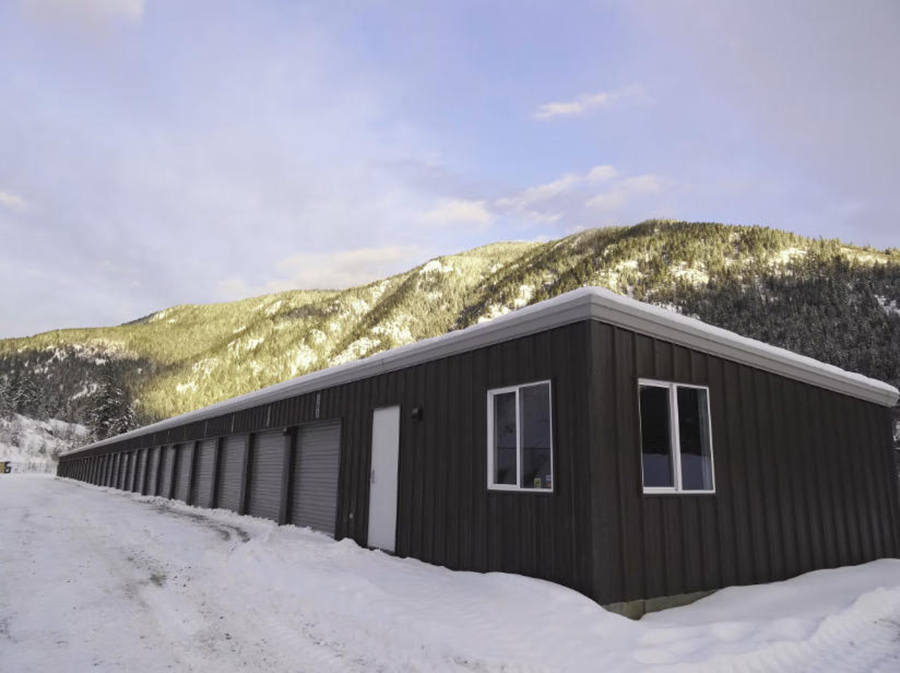
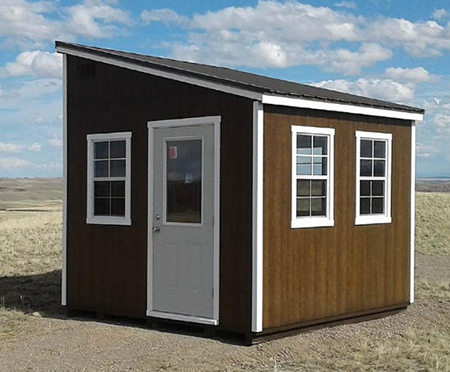
A single-slope roof, also known as a shed roof, is a simple roofing system where the surface slopes in one direction from a higher wall to a lower one. Typically constructed with primary structural members like beams or trusses supporting a cladding deck, it provides efficient drainage, cost-effective construction, and adaptable clear span for industrial or commercial buildings.
☆Advantages
•High Space Utilization
A single-slope roof eliminates dual eaves obstruction, maximizing usable horizontal wall space. This allows for direct installation of large equipment or continuous skylights on the tall gable side, enhancing interior layout flexibility and natural lighting.
•Lower Construction Cost
This design requires only single-side purlins and a simplified drainage system. Compared to a double-slope roof, it reduces structural steel usage by approximately 15%-20%, offering significant material and labor cost savings.
•Clean Aesthetic & Modern Style
Its simple, streamlined form is a hallmark of modern industrial architecture. The single-slope profile is well-suited for technology parks and campuses with strict aesthetic guidelines, providing a visually sleek and contemporary appearance.
☆Disdvantages
•Limited Drainage Efficiency
With only a single drainage slope, this roof design has lower drainage capacity and is prone to water accumulation in heavy rainfall regions, increasing the risk of leaks and water damage over time.
•Potential Need for Wind Reinforcement
The tall gable wall often requires additional structural reinforcement, such as diagonal steel bracing, to prevent deformation under strong winds, especially in typhoon-prone areas like the Philippines.
☆Application
Single-slope roofs are ideal for arid industrial zones like Middle Eastern petrochemical plants, with under 100mm annual rainfall, reducing material use. They suit large-span storage in Texas grain warehouses, enabling wide access doors. Modular designs allow quick expansion in Southeast Asian electronics factories. However, low drainage efficiency limits use in rainy regions, and gable reinforcement is essential in high-wind areas like the Philippines.Single-slope roofs are ideal for arid industrial zones like Middle Eastern petrochemical plants, with under 100mm annual rainfall, reducing material use. They suit large-span storage in Texas grain warehouses, enabling wide access doors. Modular designs allow quick expansion in Southeast Asian electronics factories. However, low drainage efficiency limits use in rainy regions, and gable reinforcement is essential in high-wind areas like the Philippines.

Double Slope Roof
☆Definition
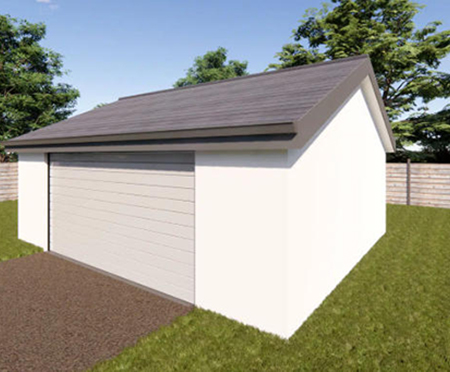
A Double Slope Roof, also known as a gable roof, is a symmetrical roof design formed by two opposing sides pitched at equal angles, typically between 25°-30° for industrial buildings. This classic, stable structure provides efficient dual-direction water drainage, a large internal volume for a clear span, and robust structural integrity for long-term performance.
☆Advantages
•Superior Drainage Efficiency
A Double Slope Roof offers rapid, dual-sided water runoff, channeling rainwater effectively down both slopes. This design provides over 50% greater drainage capacity than a single-slope system in heavy rainfall regions, minimizing the risk of leaks or ponding.
•Enhanced Structural Stability
This symmetrical roof structure features evenly distributed purlins and transmits loads through main steel columns on both sides. The balanced design delivers superior overall stability and improved resistance to wind uplift and seismic forces, especially in active zones.
•Integrated Functionality
The sloped design of a double slope roof allows seamless integration of functional elements. Light strips for natural illumination and roof ventilators for heat dissipation can be installed along the slopes, combining operational efficiency with worker comfort.
☆Disdvantages
•Higher Material and Construction Cost
The double slope roof structure requires more trusses, purlins, and roofing materials compared to a single-slope design, leading to increased initial construction costs and a longer, more complex installation timeline.
•Limitations for Gable-Side Access and Modular Expansion
The symmetrical design restricts the placement of large access openings on the gable ends, which can hinder logistics. It is also less suited for modular, horizontal plant expansion compared to single-slope units that can be easily added side-by-side.
☆Application
Double slope roofis are ideal for demanding industrial applications. Its efficient drainage is crucial in rainy or snowy climates, as seen in European automotive plants. The stable structure supports heavy loads and high insulation standards, like in Japanese precision factories. It also easily integrates sustainable features such as rooftop solar panels for green building certifications.
|
|
|
|
Single-Slope Roof
|
Double-Slope Roof
|
|
Best for dry climates (low rainfall)
|
Superior for rainy/snowy climates
|
|
Uses less material, lowering cost
|
Efficient two-sided drainage prevents leaks
|
|
Allows large openings on the high side
|
Creates a symmetrical, stable structure
|
|
Easy to expand modularly
|
Ideal for wide spans and clear interior space
|
|
Needs gable wall reinforcement against wind
|
Generally higher material and construction cost
|

Ultimately, the choice between a single-slope and double slope roof depends on your specific climate and operational needs. Prioritize a single-slope roof for cost-effective, modular designs in dry regions. Opt for a double slope roof where superior drainage, stability, and integration of sustainable features are paramount.
If you have any questions,please contact the Yumisteel team for tailored solutions!Thank you!
In the precast concrete manufacturing process, the method of fixing the formwork is one of the key factors affecting production efficiency, cost, and product quality. With the development of technology, magnetic systems have gradually become an emerging method of formwork fixing, bringing about many significant changes compared to traditional formwork clamps.
01 Fundamental Differences in Technical Principles
The application of magnetic systems and traditional formwork clamps in precast plants is primarily reflected in their fundamentally different working principles.
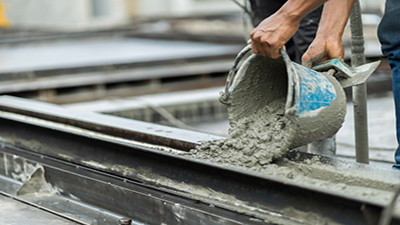
Traditional formwork clamps typically rely on mechanical fastening, such as screws, bolts, and clamps, applying physical pressure to the mold to achieve fixation. This method requires pre-drilling or welding into the formwork and platform, with each connection point requiring individual fasteners and manual operation.
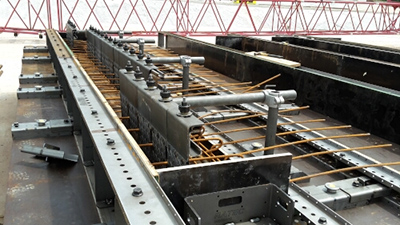
Magnetic systems, on the other hand, rely on the strong attractive force of permanent magnets. The magnetic field generated by high-performance neodymium magnets firmly bonds the formwork to the steel platform.
The working principle of magnetic systems is not complex. These devices contain high-performance permanent magnets. A magnetic control box enhances and shields the magnetic force of the internal magnetic blocks, keeping them in an active or inactive state. When the magnetic box is active, the holding surface at the bottom of the magnetic block adheres tightly to the precast concrete production platform, providing a secure hold.
When the magnetic block is pried up with a lever, most of the magnetic force is shielded by the magnetic control box, significantly reducing the bottom magnetic force, allowing the magnetic box to be easily removed from the platform manually. This technology avoids dependence on external energy sources and works entirely based on the physical properties of the magnets themselves.
02 Comparative Analysis of Efficiency and Cost
In precast component production, time is money. The difference in efficiency and cost between magnetic systems and traditional clamps directly determines the project's profitability.
Traditional clamps require drilling, installing screws, and tightening bolts one by one. This process is not only time-consuming but also prone to errors. Taking stair precast component molds as an example, traditional side mold connections require top screw fixing and bottom pin positioning, making the operation complex.
Magnetic systems significantly improve installation speed. Industry data shows that using magnetic systems can reduce template installation time by more than 70%. A simple magnetic box switch can instantly and firmly fix the entire side mold, eliminating the need to adjust each fastener individually.
From a cost perspective, while traditional template clamps have a lower initial investment, their long-term operating costs are higher. Mechanical fasteners are easily damaged and require regular replacement; drilling and welding can cause permanent damage to the mold platform, shortening its lifespan; and labor costs remain consistently high.
In contrast, while magnetic systems have a higher initial investment, they offer significant cost advantages. Once installed, the magnetic device can be reused thousands of times, far exceeding the lifespan of traditional clamps. Since no drilling or welding is required, the formwork and mold table remain intact, significantly reducing maintenance costs.
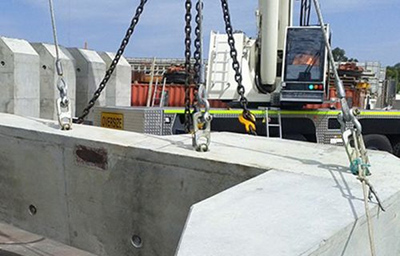
The precast concrete magnet can withstand a weight of 2100 kg, making it extremely lightweight and suitable for use in precast concrete plants. It can be easily accessed by crane. This strong load-bearing capacity enables it to meet the production needs of the vast majority of precast components.
03 Key Performance Data Comparison
The table below illustrates the performance differences between the magnetic system and traditional template clamps from multiple perspectives:
| Comparison Dimensions |
Magnetic system |
Traditional template clamps |
| Installation speed |
Approximately 30% of the time of traditional methods |
Baseline time |
| Disassembly speed |
Approximately 20% of the time of traditional methods |
Baseline time |
| Number of times it can be reused |
Thousands of times |
Hundreds of times |
| Damage to the mold table |
No damage |
Drilling and welding are required, causing permanent damage. |
| Single connection point load-bearing capacity |
600-2100 kg |
Limited by fastener strength |
| Labor intensity |
Low cost, requires minimal physical labor |
The work is demanding, requiring tasks such as tightening screws and drilling. |
| Adaptability |
Adapt to multiple templates via adapter |
Custom fixtures are required. |
| Temperature adaptability |
Operating environment up to 80°C |
Limited by the thermal expansion of materials |
The data shows that magnetic systems have significant advantages in terms of efficiency, durability, and adaptability, especially in assembly line production environments where frequent disassembly and assembly of templates are required.
04 Enhanced Quality and Precision
The quality of precast components directly impacts the safety and durability of buildings. In this regard, the magnetic system demonstrates its unique advantages.
Traditional clamps, relying on manual tightening, are prone to inconsistent tightening force, leading to formwork deformation or displacement, which in turn affects the dimensional accuracy of concrete components. This is especially true during vibration table operations, where traditional clamps are prone to loosening and formwork displacement.
The magnetic system, however, provides continuous and uniform clamping force through evenly distributed magnetic points. For example, the LSC-2100 magnetic box has a vertical pull-out force exceeding 2100 kg, and its uniform attraction ensures that the formwork does not shift during production.
The magnetic system also significantly improves the formwork's reset accuracy. Since re-alignment is unnecessary, the formwork can be accurately reset after each assembly and disassembly, greatly improving the dimensional consistency of components during mass production. This is crucial for prefabricated buildings, as the dimensional accuracy of components directly determines the efficiency of on-site installation and the overall quality of the building.
05 Application Scenarios and System Types
Magnetic systems are widely used in precast plants, covering various component production scenarios from simple to complex.
The most basic application is side mold fixing. The side mold is firmly attached to the mold table using magnetic boxes; this is the most common application. Depending on whether the mold table is fixed or vibrating, and the height of the mold (component thickness), different magnetic boxes with varying suction power and sizes can be selected.
For example, when producing composite slabs on a fixed mold table, a magnetic box with a suction power of 600-1000 kg is selected, while a magnetic box with a suction power of 1000 kg is required when producing composite slabs on a vibrating mold table. When producing wall panels, magnetic boxes with a suction power of 1350 kg or 1800 kg are needed.
Magnetic side molds offer a more integrated solution. This type of mold embeds the magnetic suction cup system directly into the steel mold, forming an integrated design. Because the suction cup system is located inside the steel mold groove, concrete residue or other contaminants will not damage the entire mold system.
Embedded component fixing magnetic bases are another important application. When producing precast concrete components, various switch holes and pipe holes need to be left, and various connection or lifting sleeves also need to be pre-embedded. Magnetic bases are used for fixing, which does not damage the platform, ensures the embedded parts do not slip, and guarantees a secure fixation.
In addition, there are specialized tools such as magnetic chamfering strips used to create neat chamfers on the edges of precast concrete components. These rubber magnetic chamfering strips are lighter than iron chamfering strips and also have a certain degree of flexibility, greatly facilitating their use in actual production.
06. Dual Considerations for Safety and Environment
Safety is always paramount in the construction industry. Magnetic systems offer significant improvements in this regard.
Traditional formwork clamps require the use of power tools and welding, posing a high risk of worker injury. Magnetic systems drastically reduce these risks—eliminating the need for drilling and welding, reducing the use of heavy tools, and eliminating sparks and flying metal debris during operation.
Especially in assembly line operations requiring frequent formwork adjustments, traditional methods may require overhead cranes for installation and dismantling, while magnetic systems allow for most tasks to be completed manually, reducing the safety hazards associated with large equipment.
From an environmental perspective, magnetic systems are also more advantageous. Traditional clamps generate significant amounts of metal debris and exhaust fumes during use, while magnetic systems produce virtually no pollutants.
Furthermore, the ability to be reused thousands of times greatly reduces material consumption and waste generation. The reusable nature of magnetic systems makes them a more sustainable construction technology option.
Frequently Asked Questions
Q: How strong is the attraction force of a precast magnetic system?
A: Precast magnetic systems provide reliable attraction force, typically ranging from 500 kg to over 1800 kg per unit, depending on size and design. They are carefully designed to withstand the pressure of new concrete and ensure precise alignment of the formwork.
Q: Is it safe to use a magnetic formwork system near steel molds?
A: Yes! These systems are specifically designed for steel molds. The magnets provide a strong holding force without damaging the mold, and their design ensures a uniform distribution of attraction force, preventing deformation.
Q: Can I add magnets to my existing formwork system?
A: Absolutely. Many magnetic systems are compatible with existing molds. Retrofitting usually requires only minor adjustments and can significantly improve efficiency without replacing major equipment.
Q: What are the maintenance requirements for precast magnets?
A: Magnetic systems have low maintenance costs. Regular cleaning to remove concrete residue and occasional checks for surface wear or corrosion ensure long-term performance and safety.
Q: Are magnetic formwork systems suitable for all types of concrete?
A: Magnetic formwork is suitable for most concrete mixtures, including high-strength concrete, lightweight concrete, and precast concrete. However, for concrete mixtures with very coarse particles or high fiber content, careful placement may be necessary to ensure uniform contact and secure fixation.
Why are Titanium Tubes So Important?
In modern industrial fields, from aerospace to medical devices, from desalination to chemical processing, titanium tubes have become the material of choice in many critical applications due to their superior performance. However, when you need to purchase titanium tubes, you face a fundamental choice: seamless titanium tubes or welded titanium tubes? Understanding the differences and advantages of each is crucial to ensuring project success.
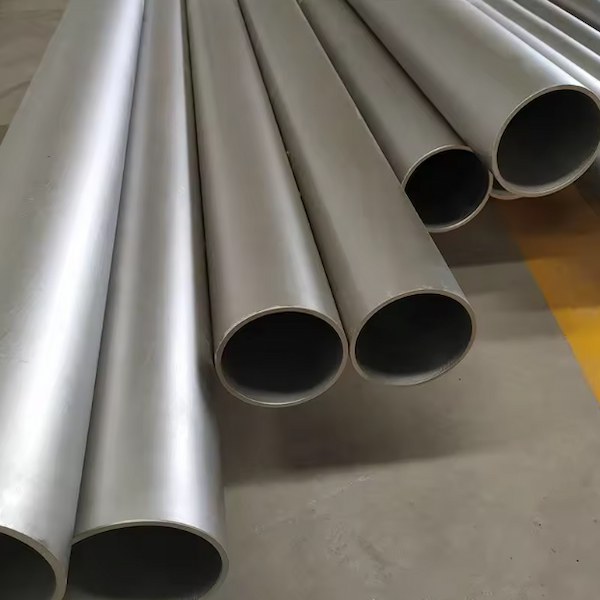
What are Seamless Titanium Tubes?
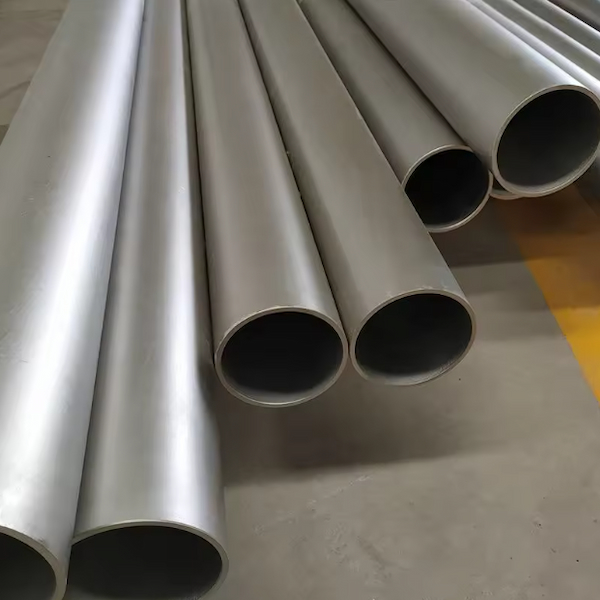
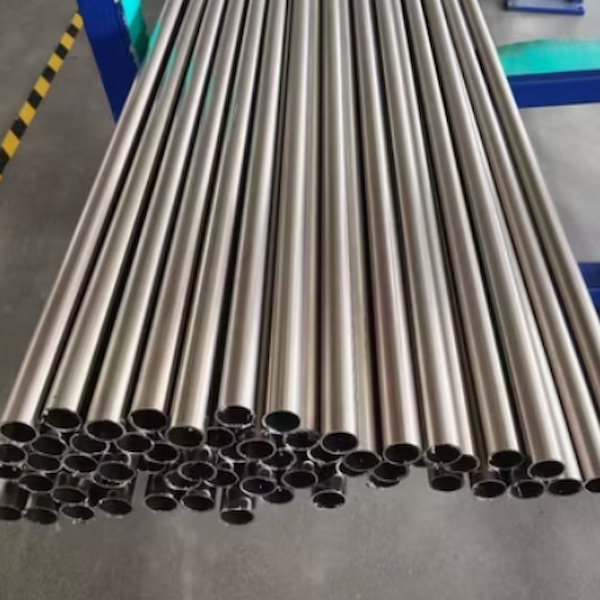
Seamless titanium tubes are made by heating a solid titanium billet, then perforating it with a piercing machine, and finally processing it through rolling or drawing. The entire process does not involve any welding, so the pipe is structurally completely continuous.
Manufacturing Process of Seamless Titanium Tubes:
Billet Preparation: Selecting high-quality titanium billets
Heating and Perforation: Heating the titanium billet to the appropriate temperature and then perforating it
Rolling and Forming: Forming the tube through a rolling process
Finishing: Achieving the final size and performance through processes such as cold drawing and heat treatment
Unique Advantages of Seamless Titanium Tubes
1. Excellent Structural Integrity
Seamless titanium tubes have no welds, which means the entire pipe cross-section has uniform mechanical properties, without the weak points that welding might introduce. This characteristic makes them more reliable under high pressure, high temperature, or extreme operating conditions.
2. Superior Corrosion Resistance
Because there are no welds, seamless titanium tubes avoid microstructural changes and potential corrosion problems that may occur in welded areas. This is especially important for applications involving corrosive chemicals or seawater.
3. Higher Pressure Resistance
The seamless structure allows titanium tubes to withstand higher internal and external pressures, making them ideal for high-pressure systems (such as aerospace hydraulic systems and high-pressure heat exchangers).
4. Excellent Surface Quality
Seamless titanium tubes typically have smoother inner and outer surfaces, reducing flow resistance and preventing the accumulation of deposits. This makes them particularly suitable for applications requiring high levels of cleanliness, such as medical equipment or food processing.
5. Wide Range of Size Adaptability
Although manufacturing large-diameter seamless titanium tubes is more difficult, for small and medium-diameter pipes, the seamless process provides more precise wall thickness control and dimensional consistency.
Comparison of Seamless Titanium Tubes and Welded Titanium Tubes
| Feature Comparison |
Seamless Titanium Tube |
Welded Titanium Tube |
| Welded Titanium Tube |
Formed in one piece through piercing and rolling |
Made by rolling and welding titanium plates/strips |
| Structural Continuity |
Completely continuous, no welds |
Has longitudinal or spiral welds |
| Wall Thickness Uniformity |
Excellent, precisely controllable |
Good, but slight variations may occur in the weld area |
| Pressure Resistance |
Higher, evenly distributed |
Good, but the weld may be a weak point under pressure |
| Corrosion Resistance |
Uniform throughout, no weld-affected zone |
Good, but the weld area may have slight differences |
| Cost Factors |
Higher, especially for large diameter pipes |
Relatively lower, especially suitable for large diameter thin-walled pipes |
| Size Range |
Significant advantages for small and medium diameters |
More suitable for large diameter, thin-walled pipes |
| Production Cycle |
Relatively longer |
Usually shorter, especially for standard sizes |
Welded titanium tubes are also an excellent choice in many applications:
Cost-effective: For large-diameter or thin-walled pipes, welded titanium tubes are often more cost-effective.
Size flexibility: Extra-large diameter titanium tubes can be produced.
Fast delivery: Standard sizes of welded titanium tubes usually have shorter delivery times.
Technological advancements: Modern welding technologies (such as TIG and plasma welding) can produce high-quality welds.
How to choose: Application scenario guide
Situations for choosing seamless titanium tubes:
High-pressure systems (working pressure exceeding the capacity of welded pipes)
Extreme corrosive environments (especially to avoid the risk of weld corrosion)
High-purity applications (pharmaceuticals, semiconductor industry)
Critical aerospace components
Applications requiring extremely high fatigue life
Situations for choosing welded titanium tubes:
Large-diameter low-pressure pipelines
Cost-sensitive projects with non-extreme operating conditions
Non-pressure-bearing components such as heat exchanger shells
Standard size pipes requiring fast delivery
Large structural components
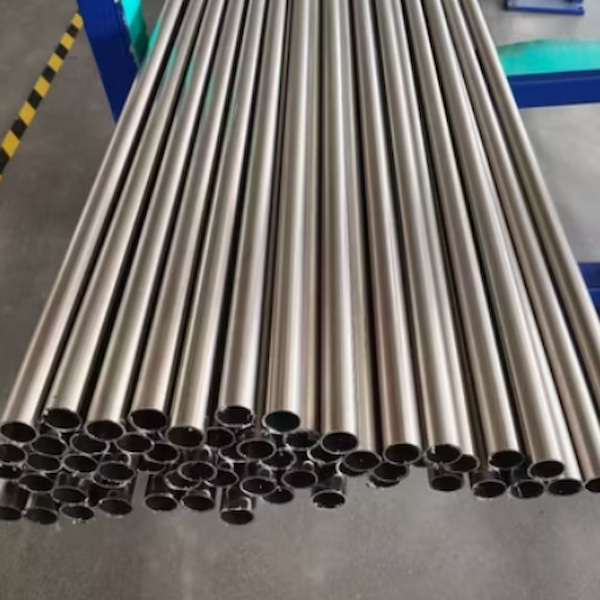
Both seamless and welded titanium tubes have their advantages and applicable scenarios. Seamless titanium tubes are irreplaceable in the most demanding applications due to their superior structural integrity, corrosion resistance, and pressure bearing capacity. Welded titanium tubes, on the other hand, provide a practical solution in cost-sensitive or large-size applications. NBSM provides high-quality seamless titanium tubes and can provide a full range of certification documents.
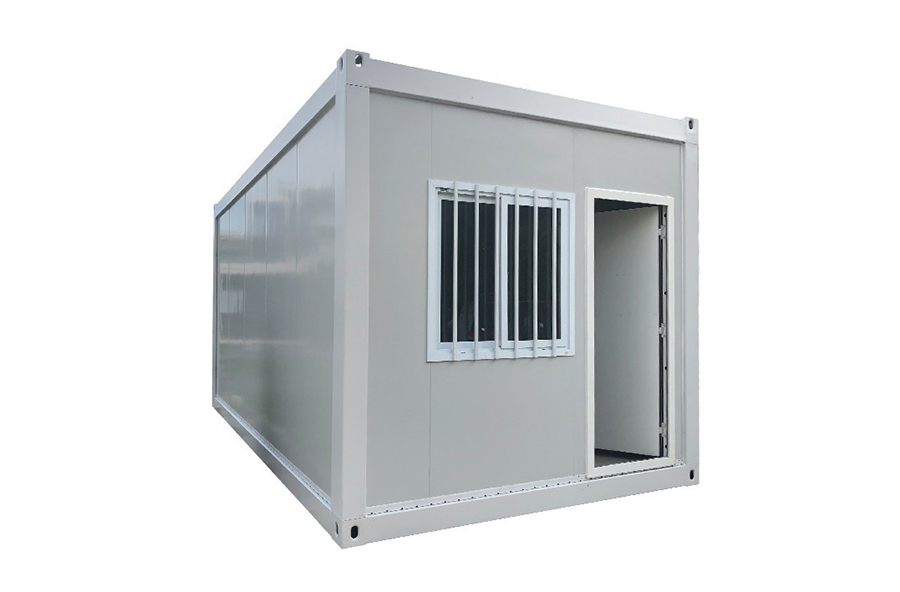
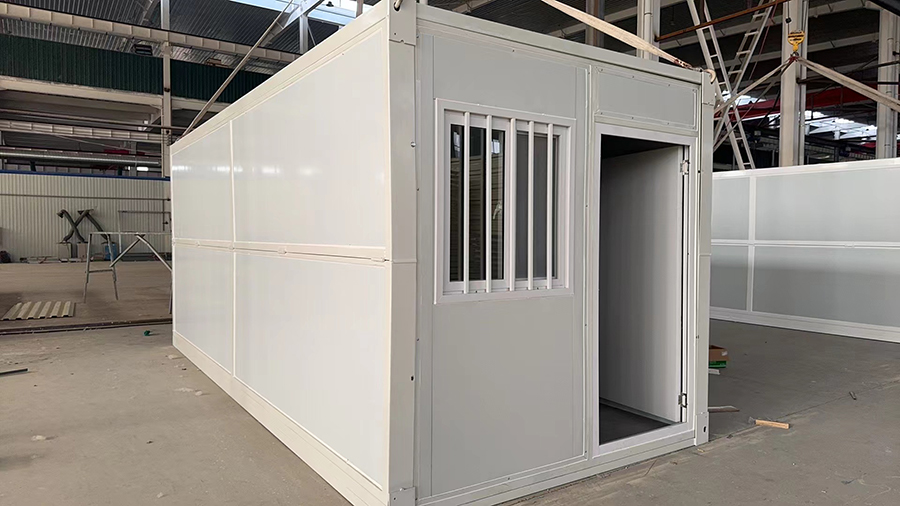
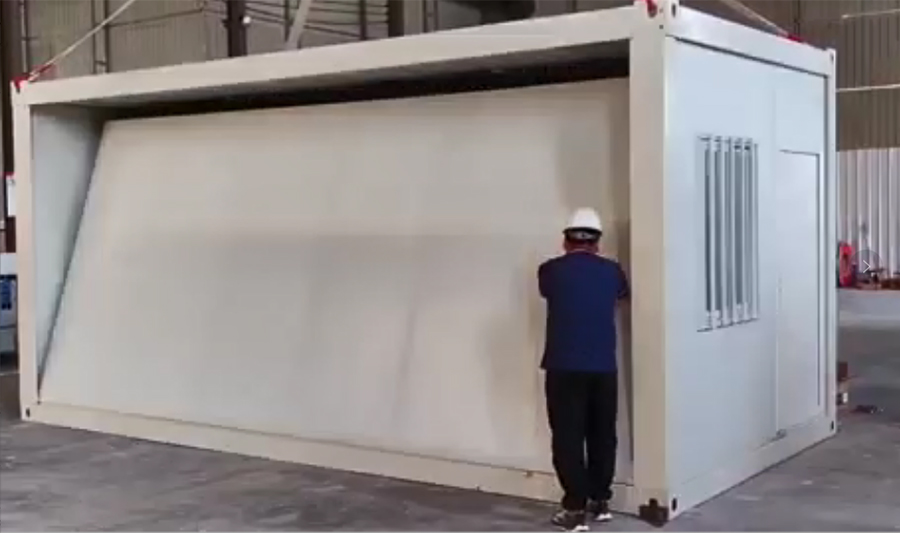
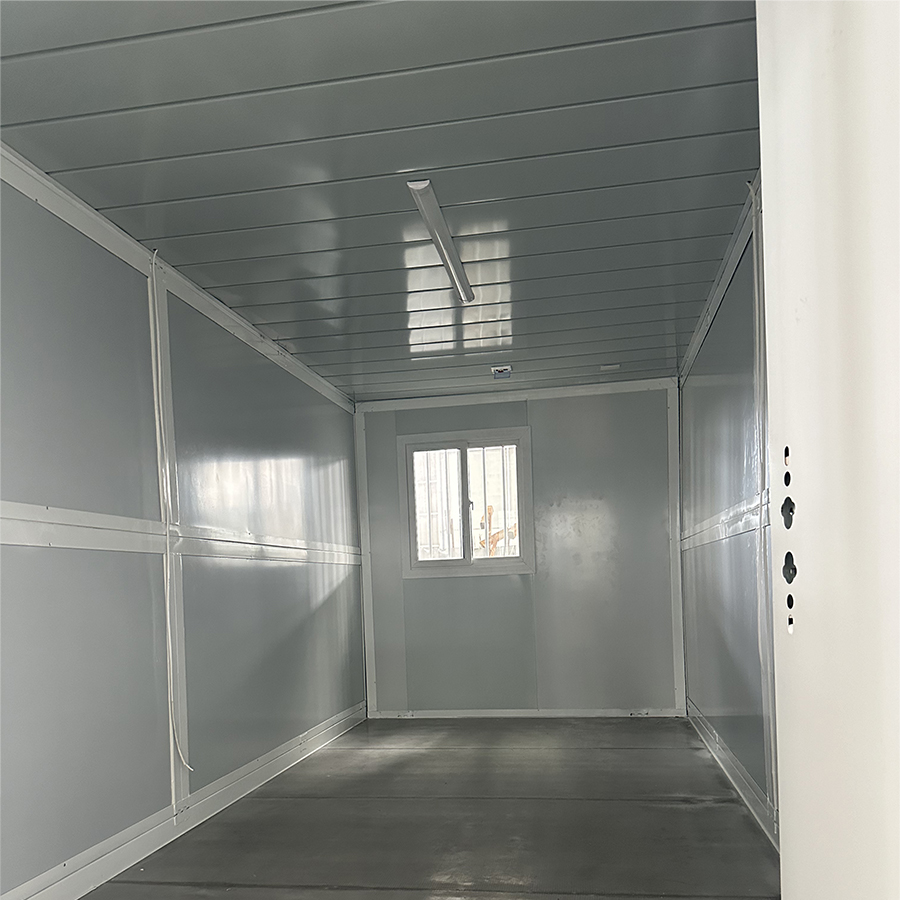
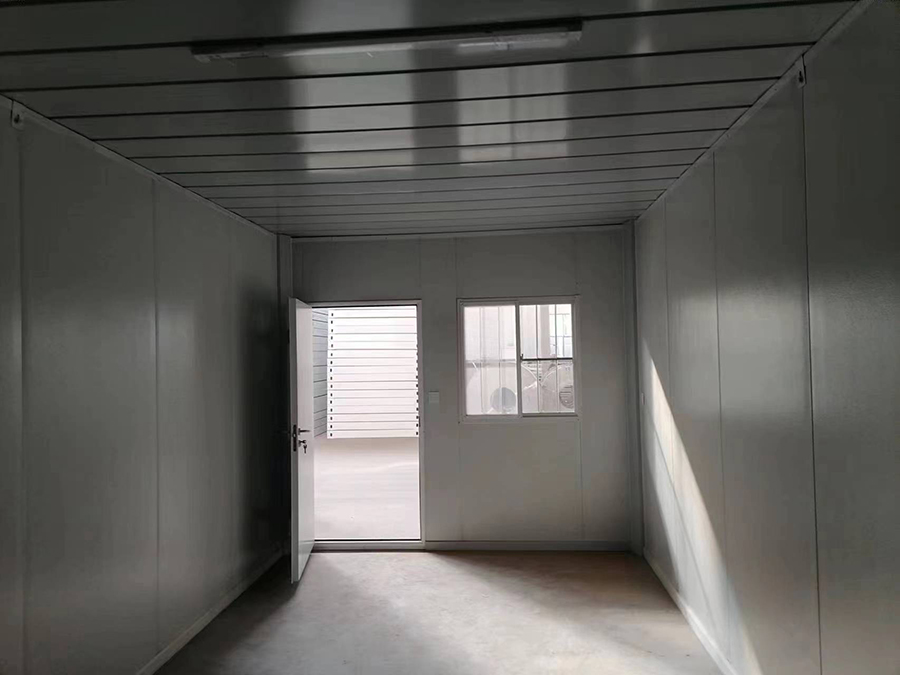
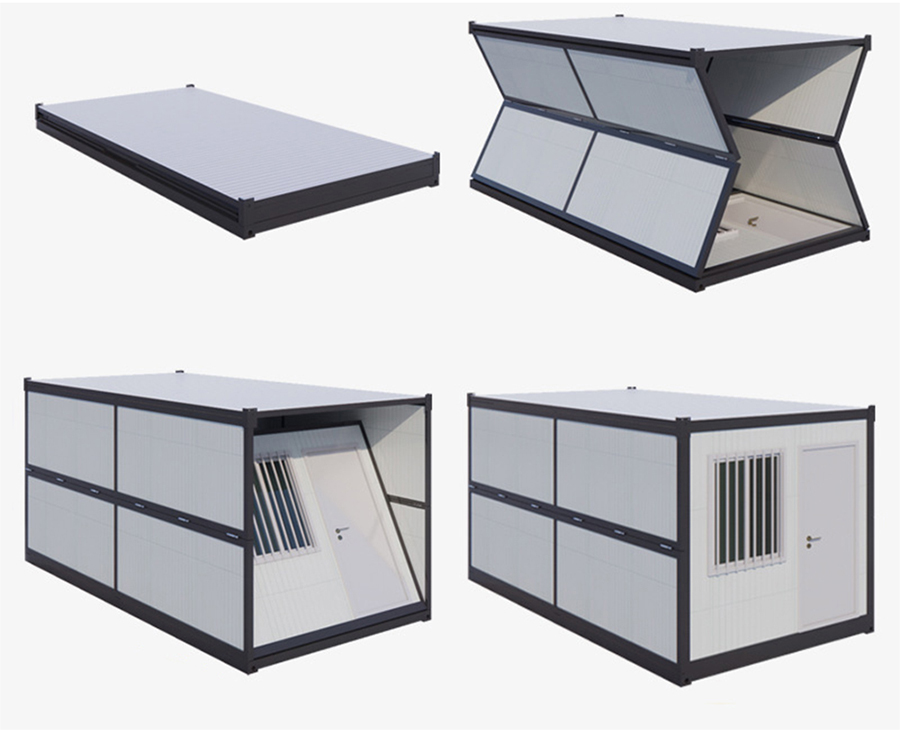
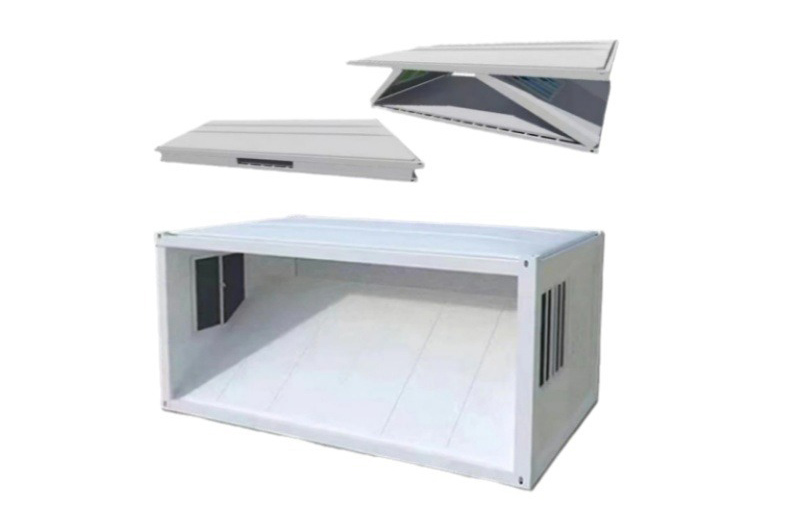
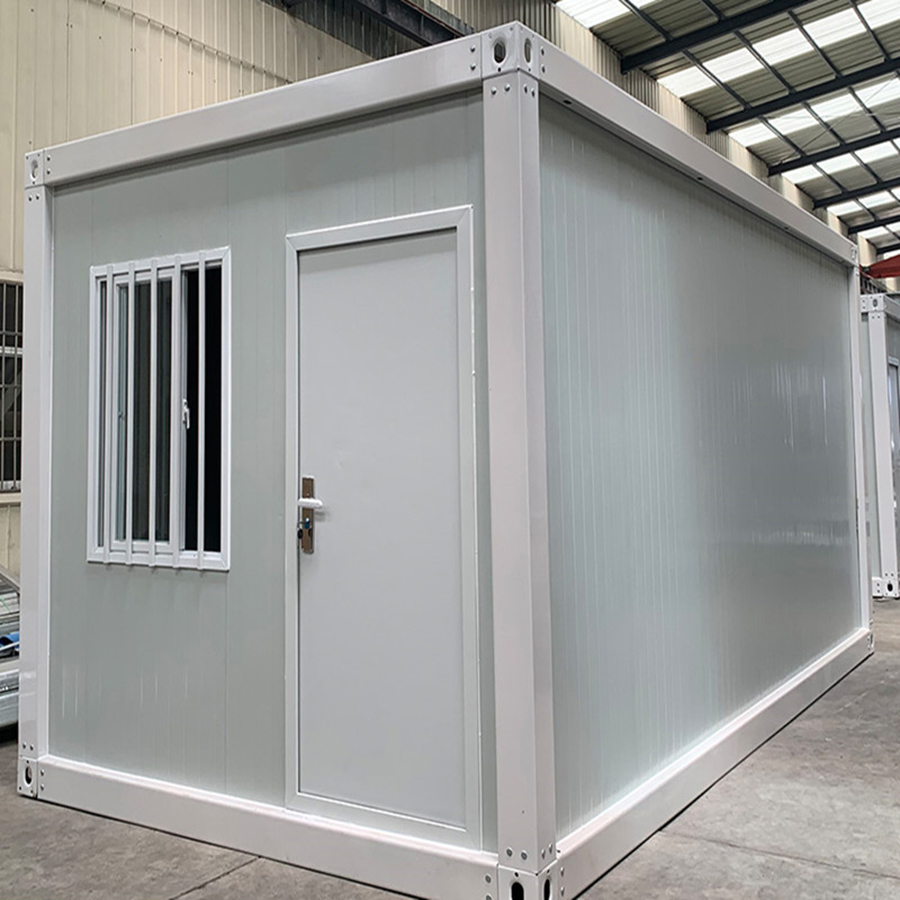 Flat-pack Container Houses are ideal for permanent or long-term installations requiring customized layouts and multi-story configurations. Their structural strength and modularity make them perfect for residential complexes, schools, medical clinics, and commercial facilities where spatial flexibility and durability are prioritized.
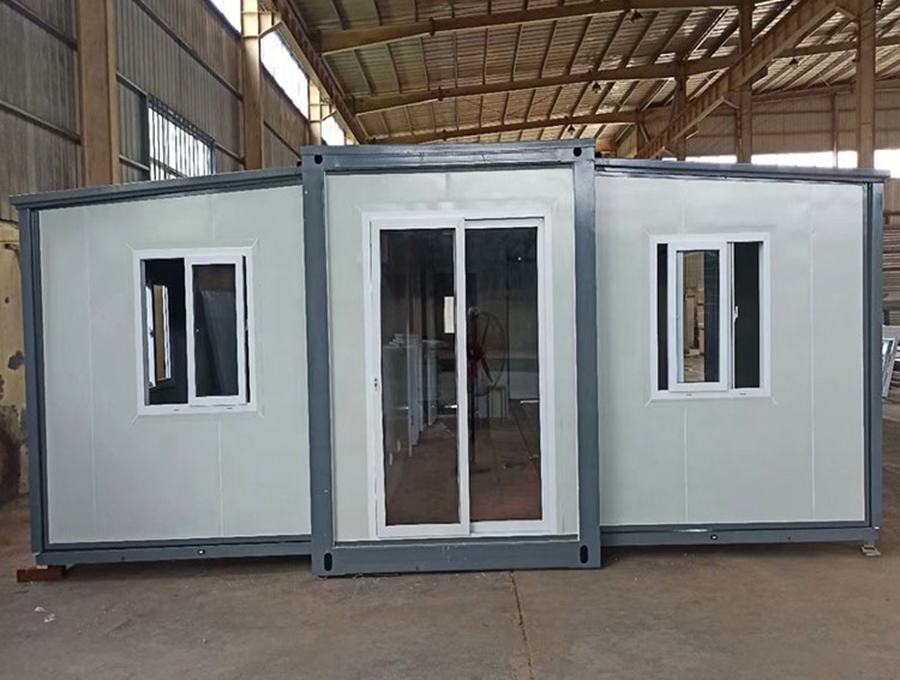
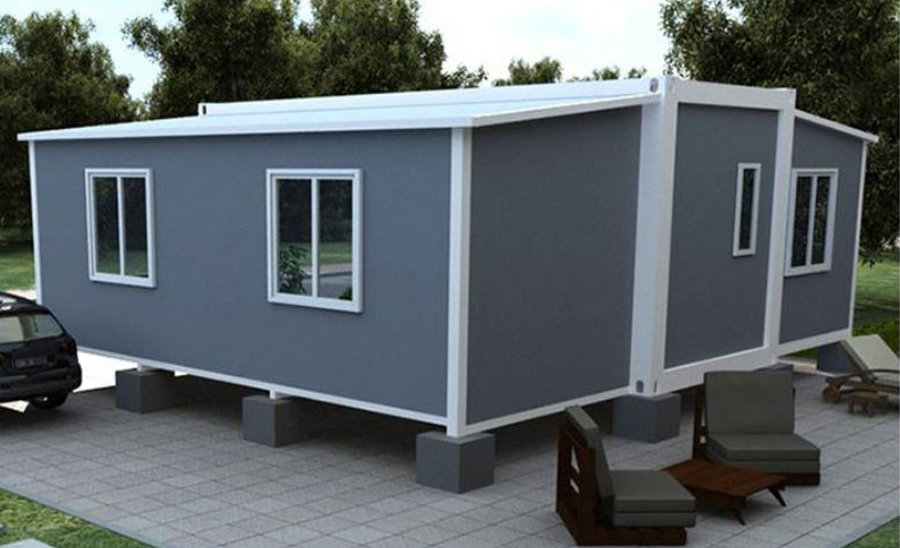 Expandable Container Houses are optimized for immediate deployment scenarios requiring fully-equipped interiors. These units serve excellently as emergency response shelters, site offices, mobile clinics, and temporary showrooms where rapid setup and operational readiness are critical.