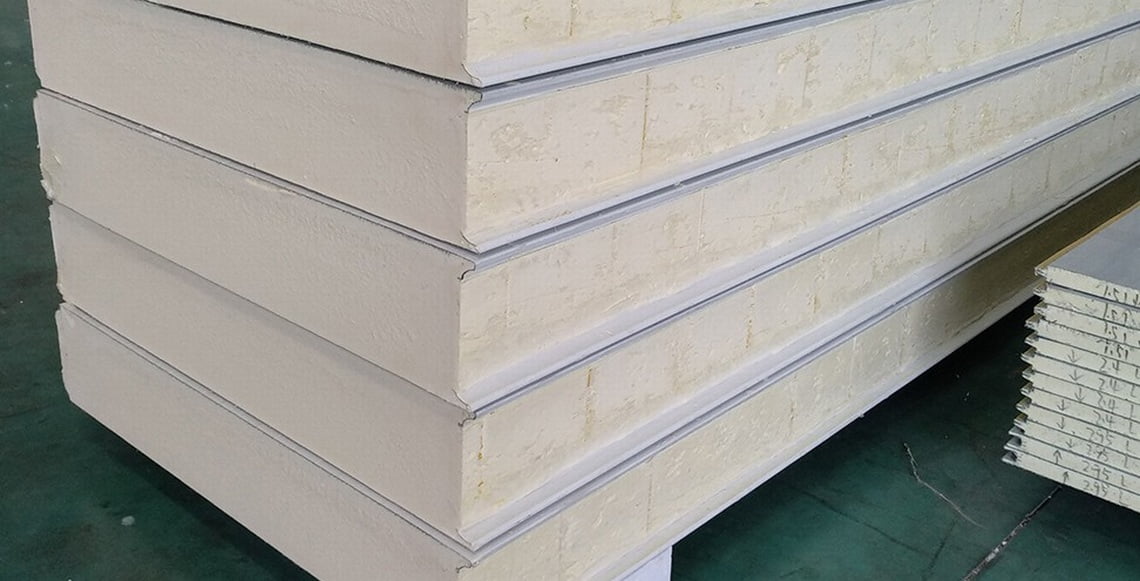
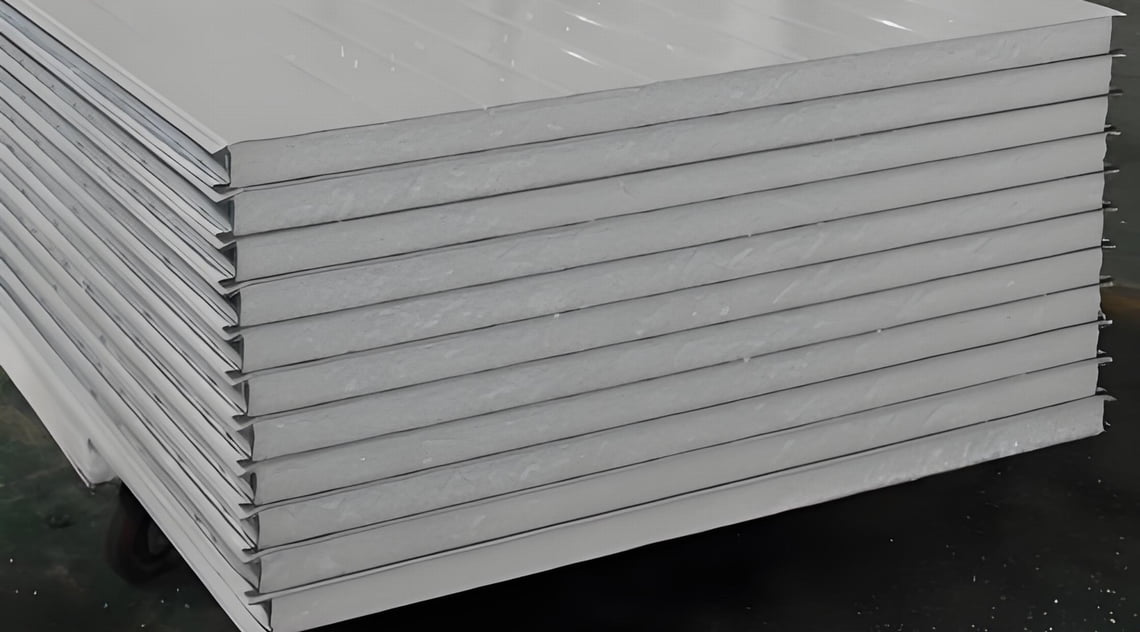
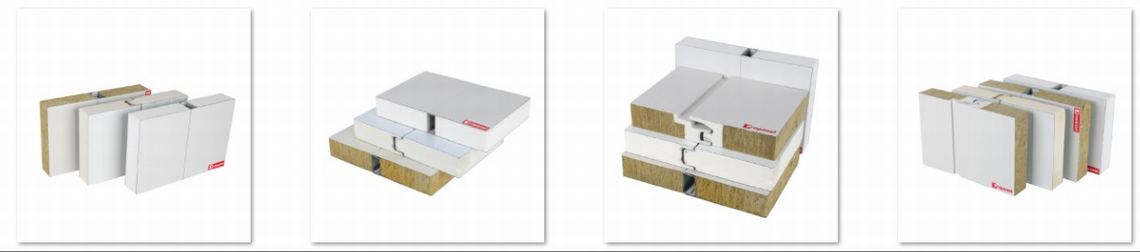
Sandwich panels can be used in high humidity environments. Sandwich panels are usually constructed of a double-layer steel plate and a layer of core material, which can achieve a good moisture-proof effect by selecting a core material and a steel plate with moisture-proof performance, and by the correct sealing installation method.

High humidity environments (such as coastal buildings, food factories, cold storage) need to prevent moisture penetration and corrosion. The steel plate serves as the outer defense line. Galvanized/aluminum zinc coated steel plates (with PVDF or polyester coating, salt spray resistance, rust resistance) are preferred, avoid un-coated steel plates or ordinary plywood (easy to rust, Water-absorbent layer); the core material needs to avoid porous water-absorbent types (such as ordinary EPS foam, untreated rock wool), choose closed-cell or hydrophobic models ——polyurethane (PU, closed-cell rate exceeds 90%, less water absorption), extruded polystyrene (XPS, high density, moisture-proof), this type of core material can prevent moisture from intruding and losing heat preservation or mold, and breeding bacteria. 


At the same time, when the sandwich panel is installed, the joints and screw holes of the sandwich panel need to be sealed with weather-resistant sealant (such as silicone glue, butyl tape) to prevent moisture from penetrating through the gaps; 50-100mm ventilation gap can be reserved for enclosed spaces (such as walls) to reduce internal condensation water; stainless steel screws or galvanized screws are selected, and waterproof gaskets are used avoid formation after rusting “tidal channels”. Meanwhile, check the panel coating regularly for breakage, sealant cracking, etc. If small defects are found, repair them promptly to prevent the vulnerability from expanding.


Currently sandwich panels are widely used in various high humidity environments, such as food/aquatic processing plants, cold storage/cold chain warehouses, factory buildings in rainy areas in the south, and underground space/civil air defense engineering with their excellent moisture-proof and impermeable properties, high-quality thermal insulation/insulation, corrosion resistance, and the ability to be installed quickly.

Good Quality Control

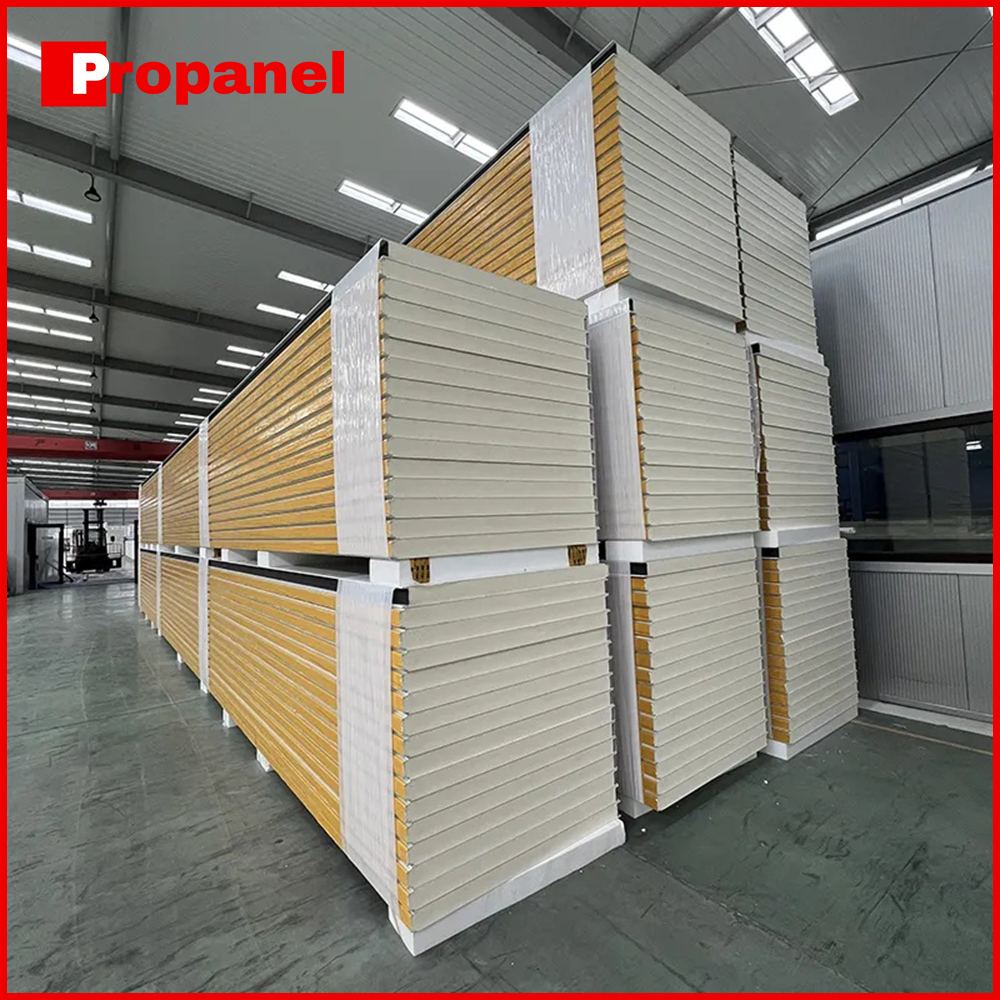
Sandwich panel is the best choice for factories and warehouses in many industries. The panel is combined by two metal sheets with rock wool or eps/pu, pir foam in the middle. The production uses high-pressure combination process that makes panels strong enough for heavy industrial use. We have a strict testing of each panel before packing and loading.


Good Fire-Proof Performance

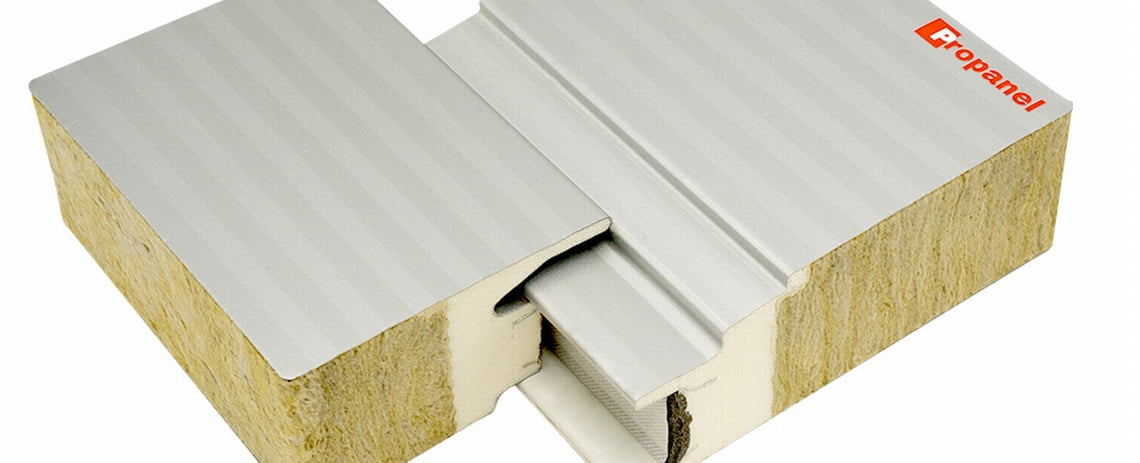
Rock wool sandwich panel with pu sealing

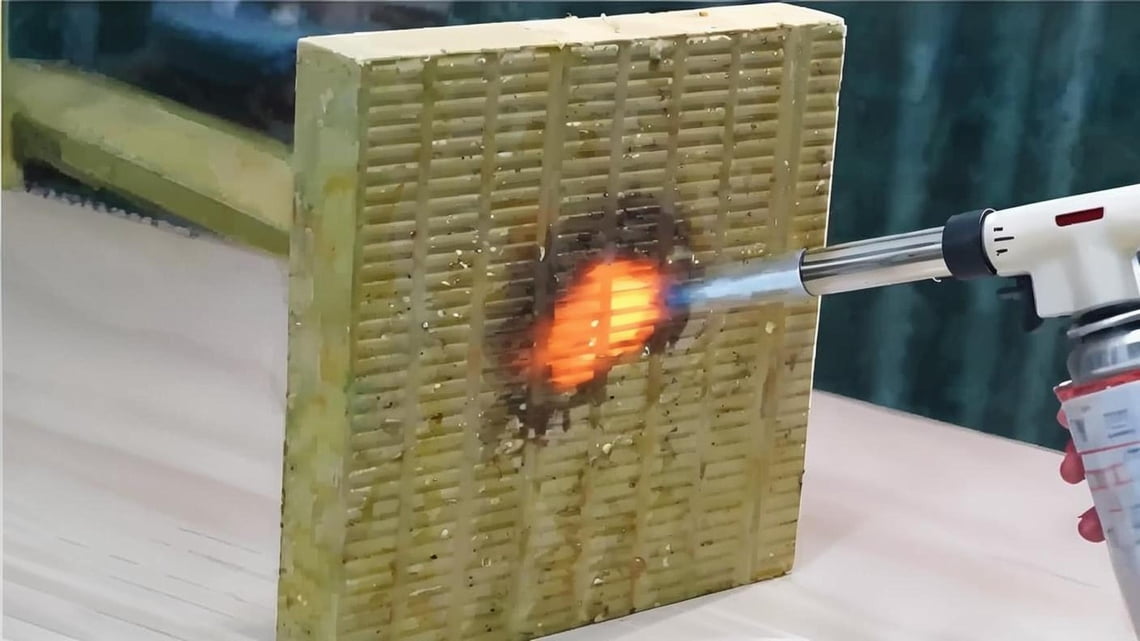
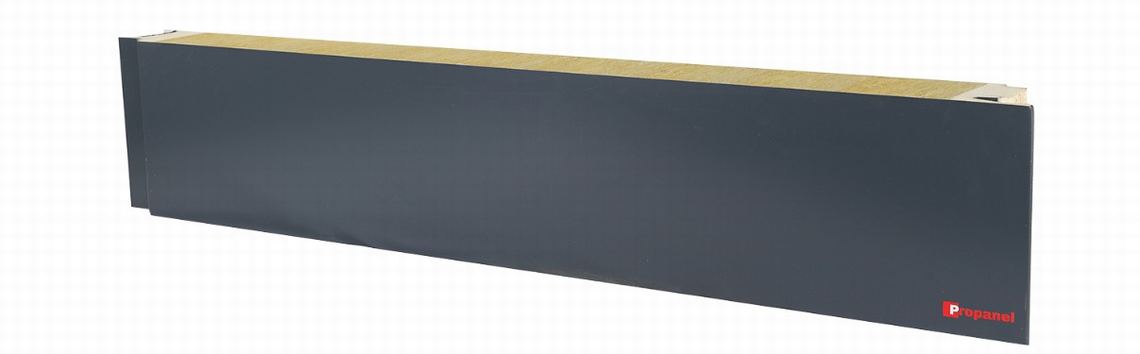
Rock wool sandwich panel has a very good fire proof performance for industrial buildings. With 50mm thickness rock wool core, it will have 60 minutes of fireproof time. While the thickness increases to 100mm, and you get 120 minutes of fireproof time. This kind of sandwich panel will give people enough time to escape while on a fire.


Good Noise Control

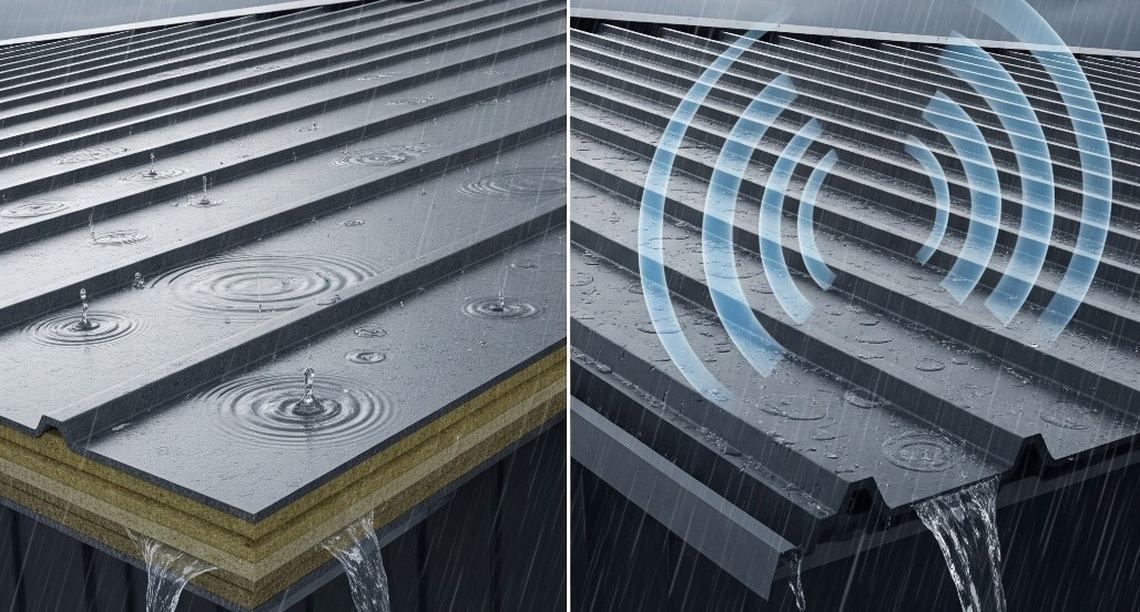
There is lots of loud machinery and equipment noise at some Industrial sites. As professional acoustic sandwich panel supplier, Propanel’s rock wool sandwich panels can keep down noise levels obviously. Rock wool noise-absorbing sandwich panel can effectively absorb noise and provide workers with a healthier working environment.


Energy-saving and Cost-saving 

Although the initial cost may seem high, sandwich panel saves money in the long run. It’s insulation advantages reduce energy costs. The panel has anti-rust, anti-mold, and anti-pest performance with only common treatment. Most panels have 20 to 30 years life time and only needs basic cleaning work. Quick installation of less construction work also saves money for the project.

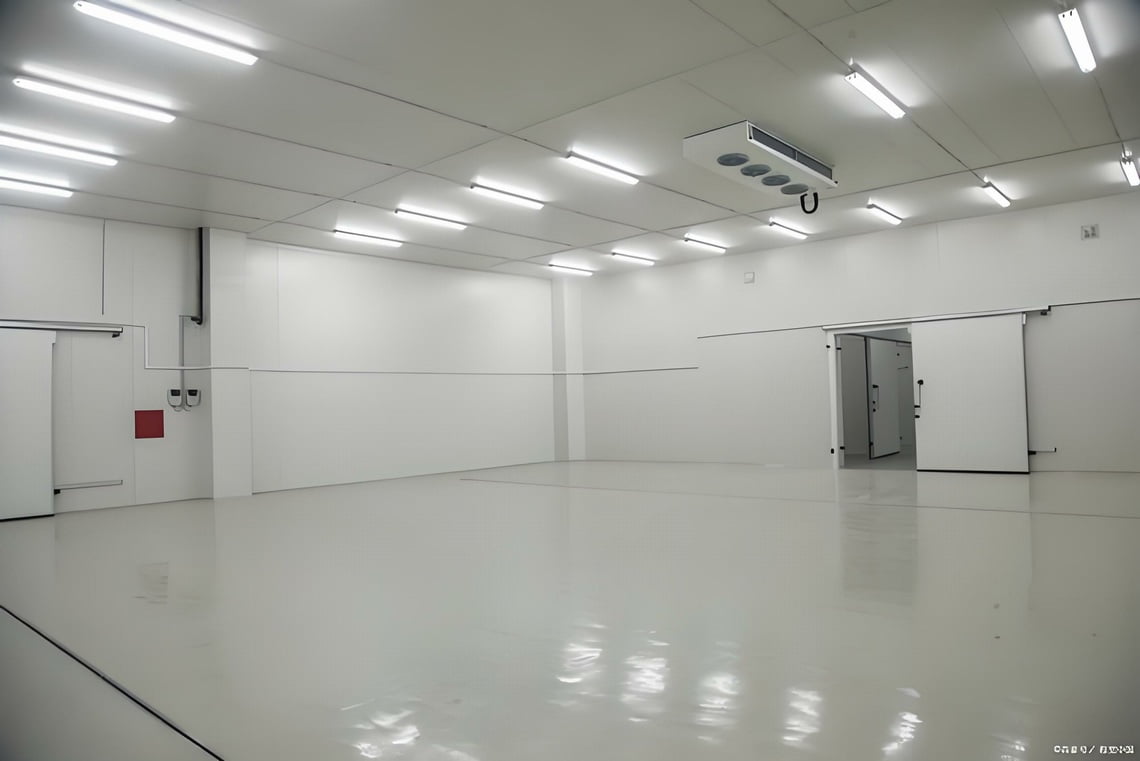
Clean room construction is a systematic process that transforms large structural spaces into highly controlled environments. Using specialized materials like clean room panels, builders create partitioned, hygienic spaces tailored to industries such as electronics, pharmaceuticals, and food processing. These rooms maintain strict cleanliness, temperature, and humidity levels to meet diverse operational needs. But what makes clean room panels so indispensable? Let’s explore their role and applications.


What Are Clean Rooms?

Clean rooms are enclosed areas designed to limit contamination from dust, microbes, and other particles. Built within existing frameworks, they use advanced materials and sealing techniques to ensure a sterile, safe environment. Their classifications, based on ISO standards, range from ultra-clean (ISO 1) to less strict (ISO 9), depending on particle limits per cubic meter.


The Importance of Clean Room Panels

The Importance of Clean Room Panels

Clean room panels are the backbone of these controlled spaces. Typically made from steel or aluminum, they offer:

Dust and Static Resistance: Critical for electronics and pharmaceutical settings.

Antibacterial Properties: Essential for medical and food industries.

Corrosion Resistance: Ideal for chemical and industrial environments.

Easy Cleaning: Ensures long-term hygiene with minimal effort.


Key Applications of Clean Room Panels

Key Applications of Clean Room Panels

Clean room panels shine in various scenarios:

  • Clean Rooms: Used in electronics and drug manufacturing for dust-free, static-free conditions.
  • Laboratories: Isolate harmful substances in chemical and biological labs.
  • Medical Facilities: Support sterile environments in operating rooms and isolation units.
  • Food Processing: Prevent mold and contamination in production and storage areas.
  • Electronics Plants: Protect sensitive components during manufacturing.
  • Chemical Plants: Resist acids and corrosion in harsh settings.
  • Industrial Factories: Ensure cleanliness in semiconductor and pharmaceutical production.
  • Server Rooms: Provide dust and static protection for equipment.
  • Biosafety Labs: Control microbes and particles for safe research.
  •  

Tips for Clean Room Construction

  • Select Quality Materials: Choose panels that match your industry’s standards.
  • Seal Thoroughly: Prevent leaks with airtight joints.
  • Install Air Filters: Use HEPA systems to purify air.
  • Monitor Conditions: Regulate temperature and humidity for optimal performance.


Clean room construction is all about precision and the right tools. With clean room panels, builders can craft spaces that meet the highest cleanliness and safety demands across industries.

PU(Polyurethane) sandwich panels are "all-round players" in the field of modern architecture and industry. Their core manufacturing process combines material science and precision processing. By filling polyurethane foam between two layers of metal panels (such as color steel plates, stainless steel plates, and aluminum alloy plates), they are solidified by high-pressure foaming. During the production process, the polyurethane stock solution undergoes a chemical reaction in the mold, rapidly expands and fits tightly to the panels to form an integrated structure. 


Different thickness of PU sandwich panel model

Excellent performance makes PU sandwich panels stand out. First, super strong thermal insulation, with a thermal conductivity as low as 0.024W/(m・K), can effectively block heat transfer; second, high compressive strength, thickness can reach more than 200mm, can withstand large loads, and ensure structural stability; third, good fire resistance, after special treatment can reach B1 flame retardant standards; fourth, easy installation, modular design greatly shortens the construction period; finally, it also has good corrosion resistance and extends service life. 


PU sandwich panel Sample

With these advantages, PU sandwich panels are widely used. In the construction field, it is the preferred enclosure material for industrial plants, cold storage, and clean room; in the transportation industry, it is used for heat insulation of refrigerated trucks and containers; in the construction of integrated houses and mobile board houses, it is also favored for its lightness and high efficiency. From severe cold to scorching heat, Propanel’s PU sandwich panels always protect the temperature of space and structural safety with excellent performance.


Fire-resistant sandwich panels are composed of two layers of outer panels (usually color-coated galvanized steel, aluminum, or stainless steel) and a layer of fire-resistant core material (such as rock wool, glass wool, or fire-resistant polyurethane) bonded together with a high-strength adhesive.


The outer panels provide strength to the sandwich panel, preventing deformation and collapse at high temperatures. They also protect the core material from direct contact with flames or high-temperature smoke, thus acting as a firebreak.


Rock wool sandwich panel connection sample

The core materials, such as rock wool, glass wool, and fire-resistant polyurethane, are inherently non-combustible or flame-retardant. They do not produce open flames or release large amounts of flammable gases when exposed to high temperatures, preventing flames from penetrating the panel and thus preventing the spread of fire.


Different fire-resistant core materials can be selected based on different building fire protection requirements. For industrial buildings (factories, warehouses, etc.), civil buildings (residential buildings, office buildings, etc.), and public buildings (hospitals, shopping malls, amusement parks, etc.), non-combustible rock wool or glass wool sandwich panels should be used. For temporary buildings, polyurethane sandwich panels with flame-retardant properties or EPS sandwich panels with a B1 rating can be selected.


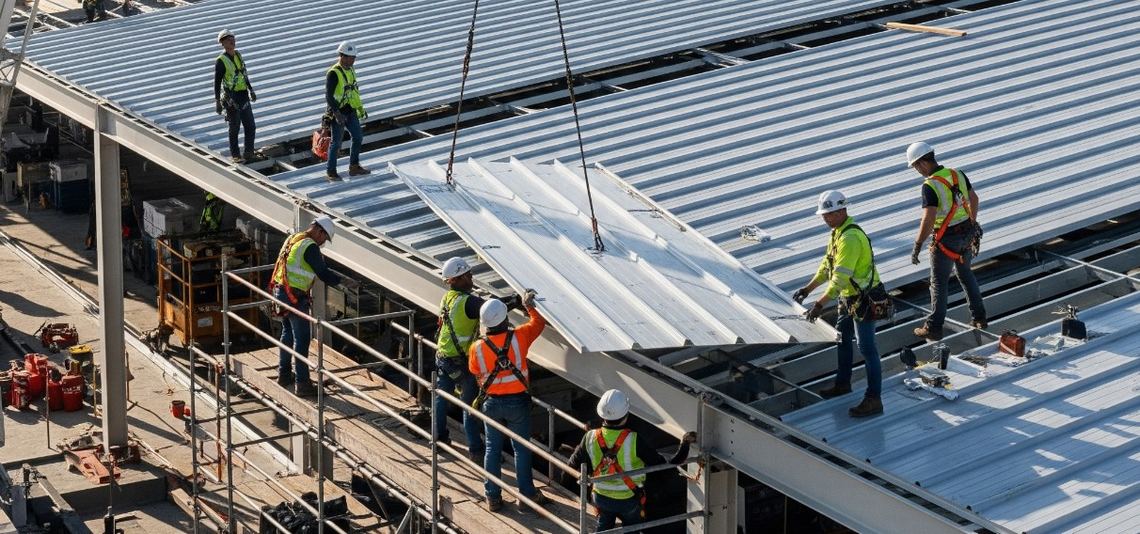
The fastest construction time for a standard single-story warehouse using sandwich panels can be reduced to 6 to 14 days. The higher the degree of prefabrication, the simpler the structure, and the more experienced the construction team, the shorter the construction period will be. Conversely, the construction period will be longer accordingly.


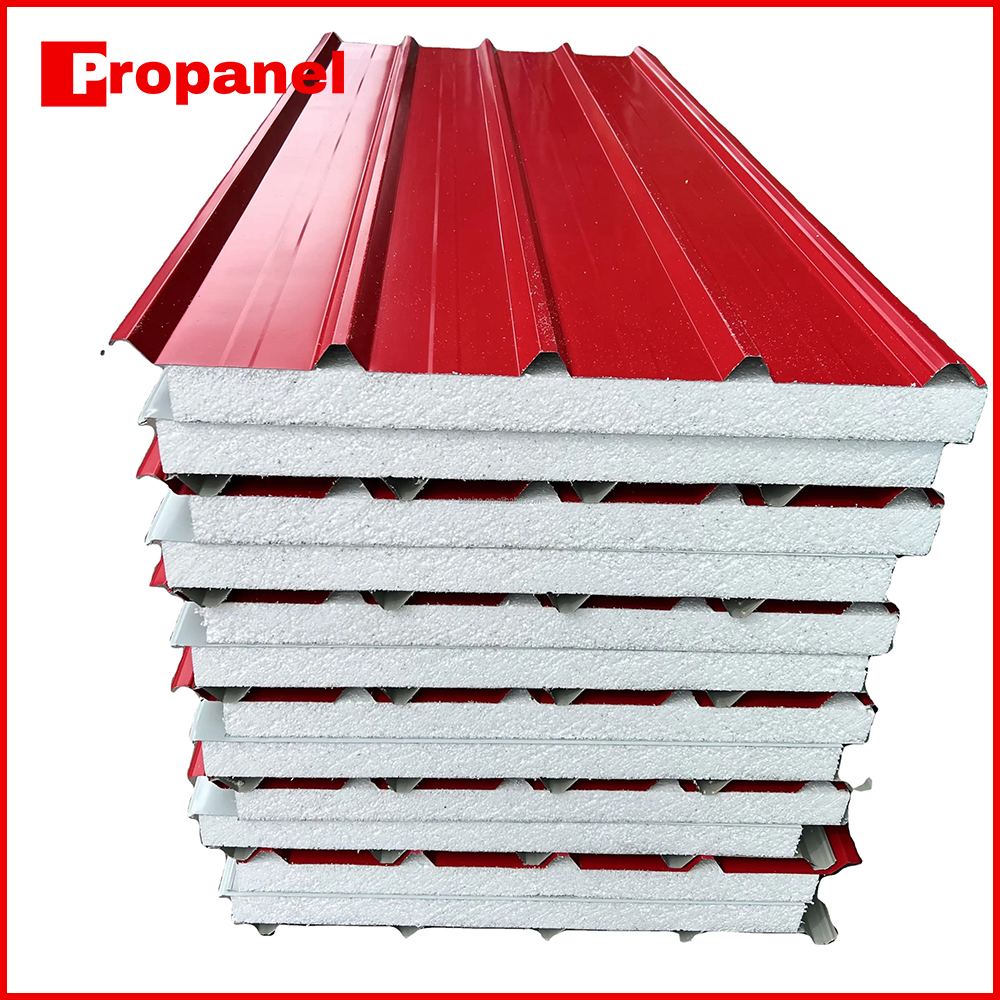
Eps sandwich panel sample

Sandwich panels are custom-made products according to the building design dimensions. On-site construction only requires splicing and installation. Compared to traditional concrete structures, this eliminates processes such as masonry and cementing, saving at least 40% of the construction time.


Furthermore, simpler building structures result in faster construction. For example, single-story warehouses without complex spans are the fastest to construct; while multi-story warehouses and workshops, or those requiring provisions for crane beams, will have a construction period of 15-25 days due to the need for additional steel frame structures.


A well-organized and skilled professional construction team can typically install at least 120 square meters of sandwich panels per day, further shortening the construction cycle.

The metal acoustic composite panel is a cutting-edge building material designed to meet diverse architectural needs. With a thickness of 50-100 mm, it offers exceptional benefits like sound absorption, environmental friendliness, flame retardancy, thermal insulation, moisture resistance, and mildew prevention. Its easy-to-clean, easy-to-cut nature, combined with simple installation, stability, impact resistance, and cost-effectiveness, makes it a top choice for various projects. Available in a wide range of colors, it caters to different styles and aesthetic preferences, enhancing both functionality and design.


Structure of the Panel

Details of metal acoustic composite panel

The panel’s innovative design consists of:

- Color-coated galvanized outer sheet: Ensures durability and an attractive finish.

- Glass wool (or rock wool): Acts as the core sound-absorbing layer.

- Non-woven fabric: Boosts acoustic performance and blocks dust.

- Perforated color-coated galvanized inner sheet: Enhances sound absorption through its perforated structure.


This combination creates a robust, efficient material tailored for noise control and insulation.


Key Characteristics

1. Airtight Soundproofing: Blocks external noise, ensuring a peaceful indoor environment.

2. Superior Sound Absorption: Reduces noise from rain, hail, and impacts effectively.

3. Eco-Friendly: Free of formaldehyde, resistant to microbes, and recyclable.

4. Economical and Aesthetic: Offers diverse surface options and vibrant colors, minimizing waste and cutting construction costs.

5. Fast Installation: Manufactured in a controlled factory environment, it guarantees quality and speeds up construction.


Applications

Application of metal acoustic composite panel

The metal acoustic composite panel shines in settings requiring excellent acoustics and durability, such as:

- Theaters and concert halls

- Conference rooms and lecture halls

- Gymnasiums and industrial workshops

- Public spaces like subway stations


Why Choose Metal Acoustic Composite Panels?

This material stands out for its blend of practicality and style. Its sound-dampening properties make it ideal for noisy environments, while its green credentials appeal to sustainable building trends. The quick installation process saves time, and its customizable colors add visual appeal, making it a versatile solution for architects and builders alike.


In summary, the metal acoustic composite panel is a high-performance, eco-conscious choice that elevates indoor comfort and architectural beauty. Whether for commercial, industrial, or residential use, it delivers unmatched value.

As Propanel, a leading supplier of EPS (Expanded Polystyrene) sandwich panels for roof and wall applications, we deliver high-quality products with exceptional advantages, offering efficiency, durability, and affordability for modern construction projects.


Socket Type 950 1150 EPS Wall Panel

Superior Thermal Insulation: Propanel’s EPS sandwich panels provide excellent thermal insulation, reducing heat transfer and maintaining stable indoor temperatures. This enhances energy efficiency, lowering heating and cooling costs for buildings.


Lightweight and Easy to Install: Our EPS panels are lightweight, making transportation, handling, and installation quick and cost-effective. Their modular design ensures rapid assembly, ideal for projects with tight timelines.


Cost-Effective Solution: Propanel’s EPS panels are competitively priced compared to traditional materials. With minimal maintenance and a long lifespan, they offer significant cost savings for residential, commercial, and industrial applications.

Cap Type 950 Eps Roof Panel

Effective Sound Insulation: The EPS core in our panels absorbs sound, making them perfect for noise-sensitive environments like offices, factories, or homes in urban areas.


Durability and Weather Resistance: Encased in premium metal facings (typically steel or aluminum), Propanel’s EPS panels resist corrosion, moisture, and harsh weather, ensuring long-term structural reliability.

Eco-Friendly Choice: Our panels are recyclable and contribute to energy efficiency, reducing environmental impact. Free from harmful substances, they are safe for a wide range of applications.


Versatile and Aesthetic: Available in various thicknesses and designs, Propanel’s EPS roof and wall panels cater to diverse needs, from warehouses to homes, combining functionality with aesthetic flexibility.


Choose Propanel as your trusted supplier for high-quality EPS sandwich panels, delivering innovative, sustainable, and cost-effective solutions tailored to your construction needs.

What is a PU panel?


A PU sandwich panel is a sandwich panel building material consisting of two outer layers (typically metal sheets, such as steel or aluminum) sandwiching a core of polyurethane (PU) foam. It’s widely used in construction for walls, roofs, and partitions due to its excellent thermal insulation, lightweight structure, and durability. 


Overlap of pu roofing panel

Here’s a concise breakdown

Components:

    1. Outer Layers (Skins): Thin, rigid sheets (galvanized steel or aluminum) provide structural strength, weather resistance, and aesthetic finish.

    2. Core (Polyurethane Foam): PU foam, BASF supplier the chemical with a high-performance insulator, offers low thermal conductivity (typically 0.02–0.025 W/m·K), making it ideal for temperature control.


Different thickness of pu panel

Key Features:

•Insulation: Superior thermal efficiency, suitable for applications like cold storage or poultry housing (from your Group 5).

•Thickness: Common thicknesses include 30mm, 40mm, 50mm, 100mm, or 150mm , affecting insulation performance.

•Applications: Used in steel structures, 4S car shops, cold storage, and roofing/wall systems (Group 5), often with certifications like CE or FM approval 

•Advantages: Lightweight, fire-resistant (to a degree), easy to install, and cost-effective compared to other materials like PIR or ROCKWOOL.

•Limitations: Less fire-resistant than PIR; environmental concerns due to PU’s chemical composition


sandwich panels, such as polyurethane (PU) and rock wool sandwich panels, are transforming modern construction with their superior insulation, fire resistance, and eco-friendly properties. These versatile materials are ideal for walls, roofs, and cleanrooms, offering tailored solutions for diverse building needs.


PU Wall Sandwich Panels

Exceptional Thermal Insulation


PROPANEL's Polyurethane Pu sandwich panels deliver outstanding thermal performance. A 50mm PU panel matches the insulation of a 1720mm brick wall, significantly reducing energy costs. Its low thermal conductivity prevents heat loss and condensation, maximizing building efficiency. Similarly, rockwool panels, with their fine, flexible fibers, offer excellent insulation due to a low thermal conductivity coefficient. This ensures stable indoor temperatures, making both options perfect for energy-efficient structures like warehouses and cold storage units.


Superior Fire Resistance


Fire safety is critical in construction. PROPANEL's PU sandwich panels achieve a B1 fire rating with self-extinguishing properties, ensuring reliable protection. While Rock wool sandwich panels excel further, meeting the A-grade fire standard thanks to their hydrophobic rockwool core, which resists flames effectively. These fire-resistant qualities make both panel types suitable for high-safety environments like factories and cleanrooms.


Eco-Friendly and Sustainable

Both PU and rock wool panels are environmentally friendly. Their easy installation and recyclability boost material reuse, reducing waste. By minimizing energy consumption through excellent insulation, these panels support green building practices, aligning with sustainable construction trends.


Rock wool Sandwich Panel

Versatile and Customizable


sandwich panels come in diverse types and designs, meeting varied aesthetic and functional needs. From sleek finishes to custom sizes, they cater to personalized requirements for projects like prefab houses and commercial buildings. This versatility enhances their appeal across industries.


Space-Saving Design


With ultra-low thermal conductivity, these panels achieve high insulation with minimal thickness, reducing wall dimensions and expanding usable interior space. This makes them ideal for modern architecture prioritizing efficiency and comfort.

keyboard_arrow_up