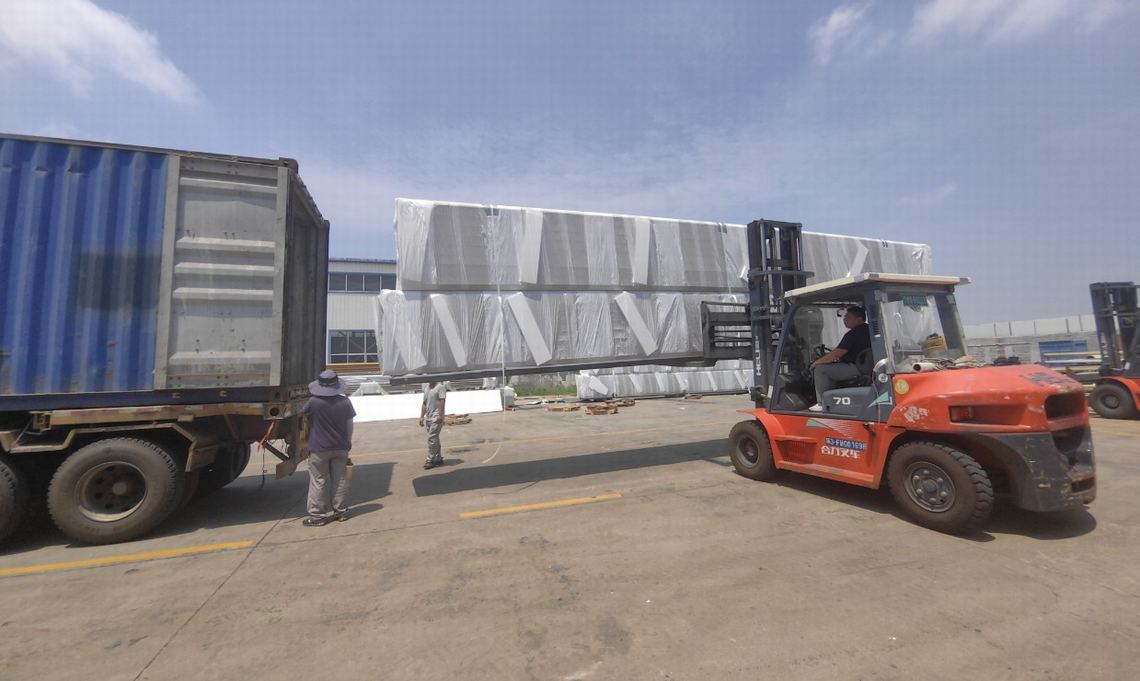
For successful international shipping, to use the correct loading method is very important, because sandwich panels need to be carefully packaged, loaded and transported--Once the loading procedure goes wrong, it may cause product damage and financial losses.


First of all, to make sure that the container condition meets transportation standards is the first step. Propanel will conduct a thorough inspection of the container before loading operations begin. If the container floor has protruding nails or sharp objects - the panel surfaces will get scratched easily - this can cause quality problem, finally leading to customer dissatisfaction.


Loading of the sandwich panels

Secondly, packaging and weight distribution calculations must be done before actual loading. It is recommended to use pallets to protect the bottom layer. Never load above the recommended height - otherwise damage may occur - ultimately resulting in the product being damaged and unable to be installed correctly.


Thirdly, security measures should be strictly done before loading. Key points such as angle brackets, protective plates, tension adjustment of straps, and filling of gaps between stacks require experienced workers to handle them according to standard operating procedures. Appropriate inflatable bags or air cushions should fill the empty space and prevent unnecessary movement of the container in rough sea conditions.


For a good cold room, using the right insulation system is very important—cause the entire refrigeration efficiency depends on how well the structure keeps cold air inside. Energy loss not only increases electricity consumption but also affects product freshness and storage stability. Insulated sandwich panels are the key solution to keep consistent temperature and reduce energy waste effectively.


The PU sandwich panel is the most common and efficient insulation material used in modern cold storage construction. It is made of two layers of pre-painted steel sheet with a polyurethane (PU) insulated core in between. PU foam has one of the lowest thermal conductivity levels among building materials, meaning it minimizes heat transfer between the inside and outside of the room. Propanel (propaneltech.com) focuses on manufacturing high-performance PU cold room panels, providing customers with stable insulation, long lifespan, and fire-resistant performance at the same time.


Before selecting insulated panels, it is important to match the panel thickness with the target temperature of the cold room. The following table shows the general recommendation:

Panel Thickness (mm)

Storage Temperature (°C)

Typical Application

75 mm

+10°C to +5°C

Food processing, air-conditioned room

100 mm

+5°C to -5°C

Chiller room, fruit and vegetable storage

150 mm

-5°C to -20°C

Frozen meat, dairy storage

200 mm

-20°C to -40°C

Deep freezer, ice cream cold room


Proper installation and sealing of the PU sandwich panels are equally important. Gaps, uneven joints, or unsealed corners may cause cold air leakage—resulting in continuous energy loss and compressor overload. That’s why Propanel emphasizes professional installation guidance and precise joint systems to ensure the panels fit tightly, keeping the cold room fully sealed.


For modern construction projects, to use the right building materials is very important, cause buildings require excellent thermal performance--Once the insulation cannot be guaranteed, it may greatly increase energy consumption and operational costs. The sandwich panel—it is usually composed with two metal sheets with insulated core material in between. As is known to all, the sandwich panel is the perfect building material for thermal insulation—so it gives the best insulation performance with structural strength at the same time.


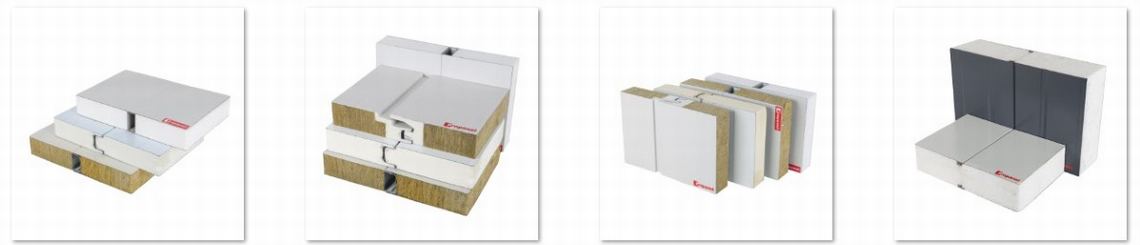
Different middle materials of sandwich panel

First of all, There are 3 core material of sandwich panel: EPS, rock wool, and PU—each have unique advantages for specific applications. EPS panels provide cost-effective insulation for warehouses and cold storage. Rock wool panels offer superior fire resistance for industrial plants and commercial buildings. PU panels gives the highest thermal efficiency for temperature-sensitive environments. Propanel, just focus on supplying all types of sandwich panels, gives customers the best solution also professional advice at the same time.


Secondly, each core material provides different levels of insulation effectiveness and additional advantages:


Core Material

Thermal Conductivity

Key Advantages

Best Applications

EPS

0.032-0.038 W/m·K

Lightweight, Cost-effective

Warehouses, Distribution Centers

Rock Wool

0.035-0.042 W/m·K

Fire-resistant, Sound-absorbing

Industrial Plants, Public Buildings

PU

0.022-0.024 W/m·K

High efficiency, Best thermal insulation

Cold Storage, Pharmaceutical Facilities

The low thermal conductivity values—especially PU's exceptional performance—directly translate to reduced heating and cooling costs, preventing energy loss through walls and roofs.


Thirdly, good installation also ensures insulation - if panels are installed incorrectly - gaps can form - which can lead to the development of cold bridges. Professional installation according to Propanel specifications is important to achieve the advertised R-value and energy savings.


Many homeowners considering spc flooring wonder if its "100% waterproof” claim holds up—and the answer lies in its core: stone plastic composite flooring. Unlike hardwood or laminate, which absorb moisture and warp, SPC’s base blends stone powder and PVC resin, creating a non-porous structure that repels water entirely. This makes it a top pick for bathrooms, kitchens, and basements, where dampness is a constant concern.

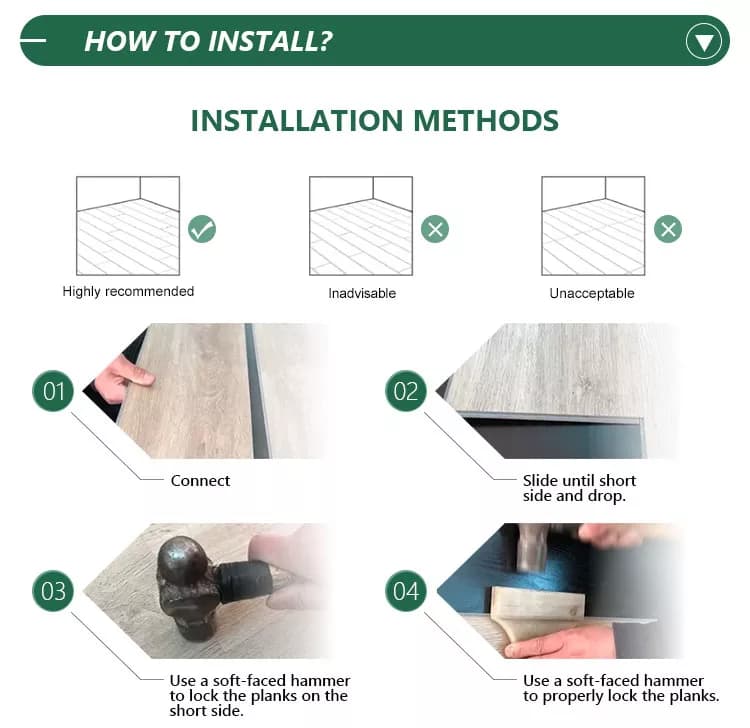
Popular variants like click spc flooring and spc click plank flooring enhance this waterproof advantage with their tight interlocking design. The click system forms a seamless barrier, preventing water from seeping between planks. Even spc luxury vinyl flooring, which mimics high-end materials like hardwood or marble, retains this water-resistant core, merging style with practicality for busy households.


To ensure you get genuine waterproof performance, choose reputable spc click flooring suppliers. High-quality spc flooring doesn’t just resist water—it maintains structural integrity even with prolonged exposure. For homeowners prioritizing moisture resistance without sacrificing style, SPC’s core material delivers on its waterproof promise, making it a reliable, long-lasting flooring solution.

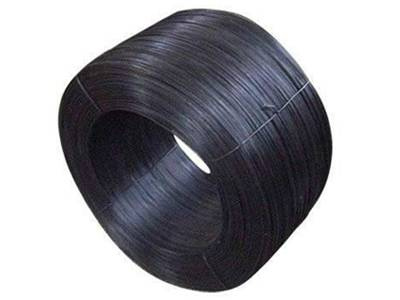
In the construction industry, rebar tying is a crucial step in ensuring structural stability, and the choice of tying wire directly affects construction quality and subsequent maintenance costs. Black annealed wire and galvanized wire are two common tying materials, each with its own characteristics and suitable for different scenarios. Below, we will compare these two materials in detail.


Feature Dimension Black Annealed Wire Black Annealed Wire Galvanized wire Galvanized wire
Process and Appearance Low-carbon steel wire is annealed (heated and then slowly cooled), resulting in a black color. The surface may be coated with anti-rust oil. The surface of low-carbon steel wire is hot-dip or electro-galvanized, giving it a silvery-white color.
Core Advantages It has excellent flexibility, is easy to bend and wrap, and requires little effort to operate. It has strong corrosion resistance, and the zinc coating provides long-lasting protection and a long service life.
Main Limitations It has poor corrosion resistance and is prone to rust when exposed to humid environments. It has high hardness and poor flexibility, making it relatively difficult to handle manually.
Cost Relatively economical. The cost is usually higher due to the galvanizing process.
Typical Application Scenarios Rebar tying, handicraft making, and material bundling in indoor or dry environments. Outdoor, damp environments: building tying, fencing, and barbed wire.


How to Choose?

The choice of binding wire depends primarily on your project requirements and work environment:

Prioritize Black Annealed Wire: If your project is indoors or in a dry environment, and you require high efficiency and ease of handling, black annealed wire is the ideal choice. Its flexibility makes binding faster and more economical.

Prioritize Galvanized Wire:If your project is in a humid or corrosive environment such as outdoors, in a basement, or near the sea, galvanized wire is essential. Although the initial investment is slightly higher, its superior rust resistance ensures long-term stability and avoids safety hazards and maintenance costs caused by corrosion.


In summary, both black annealed steel wire and galvanized steel bar binding wire have their advantages and disadvantages. In practical applications, construction personnel should comprehensively consider factors such as cost, corrosion resistance, and ease of construction based on the specific circumstances of the project to rationally select binding wire materials in order to ensure construction quality and project safety.


On construction sites, rebar tying wire is often considered an inconspicuous auxiliary material, but its quality directly affects the structural integrity and safe lifespan of the entire building. Although it does not directly bear weight, it is crucial for ensuring the coordinated operation of reinforced concrete.


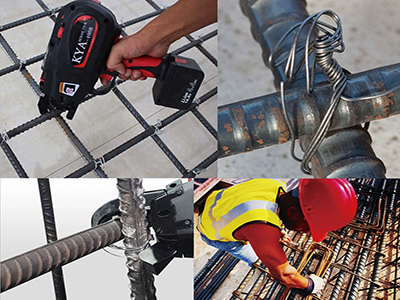
The core function of tying wire: "Positioner" and "Fixer" for rebars. Before pouring concrete, the rebar cage or mesh must be securely fixed with tying wire to ensure:

Precise design positioning: Each rebar functions correctly on the design coordinates, guaranteeing the effectiveness of structural calculations.

Shared load-bearing: The rebar mesh forms a unified whole, evenly distributing the load.

Pouring stability: Resisting the impact and vibration during concrete pouring, preventing rebar displacement.


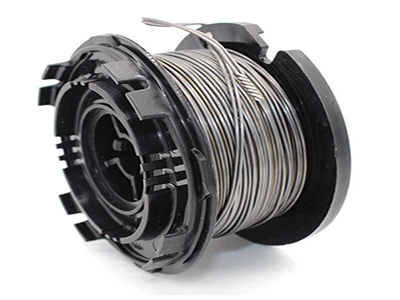
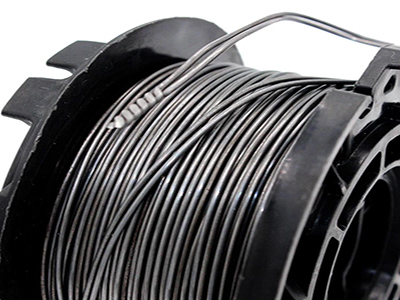
Tie Wire Rebar Tie Wire for Rebar Tying MachineTie Wire Rebar Tie Wire for Rebar Tying Machine


The impact of rebar tying wire quality on structural integrity will be discussed in detail below.

First, the quality of the rebar tying wire directly affects the structure's load-bearing capacity. Using inferior rebar tying wire can lead to insecure binding, resulting in weak connections between rebars or even loosening. This directly reduces the overall load-bearing capacity of the structure, increasing the risk of building collapse. Therefore, selecting high-quality rebar tying wire during construction is crucial to ensure structural stability and safety.

Second, the quality of the rebar tying wire affects the structure's durability. During building use, rebar is exposed to the external environment. Using inferior tying wire makes it susceptible to oxidation and corrosion, reducing the rebar's lifespan. This directly impacts the durability of the entire building structure and may even lead to premature aging and damage.

Furthermore, the quality of the rebar tying wire also affects the construction quality and project progress. Using substandard tying wire can easily cause problems during construction, increasing construction difficulty and time costs. Choosing reliable rebar tying wire ensures smooth construction, improves project efficiency, and guarantees the quality of the structure.


How to Choose Qualified Binding Wire?

To ensure project quality, the following should be considered when selecting binding wire:

Material and Process: For humid environments, galvanized wire (especially hot-dip galvanized) is preferred, as its rust resistance is far superior to ordinary black iron wire.

Specification Matching: The diameter must match the rebar specification (commonly 20-22 gauge) to ensure sufficient strength.

Product Standards: Select qualified products that meet national or industry standards.

One of the most frequently asked questions by buyers when choosing acoustic panels is:


Are thicker acoustic panels better?

Custom Solutions Acoustic Wood Slat Panels

In short, the answer is yes—but not always in the way people expect.


Panel thickness does affect sound absorption, but it's only one part of the overall acoustic performance. In this article, we'll explain how thickness works, when thicker panels are more beneficial, and how to choose the right solution for your space.


How Acoustic Panels Absorb Sound


Acoustic panels reduce echoes and reverberation in a room by absorbing sound energy, especially mid-to-high frequency sound waves.


Key factors affecting performance include:


Panel thickness


Material density


Surface design


Installation method


Air gap behind the panel


Thickness alone does not guarantee better results.


Does thickness really improve sound absorption?


Yes—especially for low frequencies.


Generally speaking:


Thicker panels can absorb a wider frequency range.


They are more effective at low frequencies than thinner panels.


For example:


12-25 mm thick panels primarily absorb high frequencies.


40-50 mm thick panels absorb mid-frequency frequencies more effectively.


Thick panels with backing systems help control low-frequency energy.


However, for everyday residential and commercial spaces, ultra-thick panels are often unnecessary.


Thicker with Smarter Design


Modern acoustic solutions are not simply about increasing thickness, but about balancing design.


For example, wood slat acoustic panels use:


Rigid medium-density fiberboard slats for sound diffusion


High-density polyethylene terephthalate (PET) felt for sound absorption


Thickness optimized for the actual space


This combination achieves effective acoustic control without adding excessive volume or visual clutter.


When to Need Thicker Acoustic Panels


Thicker acoustic panels are best suited for:


Recording studios


Music rehearsal rooms


Home theaters


Large open-plan commercial spaces


In these environments, low-frequency control is crucial.


When Thicker Acoustic Panels Are Not Needed


For example:


Living rooms


Bedrooms


Offices


Conference rooms


Restaurants and hotels


Standard-thickness acoustic panels or wood strip acoustic panels, if installed properly, already provide excellent sound absorption.


In these cases, installation location and coverage are more important than thickness.


The Role of Air Gap (Often Overlooked)


An important professional insight:


Adding an air gap behind the acoustic panel can significantly improve low-frequency absorption—sometimes even better than increasing thickness.


This is why wall-mounted wood strip acoustic panels with felt backing are so effective in actual installations.


Why Wood Strip Acoustic Panels are the Ideal Balanced Choice


Wood strip acoustic panels offer the following advantages:


Moderate thickness, suitable for most environments


Natural sound diffusion and absorption


Aesthetically pleasing, perfectly complementing modern interior design


Highly effective sound absorption without excessive space occupation


Achieving an ideal balance between functionality, design, and ease of installation

When building a home theater, many people focus only on the screen, speakers, and amplifier, neglecting a crucial factor: the room's acoustic environment.

Acoustic Wood Slat Panels Supplier

So the question is:


Do acoustic panels really improve the sound quality of a home theater?


The answer is yes, and significantly. This article will explain how acoustic panels work in a home theater, their installation location, and why wooden slat acoustic panels are increasingly becoming the preferred solution in modern home theater designs.


Why Room Acoustics Are Crucial for Home Theaters


Even the most expensive audio equipment cannot perform at its best in a room with poor acoustics.


Common problems include:


Echoes and excessive reverberation


Muddled or booming bass


Unclear dialogue


Harsh high-frequency reflections


These problems are caused by sound waves reflecting off hard surfaces such as walls, ceilings, and floors.


How Acoustic Panels Improve Home Theater Sound


Acoustic panels are designed to absorb unwanted sound reflections, allowing you to hear the sound you should hear.


Key advantages of home theater acoustic panels:


✔ Clearer dialogue and vocals


✔ More accurate surround sound imaging


✔ Reduced echo and reverberation


✔ Better bass, midrange, and treble balance


✔ A more immersive movie and gaming experience


You'll get clearer, more controllable sound, not just more volume.


The difference between home theater acoustic panels and soundproofing


Understanding the difference is crucial:


Acoustic panels improve room sound quality


Soundproofing blocks sound from entering or leaving the room


For most home theaters, acoustic treatment is far more important than complete soundproofing, especially when the goal is a better listening experience rather than complete noise isolation.


Why wood slat acoustic panels are ideal for home theaters


Wood slat acoustic panels combine sound absorption, diffusion, and aesthetics, making them a perfect choice for home theaters.


Advantages of wooden acoustic panels:


Effectively absorbs mid-to-high frequency sounds


Aids in sound diffusion, creating a more natural sound field


Delivers a warm, sophisticated visual effect


Integrates perfectly with modern interior design


In home theaters, they are especially suitable for behind the TV, on side walls, and the rear wall.


Where should acoustic panels be installed in a home theater?


For best results, acoustic panels should be installed at the primary reflection points:


The side wall near the front speakers


The wall behind the TV or projector screen


The rear wall behind the seats


The ceiling (optional, for high-end configurations)


Clever installation placement can significantly improve sound quality without covering all surfaces.


How many acoustic panels does a home theater need?


There is no one-size-fits-all solution, but general principles are as follows:


Cover 20%–30% of the total wall area


Prioritize reflection points


Match wall panels with soft furnishings whenever possible


A balanced approach yields optimal performance and visual harmony.

Living in an apartment often means enduring various noises—neighbors' conversations, TV noise, footsteps, and even echoes in your own room. This leads many renters and landlords to ask:


Is it worth installing acoustic panels in an apartment?
Acoustic Wood Slat Panels Supplier

The answer is yes—provided they are used correctly. While acoustic panels cannot completely block out noise, they can significantly improve comfort, clarity, and overall sound quality. In this guide, we'll explain the role and limitations of acoustic panels in apartments, and why they are a smart upgrade for modern urban living.


Common Noise Problems in Apartments


Apartment buildings typically have the following characteristics:


Shared walls and ceilings


Hard surfaces such as concrete and drywall


Limited finishing options


This often leads to:


Echoes and reverberation within rooms


Poor speech intelligibility


Noise easily propagates throughout the space


Constant background noise increases stress


Acoustic treatment can solve many of these problems without altering the building structure.


The Practical Role of Sound-Absorbing Panels in Apartments


Sound-absorbing panels are designed to absorb sound reflections, not completely block sound.


In apartments, sound-absorbing panels serve several purposes:


Reducing echoes and reverberation


Improving speech and television clarity


Making rooms feel quieter and more comfortable


Minimizing noise from neighbors


Preventing sound reflections within the room


While they are not a complete soundproofing solution, they can significantly improve the quality of daily life.


Sound-Absorbing Panels vs. Soundproofing: What Apartment Owners Need to Know


Understanding the difference is crucial:


Sound-absorbing panels → Improve sound quality in the apartment


Soundproofing → Prevent sound from entering or leaving the apartment


True soundproofing requires extensive construction and structural modifications, which is often impractical in apartments. Sound-absorbing panels, on the other hand, are a non-invasive, effective, and renter-friendly option.


Why Wood Strip Sound-Absorbing Panels are Ideal for Apartments


Wood strip sound-absorbing panels are particularly popular in apartments due to their combination of performance and aesthetic design.


Advantages of using acoustic panels in apartments:


Effectively absorbs mid-to-high frequency noise


Reduces echoes in living rooms and bedrooms


Adds warmth and visual depth to interior spaces


Suitable for modern, minimalist, and luxury designs


Requires no major renovations for installation


Especially suitable for behind TVs, shared walls, and home office or bedroom spaces.


Installation Locations for Apartment Acoustic Panels


For best results, focus on the following problem areas:


Shared walls with neighbors


Behind TVs or entertainment systems


Home office or study areas


Bedroom walls near noise sources


Strategic installation is generally more effective than covering the entire room.


Are acoustic panels worth installing for renters?


Yes. Many modern acoustic panels:


Require only a few holes for installation


Removable and reusable


Won't damage walls when installed correctly


Therefore, they are an excellent choice for renters who want to improve acoustics without making permanent modifications.
Many people seeking better sound insulation often ask:


What's the difference between acoustic panels and soundproofing panels?


While these two terms are often used interchangeably, their uses are quite different. Understanding their differences is crucial for choosing the right solution for your residential, office, or commercial project.


In this guide, we'll detail how each system works, where it's applicable, and why acoustic panels (especially wood strip acoustic panels) are the most practical choice for most spaces.


Acoustic Panels vs. Soundproofing Panels: Core Differences


The main difference lies in the problem you want to solve.


Type Main Function Uses

Acoustic Wood Slat Panels Supplier

Acoustic Panels Absorbs indoor sound Reduces echoes, reverberation, and noise reflections


Soundproofing Panels Blocks sound from entering or leaving Prevents noise transmission between spaces


In short:


Acoustic panels improve sound quality


Soundproofing panels block sound transmission


What are acoustic panels?


Acoustic panels are designed to absorb sound waves reflected within an indoor space.


They help to:


Reduce echo and reverberation


Improve speech clarity


Enhance music and audio quality


Create a more comfortable indoor environment


Widely used in:


Residential and apartment buildings


Offices and meeting rooms


Restaurants and hotels


Studios and commercial spaces


How Sound-Absorbing Panels Work


Sound-absorbing panels use porous materials that convert sound energy into heat energy through friction.


High-quality sound-absorbing panels typically combine the following features:


Sound-absorbing backing materials (such as PET felt)


Optimized thickness and density


Carefully designed surface


Wood strip sound-absorbing panels go a step further, combining sound absorption with sound diffusion for balanced acoustic control and modern aesthetics.


What are Sound Insulation Panels?


Sound insulation panels are designed to block the transmission of sound between rooms.


They rely on:


Heavy materials


Structural isolation


Sealed structure


True sound insulation typically includes:


High-density materials (concrete, drywall layers)


Resilient partitions


Insulation materials within walls and ceilings


Sealing of gaps


Therefore, soundproofing panels are:


Heavy


More expensive


Usually part of the building structure, not decoration


Why sound-absorbing panels are often the better choice


Many people want “soundproofing” when they actually need better acoustic control.


Sound-absorbing panels are ideal because they:


Easy to install


Immediately improve sound quality


No construction required


Enhance interior design


Excellent cost-effectiveness


For apartments, offices, and most commercial interior spaces, sound-absorbing panels can solve 80-90% of common noise problems.


Can sound-absorbing panels replace soundproofing panels?


Not entirely—but they can significantly improve perceived noise comfort.


Acoustic panels:


Reduce indoor reflected noise


Make conversations clearer


Reduce overall auditory fatigue


However, they do not completely prevent sound from penetrating walls. Complete soundproofing requires structural sound insulation.


Wood strip acoustic panels: Performance and design combined


Wood strip acoustic panels are a modern solution that combines:


Sound absorption


Partial sound diffusion


The beauty of natural wood


They are particularly suitable for:


Modern residences


Offices


Hotel projects


Commercial interior design


This achieves an ideal balance between functionality, aesthetics, and practicality.

keyboard_arrow_up