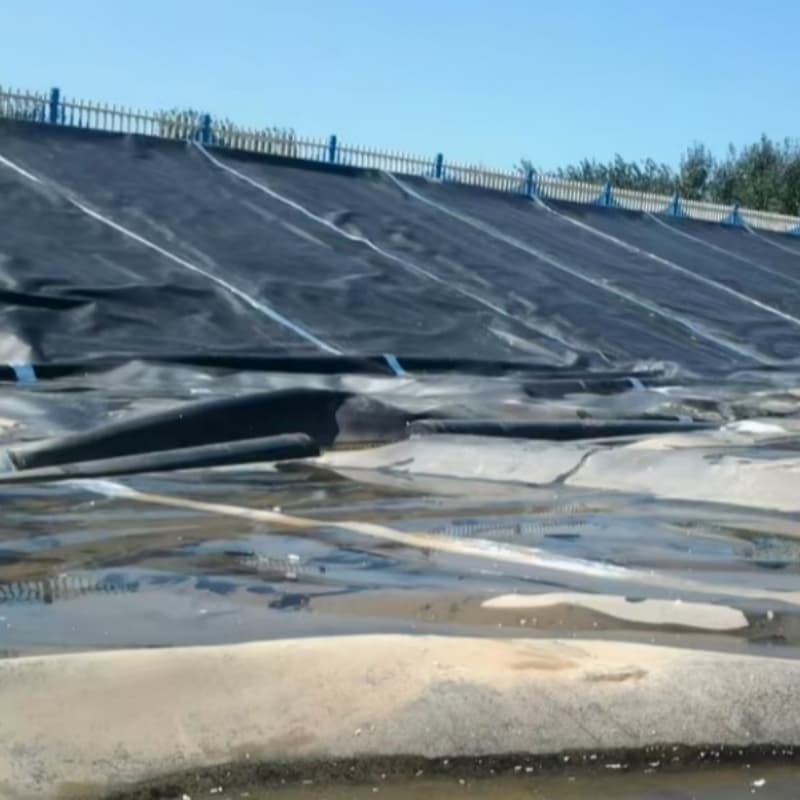
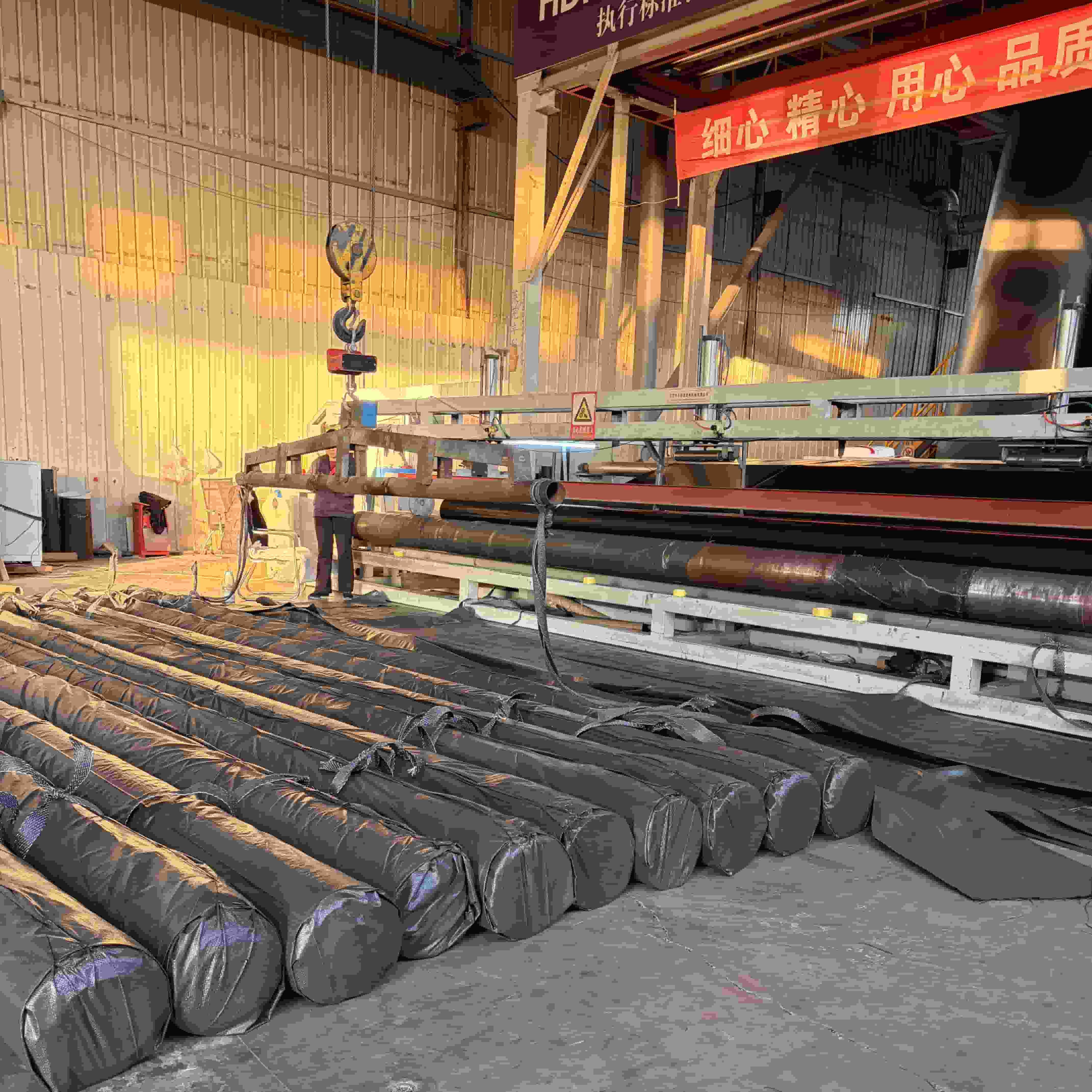
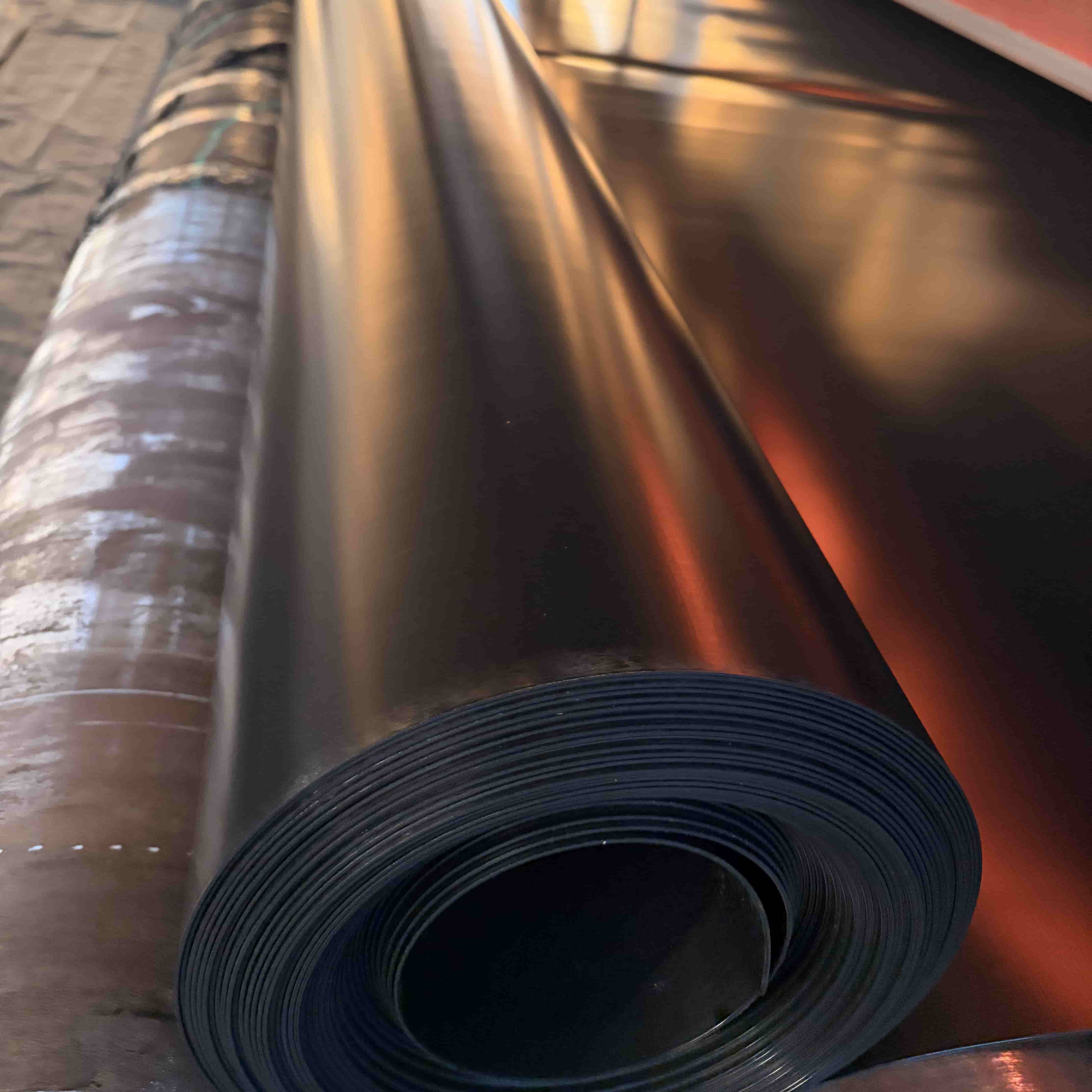
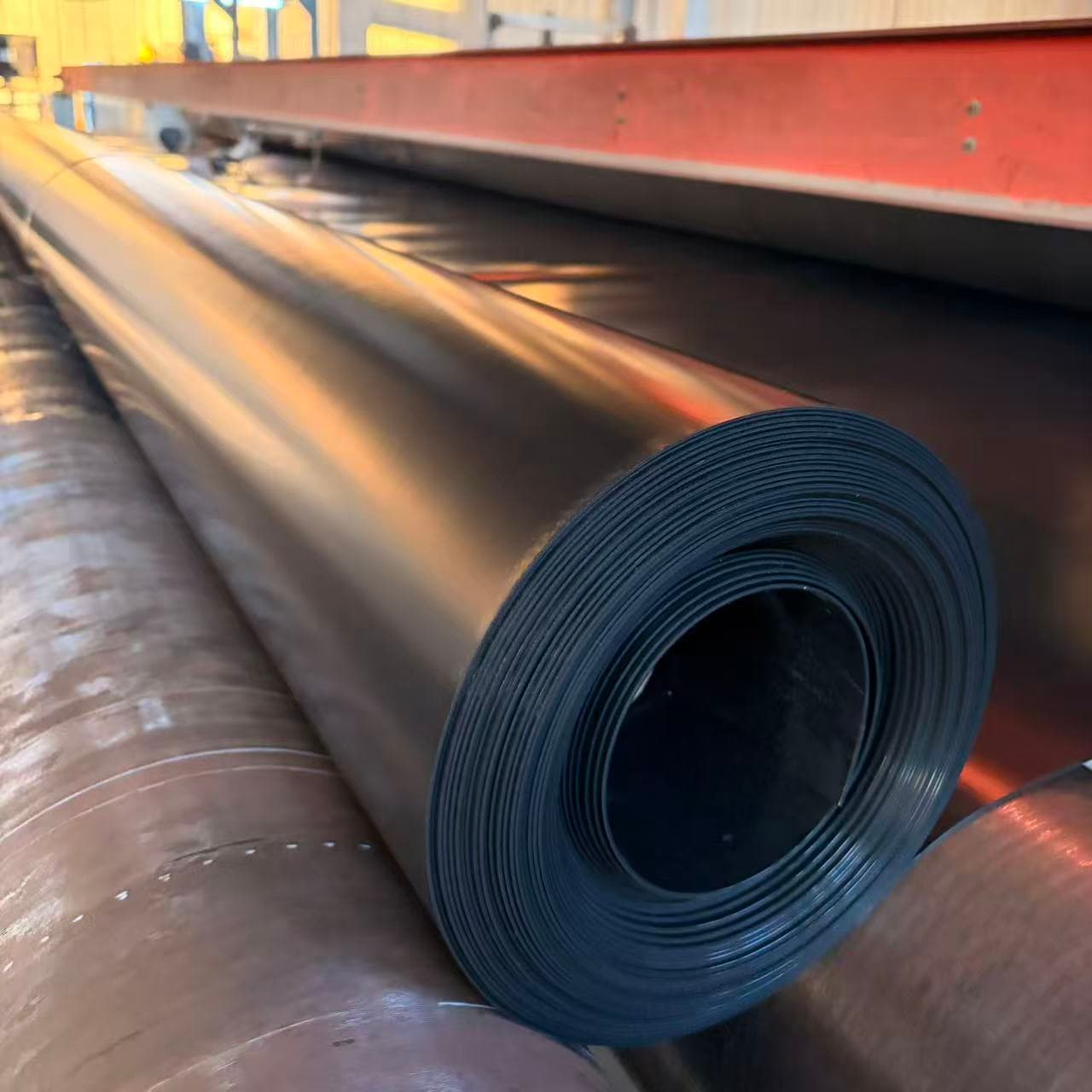
When your project calls for an impermeable geomembrane,HDPE is often the gold standard. But simply ordering an “HDPE liner” is not enough. As a buyer, you must understand the specifications that dictate quality, longevity, and ultimately, value for money. Here‘s what to discuss with your non woven geotextile suppliers(many of whom also supply geomembranes) or specialized manufacturers.


Key Specification Points for HDPE Geomembrane Sheet

1.Resin Quality:

The heart of the product. Ask for virgin, high-quality resin (not recycled). This ensures consistent chemical resistance and long-term durability. The density should be ≥ 0.940 g/cm³.

2.Thickness & Tolerance:

Thickness (e.g., 1.0mm, 1.5mm, 2.0mm) directly relates to puncture resistance and longevity. Ensure the supplier guarantees a minimum thickness, not just an average. Tolerance should be tight (e.g., ± 5%).

3.Textured vs. Smooth:

Smooth hdpe liner sheet is standard. Textured geomembrane (on one or both sides) provides increased interface friction, crucial for slopes. This prevents the liner from sliding. Specify based on slope design.

4.Carbon Black Content & UV Stabilization:

For exposed applications, the sheet must contain 2-3% carbon black (evenly distributed) and UV stabilizers. This prevents degradation from sunlight. Ask for relevant test reports (e.g., ASTM D7238 for oxidative induction time).

5.Panel Size & Seam Integrity:

Larger factory-fabricated panels mean fewer field seams, reducing potential leak points. For seams, inquire about the welding procedure specification (WPS) and the qualification of welders.


Beyond the Sheet: The System Approach

An hdpe geomembrane sheet is part of a system. It needs protection. This is where non woven geotextile fabric comes in as a critical cushion layer. A reputable supplier will not just sell you the membrane but advise on the complete system, including the appropriate geo fabric material for protection and a potential GCL liner for a composite system.


Procurement Action Plan

  • Do notbuy on price alone.
  • Dorequest certified test reports for resins and finished sheets.
  • Doask for project references and case studies.
  • Doconsider the supplier‘s technical support and ability to provide a system solution.


Investing in a properly specified HDPE geomembrane from a quality-conscious manufacturer prevents costly failures and protects your project’s environmental and structural integrity.
 

  • NUOKUN  Geomembrane
  • NUOKUN  Geomembrane
  • NUOKUN  Geomembrane
  • NUOKUN  Geomembrane

-


If you're planning to create a modern home theater or stylish living room, you might be wondering:


"Can I mount the TV directly on a sound-absorbing wall?"

Customizable Acoustic Wood Slat Panels Supplier

In short: It's not recommended.


Here are the reasons and the correct installation method.


❌ Why you shouldn't mount a TV directly on a sound-absorbing panel


Sound-absorbing panels—especially felt-backed wooden slats—are for absorbing sound, not for bearing weight.


Mounting a TV directly on acoustic panels may result in:


Insufficient structural support


Risk of panel damage


Unsafe installation


Degraded acoustic performance


✔ Correct way to install a TV using acoustic panels


You can perfectly combine a TV wall mount with acoustic panels—simply follow these steps:


1. First, mount the TV bracket on a solid wall.


The TV should be securely fixed to the following wall surfaces:


Concrete wall


Brick wall


Use suitable anchors to secure to drywall


Wooden frame


2. Install the acoustic panels around the bracket.


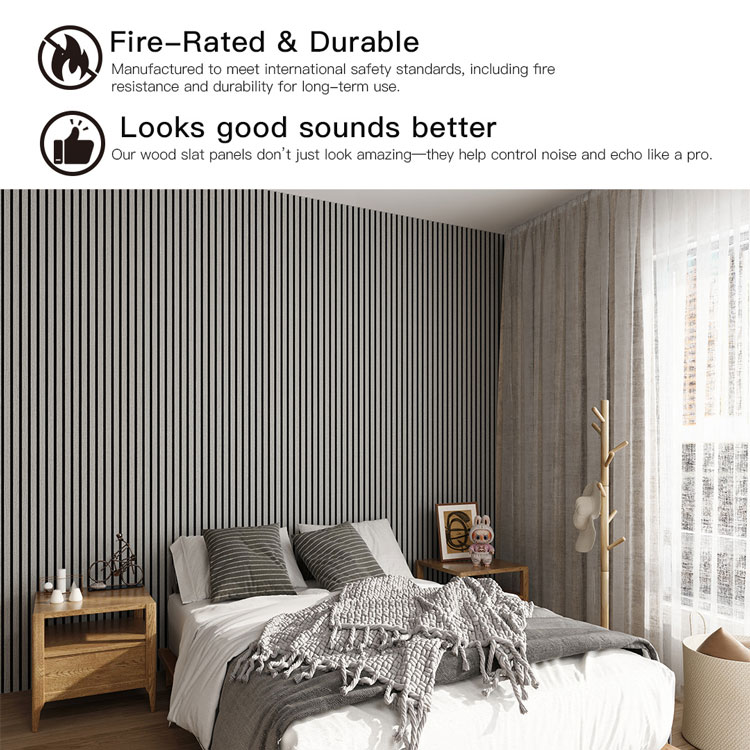
Leeyin's wood slat acoustic panels are precisely cut to perfectly fit the wall mount, providing a seamless, high-quality look.


3. Hide cables behind the panel.


Our panels have small gaps between the wood slats and felt backing—perfect for concealing cable management.

Want to improve the acoustics of your room but don't have traditional acoustic panels on hand?


Here are some alternatives that can help reduce echoes and improve sound quality—although none of them can match the performance of professional acoustic panels.

Custom Solutions Acoustic Wood Slat Panels

✅ 1. Heavy Curtains


Thick fabrics help absorb mid-to-high frequency sounds.


Perfect for living rooms and bedrooms.


✅ 2. Rugs


Bare floors reflect sound. Laying down a soft rug can instantly reduce echoes.


✅ 3. Bookshelves Filled with Books


Bookshelves filled with books both diffuse and absorb sound—simple and effective.


✅ 4. Upholstered Furniture


Sofas, upholstered chairs, and cushions themselves absorb sound waves.


✅ 5. Homemade Foam Boards


While convenient, they are usually not dense enough and have poor fire resistance.

What Exactly Does Acoustic Panel Do? A Beginner's Guide


If you've ever experienced echoes, noise build-up, or unclear sound in a room, then you've encountered an acoustic challenge. With the growing interest in home studios, modern offices, and high-quality interior design, more and more people are starting to wonder about a simple question: What exactly does an acoustic panel do?

Premium Acoustic Wood Slat Panels Manufacturer

In this beginner's guide, we'll explain how acoustic panels work, what problems they can solve, and how to choose the right solution for your space, from the perspective of a professional acoustic panel manufacturer.


What is an Acoustic Panel?


Acoustic panels are specially designed engineered products designed to control indoor sound. They help reduce echoes, reverberation, and excessive noise reflection by absorbing sound waves, especially mid-to-high frequencies.


Unlike exposed walls, glass, or concrete surfaces that reflect sound, acoustic panels convert sound energy into heat energy through porous materials, such as:


Sound-absorbing PET fibers


High-density MDF boards with felt backing


Mineral wool or sound-absorbing core materials


These materials are commonly used in wood slat wall panels, fabric panels, and decorative acoustic systems.


What are the actual functions of acoustic panels?


1. Reduce Echoes and Reverberation


One of the main functions of acoustic panels is to reduce reverberation time. In an untreated room, sound reflects repeatedly between hard surfaces, creating echoes and a muddy sound. Acoustic panels absorb these reflections, creating a clearer, more controlled acoustic environment.


This is especially important in the following settings:


Home theaters


Music studios


Meeting rooms


Dining rooms and open-plan offices


2. Improve Sound Clarity


By reducing unwanted reflections, acoustic panels improve speech clarity and audio detail. Conversations are easier to understand, music sounds more balanced, and auditory fatigue is reduced.


This is why acoustic panels are widely used in:


Recording studios


Podcast recording studios


Classrooms and training centers


Business meeting spaces


3. Enhance Acoustic Comfort (Not Complete Soundproofing)


People often mistakenly believe that acoustic panels completely block noise from entering and leaving a room. In reality, acoustic panels are designed to absorb sound, not completely isolate it.


They help to:


Reduce indoor noise buildup


Minimize sound reflections


Improve indoor acoustics


To achieve complete sound insulation, additional construction methods such as massing, vibration damping, and sealing are required. However, acoustic panels are a cost-effective and essential first step in most acoustic treatments.


Where are acoustic panels commonly found?


Acoustic panels are suitable for residential and commercial spaces, including:


Living rooms and home theaters


Bedrooms and apartments


Offices and coworking spaces


Hotels, lobbies, and restaurants


Recording studios, rehearsal rooms, and broadcasting studios


In modern interior design, wood slat acoustic wall panels are favored for their combination of sound absorption and modern aesthetics.


Why are wood slat acoustic panels so popular?


Wood slat wall panels achieve a unique balance between design and performance. The strip-shaped medium-density fiberboard (MDF) surface diffuses sound, while the sound-absorbing felt backing absorbs noise, making it both practical and beautiful.


Advantages include:


Highly efficient sound absorption


Warm and modern appearance


Easy wall or ceiling installation


Customizable colors, finishes, and sizes


Specialized manufacturing processes ensure superior quality


The performance of sound-absorbing panels depends heavily on material quality, density, and manufacturing precision.

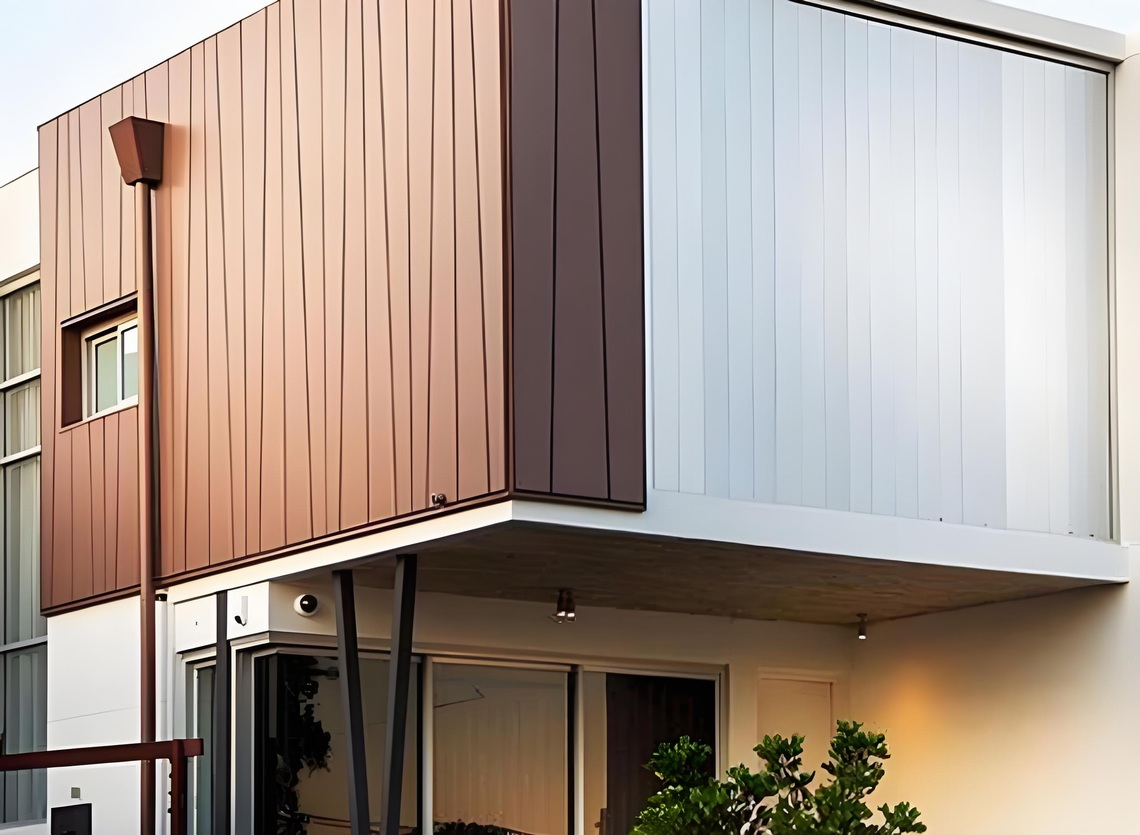
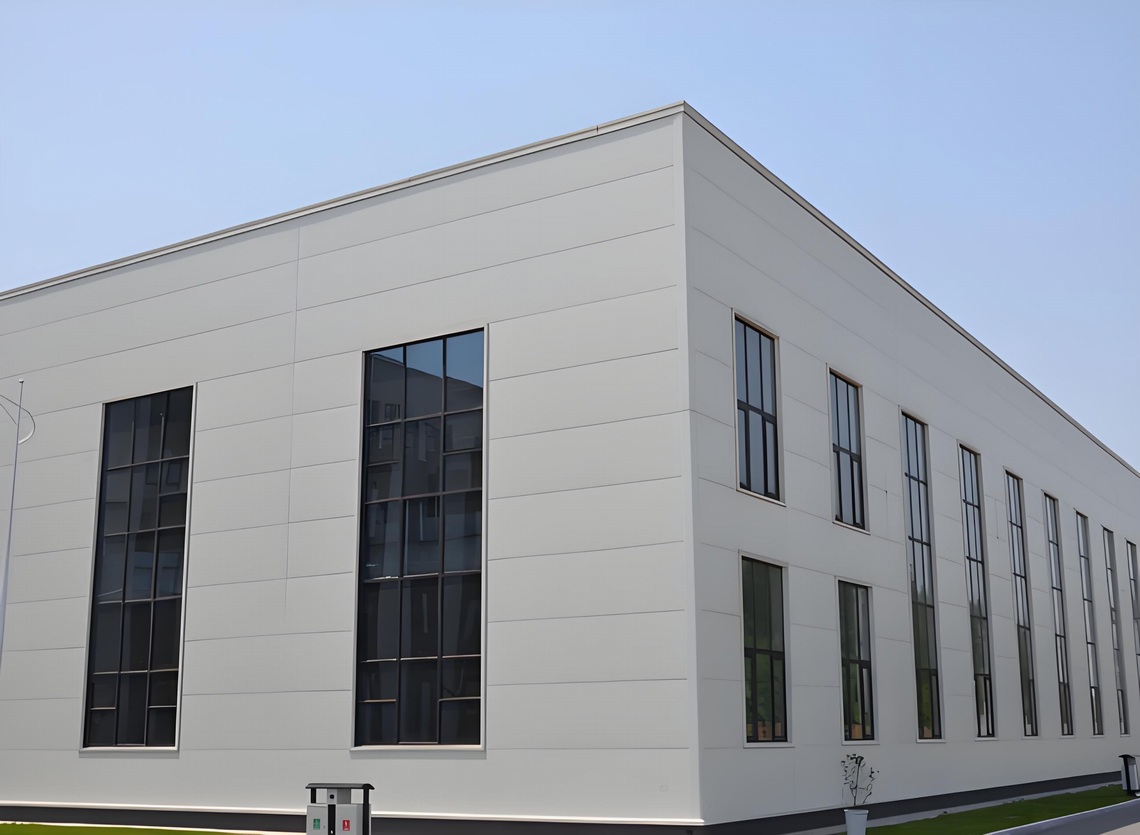
Metal curtain wall sandwich panels are transforming modern architecture by combining style, durability, and advanced functionality. These panels feature a decorative metal surface layer, supported by a structural system that connects to a building’s framework. They incorporate essential functions like fire resistance, lightning protection, thermal insulation, soundproofing, ventilation, and shading, making them a top choice for innovative construction projects worldwide.


Product Characteristics

Applications of Metal Curtain Wall Sandwich Panels (1)

- Distinctive Texture and Color Options: Metal curtain wall sandwich panels boast a unique texture with vibrant, long-lasting colors. Their diverse shapes enable creative designs that blend effortlessly with glass or stone curtain walls.

- Lightweight Construction: These panels reduce structural loads, offering an excellent solution for high-rise buildings while maintaining strength and stability.

- Superior Resistance: With outstanding fireproof, waterproof, stain-resistant, and anti-corrosion properties, they ensure a building’s exterior stays pristine for years.

- Design Flexibility: High plasticity allows them to be shaped into flat surfaces, curves, or spheres, providing architects with limitless possibilities.

- Cost-Effective Durability: They deliver a high performance-to-price ratio, with a long lifespan and minimal upkeep requirements.


Applications of Metal Curtain Wall Sandwich Panels (2)

Product Advantages

- Simplified Installation and Maintenance: The panels’ modular design streamlines processing, transportation, installation, and cleaning. Individual sections can be removed for repairs, enhancing practicality.

- Energy Efficiency: Excellent thermal insulation reduces energy costs, supporting sustainable building practices.

- Visual Appeal: Their sleek, modern aesthetic enhances the look of commercial and residential structures alike.

- Versatility: Compatibility with various architectural styles and materials makes them highly adaptable to diverse project needs.

- Long-Term Value: Combining durability with low maintenance, these panels offer significant cost savings over time.


Metal curtain wall sandwich panels stand out for their blend of practicality and elegance. They provide builders with a durable, flexible, and efficient solution, making them an ideal investment for cutting-edge architectural designs.


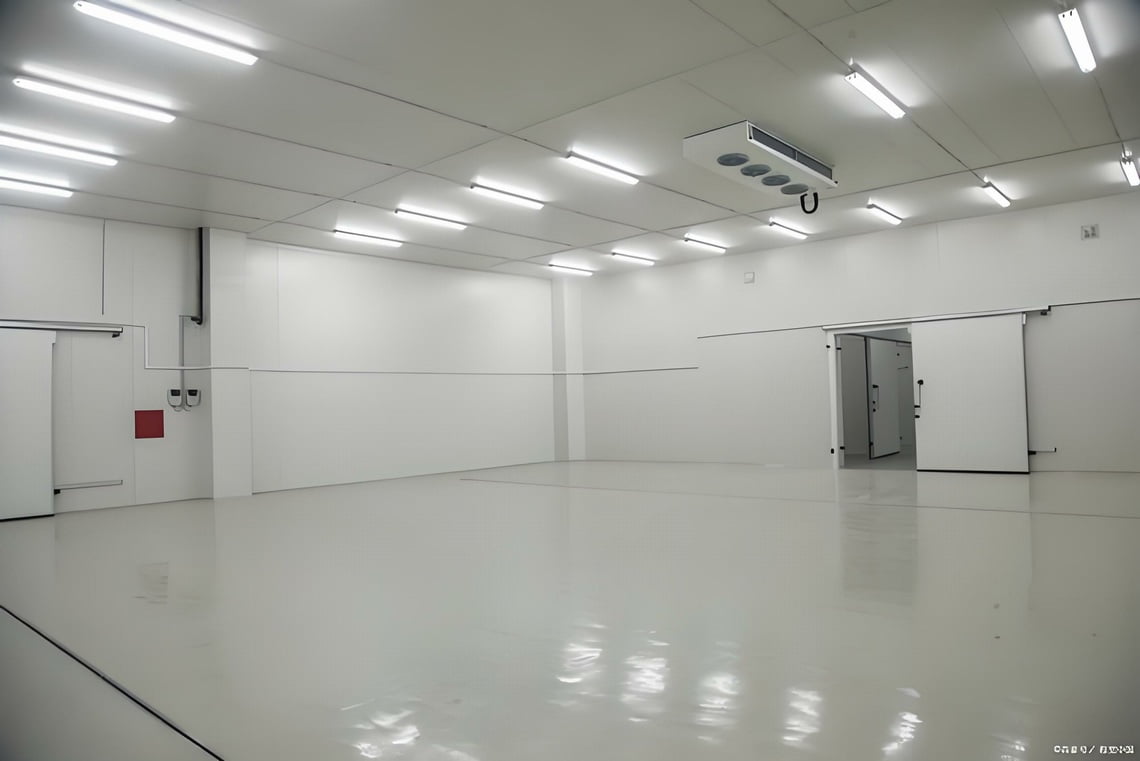
Keeping seafood super-fresh needs seriously cold storage. Regular walls just not suitable! That's where specialized cold storage panels come in –they're absolutely essential for any seafood warehouse wanting top-quality fish and shellfish. Think of them as the super-insulated armor locking in the cold and keeping spoilage out.


The Heart of the Cold Room: PU/PIR Sandwich Panels

150mm Pu sandwich panel

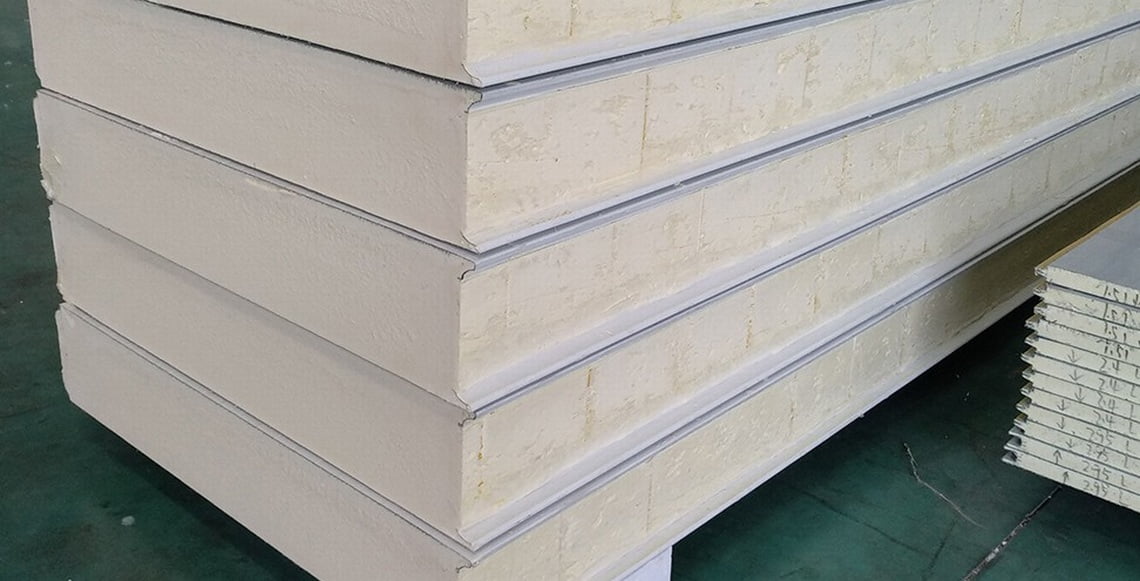
The Best Choice for seafood cold rooms are PU/PIR: 0.02 W/(M·K) sandwich panels. Why? Their secret weapon is the super-dense, closed-cell foam core. This core acts like a powerful barrier, slashing energy bills by keeping cold air in and warm air out far better than other options. It also makes the panels strong and rigid, perfect for building large, reliable cold storage spaces. Propanel’s engineers these cores for maximum thermal efficiency, giving you cold you can count on.


Getting the Thickness Right Matters

Different Seafood

No.

Fish Species

Temperature Requirement (°C)

PU Panel Thickness (mm)

1

Shellfish (e.g., Mussels, Oysters)

0 to 5

75

2

Fresh Fish (e.g., Cod, Haddock)

-5 to 0

100

3

Frozen Shrimp, Crab, Lobster

-15 to -30

150

4

Fatty Fish (e.g., Salmon, Mackerel)

-18 to -24

120

5

Tuna (High-Quality)

-45 to -60

200

Notes: 

-Fresh fish require near 0°C for short-term storage (1-2 days) to prevent bacterial growth. 

-Fatty fish need lower temperatures to preserve oils and flavor. 

-Tuna demands ultra-low temperatures to maintain premium quality. 

-PU panel thickness ensures thermal insulation and energy efficiency, with thicker panels for lower temperatures to minimize heat transfer. 

-All panels are FM-certified with a closed-cell PU/PIR core for moisture resistance and durability.


Why Propanel PU/PIR Panels Win for Seafood

Cold Room with Pu sandwich panels

Choosing Propanel PU/PIR sandwich panels means creating the perfect cold, stable home for your seafood. This stops freezer burn, slows down spoilage, and keeps fish fresher for longer – meaning less waste and happier customers. Plus, they install quickly, getting your valuable cold storage space up and running fast. For seafood warehouses demanding peak freshness, lower costs, and reliable performance, Propanel's PU/PIR solutions are the smart, proven choice.

The sound insulation and heat insulation performance of the insulated panels are significantly different from the different core material. The following four common types of EPS insulated panels, PU/PIR insulated panel, glass wool insulated panel and rock wool insulated panel are explained:


Property 
PU/PIR  Panel
Rock wool/mineral wool Panel
Glass Wool Panel
EPS Panel
Thermal Conductivity
0.022~0.024W/m·k
0.035~0.045W/m·k
0.03~0.04W/m·k
0.03~0.04W/m·k
Density
Low(36~43kg/m³)
High(100~150kg/m³)
Low(10~50kg/m³)
Low(8~20kg/m³)
Fire Resistance
Moderate
Excellent
Excellent
Poor
Moisture Resistance
High
High
Low
Moderate
Acoustic Performance
Moderate
Excellent
Good 
Poor
Cost
 High
Moderate 
Low
Low


From the above table, the PU/PIR insulated panel has the lowest thermal conductivity and the best thermal insulation performance, followed by EPS. Because of its unique fiber structure, rock wool insulated panel has the best sound insulation effect, followed by glass wool. The EPS insulated panel has the highest cost performance. Users can choose according to different purposes.

Building your dream home needs smart insulation choices. Traditional brick and mortar just can't compete anymore! That's where modern insulated sandwich panels step in--they're becoming the better solution for people who wants superior comfort, safety, and energy savings. 


The Advantages of Different Sandwich panel

Different type serves different residential needs perfectly.

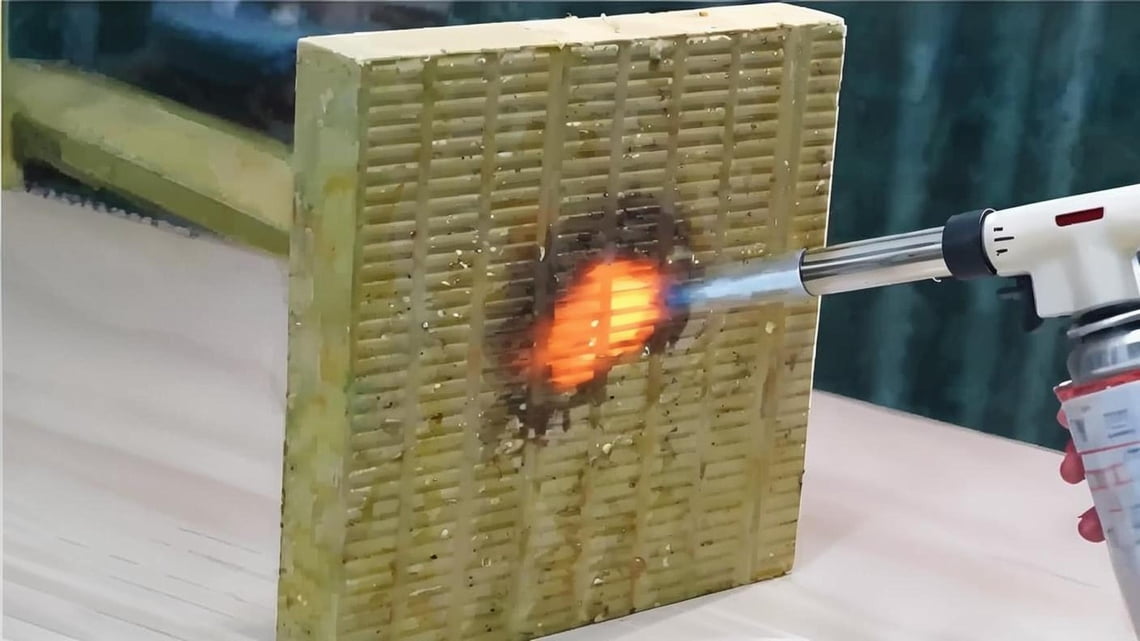
fireproof test of rock wool

-Rock wool cores deliver exceptional fire resistance with Class A ratings, making them ideal for safety-conscious families. 

-EPS (expanded polystyrene) cores offer the light weight champion – easy installation means faster construction and lower labor costs. 

-Then there's PU (polyurethane) – the thermal performance king. With incredible insulation values around 0.02 W/(m·K).


The Insulated Panels’ Performance for Living Homes

-Rock wool panels keep bedrooms quiet from street noise while protecting against fire. 

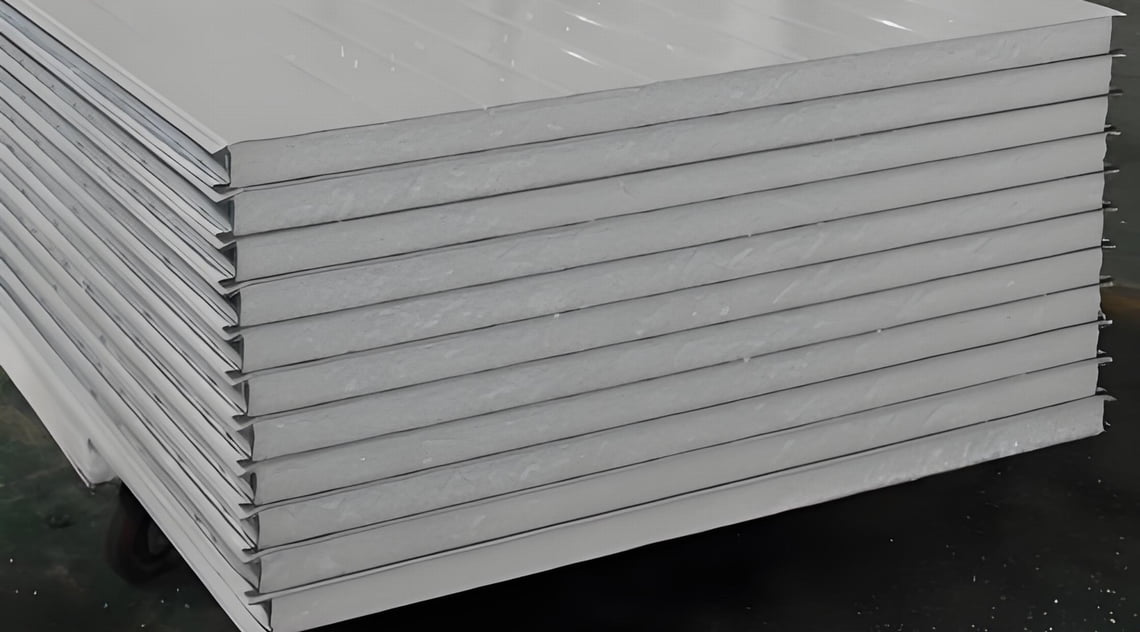
eps sandwich panel

-EPS panels transform garages and workshops affordably, with installation so simple that anyone can finish the work by himself. 

-PU panels create comfortable living spaces where temperature stays consistent year-round, reducing energy waste consumption.


Why Propanel Delivers Home Comfort

Propanel insulated panels install quickly, getting families into comfortable homes faster. The superior insulation stops energy waste, meaning lower utility bills month after month. For homeowners demanding safety, comfort, and long-term value, Propanel's sandwich panel solutions deliver the smart, reliable choice that transforms houses into energy-efficient spaces.


The insulated wall panel is composed of 2 layers of galvanized steel plate (or aluminum plate) and a layer of insulation core material (EPS,PU and rock wool, etc.). Its environmental performance mainly depends on the insulation core material, from the following dimensions for comparative analysis.


Dimensions

EPS

PUpolyurethane

Rock wool

Raw material and use release

New materials are non-toxic and formaldehyde-free; inferior recycled materials may release VOCs.

No release of high-quality products; TDI or harmful flame retardants are residual in low-quality products.

No chemical release, but may produce dust irritating respiratory tract.

Production and energy consumption

Energy consumption is moderate, and VOCs pollution may occur in the treatment of recycled materials.

Higher energy consumption, more environmentally friendly MDI process

High energy consumption (ore melting needs high temperature), need to control dust

Energy saving and carbon reduction

Thermal insulation medium (thermal conductivity 0.033-0.038W/(m · K))

Optimal thermal insulation (thermal conductivity ≤ 0.024W/(m · K)), energy saving and carbon reduction is the strongest

Weak insulation (thermal conductivity 0.040-0.048W/(m · K))

Combustion and Safety

Flammable, flame retardant may release toxic fumes

Flammable, high quality flame retardant smoke toxicity is low

Non-combustible (Class A1), no toxic smoke

Waste disposal

Refractory degradation, low recycling rate

Difficult to degrade, difficult to recycle

Natural degradation, landfill without chemical pollution


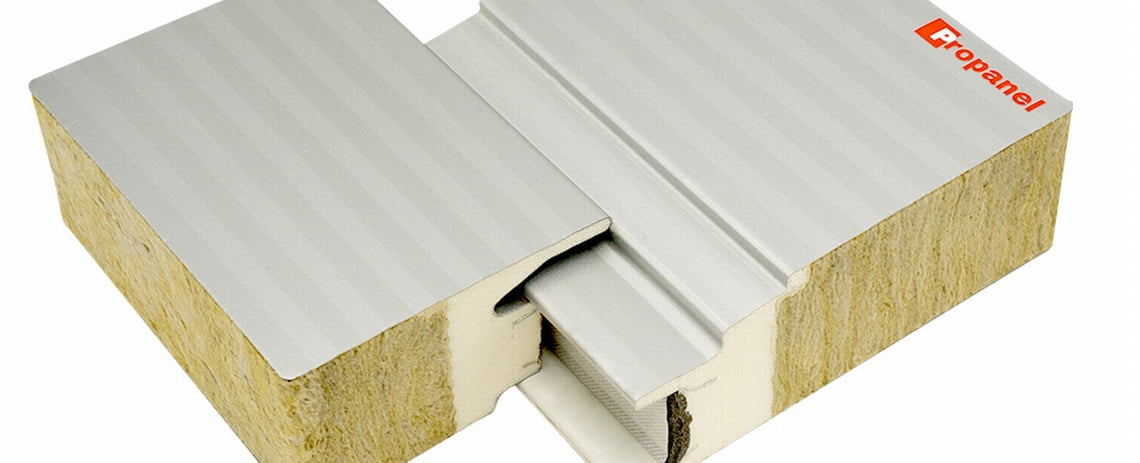
Rock wool sandwich panel connection sample

In summary, high-quality PU wall panel energy-saving optimal, suitable for long-term energy-saving needs; high-quality EPS wall panel cost-effective, need to avoid recycling materials; rock wool wall panel fire prevention and waste environmental protection outstanding, but need to control dust. The core of environmental protection is "high-quality product selection"-organic materials to avoid inferior recycling materials, inorganic materials to choose low dust.Different choices can be made according to the different uses of the building.

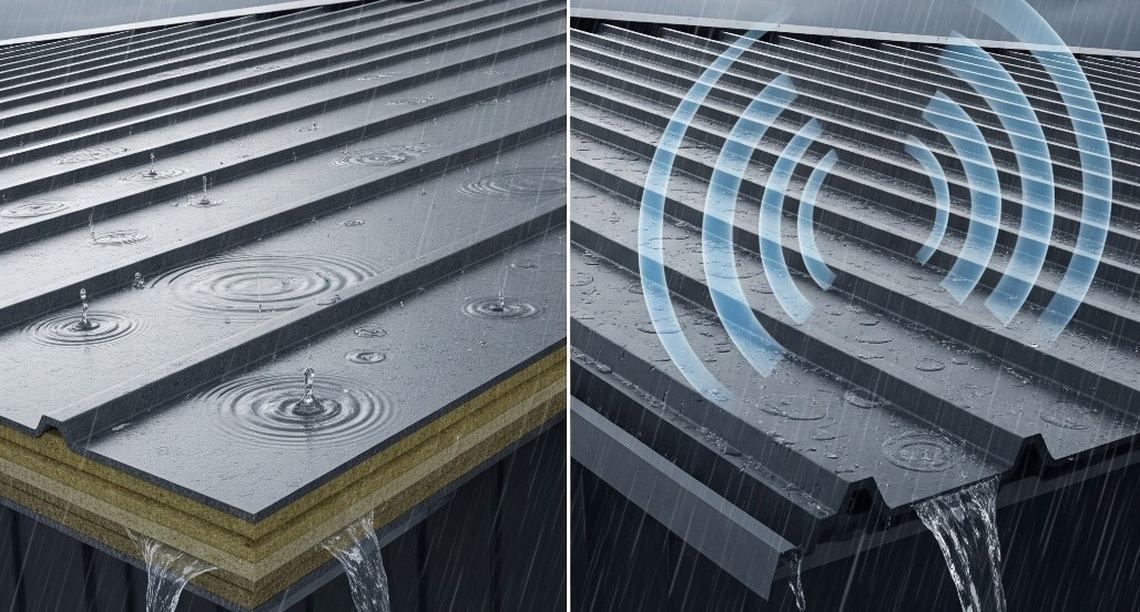
Compared with old-style single metal roof system’s definitely noisy, the modern insulated sandwich metal roof panels stepping in – they're right one that replace noisy metal into the quiet protection. 


The Secret: Insulated Core Technology

Sandwich panel keep the nose away

The key is what inside the middle of the sandwich panel. Each core material tackles noise differently while delivering bonus benefits. 

·Rock wool cores sandwich roof panels are the acoustic champions – those dense mineral fibers absorb sound waves, cutting rain noise by up to 40dB while providing Class A fire protection. 

·EPS cores sandwich roof panels offer the budget-friendly solution. Lightweight and affordable, reduce noise compared to single metal roof. 

·Then there's PU sandwich roof panels– the premium performer. With superior density and 0.02-0.024 W/(m·K) thermal values. The closed-cell structure blocks both sound transmission and heat transfer.


Real-World Sound Performance

Single metal roofs noise is 55-60 DB during heavy rain – that's conversation-level noise disrupting sleep. Propanel's insulated metal sandwich panels drop this to 25-30 DB – quieter than a whisper!


Why Propanel Delivers Quiet Comfort

Propanel insulated metal roof sandwich panels means to use noise-reduction technology. These panels install quickly while creating peaceful indoor environments that last decades. The quickly insulation stops both sound and energy waste. 


keyboard_arrow_up