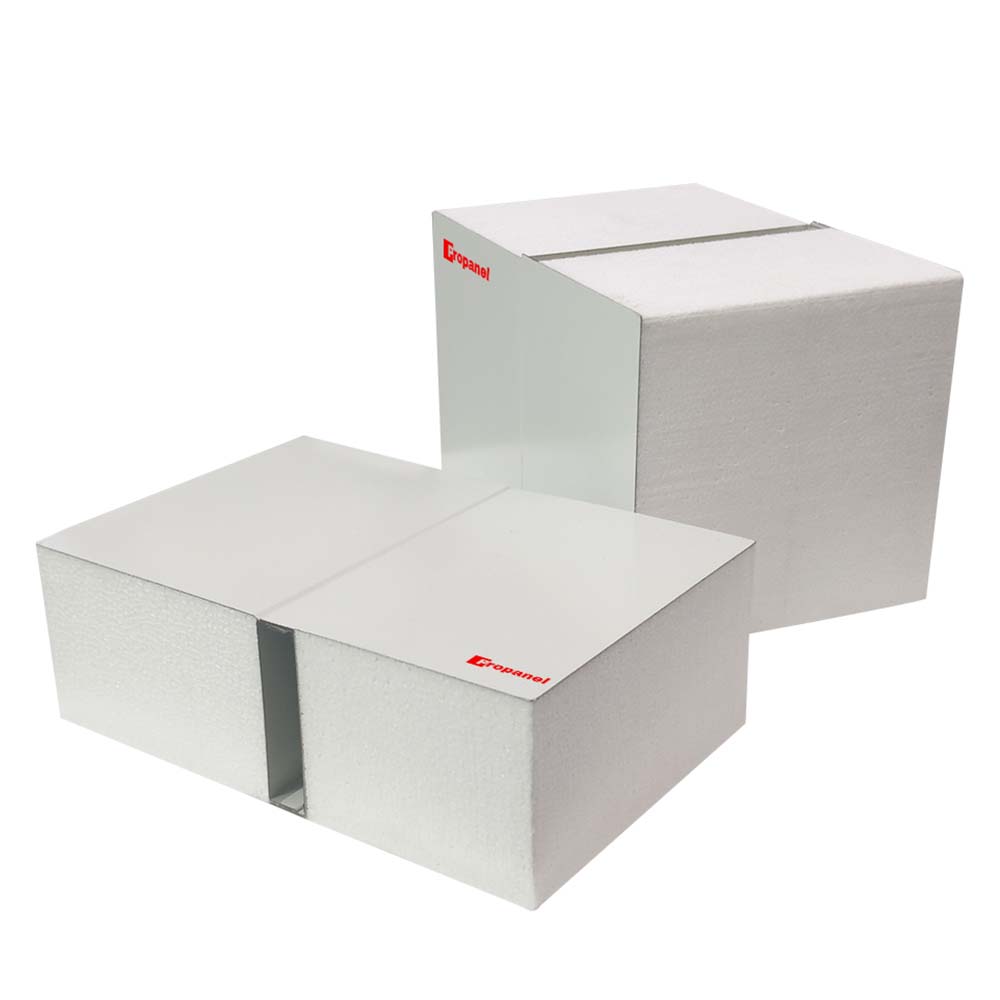
Fire-resistant sandwich panels are composed of two layers of outer panels (usually color-coated galvanized steel, aluminum, or stainless steel) and a layer of fire-resistant core material (such as rock wool, glass wool, or fire-resistant polyurethane) bonded together with a high-strength adhesive.
The outer panels provide strength to the sandwich panel, preventing deformation and collapse at high temperatures. They also protect the core material from direct contact with flames or high-temperature smoke, thus acting as a firebreak.
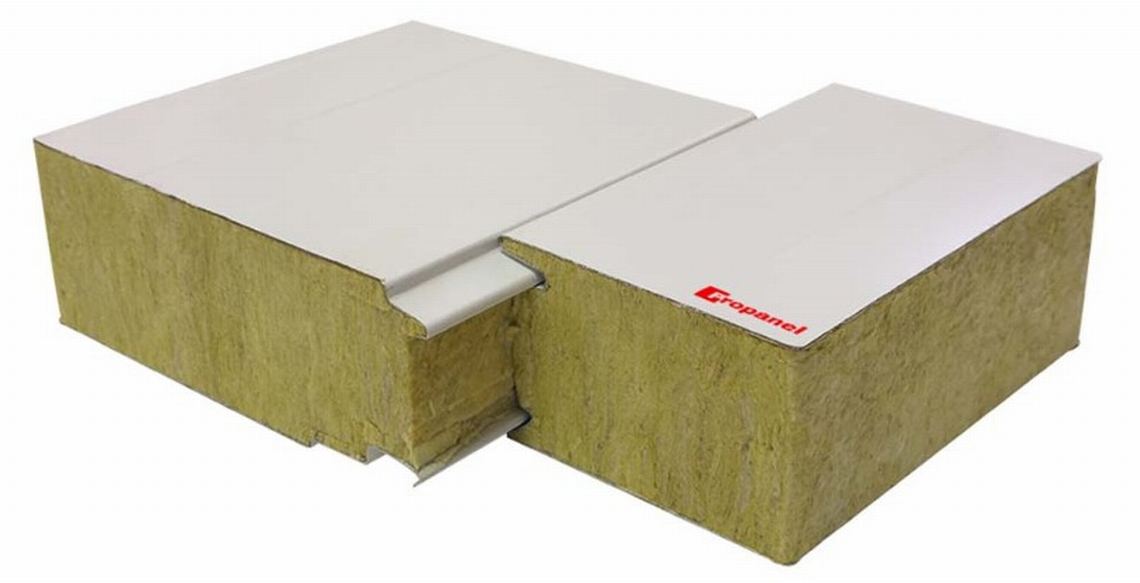
The core materials, such as rock wool, glass wool, and fire-resistant polyurethane, are inherently non-combustible or flame-retardant. They do not produce open flames or release large amounts of flammable gases when exposed to high temperatures, preventing flames from penetrating the panel and thus preventing the spread of fire.
Different fire-resistant core materials can be selected based on different building fire protection requirements. For industrial buildings (factories, warehouses, etc.), civil buildings (residential buildings, office buildings, etc.), and public buildings (hospitals, shopping malls, amusement parks, etc.), non-combustible rock wool or glass wool sandwich panels should be used. For temporary buildings, polyurethane sandwich panels with flame-retardant properties or EPS sandwich panels with a B1 rating can be selected.